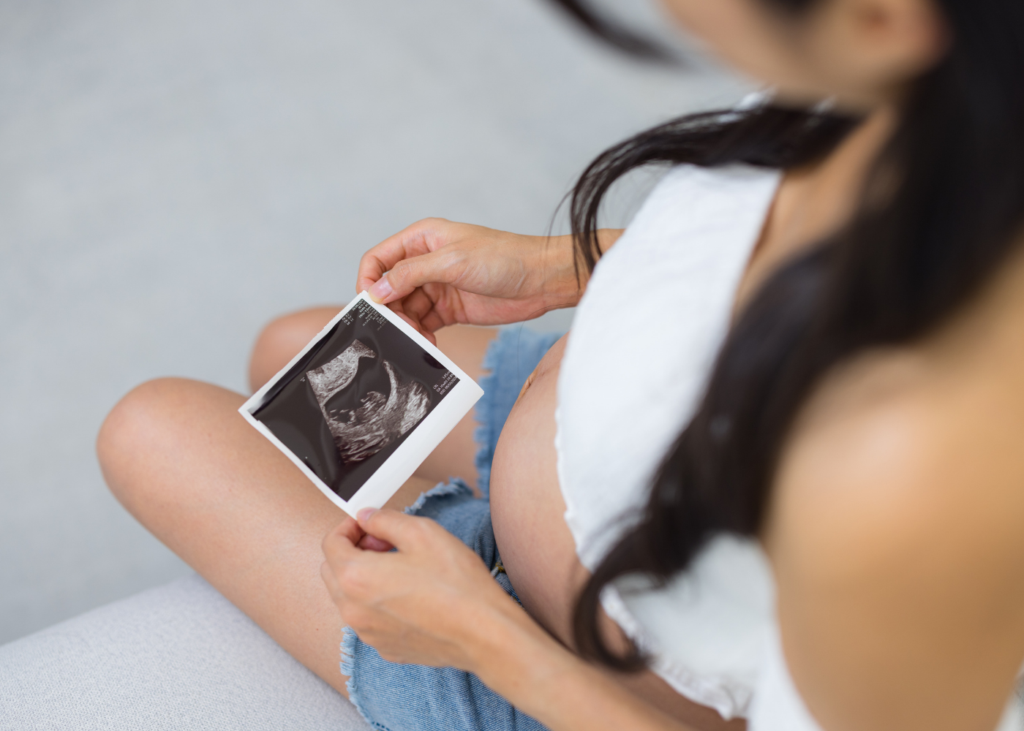
A maternal death is one of the most devastating outcomes in healthcare. The loss of a mother has profound consequences for the family members left behind, particularly the dependant children.
Over the last decade, maternal deaths have remained a significant concern across the UK. In 2015, the Government pledged to halve the rates of stillbirths, neonatal deaths and maternal deaths by 2025. However, recent evidence suggests that this ambition has not been achieved.
Recent reports, including the Ockenden Review into maternity services at Nottingham University Hospitals NHS Trust and Baroness Valerie Amos’ National Maternity and Neonatal Investigation, have examined why preventable harm and deaths continue to occur within maternity services, despite years of reviews, recommendations and national initiatives.
Alongside these investigations, MBRRACE-UK (Mothers and Babies: Reducing Risk through Audits and Confidential Enquiries) provides the national surveillance programme for maternal deaths and identifies lessons that could reduce future mortality.
The Ockenden Review, published in June 2026, noted that maternal deaths are now at their highest level for 20 years. The Amos Report similarly concluded that avoidable deaths and harm continue to occur across maternity services and that further system-wide improvements are required.
The January 2026 MBRRACE-UK maternal mortality data brief reported that the overall rate of maternal deaths in the UK during 2022-2024 was 20% higher than it was in 2009 – 2011, when the original ambition was set.
Maternal deaths in England
In a recent investigation into maternal deaths between 2010 and 2024, Channel 4 News reported that 1,155 pregnant women and new mothers died across the UK, and that around half of those deaths may have been prevented with better care.
The Ockenden’s review of maternity services found that failures in care may have substantially affected the outcome in six maternal deaths and identified hundreds of cases involving potentially avoidable harm to mothers and babies. Common failings included delays in recognising complications, poor communication and failure to act upon women’s concerns.
The Amos investigation reviewed evidence from thousands of families and staff and examined maternity services in 12 NHS trusts and heard evidence from hundreds of families.
It identified recurring issues including:
- Women and families not feeling heard when raising concerns.
- Delays in recognising deterioration.
- Fragmented care between services.
- Workforce pressures and staffing shortages.
- Difficulties learning from serious incidents.
- Poor communication when things go wrong.
Similarly, the Ockenden Review found repeated examples of failures in escalation, inadequate monitoring, communication difficulties and missed opportunities to intervene earlier.
Although the vast majority of pregnancies and births result in positive outcomes, these reports demonstrate that maternity safety remains a key area of concern to the public, especially in light of the number of reports and reviews now carried out which continue to highlight the issues with maternity care throughout the NHS.
Who is most at risk?
The Amos Report highlighted continuing inequalities in maternity outcomes.
Black women remain more than twice as likely to die during pregnancy or within the postnatal period than White women. The report also identified higher maternal mortality rates amongst Asian women and those living in socioeconomically disadvantaged areas.
The Ockenden Review found similar concerns, with many women from minority ethnic backgrounds describing experiences of not feeling listened to, difficulties communicating concerns and barriers to accessing appropriate support.
Addressing these inequalities forms a central part of the recommendations made by both reports, with calls for racism, discrimination and inequality to be treated as patient safety issues.
Why do maternal deaths still occur?
One of the most striking themes emerging from both reviews is that many of the same concerns have appeared repeatedly across maternity investigations over the last decade.
According to recent MBRRACE-UK reports, the leading causes of maternal death during pregnancy and within six weeks after birth are:
- Thrombosis and thromboembolism (blood clots)
- Cardiac disease
- COVID-19 (during the pandemic period)
For deaths occurring between six weeks and one year after the end of pregnancy (“late maternal deaths”), the leading causes are:
- Suicide and other mental health-related causes
- Substance misuse
- Other psychiatric conditions
The latest national assessment found that approximately 45% of maternal deaths between 2021 and 2023 may have had a different outcome if improvements in care had occurred.
Assessors also found that nearly 8 in 10 women who died could have received better care, even when different care might not necessarily have changed the outcome
The reports do emphasise that maternity care is becoming increasingly complex. Women are generally having children later in life and more pregnancies involve pre-existing medical conditions or additional risk factors. Ensuring that services evolve to meet these changing needs remains a significant.
The impact on families
The impact of a maternal death extends far beyond the immediate loss. Families are left trying to come to terms with the death of a mother, wife or partner at a time that should be focused on welcoming and caring for a child. Alongside their grief, many must also adapt to a future without the love, guidance and support that she would otherwise have provided.
In addition to the emotional impact, families may also face significant financial uncertainty arising from the loss of a mother’s income, as well as childcare and practical support.
Obtaining answers about what happened can be an important part of the grieving process. Both the Ockenden and Amos reports highlight the importance of open communication, thorough investigations and meaningful involvement of families when serious incidents occur.
How Boyes Turner can help
Our Medical Negligence team has extensive experience of supporting families following fatal failures in medical care. We provide advice and guidance throughout the life of a clinical negligence claim. In the event of an inquest, we can provide representation to help families navigate the process with confidence.
We understand the profound impact that the loss of a parent can have on a family, particularly where young children are involved. In addition to the emotional grief that comes with a bereavement, families are often faced with considerable financial and practical challenges following the loss of a loved one.
We have acted for families in a number of fatal clinical negligence claims, by helping to secure answers, accountability and financial security for dependants. You can read about one of those cases here: £2.5 million settlement for family after mother dies following failures in medical treatment.
Seeking legal advice can feel daunting. We provide clear, practical advice and support throughout the claims process and are here to listen when you are ready to talk.
If you have suffered the loss of a partner, parent or loved one as a result of medical negligence, or if you have been contacted by HSIB / HSSIB / CQC or NHS Resolution, you can talk to a solicitor, free and confidentially, for advice about making a claim by contacting us.
Written by

Laura Hayes-Payne
Laura is an Associate Solicitor in the Clinical Negligence team, offering a personable and compassionate approach to clients who have experienced life-changing injuries.
Share this article:
Contact us
If you would like advice regarding maternity safety or a serious injury affecting you or a loved one, please complete the form and one of our experts will be in touch as soon as possible.
Rather give us a call:
Related insights

Podcast
Video
Sands & Tommy’s report highlights UK’s lack of progress in saving babies’ lives

Podcast
Video
MBRRACE-UK latest data reports 254 maternal deaths in the three years from 2021-2023

Podcast
Video
Birth Trauma Inquiry reveals scandalous levels of disregard and poor care for mothers in UK maternity units

Podcast
Video
Latest figures from MBRRACE-UK show maternal death rate in UK increased in 2020-2022

Podcast
Video
MBRRACE-UK’s 2023 report says maternal deaths increased in 2019 to 2021

Podcast
Video
MBRRACE-UK report finds increase in stillbirths and neonatal deaths and widening inequalities

Podcast
Video
Maternal death: new MBRRACE-UK data highlights ongoing ethnic and social disparities

Podcast
Video
Latest MBRRACE-UK report warns maternal death rate is increasing

Podcast
Video
RCOG scientific paper says social factors affecting health must be understood to reduce risk of maternal death
Podcast
Video
How do medical experts determine if cerebral palsy was caused by medical negligence?
A leading UK firm with over 30 years’ experience







Stay informed with insights from Boyes Turner
Sign up to receive the latest legal updates, expert commentary, and practical guidance tailored to your interests.