Birth injury compensation claims
Our birth injury solicitors secure life-changing compensation settlements and early provision for care, therapies, adapted accommodation and equipment, for children with cerebral palsy and birth-related disability.

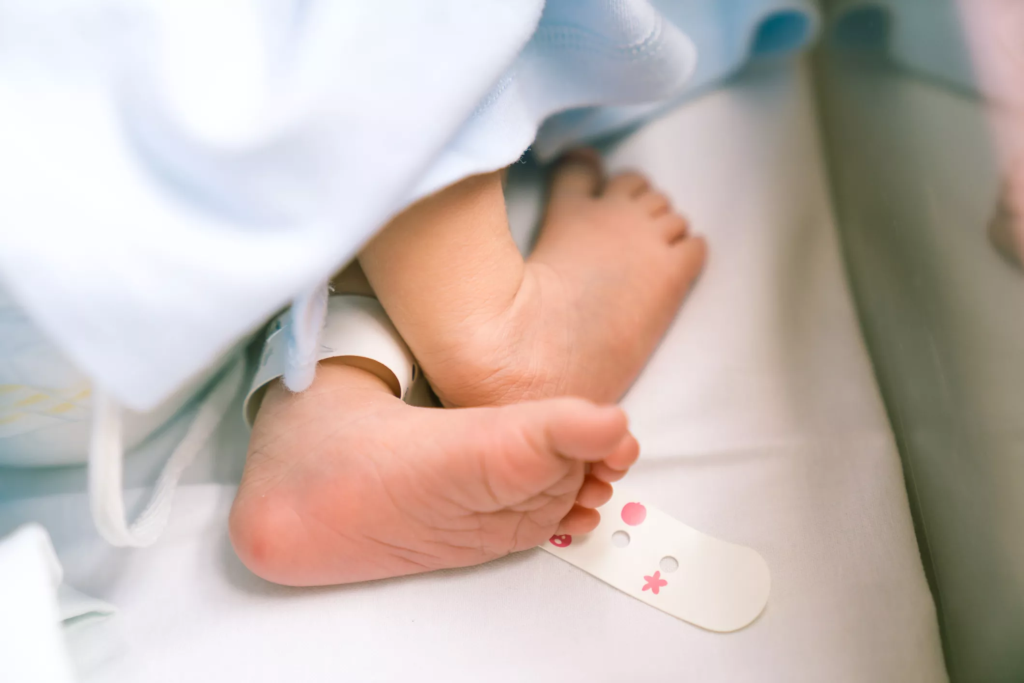
Mothers and babies have a right to receive safe care throughout pregnancy, labour and birth.

Throughout pregnancy, labour and birth, the maternity team of GPs, midwives, obstetric, neonatal and paediatric doctors, ultrasonographers, anaesthetists and nurses must work together to provide care of a standard which ensures the safety of both mother and child.
Failings in maternity care can cause severe injury leading to lifelong disability. If your child has suffered a birth injury as a result of negligent maternity care, our birth injury solicitors can help you claim the compensation to provide lifelong care, specialist therapies, adapted housing, and educational support – helping your child achieve the best possible quality of life.
- Nationally recognised birth injury specialists with decades of experience
- Access to leading medical experts and rehabilitation professionals
- Proven track record of securing life-changing compensation for families
- Dedicated support from initial enquiry through to settlement
- No upfront costs and claim through a no win no fee agreement
Birth injury claims
Autism and ADHD
Birth trauma claims
Cerebral palsy
Erb’s palsy claims
Group B Strep
Hypoxic brain injury claims for babies (HIE)
Jaundice and kernicterus brain injury claims
Meconium aspiration syndrome (MAS)
Neonatal brain injury claims
Neonatal brain injury from infection
Neonatal hypoglycaemia brain injury claims
Twin pregnancy birth injury claims
Do I have a birth injury claim?
Many parents are unsure whether they have a birth injury claim and may feel reluctant to seek legal advice. Some worry about assigning blame, while others simply want answers about what happened during pregnancy, labour, delivery, or the early days of their child’s life. Speaking to a specialist solicitor does not mean you have to pursue a claim. It is an opportunity to discuss your concerns, understand whether the care you or your child received met the expected standard, and learn what options may be available to support your family’s future.
If you have concerns about the maternity care you or your child received around the time of birth, or if you have been contacted by HSIB, the Maternity and Newborn Safety Investigations (MNSI), or NHS Resolution, it is sensible to seek specialist legal advice. Contact from these organisations can indicate that aspects of care are being reviewed. It is important to note, not all families are contacted even where care fell below the expected standard. Early, independent legal advice can help you understand what options are available to you and your family to secure the compensation and answers you and your child needs.

No win, no fee
No hidden or upfront costs. Clear, straightforward advice. Nothing to pay unless your claim is successful.
Over 30 years’ experience
We have helped thousands of clients claim compensation.
Fully regulated
Authorised and regulated by the Solicitors Regulation Authority.
Birth injury compensation FAQs
What is a birth injury?
Birth injury, or birth trauma is any injury or harm that occurs to a baby during pregnancy, labour, or around the time of birth, which may result from complications or mistakes in medical care.
Some injuries happen despite adequate care, while others occur because healthcare professionals failed to act appropriately, often missing signs of distress or delaying delivery.
Birth injury claims often involve severely disabling conditions, such as cerebral palsy or severe neurological disability, which can be caused by mistakes at any stage of the mother’s maternity care during pregnancy, labour and birth, or the newborn baby’s neonatal care. The full impact of the injury and resulting physical, neurological and behavioural disability on the child’s life may only become evident over time, and may not even be diagnosed as related to the birth injury.
Where a mother is injured or dies as a result of negligently managed pregnancy or birth, she or her family may also be able to claim compensation for her injury and their loss.
Claims involving cerebral palsy, hypoxic brain injury, and other birth-related injuries are complex and should be handled by solicitors who specialise in birth injury cases. Specialist expertise ensures that the full extent and impact of the injury is explored to secure maximum compensation and support.
What types of maternity mistakes can lead to birth injury compensation claims?
Mistakes in maternity care can be made during pregnancy, during labour and birth, immediately after birth or in the early days of the baby’s life. Maternity mistakes made during pregnancy, labour, and birth include:
- failing to recognise and manage risk factors in pregnancy, including:
- premature or prolonged rupture of membranes (PROM or PPROM);
- group B streptococcal (GBS) infection;
- IUGR (intrauterine growth restriction – baby small for dates);
- VBAC (vaginal birth after previous caesarean section);
- Rhesus incompatibility (where mother and baby’s blood groups are incompatible);
- twin/multiple pregnancies;
- maternal conditions such as diabetes, epilepsy, VTE or pre-eclampsia.
- fetal heart rate monitoring errors, including:
- failing to monitor the fetal heart rate;
- misinterpreting or failing to act upon fetal heart abnormalities;
- maternal-fetal heart rate mix-ups.
- hyperstimulation and syntocinon (uterine stimulant) errors;
- delays in delivery, failure to escalate to instrumental delivery or emergency caesarean section;
- negligent management of obstetric complications and emergencies, including:
- fetal distress or hypoxia;
- hyperstimulation and uterine rupture;
- placental abruption and haemorrhage (bleeding);
- impacted fetal head;
- shoulder dystocia (disproportionate size of baby to mother’s pelvis);
- vaginal breech delivery;
- meconium aspiration.
- negligent technique in use of forceps/Ventouse suction;
- anaesthetic awareness and intubation errors.
Mistakes in neonatal care, at birth or in the early days of the baby’s life include:
- resuscitation and ventilation errors or delays;
- cooling errors;
- failure to administer vitamin K;
- failure to recognise and treat conditions, such as infection, hypoglycaemia, jaundice.
What are common types of birth injuries caused by medical negligence?
Birth injuries which can be caused by medical negligence include:
- cerebral palsy;
- hypoxic ischaemic encephalopathy (HIE) or birth asphyxia;
- serious brain injury/neurological injury and learning disability;
- traumatic birth injury, skull fracture and/or intracranial bleeding;
- kernicterus (jaundice) brain injury;
- brain injury from hypoglycaemia
- Erb’s palsy/brachial plexus nerve injury;
- Rhesus disease/ haemolytic disease of the fetus and newborn (HDFN);
- vitamin K deficiency bleeding (VKDB);
- group B streptococcal (GBS) infection/ meningitis;
- autism (ASD) and ADHD;
- stillbirth and neonatal (immediately after birth) death.
Our experienced birth injury solicitors recover maximum compensation settlements for children who have suffered severe birth injury as a result of negligent maternity and neonatal care.
How much compensation can you get for a birth injury?
Compensation settlements for severe disability caused by negligent birth injury are among the highest amounts that can be claimed for medical negligence. Whilst no amount of compensation can ever undo the harm that a child has suffered, the compensation can enable the child and their family to access the help that they need to meet the extensive needs that arise from their birth injury disability. The amount of compensation depends on the severity and impact of the child’s disability, the cost of meeting their needs for the rest of their life, and other factors, such as their life expectancy.
Our clients benefit from early interim payments and outstanding compensation settlements which pay for care, therapies, equipment and adapted accommodation. As soon as we can secure an admission of liability and interim payment from the negligent healthcare provider (usually represented by NHS Resolution) we start to make a difference where it is most needed, whether that’s providing access to SEN educational support and assistive technology, professional help with personal care, specialist therapies and medical treatment, buying an adapted vehicle or moving the child and their family to a more suitable, fully adapted home.
Birth injury compensation claims are complex and must be handled by claimant specialist solicitors to ensure that the child receives the financial provision that they will need throughout their life to manage their disability.
How is birth injury compensation paid?
Ensuring the best settlement for a birth injury claim depends on the child’s solicitor having the expertise to maximise the benefit of the settlement to the child. Our experienced birth injury solicitors work with our experts and client families to gain a detailed understanding of the child’s injuries, their evolving needs, and the best settlement arrangement to meet those needs, to ensure the child receives the full benefit of their compensation. Depending on their needs, final settlements may be paid as:
- Lump sum payments:
- for larger purchases, such as adapted accommodation or vehicles;
- to allow for contingencies and flexibility in how the money is spent.
and/or:
- Periodical payments (PPOs):
- financial security from regular, tax-free payments, index-linked to keep up with inflation;
- guaranteed lifelong provision for care.
Once liability has been proven or admitted, interim payments of compensation can be obtained in advance, whilst the case is ongoing:
- to ease financial hardship;
- to pay for care, therapies and essential specialist equipment;
- to help buy and adapt accommodation.
Compensation for clients who are under the age of 18 or whose mental capacity is impaired is protected and administered for them by a Court of Protection appointed deputy or through a personal injury trust. We work closely with our deputyship and personal injury trust specialists and with families to help our severely disabled clients gain the maximum benefit from their settlements.
How are birth injury claims funded?
Birth injury claims are usually funded through Conditional Fee Agreements (CFAs) sometimes called No Win, No Fee agreements. This means you do not pay any legal fees upfront, or if the claim is unsuccessful. If the claim is successful, the legal costs are usually paid by NHS Resolution, which represents the defendant NHS trust or doctor. Under standard CFA rules, solicitors can charge a ‘success fee’ from the compensation, calculated as a percentage of their time.
At Boyes Turner, we do not charge a success fee for birth injury claims involving a child. This means our success fee is always 0%, preserving the compensation secured for your child.
Legal Aid may be another option. Legal Aid is a government-funded scheme that helps cover legal costs for eligible cases and is available for child birth injury claims. Only a small number of solicitors are accredited to provide Legal Aid, and our specialist birth injury team has this accreditation.
Depending on the complexity of the case, Legal Aid may not always be the most suitable funding option. We recommend contacting our birth injury solicitors so we can advise on the best approach, explain your funding options, and manage the claim process from start to finish allowing you to focus on your child and family.
Can you get Legal Aid for birth injury claims?
Legal Aid funding is available to children who have suffered a brain injury, such as cerebral palsy, at birth or within the first few weeks of their life. The child’s injury must have occurred in England or Wales. The parents’ own finances are ignored for the purposes of their child’s application, but the child will not be eligible if they have substantial funds of their own. Legal Aid funding is only available where the eligible child’s claim is handled by a solicitor who is approved as a specialist in cerebral palsy and child brain injury claims by the Legal Aid Agency.
As accredited specialists in cerebral palsy and serious neurological disability claims, we have access to Legal Aid funding for eligible clients. We also offer no win, no fee agreements (Conditional Fee Agreements) for birth injury claims and will discuss with you which method of funding is best for you and your child.
How can we protect our child’s privacy after birth injury compensation?
We understand that families of injured children who receive large compensation settlements worry about publicity and other people’s unwanted interest in their compensation. The courts also recognise these concerns, and we routinely obtain anonymity orders for our vulnerable clients. In addition, our clients’ compensation is always protected, as it is safely invested and managed by a deputy and the Court of Protection. Or, in the case of clients with full mental capacity, through a personal injury trust.
NHS Resolution have admitted liability – do I need my own solicitor to handle my child’s cerebral palsy claim?
The NHS is defended in medical negligence cases by NHS Resolution. NHS Resolution also appoints its own solicitors to represent the NHS in negligence claims.
Since April 2017, NHS Resolution and their own solicitors (who are defending the NHS) have started directly contacting the parents of babies who have suffered brain injury during childbirth, where the NHS maternity care could lead to a claim.
If NHS Resolution or one of their solicitors has contacted you about your NHS maternity or neonatal care, it is vital that you immediately seek independent legal advice from solicitors who specialise in advising injured claimants (patients) in medical negligence birth injury claims.
Boyes Turner have extensive experience of representing clients with cerebral palsy claims in their communications with NHS Resolution’s Early Intervention Scheme. We have found that even when NHS Resolution admits to the parents of a brain-injured child that aspects of their maternity care were negligent, they delay or avoid accepting full liability for the cause of the injury.
NHS Resolution’s role is to reduce the number of birth injury claims that are made, and to reduce the compensation that is paid to NHS patients who have suffered as a result of medical negligence. In our experience, in the rare cases where they offer an unrepresented family an interim payment, it falls far short of the sums that the child is entitled to receive and that we routinely secure for our clients. The sooner the parent comes to us after a birth injury or contact from NHS Resolution, the sooner we can secure a full NHS admission of liability for causing the child’s injury and begin meeting the child’s needs with a substantial interim payment.
Is there a time limit for birth injury claims?
Most medical negligence claims must be started within three years of the incident. However, this time limit does not apply to children, or to adults who do not have full mental capacity to manage their own finances. In practice, the three-year limitation rarely affects a child’s birth injury claim.
If the child has mental capacity at the age of 18, their three-year limitation period starts on the date of their 18th birthday and reaches the deadline when they are 21.
The three-year deadline does apply to any claim brought by a mother or her bereaved family for her own birth trauma injuries or death caused by negligent maternity care.
In birth injury claims where children reach adolescence or young adulthood, their capacity to bring a claim and the applicable time limits are carefully assessed with the help of medical experts.
We advise anyone who is considering making a birth injury claim to contact us as early as you can. This allows us to advise you about the deadlines that apply to your own circumstances, as well as how to ensure you have the best chance of early financial help and a successful claim.
Making a birth injury claim
We understand how daunting it can feel to take the first step. Our specialist birth injury solicitors are here to guide you through every stage.

Getting in touch
Call us or fill in our online form to get free, confidential advice from a specialist birth injury solicitor. We will listen carefully to your concerns, explain your options in clear and straightforward terms, and advise whether we can help investigate the care provided.

The birth injury claim
Our birth injury specialists will gather your medical records, instruct independent experts, and build a clear picture of what happened and why. Where appropriate, we can request an interim payment to meet your child’s immediate needs.
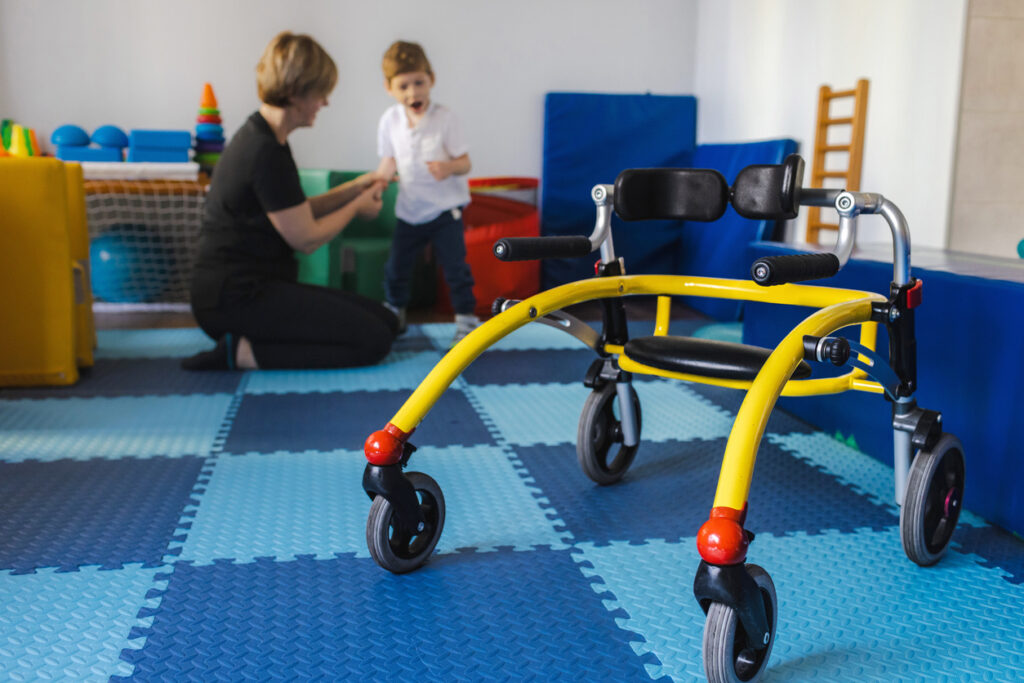
Securing compensation
Our solicitors provide sensitive and supportive guidance throughout the process, working to secure the maximum compensation for your child as quickly as possible to cover their lifetime care needs, therapies, adapted accommodation, equipment, and other essential support.
Contacted by NHS Resolution's Early Notification Scheme (ENS), HSSIB or MNSI?
If you are contacted by NHS Resolution, HSSIB or MNSI after the birth of your child, we advise you to contact us for free, confidential, specialist and independent advice straight away. Your child may be entitled to claim substantial compensation.
Contact us
If you would like advice regarding a serious injury or illness affecting you or a loved one, please complete the form and one of our experts will be in touch as soon as possible.
Rather give us a call:
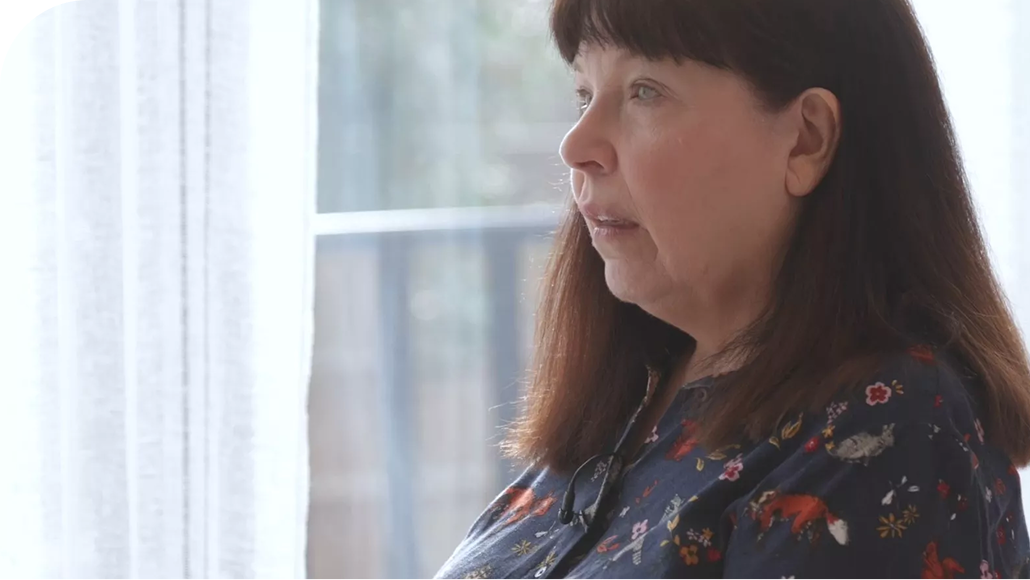
In this video, our client families share their experiences of how they were left feeling guilty and responsible for the devastating injuries caused to their child, and how we helped them obtain the acknowledgement and compensation they needed to move forward and begin rebuilding their lives.
Our specialist legal teams understand the causes and the impact of cerebral palsy and provide holistic support to each family in meeting their child’s needs, with life-changing compensation, special educational needs, community care and help with managing the child’s compensation settlement.
Compensation has helped our clients and their families with care needs, therapy, and equipment needs and ensures that they will continue to receive all the assistance they need for the remainder of their life.
Our birth injury claims

Podcast
Video
£17.8m* settlement for child with cerebral palsy birth injury and neurodevelopmental disability after mother was refused a caesarean section

Podcast
Video
CNZ -v- Royal United Hospitals Bath NHS Foundation Trust: $45million settlement for claimant
Podcast
Video
£18.7 million* settlement for teenager with cerebral palsy caused by negligently delayed delivery
Podcast
Video
£11.8 million settlement in birth injury claim for child with cerebral palsy
Podcast
Video
£18.1m settlement for child with severe cerebral palsy, visual and learning disability from maternity negligence

Podcast
Video
£4 million compensation settlement in birth injury claim for an 11-year-old boy with cerebral palsy

Podcast
Video
£12 million settlement for child whose severe dyskinetic cerebral palsy was caused by negligent water birth
Podcast
Video
£13m+ settlement after negligent treatment of neonatal necrotising enterocolitis and hypocarbia cause cerebral palsy
Podcast
Video
£18.4 million settlement after delayed treatment of HSV infection in forceps scalp grazes causes cerebral palsy
Podcast
Video
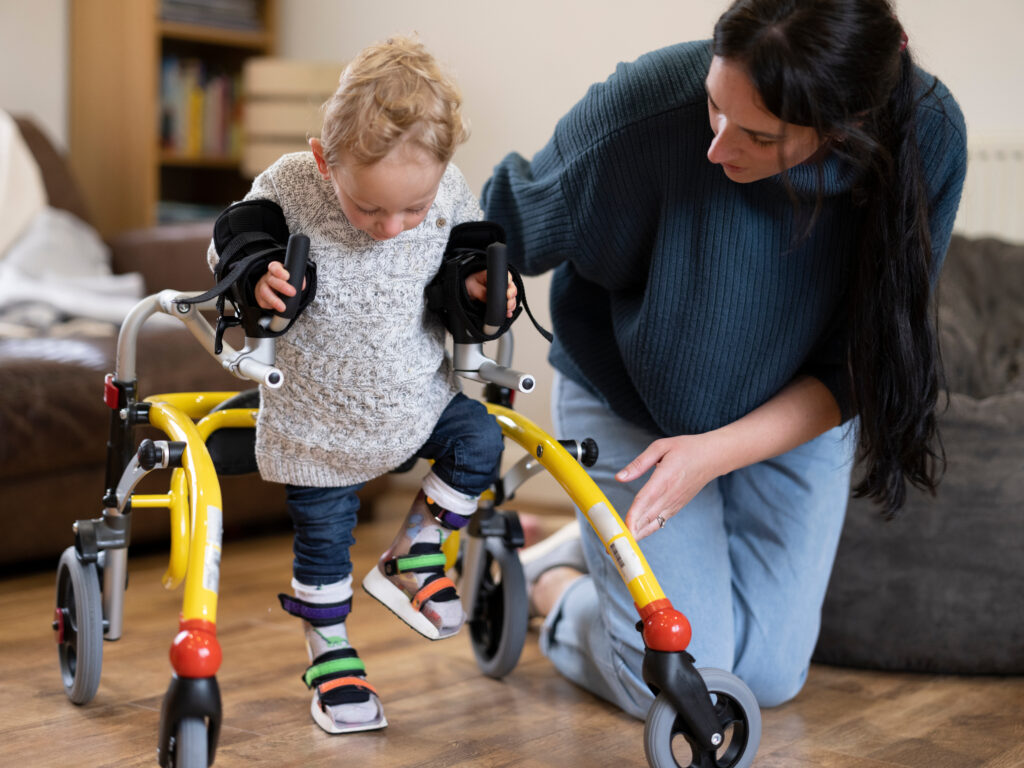
£7.4m settlement for child with severe cerebral palsy after hospital sent her mother home in labour
Podcast
Video
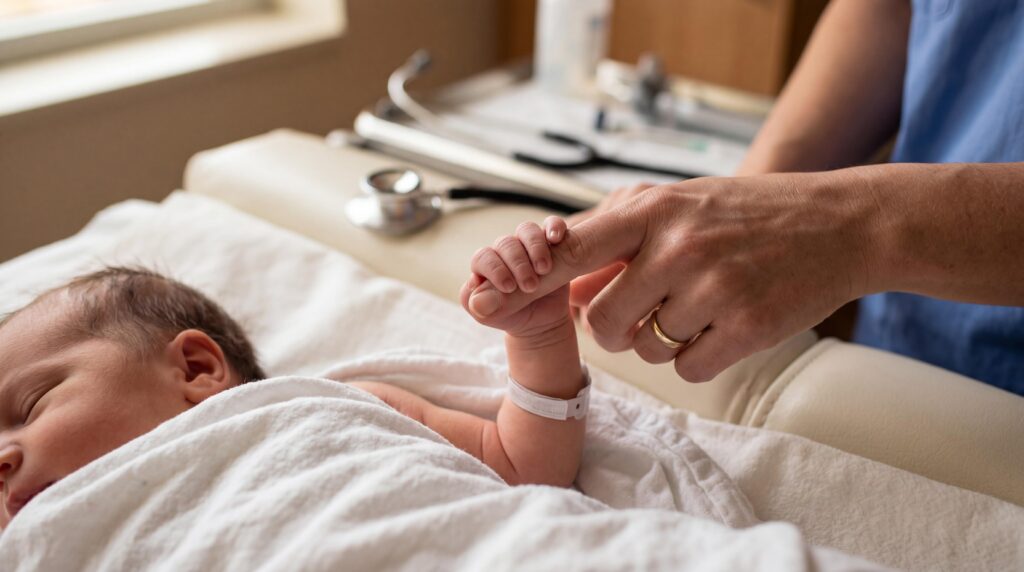
£14.6 million settlement for young man with cerebral palsy from uterine hyperstimulation at time of birth
Podcast
Video
£5 million lump sum, lifelong annual payments of £232,750pa for care and Treloar’s SEN funding for boy with cerebral palsy
Podcast
Video
£16 million settlement for teenager with cerebral palsy from hypoxic brain injury during delayed delivery

Podcast
Video
£19 million settlement for girl with dyskinetic cerebral palsy caused by negligent midwifery and obstetric care during labour
Our medical negligence team









What our clients say
We cannot thank Susan and her team at Boyes Turner enough

What our clients say
We would all highly recommend them
Our clients receive the highest standards of advice and representation and are always treated with compassion, outstanding care and understanding of the physical, emotional, psychological and financial impact that life-changing injury can have upon their lives.
- We are nationally acclaimed for our claimant medical negligence expertise and the outstanding results we achieve for our clients.
- We are ranked as leading clinical negligence experts in the Chambers Directory and Legal 500 guides to the legal profession and are accredited for our specialist expertise by the Law Society, AvMA, and the Association of Personal Injury Lawyers (APIL).
- Our integrated multidisciplinary team offers our clients a full range of specialist help with compensation, rehabilitation, SEN, deputyship, personal injury trusts and community care.
- We secure maximum compensation in claims for adults and children who have suffered catastrophic injury and severe disability, and provide practical support for their families.
Related birth injury insights

Podcast
Video
Uterine rupture during VBAC

Podcast
Video
What is cerebral palsy?

Podcast
Video
International compensation claims for birth injury and neonatal brain injury
Podcast
Video
Neonatal meningitis claims
Podcast
Video
How do medical experts determine if cerebral palsy was caused by medical negligence?

Podcast
Video
What are interim payments?

Podcast
Video
Erb’s palsy disability support from compensation
Podcast
Video
Five common reasons why babies are admitted to SCBU, NNU or NICU

Podcast
Video
Blindness and visual impairment in neurological injury claims
Podcast
Video
Can delayed C sections cause birth injury?
Leading medical negligence solicitors for over 30 years


Get help today
- Free & no obligation initial advice
- Speak directly to a solicitor
- No upfront costs & no win no fee