In 2012, two landmark cases were reported on the wearing of religious jewellery at work. Now, 10 years later, we have 2 further reported decisions which refocus attention on employer dress codes and indirect religious discrimination. Employment Trainee Solicitor Janey Rankin discusses these decisions.
Eweida v British Airways and Chaplin v Royal Devon and Exeter NHS Foundation Trust were reported milestone cases concerning balancing the relationship between an employers dress code and an employees freedom to manifest ones religion or belief (a right afforded by Article 9 of the Human Rights Act) and how employers can objectively and legitimately justify their policies and dress rules. Despite being over ten years old, we have been reminded of these cases in light of the recent Employment Tribunal and the EATSs judgements in Onuoha v Croydon Health Services NHS Trust 2021 and Kovalkovs v 2 Sisters Food Group Limited 2022.
EWEIDA v BRITISH AIRWAYS (2012)
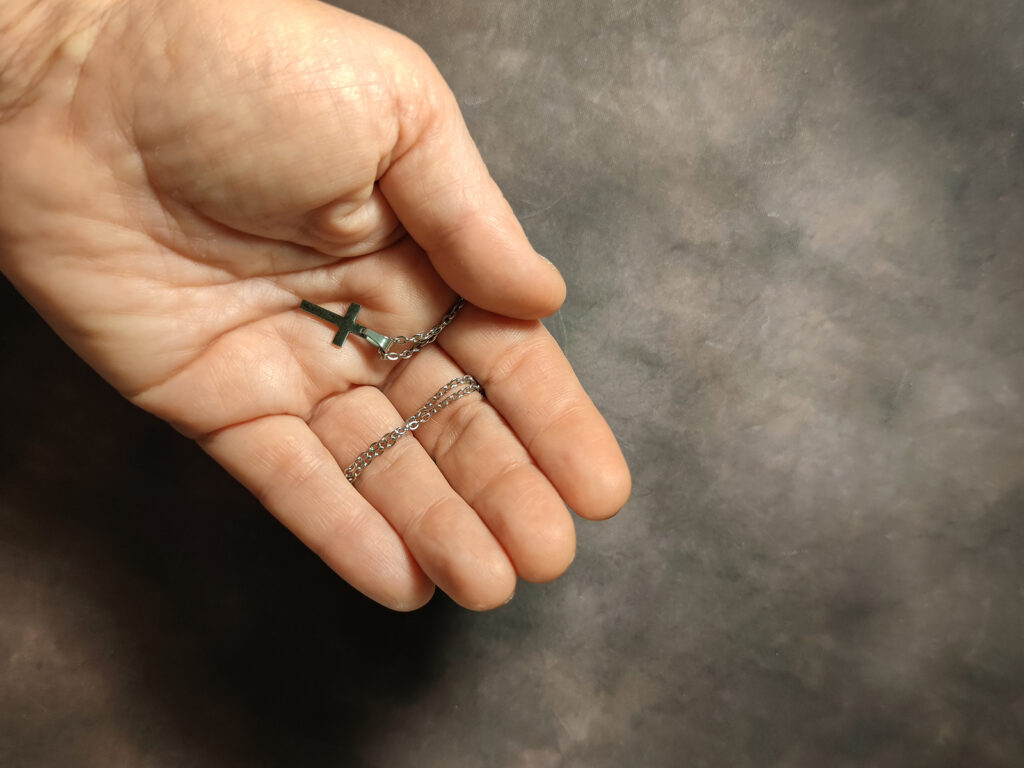
In 2010 Ms Eweida brought a claim of indirect religious discrimination against British Airways after they refused to allow her to wear a religious cross at work. The refusal on the part of British Airways was by reason of their policy of maintaining a uniformed corporate image. The Employment Tribunal found against Ms Eweida arguing that British Airways aim of having a uniform code which prevented the wearing of religious jewellery was a proportionate means of achieving a legitimate aim. In 2012, Ms Eweida brought the case to the (European Court of Human Rights (ECtHR) and the ECtHR found in favour of Ms Eweida, ultimately finding that the Employment Tribunal had afforded too much weight on British Airways aim of a uniform code against Ms Eweidas freedom to manifest her religion. In reaching their conclusion, the ECtHR found that the cross was discreet and couldnt have detracted from British Airways uniform corporate image.
CHAPLIN V ROYAL DEVON AND EXETER NHS FOUNDATION TRUST (2012)
Chaplin v Royal Devon and Exeter NHS Foundation Trust was heard alongside Eweida in the ECtHR after the Employment Appeal Tribunal dismissed her claim of discrimination. The two cases were very similar except that Ms Chaplin was a Nurse working for the NHS. The hospital prohibited Chaplin from wearing her religious cross-necklace for health and safety reasons – the chain may be pulled by a disturbed patient or come into contact with an open wound, risking infection. Both the Employment Tribunal and the ECtHR found against Chaplin. It was found that the Trusts prohibition of wearing a cross at work, in this case, was not disproportionate. Comparing the case of Chaplin to Eweida, the ECtHR stated that theprotection of health and safety on a hospital ward was inherently of a greater magnitude than which applied in respect of maintaining a corporate image.
ONUOHA V CROYDON HEALTH SERVICES NHS TRUST (2021)
Skip ten years later and the Employment Tribunal has seemed to flip 180 on Chaplin – but why? In January of this year the Tribunal found in favour of Ms Onuoha, also an NHS nurse, who was similarly disciplined for wearing a religious cross necklace to work and refusing to remove it. Contrary to Eweida and more specifically Chaplin, in this case the Tribunal held that the Trusts infringement of Ms Onuohas freedom to manifest her religious belief was not justified.
In coming to their conclusion, the Tribunal looked at the treatment between the cross-necklaces and the other religious items permitted to be worn when working in the hospital. These items included hijabs turbans, kalava bracelets, neckties and wedding band rings. The Tribunal found that these items carried no less risk to infection or injury than a cross-necklace and therefore found the application of the rule to be arbitrary and without valid explanation.
Another vital element to the Tribunals judgement was the results of an informal audit carried out by the claimant. The audit showed that a significant amount of staff, including nurses, doctors and anaesthetists were wearing religious or non-religious clothing and/or jewellery to work which were all non-compliant with the dress code. The extent of non-compliance was labelled asrife by the Tribunal and the dress code was considerednot-well or consistently enforced. The Tribunal, therefore, found that the Trust did not come close to striking a fair balance as required to justify the infringement of Ms Onuoha’s freedom to manifest her religion. In summary, if you have a policy; it needs to be followed consistently and be justifiable.
The health and safety element so prominent in the earlier ruling of Chaplin was somewhat overshadowed by the Trusts poor application of their own (arguably) unjustified dress code. It does beg the question of why a cross-necklace would likely cause greater risk of injury or infection than a wedding ring or kalava bracelet?
KOVALKOVS v 2 SISTERS FOOD GROUP LIMITED (2022)
A similar story with different facts was also heard in the Employment Tribunal in 2021. Mr Kovalkovs worked in a chicken processing factory owned by the 2 Sisters Food Group Limited. The factorys health and safety policy prohibited jewellery with the exception of religious jewellery, subject to passing a risk assessment.
The Tribunal, influenced by the ECtHRs ruling in Eweida and Chaplin dismissed the claimants discrimination claims. The Employment Appeal Tribunal; however, overturned the Tribunals ruling and awarded just over £22,000 to the claimant. Also, to note, Mr Kovalkovs was still in probation.
Similar to the Trust in Unuoha, the factory did not apply its policy appropriately and the EAT did not take this fact lightly. Evidence showed that the factory did not carry out a full risk assessment before making the decision for Mr Kovalkovs to remove his necklace (as it said it would in its policy) nor were alternative options to mitigate safety risks explored. Also, there was evidence presented that staff wore identification lanyards and work keys round their necks without complaint from the employer. Once again, the employers failure to comply with their own policy (as well as allowing other items to be worn round the neck) has rendered the objective of health and safety to be disproportionate and unjustified by the court.
LOOKING FORWARD
These recent cases should be borne in mind by employers when restricting the wearing of religious dress at work (especially in the healthcare sector), it should also encourage employers and organisations to review their dress codes and the way in which they are implemented and justified – it is really a proportionate means of achieving a legitimate aim? Is the legitimate aim, truly legitimate? It is also clear in these judgements that the Employment Tribunal will not take an employers inconsistent application of any policy lightly. More to the point, it seems that the Tribunal will not hold justifiable any health and safety measure in place unless the policy supporting them it is consistently and fully complied with by the employer.