
Meet the team: 60 seconds with Ben Ireland

It is important to us that our clients get to know more about who we are and why we do what we do. Over the next few months we will be sharing a series of Q&A articles about our day-to-day lives in the medical negligence team. This week, it’s the turn of Ben Ireland, the […]
Interview with Allison Whitehorn offering support for those with CES
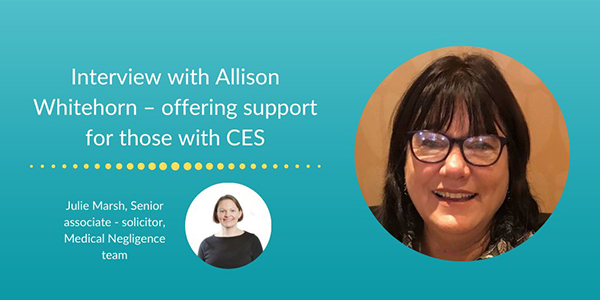
In June last year, Julie Marsh, senior associate – solicitor in the medical negligence team at Boyes Turner spoke with Allison Whitehorn, who was diagnosed with cauda equina syndrome in 2014. Allison, like so many people, had never heard the term cauda equina syndrome before her diagnosis and the operation she had on her back. […]
Julie Marsh catches up with inspirational multiple amputee, Jan McFadden

It has been just over two years since Julie Marsh, partner in the medical negligence team, settled a claim for Jan McFadden. In 2012, Jan went into hospital to have a colostomy reversal procedure. After the operation, she awoke in excruciating pain. Her condition deteriorated and she developed sepsis. She was not treated with the […]
Client Story: Mr Rosser
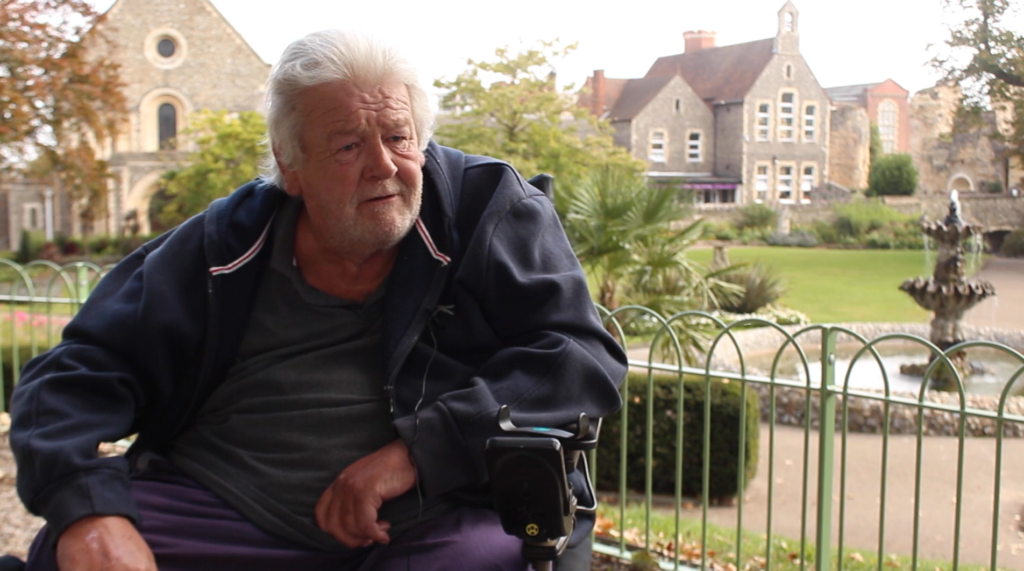
Our specialist medical negligence and Court of Protection teams worked with Mr Rosser to make sure he had the best quality of life after his negligent hospital care which lead to his paralysis. Share this article: Related insights Contact us If you have any questions or would like advice on a related matter, please […]
Each Baby Counts (EBC) final report says no reduction in brain damaged babies, stillbirths or early neonatal deaths
Each Baby Counts (EBC), the RCOG’s maternity improvement programme which hoped to halve the number of term babies who die or suffer brain injury during birth, has published its final report. The Each Baby Counts 2020 Final Progress Report gathers together information from local investigations into stillbirths, neonatal (newborn) deaths and brain injuries suffered during the births […]
CQC updated guidance on the duty of candour the patient’s right to know when things go wrong

The Care Quality Commission (CQC) has updated its guidance to healthcare providers about when they must notify and apologise to patients under the duty of candour after things go wrong. The new guidance uses specific explanations and examples of the type of safety incidents that must be communicated to the patient under the duty of […]
HSIB report finds heart attack sufferers may be at increased risk of death from increasing delays in ambulance response times

HSIB, the healthcare safety watchdog, has raised concerns about the increased safety risk to patients experiencing heart attacks as a result of increasingly delayed ambulance response times to 999 calls. Their latest national report, Emergency response to heart attack, follows an investigation into delays in the emergency care given to a heart attack sufferer after […]
Latest HSIB report: severe brain injury, neonatal death and stillbirth from maternity care of big babies and shoulder dystocia

The Healthcare Safety Investigation Branch (HSIB) has published its latest national learning report into maternity safety: Severe brain injury, early neonatal death and intrapartum stillbirth associated with larger babies and shoulder dystocia. The report sets out the lessons to be learned from 31 HSIB investigations arising from births complicated by shoulder dystocia which led to the death […]
Epilepsy, sepsis and obstetric haemorrhage: themes from MBRRACE-UK’s 2020 maternal deaths report
MBRRACE-UK have published their latest maternal deaths report: ‘Saving Lives, Improving Mothers’ Care 2020: Lessons to inform maternity care from the UK and Ireland Confidential Enquiries in Maternal Death and Morbidity 2016-18′. 51% of the maternal deaths might have been avoided with better care The latest report follows an audit and investigation of the causes […]
GIRFT Report on Diabetes failings in NHS services for diabetes are causing avoidable harm
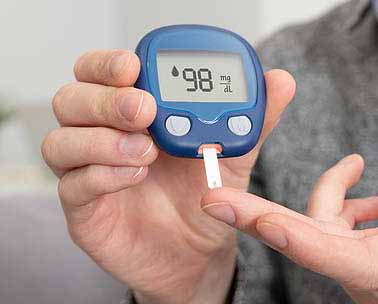
The NHS medical care improvement programme, Getting It Right First Time (GIRFT), has published its national report on diabetes care within the NHS. The report, Diabetes GIRFT Programme National Specialty Report – November 2020, says that NHS services are failing people who have type 1 diabetes, hospital inpatients with diabetes, and those with diabetic footcare […]