
Changes to the law allow claimants with long-term serious injury to claim additional costs of accommodation

The law relating to the amount of compensation that a severely injured person can claim for the extra cost of buying a home suitable for their disability has changed. The Court of Appeal has ruled that claimants whose injuries leave them with special accommodation needs over a predicted long life span can now claim the […]
What is a neonatal brain injury and how do I claim?
Neonatal care failings are putting babies at risk of brain injury and lifelong disability, according to reports by HSIB, ESMiE and NHS defence organisation, NHS Resolution. In addition, local investigations often fail to involve neonatal specialists, missing vital opportunities to identify and learn from mistakes in neonatal care. This means that parents are often left […]
HSIB’s Summary Report on Maternity Safety Themes at East Kent Hospitals University NHS Foundation Trust
This week, the families of babies who died or suffered brain injury as a result of negligent maternity care at two maternity units run by East Kent Hospitals University NHS Foundation Trust begin sharing their experiences with the panel of investigators appointed to carry out an independent inquiry. Investigations into maternity safety scandals of this […]
ESMiE (Enhancing the Safety of Midwifery-led Births) Enquiry makes recommendations for midwifery-led maternity care

In the UK, healthy women with low-risk pregnancies can choose the setting in which they want to have their baby. Increasing numbers of women are choosing to give birth in midwifery-led maternity settings, such as in an ‘alongside unit’ on the same site as an obstetric (doctor-led) unit, a freestanding (totally separate) midwifery unit or […]
Obstetric Anal Sphincter Injury (OASI) – severe vaginal tears in childbirth

The Royal College of Obstetricians and Gynaecologists (RCOG) recently announced the roll out of the OASI Care Bundle project to maternity units across the UK. The project aims to lower the number of severe vaginal tears experienced by women in childbirth. Successful trials of the project suggest that key measures, such as education on correct […]
60 seconds with a medical negligence lawyer – Julie Marsh

Over the following year we will be sharing a series of question and answer articles about our day-to-day lives in the medical negligence team. Following on from World TB Day, we asked Julie Marsh, a senior associate solicitor in the clinical negligence group, about her experience of running medical negligence claims in relation to the […]
Twin pregnancy – complications and causes of claims for compensation
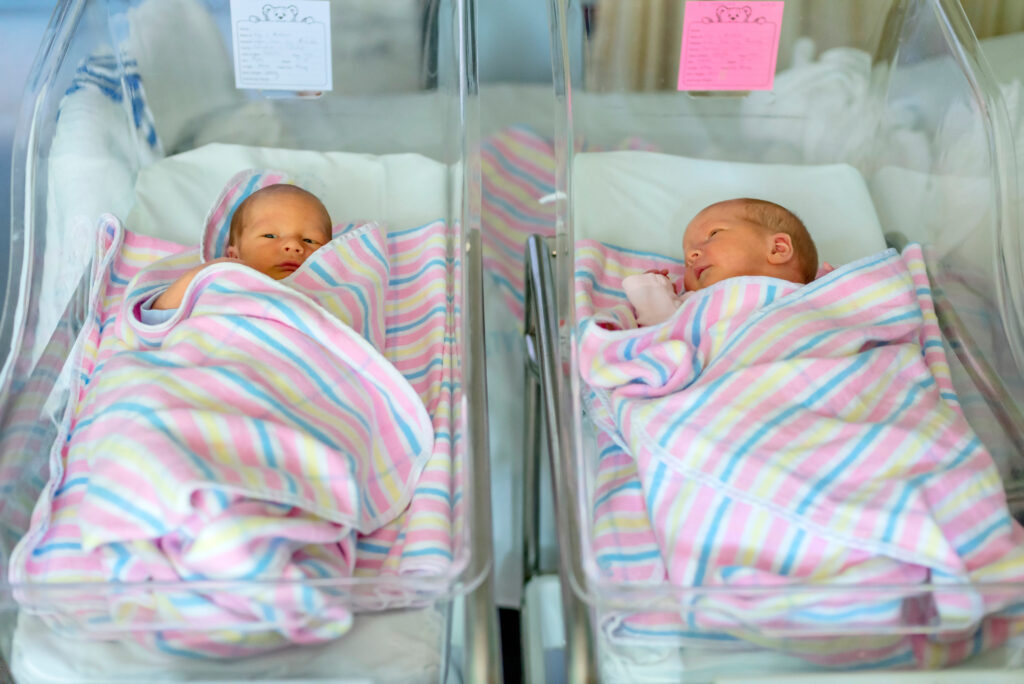
According to the NHS, twin and multiple pregnancies are becoming more common. Today, 1 in 65 births in the UK are twins or multiple babies, compared with 1 in 100 in 1984. Twin pregnancies carry greater risks for the mother and baby than ‘singleton’ pregnancies. Twin pregnancy is in itself one of the risk factors […]
Meningitis and its long-term effects

When signs of meningitis are mistaken for less serious illness, such as flu, delays in treatment put the patient at risk of permanent disability or death. For those who survive the disease, the long-term effects of meningitis can be devastating, affecting their physical, mental, emotional and psychological health. Where the patient’s disability was avoidable but […]
Vaginal birth after caesarean section (VBAC) – risks of rupture and RCOG recommendations

When a woman who has previously had a caesarean section is advised to have her next baby by vaginal (VBAC) delivery, she may be at risk of uterine rupture. RCOG guidelines require maternity teams to follow specific safety measures when planning or carrying out ‘vaginal birth after caesarean section’ or VBAC for the safety of […]
Vitamin K deficiency bleeding – Why newborn babies need Vitamin K

We are all familiar with everyday vitamins, such as vitamins A, B, C, D and E, but how much do you know about vitamin K? Most adults who are eating a healthy diet will never need extra vitamin K because their bodies produce enough of it naturally. For babies, it’s a different story. They are […]