
Compensation claims for loss of vision from glaucoma and retinal detachment

Glaucoma and retinal detachment are common, natural causes of visual impairment but with correct and timely treatment the patient’s eyesight can often be preserved. Negligent mistakes or delays in the diagnosis and treatment of these common conditions can damage the patient’s eyesight, leaving them blind or partially sighted with a significant impact on their independence […]
Court approval hearings after settlements in injury claims for children

Settlements in injury compensation claims for children and young people under the age of 18 cannot be finalised until they have been approved by the court. This enables the court to ensure that any settlement that has been agreed on behalf of an injured child provides full and fair compensation for their injury and its […]
Anaesthetic negligence brain injury claims
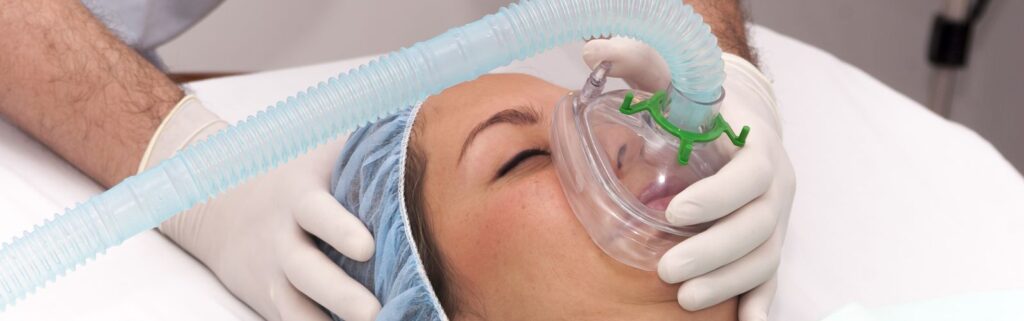
Modern anaesthesia is generally regarded as both sophisticated and safe. Most types of injury which occur during or after surgery arise from factors that are not directly related to the anaesthetic. However, if a patient suffers a brain injury during an operation, their family should seek specialist legal advice about whether there might be a […]
Neonatal brain injury from hypoglycaemia can my child claim compensation?

If your newborn baby’s brain was injured by hypoglycaemia (low blood sugar) during their hospital care in the days after their birth, they may be able to claim compensation. What is neonatal hypoglycaemia? Hypoglycaemia means low blood sugar (also known as blood glucose). When a newborn baby’s blood sugar drops below safe levels, this is […]
Medical negligence claims from errors in post-operative care

Whilst surgery may often be the most effective treatment for a medical condition, patients and their doctors all accept that surgical procedures inevitably have an element of risk. Surgeons and anaesthetists must assess each patient’s risk before they have an operation, taking into account the patient’s condition and the type of surgery that is being […]
Perineal tears and OASI injuries in childbirth can I claim compensation?

The Royal College of Obstetricians and Gynaecologists (RCOG) estimates that up to 90% of women suffer vaginal or perineal tears or grazes during childbirth. For most women, although painful at the time, these wounds heal without any long-term problems. For those who suffer more severe and extensive perineal tears, the consequences can be life-changing, including […]
Anaphylaxis medical negligence claims – compensation for serious injury from severe allergic reaction

If you have suffered life-changing injury from anaphylaxis (severe allergic reaction) caused by medical negligence, Boyes Turner’s clinical negligence solicitors can help you claim compensation. Most people, particularly parents of young children, are aware of allergies to food, such as nuts, shellfish and dairy produce but the risks of anaphylactic reactions to medicines and medical […]
What happens after liability judgment in a medical negligence claim?

The aim of compensation in a medical negligence claim is to put the injured person back in the position that they were in before their injury occurred. Whilst we acknowledge that things can never be the same after severe life-changing injury, our experienced solicitors know how and when to take important steps which can help […]
Breech birth injury claims – what are the RCOG guidelines?

Mismanaged vaginal breech births, in which the baby is born bottom-first or foot-first instead of head-first, are a common cause of high-value, birth injury compensation claims. As the numbers of vaginal breech deliveries have declined in favour of caesarean births, so has the skill and experience of the junior obstetricians (childbirth doctors) who are left […]
Can a birth injury claim provide a better family home for a child with cerebral palsy?

Specialist birth injury and cerebral palsy solicitor, Susan Brown, has over 30 years of experience in birth injury claims and is recognised by Legal 500 and Chambers Directory as one of the leading medical negligence lawyers in the UK. In this article, we asked Susan about one of the most important concerns for a family whose […]