
Traumatic injury from impacted fetal head (IFH) during caesarean birth in the second stage of labour
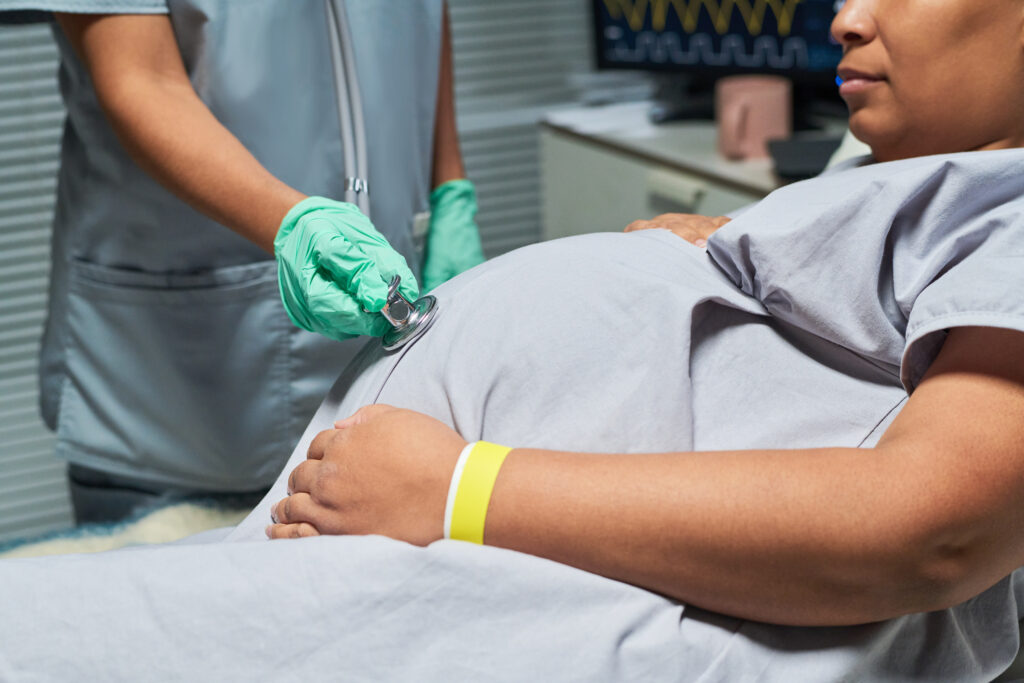
Impacted fetal head (IFH) is a complication of childbirth in which the unborn baby’s head (or fetal head) becomes wedged or impacted within the mother’s pelvis. Traumatic birth injuries from impacted fetal head (IFH) during caesarean births in the second stage of labour have risen dramatically in recent years. UK research studies suggest that IFH […]
What are the risks of vaginal birth after caesarean section (VBAC)?

When a pregnant woman is advised to have a vaginal delivery after her previous child was born by caesarean section, she must be properly informed and her labour carefully managed to reduce her risk of uterine rupture. Guidelines by the Royal College of Obstetricians and Gynaecologists (RCOG) require safety measures to be followed by maternity […]
What is hypoxic ischaemic encephalopathy (HIE) and what does it mean for my child?

Hypoxic ischaemic encephalopathy (HIE) is a type of brain injury. It is caused by a shortage of oxygen in the blood supply to the brain. Hypoxic brain injury has many causes and can affect people of all ages, but most HIE claims for children arise from hypoxic birth injury. In babies, brain injury from HIE […]
Compensation for a disabled child

If you’re considering making a compensation claim for a disabled child you might be wondering how much your child’s claim is worth. When caused by medical negligence, serious neurological injuries such as cerebral palsy or other types of birth, neonatal or childhood brain injury can attract substantial compensation awards. The brief facts that can be disclosed in […]
Cooling for newborn babies with HIE brain injury

When a baby is born with hypoxic ischaemic encephalopathy (HIE) brain injury from lack of oxygen before, during or immediately after birth, the severity of their injury and their chances of survival will determine whether they should be treated with cooling. Cooling is a standard treatment with remarkable benefits in reducing disability for babies born […]
What is the personal injury discount rate (PIDR)?

The personal injury discount rate (PIDR) is an actuarial tool that helps lawyers calculate the amount of compensation that should be paid to an injured claimant in a medical negligence or personal injury claim. The PIDR is used to adjust the amount of compensation that an injured claimant will receive for future expenses or financial […]
What are periodical payment orders (PPO) in medical negligence claims?

A periodical payment order or PPO is a structured method of paying compensation, commonly used to provide for the lifelong care needs of a severely disabled child in a cerebral palsy, birth injury, or neonatal brain injury claim. A PPO requires the defendant to pay the injured claimant a regular income, at a pre-determined, agreed […]
What medical records do I need for a birth injury claim?

When a child is injured during birth, parents often find themselves navigating a whole new, unknown area. Not only do they have to try to come to terms with often quite traumatic circumstances, but they usually also have many unanswered questions about what might have gone wrong. If you are considering a birth injury claim, […]
How to win a Cauda Equina claim – Q&A with a Cauda Equina Solicitor

Cauda equina syndrome (CES) is a rare but serious medical emergency. When the nerves at the base of the spinal cord become compressed, the consequences can be life‘changing. Prompt diagnosis and urgent decompression surgery can prevent permanent damage to a patient’s bowel, bladder, sexual function and mobility. Delays at any stage of NHS assessment, including […]
I have cerebral palsy – Am I too old or too young to make a cerebral palsy claim?

When negligent maternity or neonatal care leaves a child with cerebral palsy, the right to claim compensation for their injury belongs to the child. Growing public awareness of patients’ rights to claim for birth injury compensation means that it’s now increasingly common for claims for brain-injured children to be made in the child’s early years, […]