
Living with Erb’s palsy or brachial plexus nerve injury

If your child has partial or complete paralysis in one arm after a difficult or traumatic birth, they may be suffering from Erb’s palsy, a condition that is commonly caused by negligent birth injury to their brachial plexus nerves. What is the brachial plexus? The brachial plexus is a network of five nerves, including four […]
Birth injury compensation claims from Syntocinon and uterine hyperstimulation and rupture in labour
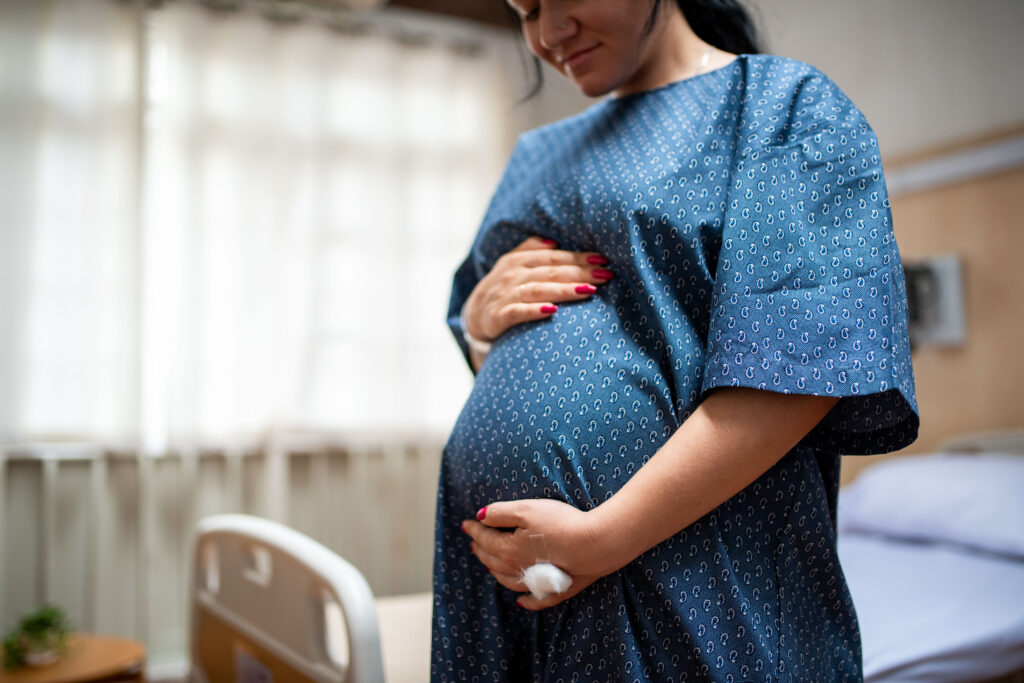
Syntocinon errors, hyperstimulation and uterine rupture during childbirth can cause severe injury to both mother and baby, and often lead to cerebral palsy and birth injury claims. In recent years, Boyes Turner’s specialist birth injury and cerebral palsy solicitors have recovered over £80 million in compensation for clients who have suffered devastating injury from hyperstimulation, uterine […]
Can meconium aspiration cause brain injury?
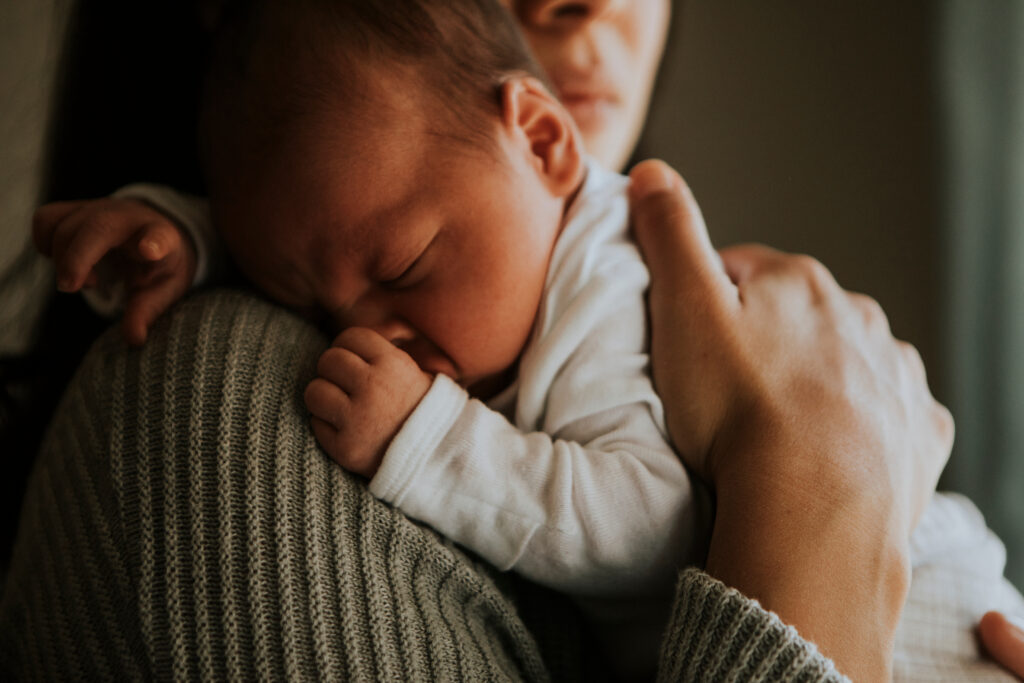
Meconium can be both a sign and a cause of oxygen deprivation in a newborn baby. In the absence of careful management during labour and delivery and immediately after birth, meconium can lead to brain injury, cerebral palsy and permanent disability. What is meconium? Meconium is the name that is given to a newborn baby’s […]
Hyponatraemia – brain injury from low blood sodium caused by fluid monitoring errors in childbirth

If a mother is allowed to drink too much water during childbirth, her blood can become dangerously short of sodium (salt). This leaves both the mother and her new baby at risk of serious neurological injury from a condition called hyponatraemia. Correct fluid management is a basic element of the midwife’s role during her patient’s […]
Professional negligence and compensation after solicitors’ mistakes in medical negligence claims

When healthcare mistakes cause life-changing disability leaving us dependent on medical negligence compensation for support, we put our trust in our solicitors’ capability to advise us correctly and act competently and professionally on our behalf. Where a solicitor fails to meet those expectations, whether from lack of expertise or by inadvertent mistakes, their negligence can […]
Can I claim compensation for a birth injury in the UK if I now live abroad?

If a child has cerebral palsy or neurodevelopmental disability from a birth injury or neonatal injury caused by negligent healthcare in England or Wales, they can claim compensation. There are also limited circumstances in which a birth injury abroad may give rise to a compensation claim under English law, such as where the baby was […]
Can teenagers and young adults claim compensation for cerebral palsy from birth injury?

Teenagers with cerebral palsy or neurodevelopmental disability can claim compensation if their disability was caused by negligent midwifery or medical care immediately before, during or soon after their birth. If you are a teenager or young adult with cerebral palsy and are looking for advice on when, if and how you should make your claim, […]
Client story: learning to live with life-changing sight loss in one eye

Patients with loss of vision in one eye are often advised that they will adjust to the change within a few months to a year or two after the injury. For many, like my client Peter, their sense of loss is lasting and profound, as they learn to live with vulnerability and loss of independence. […]
Can I ask for a second opinion from a specialist birth injury lawyer after a rejected or abandoned claim?
Boyes Turner’s birth injury lawyers recently secured full compensation for two children with cerebral palsy whose families had previously been advised by their solicitors to abandon their claims. Both families contacted us for a second opinion several years after their claims had been closed. In both cases, our specialist re-investigation of their claims led to […]
Was my child’s Cerebral Palsy caused by medical negligence?

Learning that your child has cerebral palsy can be overwhelming. Many parents describe feeling a mixture of shock, grief, confusion and worry about what the future may hold. Alongside these emotions, it is very common to ask questions about why this has happened and whether it could have been prevented. If you are wondering whether […]