Meningitis remains one of the most feared infections affecting children, teenagers and young adults. It can strike suddenly, progress rapidly, and even in otherwise healthy individuals can cause devastating consequences within hours.
Among the different types of meningococcal disease, Meningococcal Group B (MenB) remains one of the leading causes of bacterial meningitis in the UK and is responsible for deaths and life-changing disabilities every year.
What is MenB?
MenB is caused by Neisseria meningitidis group B bacteria. It can lead to meningitis (infection of the lining surrounding the brain and spinal cord) and septicaemia (blood poisoning). Both conditions are medical emergencies requiring immediate treatment.
Symptoms can include:
- Fever
- Severe headache
- Neck stiffness
- Vomiting
- Sensitivity to light
- Confusion
- Drowsiness
- A rash that does not fade under pressure
However, symptoms are often mistaken for less serious viral illnesses in the early stages, making rapid recognition and treatment critically important.
The devastating impact of delayed diagnosis
Time is everything when meningitis is suspected.
The disease can progress with alarming speed. A delay in diagnosis or treatment can be the difference between a full recovery and catastrophic injury. Even with prompt medical care, meningococcal disease can prove fatal.
For survivors, the consequences can be lifelong, including:
- Limb amputations
- Brain injury
- Hearing loss
- Visual impairment
- Epilepsy
- Cognitive difficulties
- Psychological trauma
- Permanent neurological disabilities
Families affected by meningitis frequently describe how a previously healthy child or teenager became critically ill within a matter of hours. The physical, emotional and financial implications can last a lifetime.
Meningitis Now’s campaign: “No Plan B for MenB”
Meningitis Now has been leading calls for wider protection against MenB through its “No Plan B for MenB” campaign. The charity highlights a simple but powerful message: while effective vaccines exist, too many people who are at risk remain unprotected.
The charity is campaigning for:
- Protection for those at greatest risk of MenB disease.
- A routine adolescent MenB booster programme.
- Improved access to MenB vaccination.
- Greater public awareness of the dangers of meningitis.
Meningitis Now’s position reflects the experiences of families who have lost loved ones or who live every day with the consequences of severe meningococcal disease.
How has the Kent outbreak changed the national conversation
In early 2026, Kent experienced what health authorities described as the largest and fastest-growing MenB outbreak seen in the UK. Multiple cases were identified, numerous individuals required hospital treatment, and tragically two young people died.
The outbreak centred around educational settings and student populations, prompting an emergency public health response that included antibiotic prophylaxis and targeted vaccination programmes. Vaccination eligibility was expanded to groups considered at increased risk as part of efforts to control the outbreak.
Importantly, the outbreak also led the Government to request a fresh review from the Joint Committee on Vaccination and Immunisation (JCVI) regarding wider MenB vaccination for adolescents.
JCVI recommends extending MenB protection
Following its review, the JCVI recommended significant changes to MenB vaccination policy.
In July 2026, the JCVI advised that:
- Teenagers should routinely receive MenB vaccination at around age 15.
- Young people vaccinated as infants should receive a booster dose.
- Those who were never eligible for infant vaccination should receive a two-dose course during adolescence.
- Catch-up programmes should be introduced so that young people do not miss the opportunity for protection.
These recommendations reflect emerging evidence and the recognition that adolescence is a period of increased susceptibility to meningococcal disease.
The Government is now considering those recommendations, but many campaigners and healthcare professionals argue that implementation should proceed without delay to close the existing protection gap.
Why university students are at particular risk
Young people entering university face a unique combination of risk factors.
Student life often involves:
- Shared accommodation
- Close social contact
- Large gatherings
- Increased exposure to new social groups
These environments make it easier for meningococcal bacteria to spread between individuals.
As a result, university students have long been recognised as a higher-risk group for meningococcal disease.
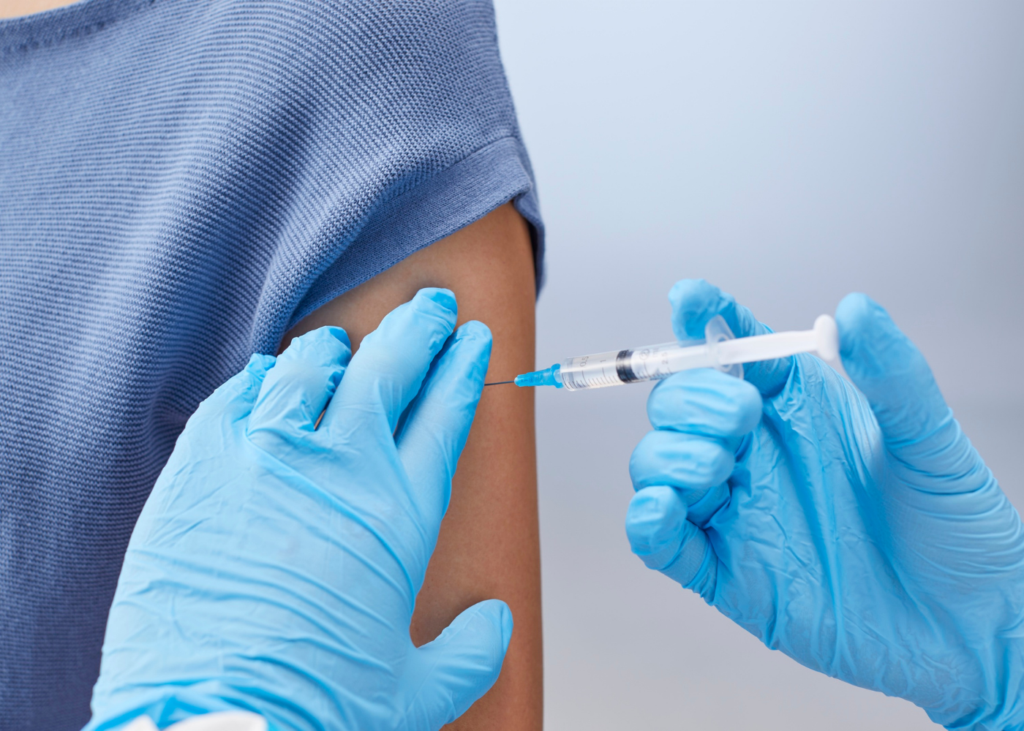
Recognising this risk, a one-off MenB vaccination programme was introduced recently for Year 13 pupils and young people under 25 entering university or residential further education for the first time.
Two doses are essential
One of the most important messages for students and parents is that full protection requires both doses of the vaccine.
Health authorities have emphasised that:
- Two doses are required for optimal protection.
- The doses must be administered at least 28 days apart.
- Students should arrange vaccination early enough to receive both doses before leaving for university.
Receiving only the first dose may leave individuals inadequately protected at the very time they are entering a higher-risk environment.
A preventable tragedy
The most compelling fact about MenB disease is that many cases could be prevented through vaccination.
Every death from meningitis is a tragedy. Every survivor living with brain injury, hearing loss, amputations or other lifelong complications is a reminder of the devastating impact this disease can have. Yet MenB vaccination offers an effective opportunity to reduce those risks significantly.
The Kent outbreak demonstrated that meningococcal disease remains a real and present danger. The JCVI’s recommendations represent an important opportunity to strengthen protection for future generations, while current university entrants should ensure they receive both vaccine doses before starting their studies.
For meningitis, prevention is always better than treatment — because when this disease strikes, there may not be a second chance.
Read more about the MenB vaccine for students and young people.
If you or a loved one has been affected by a delay in diagnosis or treatment of meningitis, then please contact us.
Written by

Julie Marsh
Julie is a partner within Boyes Turner’s outstanding medical negligence team. She specialises in high value and complex claims for clients whose lives have been changed by cauda equina (CES) and spinal cord injury (SCI), amputation, brain injury and disability caused by infections such as meningitis, sepsis and tuberculosis (TB).
Share this article:
Contact us
If you would like advice regarding a delay in diagnosis or treatment of meningitis, please complete the form and one of our experts will be in touch as soon as possible.
Rather give us a call:
Related insights

Podcast
Video
What you need to know about neonatal meningitis claims

Podcast
Video
Who is at risk of meningitis?

Podcast
Video
What is tuberculosis (TB) and can it be treated?
Podcast
Video
Five common reasons why babies are admitted to SCBU, NNU or NICU

Podcast
Video
Blindness and visual impairment in neurological injury claims
Podcast
Video
My child suffered meningitis brain damage was it negligence?
Podcast
Video
How meningitis can cause permanent brain damage: a guide for families affected by medical negligence

Podcast
Video
Brain injury from meningitis – understanding its effects on speech, language and communication

Podcast
Video
WHO publishes new global guidelines for the diagnosis, treatment and care of meningitis

Podcast
Video
Serious infections linked to limb loss and amputation
A leading UK firm with over 30 years’ experience









Stay informed with insights from Boyes Turner
Sign up to receive the latest legal updates, expert commentary, and practical guidance tailored to your interests.