Head & brain injury claims

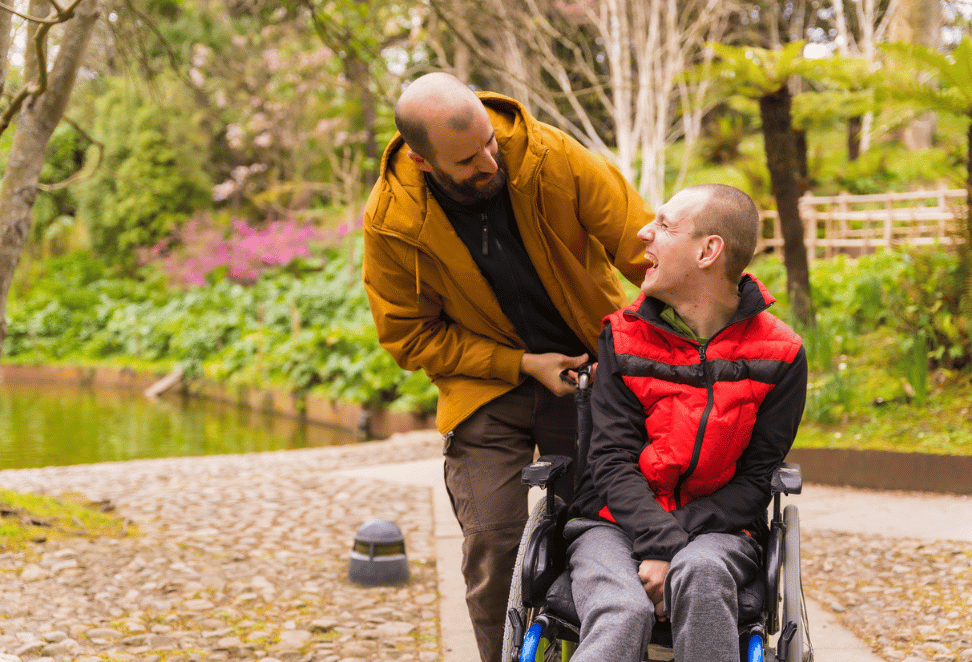
Specialist support for people living with brain injury.

For more than 30 years, Boyes Turner’s specialist head injury solicitors have guided individuals and families affected by head injury and traumatic brain injury through the claims process to secure the compensation, rehabilitation and specialist support that they need to maximise recovery, restore independence and rebuild their lives.
We support families through each stage of their adjustment to life after a brain injury. The earlier you contact us, the sooner we can make a difference when and where it matters most, focussing first on recovery, through seamless, coordinated rehabilitation towards a return to independent living. Alongside rehabilitation, we secure early interim payments to ease the financial hardship which often follows a devastating injury, and maximum compensation settlements which provide for the injured person’s lifelong needs.
For advice about claims relating to brain injury caused by medical negligence, contact our medical negligence or cerebral palsy claims specialists.
- Nationally recognised personal injury specialists with decades of experience
- Access to leading medical experts and rehabilitation professionals
- Proven track record of securing life-changing compensation
- Dedicated support from initial enquiry through to settlement
- No upfront costs and claim through a no win no fee agreement
Head & brain injury claims
Contributory negligence claims & compensation
Fatal accident claims
Injuries from falls and falling objects claims
Multiple injuries & major trauma claims
Rehabilitation after injury
Road traffic accident claims & compensation
Spinal injury claims and compensation
Sports injury & leisure accidents claims
Starting your head & brain injury claim
It costs nothing to talk to us to find out more about making a head injury claim for yourself or a member of your family. You can contact us by for free, confidential advice from a personal injury solicitor. In serious injury cases, we often visit our clients in the hospital or at their home if they are unable to get to our offices.
We will ask you to tell us briefly about the accident and injury. We will advise you about any time limits that may apply and whether we can help you make a claim. Your solicitor will discuss with you how your claim will be funded and advise, fully and clearly, how that works and what it will mean for you. We offer a range of funding options, but most of our clients’ claims are handled on a ‘no win, no fee’ basis.
We will put your claim to the defendant individual or organisation whose negligence caused your injury, and we will handle all communication on your behalf. The defendant’s insurers usually handle the claim for the defendant and are responsible for paying any compensation.
Once we are in contact with the defendant’s insurers, we can begin to secure the necessary rehabilitation and specialist support to meet the injured person’s immediate needs whilst we proceed with the claim.

No win, no fee
No hidden or upfront costs. Clear, straightforward advice. Nothing to pay unless your claim is successful.
Over 30 years’ experience
We have helped thousands of clients claim compensation.
Fully regulated
Authorised and regulated by the Solicitors Regulation Authority.
Head & brain injury claims FAQs
What are head injury claims?
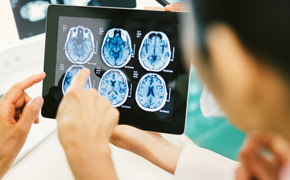
Head injury compensation claims relate specifically to injuries to the head, skull and brain suffered in accidents and incidents caused by someone else’s negligence or violent behaviour. Other terms for brain injury disability that are sometimes used in head injury claims include acquired brain injury (ABI) or traumatic brain injury (TBI).
Acquired brain injury or ABI is a general term which refers to any type of damage to the brain which occurs at any time after birth and, therefore, is not the result of a genetic or congenital disorder. The effects of ABI, and their duration, depend on the type of injury and its cause, but can result in physical, emotional, behavioural or cognitive disability. Acquired brain injuries may be traumatic or non-traumatic, depending on how the injury occurred.
Traumatic brain injury or TBI is a specific type of acquired brain injury (ABI) that is caused by an external jolt or physical blow to the head. An injury to the brain that is caused by physical trauma or impact to the head can be described as both acquired brain injury (ABI) and traumatic brain injury (TBI) or simply ‘head injury’.
Hypoxic brain injury is a type of ABI that is caused by oxygen deprivation. Hypoxic brain injury is not a head injury and is more commonly associated with medical negligence claims. However, hypoxic brain injury can be also caused by drowning, carbon monoxide, smoke inhalation or electrocution in accidents at work, on holiday, or as a result of defective appliances and products, leading to personal injury acquired brain injury (ABI) claims.
What type of accidents lead to head injury compensation claims?
If you or a member of your family have suffered a brain injury in an accident that was caused by your employer, another road user or an organisation that owed you a duty of care, you may be entitled to funded rehabilitation and compensation.
Accidents which are often wholly or partly caused by negligence, leading to head injury or brain injury claims, include:
- road accidents;
- accidents at work;
- falls;
- sports and leisure accidents;
- accidents in schools;
- accidents in hotels, on holiday or abroad;
- accidents in public places;
- injuries from criminal or unlawful behaviour.
What type of road accidents lead to head injury compensation claims?
Head injury compensation claims often arise from road traffic accidents (RTAs) which involve:
- pedestrians hit by a moving vehicle;
- collisions involving cyclists or their injured passengers;
- collisions involving e-scooter riders or their passengers;
- motorcyclists and pillion passengers injured in accidents or collisions;
- drivers and passengers in cars, vans or lorries, taxis or on buses or coaches;
- injured victims of hit-and-run or uninsured drivers (MIB claims);
- road users injured by unsafe road conditions (council or highways agency claims).
What type of accidents at work lead to head injury claims?
Head injury claims for compensation for brain injury disability are often made against employers after accidents at work caused by:
- unsafe practices on construction or building sites;
- unsafe machinery or practices in a factory, warehouse, or workshop;
- unsafe working conditions on farms;
- unsafe conditions for working at heights;
- unsafe conditions or equipment in commercial kitchens;
- co-worker negligence;
- claims by service personnel against the MOD.
What types of holiday or leisure accidents lead to head injury and brain injury claims?
Accidents on holiday, abroad or at leisure which lead to head injury and brain injury compensation claims often involve:
- unsafe conditions in a public building or facility;
- unsafe holiday accommodation, such as hotels or rented apartments;
- accidents whilst travelling on ships, planes, trains, taxis, helicopters and other vehicles;
- unsafe practices or facilities during organised entertainment or sporting events.
What type of injury or disability can lead to a head injury compensation claim?
Each person’s head injury compensation claim depends on the severity and extent of their injury and ongoing disability. Over time, people can sometimes make a full physical recovery after a minor head injury, but many people with brain injury suffer lifelong, physical, cognitive, and emotional problems that have a major impact on everyday life.
Head injury can cause devastating physical injury, such as:
- death;
- coma, persistent vegetative state (PVS) or minimally aware state of consciousness;
- skull and facial fractures;
- problems with mobility and movement, walking, balance and coordination;
- muscle weakness, paralysis, tremors and clumsiness;
- difficulties with speech, language and communication;
- sensory impairment, such as loss of taste and smell, hearing or eyesight;
- epilepsy.
Head injury can also lead to less obvious or hidden brain injury disability from;
- headaches;
- excessive tiredness or fatigue;
- cognitive problems with;
- memory and concentration;
- visual perception;
- information processing;
- lack of insight and understanding (empathy);
- reasoning;
- perseveration (repetitive thinking);
- lack of motivation;
- behaviour and personality changes, such as:
- impulsiveness, disinhibition;
- mood swings, irritability, anger or frustration
- PTSD, depression, anxiety and psychological problems;
- sexual difficulties;
- hormonal imbalance (hypopituitarism).
Most of our brain-injured clients experience a combination of these problems, as well as any other injuries from their accident (such as major trauma or chronic pain). These injuries, even if ‘hidden’, affect their mobility and dexterity and their ability to work, return to their former hobbies or activities, or look after themselves and live safely and independently.
What are the time limits for making a head injury claim?
In most personal injury claims relating to injuries which occurred in England or Wales, court proceedings must be issued (formally started) within three years of the date of the injury. There are some exceptions to the three-year limitation deadlines:
- A child’s three-year time period only begins to run from the age of 18, meaning that their limitation deadline expires when they reach the age of 21.
- Adults who lack mental capacity to make their claim have no limitation deadline. Where an injured person’s mental capacity is uncertain, we work closely with our Court of Protection team to determine whether our client has capacity to bring their own claim.
- In exceptional circumstances, the court may extend the limitation deadline, such as in asbestos-related disease claims where it was not known that an injury had occurred until after the deadline for making the claim.
- If the injury occurred in an accident abroad, the law of the country where the accident happened will usually set the time limit for making a claim. These time limits vary from country to country and can be much shorter than the deadlines in England and Wales. If you have suffered a serious injury that was not your fault whilst working, travelling, studying or on holiday abroad, you should contact us for advice straight away.
- Claims against the Motor Insurers’ Bureau (MIB) and the Criminal Injuries Compensation Authority (CICA) are also subject to significantly shorter deadlines and may be rejected if there is any delay.
Failing to issue personal injury proceedings within the limitation deadline can have serious consequences and may result in the injured person losing their right to make a compensation claim. We recommend that you contact us for free advice as soon as possible after your injury to enable our personal injury claims solicitors to protect your entitlement to compensation and assist in your rehabilitation and recovery.
How much compensation can I claim for head injury?
Our personal injury solicitors specialise in compensation claims for people who have suffered severe, life-changing injury and disability. We usually secure funding long before settlement of the claim to meet our severely brain-injured clients’ urgent need for rehabilitation to provide the best chance of recovery, restored independence and the ability to participate in a fulfilling life.
We also obtain interim (advance) payments to meet other urgent needs, such as paying for home adaptations to suit our client’s disability, specialist equipment or easing financial hardship arising from lost earnings.
The amount of compensation that each of our clients receives depends on their injury and disability and its impact on their life. We ensure that each client’s claim is carefully calculated to meet their needs arising from their disability and replace their financial losses. The final value of the claim will reflect the injured person’s need for rehabilitation, specialist equipment, treatment, lifelong care or adapted accommodation, as well as their predicted lifespan.
Our clients’ head injury claims often include compensation for:
- pain, suffering and disability;
- costs of care and case management;
- rehabilitation – often funded directly by the defendant’s insurer;
- therapies, such as:
- occupational therapy (OT);
- physiotherapy;
- speech and language therapy (SALT);
- psychological counselling;
- pain management;
- medical or surgical treatment;
- adapted vehicles, wheelchairs and mobility aids;
- additional costs of adapted accommodation;
- specialist aids, equipment and assistive technology (IT);
- loss of earnings and pension;
- support with vocational or special educational needs (SEN);
- Court of Protection deputyship.
Can I access funded rehabilitation in a head injury claim?
The Rehabilitation Code of Practice encourages solicitors representing injured clients and defendants’ insurers to prioritise the injured person’s need for rehabilitation during their personal injury claim. As specialists in claims arising from head injury, brain injury and major trauma, we know from countless clients’ experience the difference that timely, seamless and coordinated rehabilitation can make to a severely injured client’s recovery and independence.
Many families come to us after their loved ones have suffered a devastating head injury in an accident and need rehabilitation in a specialist unit. If we are instructed while the injured person is still in hospital, we work with the defendant’s insurers, the medical team and our experienced brain injury case managers to ensure that the injured person receives coordinated care and a seamless, timely transition to personalised rehabilitation, supported by our expert team and funded by the defendant’s insurers.
Making a head & brain injury claim
We understand how daunting it can feel to take the first step. Our specialist peronal injury solicitors are here to guide you through every stage.

Getting in touch
Call us or complete our online form to receive free, confidential advice from one of our specialist head and brain injury solicitors. We will listen carefully to your circumstances, explain your legal options in clear and straightforward terms, and advise whether you have a claim and how we can help you move forward.

Supporting your claim
Our specialist solicitors will gather the evidence needed to support your claim, including medical records, witness statements, accident reports, and expert opinions where required. They will establish how the accident happened, who was responsible, and the impact your head or brain injury has had on your life. Where appropriate, we can also seek an interim payment to help meet your immediate needs.

Securing compensation
Our solicitors work to secure the maximum compensation possible as quickly as possible. We aim to ensure you have the financial support you need for rehabilitation, specialist neurological treatment, therapies, care, specialist equipment, adapted accommodation, lost earnings, and any other assistance required to support your recovery and future wellbeing.
Contact us
If you would like advice regarding a serious injury or illness affecting you or a loved one, please complete the form and one of our experts will be in touch as soon as possible.
Rather give us a call:
Our head & brain injury claims

Podcast
Video
£5.1 million settlement plus £140,000 insurer-funded rehabilitation for sports car driver injured in road crash
Podcast
Video
£7 million settlement after ‘car-surfing’ accident leads to brain injury

Podcast
Video
£1 million settlement for head-injured man plus compensation for his family after RTA in France

Podcast
Video
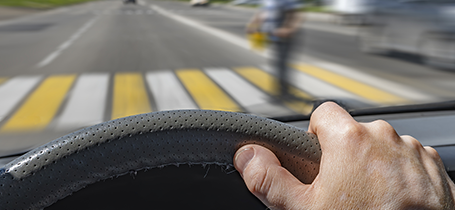
£3 million compensation plus £225,000 funded rehab for young woman hit by speeding driver on pedestrian crossing

Podcast
Video
£3million compensation secured from CICA (Criminal Injuries Compensation Authority) for 13-week-old shaken baby
Podcast
Video
£110,000 settlement for cyclist hit by a vehicle leaving a slip road
Podcast
Video
£1,825,000 settlement and £150,000 rehabilitation for pedestrian after speeding driver leaves him with brain injury

Podcast
Video
£220,000 settlement after accident at work causes neck, back and minor head injuries

Podcast
Video
£550,000 (65%) settlement and £26,400 rehab for brain injury after fall from moving car’s boot
Podcast
Video
53 year old man was assaulted and sustained a severe head injury

Podcast
Video
Settlement for cyclist with physical and psychological injuries after collision with car on a roundabout
Our personal injury solicitors






What our clients say
You got us the best outcome and I can’t thank you enough

What our clients say
We’d like to express our thanks to Kim and the team at Boyes Turner…
What our clients say
Very good service
What our clients say
We had full confidence
What our clients say
We wish you all the very best
What our clients say
Thank you
What our clients say
Thank you for our compensation
What our clients say
Thank you so much for all you have done…
What our clients say
Thanks for everything
What our clients say
Professionalism and continued reassurance
Our clients receive the highest standards of advice and representation and are always treated with compassion, outstanding care and understanding of the physical, emotional, psychological and financial impact that life-changing injury can have upon their lives.
- We are nationally acclaimed for our personal injury expertise and the outstanding results we achieve for our clients.
- We are ranked as leading personal injury experts in the Chambers Directory and Legal 500 guides to the legal profession and are accredited for our specialist expertise by the Law Society and the Association of Personal Injury Lawyers (APIL).
- Our integrated multidisciplinary team offers our clients a full range of specialist help with compensation, rehabilitation, SEN, deputyship, personal injury trusts and community care.
- We secure early, funded rehabilitation and maximum compensation in claims for adults and children who have suffered catastrophic injury, and provide practical support for their families.
Related head & brain injury insights

Podcast
Video
Concussion injuries in sport
Podcast
Video
What are interim payments?

Podcast
Video
New guideline: Rehabilitation for chronic neurological disorders including acquired brain injury
Podcast
Video
The importance of the Rehabilitation Code in personal injury claims
Podcast
Video
Brain injury campaigners call for the ‘Right to Rehab’

Podcast
Video
Rehabilitation story – Rescue, recovery and restoration after severe head injury
Podcast
Video
How much access will I get to my lawyer whilst making a personal injury claim?
Podcast
Video
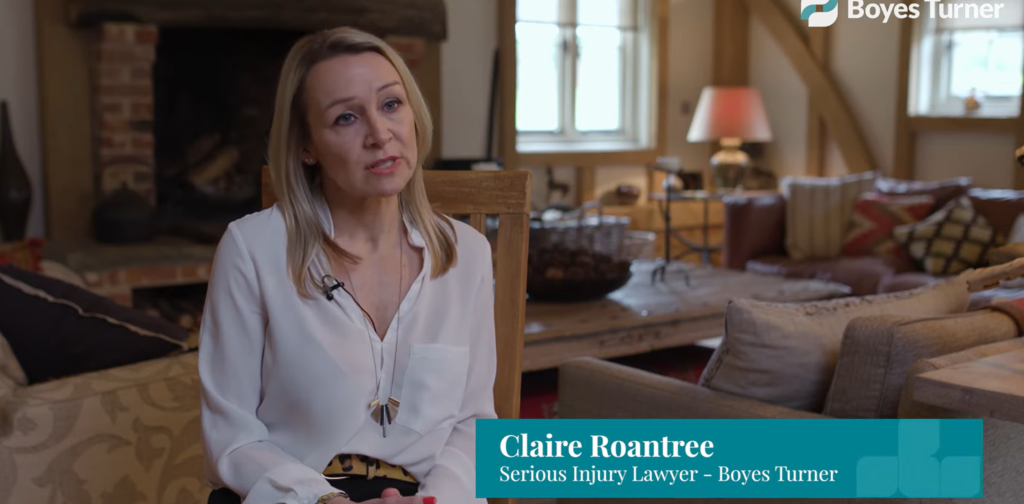
After I have sustained an injury, how will a lawyer help with my journey to recovery?
Podcast
Video
After I have sustained an injury, how will my lawyer help with the rehabilitation process?

Podcast
Video
Government launches open consultation on acquired brain injury (ABI)
Leading personal injury solicitors for over 30 years


Get help today
- Free & no obligation initial advice
- Speak directly to a solicitor
- No upfront costs & no win no fee