Work accident compensation claims

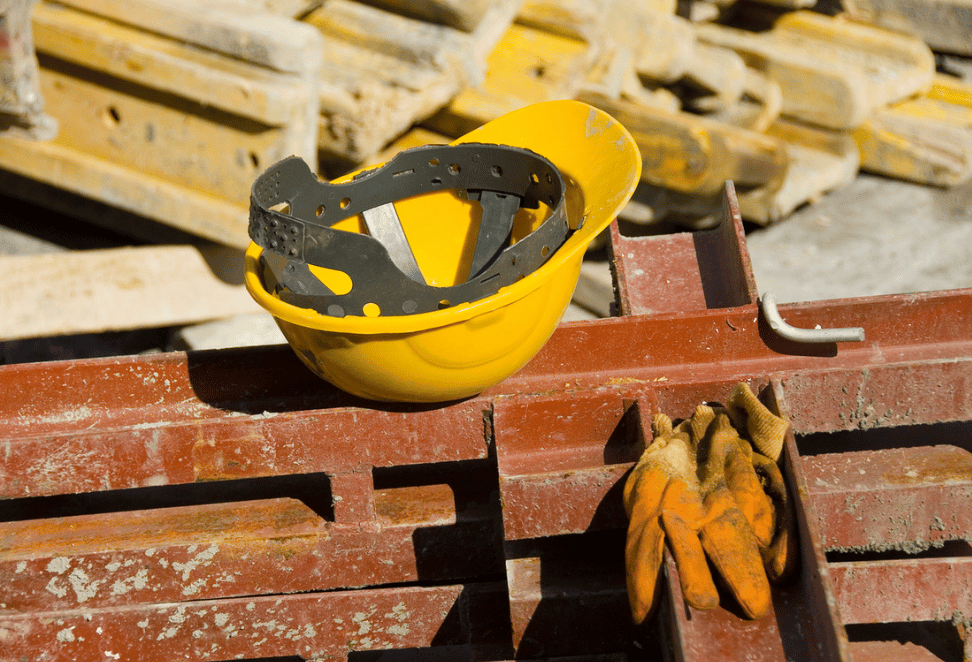
Compensation for serious injury caused by employer negligence.

Employers are required by law to take all reasonable steps to protect their employees from foreseeable accidents and injury. They are responsible for accidents caused by their own failure to protect their workers’ safety, and for injury caused by their employees’ negligence at work. Where someone is injured at work as a result of their employer’s or co-workers’ negligence, they may be entitled to claim compensation.
For over 30 years, our specialist personal injury solicitors have helped clients recover compensation and rebuild their lives after serious injury from accidents at work. We understand the health and safety (H&S) regulations which govern workplace accidents and specialise in securing funded rehabilitation and compensation for clients in claims involving complex and severe injury.
- Nationally recognised personal injury specialists with decades of experience
- Access to leading medical experts and rehabilitation professionals
- Proven track record of securing life-changing compensation for families
- Dedicated support from initial enquiry through to settlement
- No upfront costs and claim through a no win no fee agreement
Accident at work claims
Accidents in schools claims
Defective product liability claims
Farming & agriculture injury claims
Garage and motor vehicle repair
Injuries from falls and falling objects claims
Sports injury & leisure accidents claims
Warehouse & factory accident claims
Workplace accidents in construction
Starting your work injury compensation claim
It costs nothing to talk to us to find out about making a personal injury claim for yourself or a member of your family. You can contact us for free, confidential advice from a specialist personal injury solicitor. In serious injury cases, we often visit our clients in the hospital or at their home if they are unable to get to our offices.
We will ask you to tell us briefly about the accident and injury. We will advise you about your time limits and whether we can help you make a claim. Your solicitor will discuss with you how your claim will be funded and advise, fully and clearly, how that works and what it will mean for you. We offer a range of funding options, but most of our clients’ claims are handled on a ‘no win, no fee’ basis.
We will put your claim to the defendant individual or organisation whose negligence caused your injury, and we will handle all communication on your behalf. The defendant’s employer’s insurers will usually handle the claim on the employer’s behalf and will be responsible for paying any compensation. Once we are in contact with the defendant’s insurers, we can begin to secure the necessary rehabilitation and specialist support to meet the injured person’s immediate needs whilst we proceed with the claim.

No win, no fee
No hidden or upfront costs. Clear, straightforward advice. Nothing to pay unless your claim is successful.
Over 30 years’ experience
We have helped thousands of clients claim compensation.
Fully regulated
Authorised and regulated by the Solicitors Regulation Authority.
Work accident compensation claims FAQs
What is a work accident compensation claim?
If you have been injured in an accident at work as a result of your employer’s negligence, you may be able to make a work accident compensation claim for your injury and its financial consequences.
The law requires employers to protect their employees from foreseeable accidents and injury. They can do this by creating and maintaining a safe working environment and safe systems of work, regularly assessing risks, and providing the training, protective clothing and equipment that their employees need to do their job. They owe their employees a general duty of care to prevent foreseeable accidents and injury, but must also comply with multiple, statutory health and safety (H&S) standards and guidelines, including those set out in the Health and Safety at Work Act 1974 and a set of regulations which are known as ‘The Six Pack’.
The key regulations include:
- Management of Health and Safety at Work Regulations 1999;
- Manual Handling Operations Regulations – on lifting and handling of heavy loads;
- Display Screen Equipment (DSE) Regulations – on use of computer keyboards and screens;
- Workplace (Health, Safety and Welfare) Regulations – on working environment, e.g. seating, lighting, heating, windows, rest areas, washing facilities, changing rooms, fire escapes;
- Provision and Use of Work Equipment Regulations – on maintaining equipment and training;
- Personal Protective Equipment (PPE) Regulations – on training and use of PPE equipment.
Where an employee is injured as a result of the employer’s failure to comply with these regulations, this can help provide evidence that the employer was negligent and prove liability in our client’s injury compensation claim.
Workplace accidents can sometimes be dismissed as carelessness, with the employee encouraged to assume that their injury was their own fault. However, if the accident was caused wholly or partly by the employer’s negligence, the injured employee may be entitled to substantial compensation.
What kinds of employer negligence lead to work injury compensation claims?
Employer negligence and health and safety (H&S) failures which commonly lead to work injury compensation claims include:
- failing to risk assess or provide safe systems of work;
- failing to comply with H&S guidelines or regulations;
- failing to inspect, maintain and repair buildings and business premises;
- failing to inspect, maintain and repair or replace machinery, vehicles, or equipment;
- failing to provide protective clothing or safety equipment;
- failing to provide adequate training, supervision and support;
- failing to put safety guards around hazards (steep drops, rooftops, scaffolding, machinery);
- toppling hazards (unsafe stacking of shelves, trolleys or vehicles, faulty ramps);
- failing to warn/sign or remove slipping hazards (oil, water, slippery floors, stairs);
- failing to remove, repair or warn about tripping hazards (wires, raised paving or carpets);
- exposing workers to hazardous or toxic substances (asbestos, chemicals, broken glass);
- road traffic accidents (RTAs) and driver negligence at work;
- armed forces/military claims for negligence against the MOD;
- violent crime and criminal injuries (workplace assaults, claims by injured police).
What are the most common causes of work accident injuries?
The most common accidents that lead to work injury compensation claims include:
- falls from heights (defective ladders or scaffolding, unguarded steep drops, rooftops);
- falls on same level (into manholes, uncovered drains);
- unsafe working practices (heavy lifting, overloaded trolleys or shelving);
- dangerous, unguarded or defective machinery and equipment;
- burns, electrocution/electric shocks, explosions;
- moving vehicle accidents (farm vehicles, forklifts, factory vehicles, delivery trucks);
- exposure to dangerous substances, toxins, chemicals, asbestos;
- slipping hazards (spillages, oil, water, slippery floors);
- tripping hazards (trailing wires, raised carpets or paving stones, debris);
- falling/moving objects and toppling hazards;
- unsafe buildings, premises, or working environments;
- untrained, unsupervised or negligent co-workers;
- violence, such as assault.
What kind of injuries lead to work accident compensation claims?
Our personal injury solicitors specialise in helping clients who have suffered severe, life-changing injury or permanent disability as a result of someone else’s negligence. We can help clients, and their families, after their employer’s negligence led to injuries such as:
- head injury, brain injury and neurological injury;
- spinal cord injury (SCI) (paralysis, paraplegia, tetraplegia) or spinal fracture;
- major trauma or multiple injuries;
- amputation;
- burns and scalds;
- degloving injuries (needing skin grafting);
- scarring and disfigurement;
- internal injuries (damage to major organs);
- severe lacerations and nerve injury;
- blindness and sight loss;
- deafness and hearing loss;
- stabbing/impaling injury;
- CRPS and chronic pain conditions;
- mesothelioma, asbestosis, pleural thickening and asbestos-related lung cancer;
- PTSD and psychological injury;
- death/fatal injury (claims for the bereaved, dependant family).
Who is at risk of suffering an accident at work or workplace injury?
Accidents can take place in any environment where an employer or business owner fails to consider the risks of accidental injuries and take reasonable steps to prevent them. However, some industries or occupations have higher rates of serious injury from workplace accidents. These include:
- construction industry (roofers, builders, building site labourers etc);
- factory and warehouse work;
- farming, agriculture, and fishing;
- transportation and storage;
- motor vehicle repair (MVR);
- manufacturing;
- catering/commercial kitchens;
- schools;
- industries historically linked to asbestos exposure (shipbuilding, carpentry, plumbing);
- police, military, armed forces, MOD.
Who can claim compensation for workplace injuries?
Business owners and employers have a responsibility to provide a safe workplace or business premises to all visitors to their site, not just full-time employees. Claims against an employer or business owner for compensation for workplace injuries caused by negligence or failure to provide a safe working environment can be made by:
- full-time or part-time employees;
- independent contractors;
- temporary or casual staff;
- self-employed workers;
- agency workers;
- visitors;
- members of the public.
We can also help recover compensation for UK residents who have been severely injured as a result of their employer’s negligence whilst working abroad.
How much compensation can I claim for a work accident injury?
Each client’s claim is carefully calculated to compensate them for their injury, its impact on their life, and to meet their additional needs arising from that injury now and in the future.
Depending on the client’s injury and circumstances, their claim may include compensation for:
- pain, suffering, and disability;
- care and case management costs;
- rehabilitation, often funded directly by the employer’s insurer;
- therapies, such as:
- occupational therapy (OT);
- physiotherapy;
- speech and language therapy (SALT);
- pain management;
- psychological treatment and counselling;
- prostheses (if needed after amputation);
- earnings and pension loss;
- specialist wheelchairs, vehicles, equipment and assistive technology (IT);
- additional costs of accommodation or home adaptations;
- medical or surgical treatment or immunotherapy (for mesothelioma);
- Court of Protection deputyship costs.
In work accident claims arising from fatal injury, the deceased’s family and dependents may be able to claim funeral costs, the statutory bereavement payment and compensation for their loss of the deceased’s income and ‘services’, such as childcare, housework, DIY and gardening.
Where the injured person’s own actions contributed to their accident or injury, they will usually still be entitled to compensation as long as their employer was partly at fault. In these circumstances, their compensation may be reduced in proportion to their own contributory negligence.
Who pays the compensation in a work accident injury claim?
Employers and business owners are required by law to have insurance in place to cover claims against them relating to injury and death. Employers (and their insurers) are also liable for injury caused by the negligence of their employees. This means that, depending on the circumstances of the accident, the injured person’s compensation may be paid by the defendant’s employer’s liability insurance, public liability insurance or motor insurance.
Claims against the Ministry of Defence are paid by the MOD (via the Armed Forces Compensation Scheme). Claims arising from injuries caused by violence may be compensated via the CICA (Criminal Injuries Compensation Authority) if there is no other responsible, insured defendant.
Making a work accident claim
We understand how daunting it can feel to take the first step. Our specialist personal injury solicitors are here to guide you through every stage.

Getting in touch
Call us or complete our online form to receive free, confidential advice from one of our specialist workplace accident solicitors. We will listen carefully to your circumstances, explain your legal options in clear and straightforward terms, and advise whether you have a claim following an accident at work and how we can help you move forward.

Supporting your claim
Our specialist solicitors will gather the evidence needed to support your claim, including medical records, witness statements, accident reports, workplace records, and expert opinions where required. They will establish how the accident happened, whether appropriate health and safety measures were in place, who was responsible, and the impact your injuries have had on your life. Where appropriate, we can also seek an interim payment to help meet your immediate needs.

Securing compensation
Our solicitors work to secure the maximum compensation possible as quickly as possible. We aim to ensure you have the financial support you need for rehabilitation, medical treatment, care, specialist equipment, lost earnings, and any other assistance required to support your recovery and future wellbeing.
Contact us
If you would like advice regarding a serious injury or illness affecting you or a loved one, please complete the form and one of our experts will be in touch as soon as possible.
Rather give us a call:

Client story
£300,000 settlement
Compensation for a roofer who fell whilst working at height.
Our accident at work claims

Podcast
Video
£3.25 million compensation plus £130,000 funded rehabilitation for farm worker’s spinal cord injury (SCI)

Podcast
Video
£250,000 settlement plus rehabilitation after unsafe riverbank work leads to Lisfranc foot injury

Podcast
Video
£125,000 compensation settlement for assaulted care worker

Podcast
Video
Compensation settlement in PTSD claim for teaching assistant assaulted by student

Podcast
Video
£120,000 compensation plus rehabilitation for chef after severe burn scald injury causes pain, scarring and PTSD

Podcast
Video
£300,000 settlement for roofer who fell from a ladder whilst working at height

Podcast
Video
£220,000 settlement after accident at work causes neck, back and minor head injuries

Podcast
Video
Compensation settlement for teacher injured at school fair
Podcast
Video
£128,000 settlement in accident at work claim for delivery driver injured by falling cage

Podcast
Video
£135,000 settlement in accident at work claim after assault leaves healthcare assistant with facial injuries, fibromyalgia and PTSD
Our personal injury solicitors







What our clients say
You got us the best outcome and I can’t thank you enough

What our clients say
Very good service
What our clients say
We had full confidence
What our clients say
We wish you all the very best
What our clients say
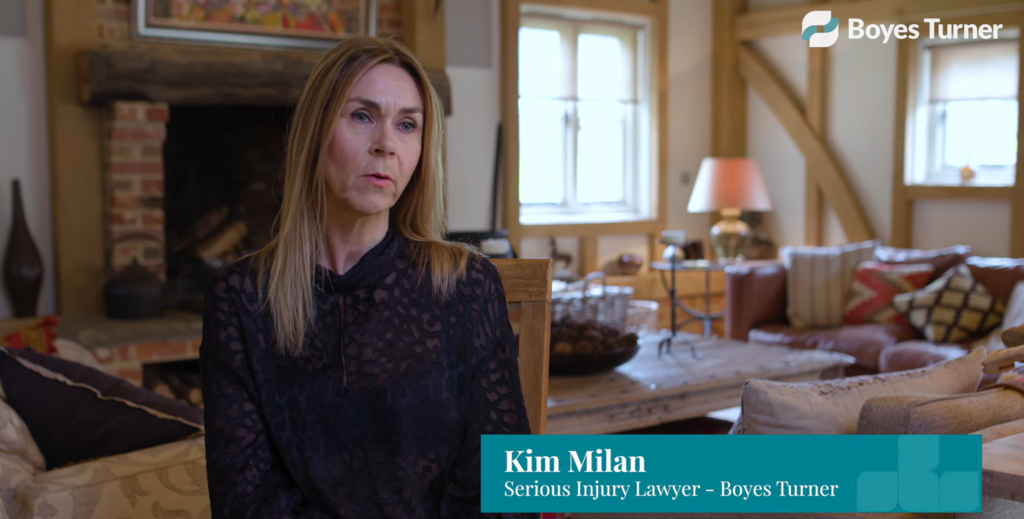
We’d like to express our thanks to Kim and the team at Boyes Turner…
What our clients say
Thank you
What our clients say
Thank you for our compensation
What our clients say
Thank you so much for all you have done…
What our clients say
Thanks for everything
What our clients say
Professionalism and continued reassurance

Our clients receive the highest standards of advice and representation and are always treated with compassion, outstanding care and understanding of the physical, emotional, psychological and financial impact that life-changing injury can have upon their lives.
- We are nationally acclaimed for our personal injury expertise and the outstanding results we achieve for our clients.
- We are ranked as leading personal injury experts in the Chambers Directory and Legal 500 guides to the legal profession and are accredited for our specialist expertise by the Law Society and the Association of Personal Injury Lawyers (APIL).
- Our integrated multidisciplinary team offers our clients a full range of specialist help with compensation, rehabilitation, SEN, deputyship, personal injury trusts and community care.
- We secure early, funded rehabilitation and maximum compensation in claims for adults and children who have suffered catastrophic injury, and provide practical support for their families.
Related accident at work insights

Podcast
Video
Concussion injuries in sport
Podcast
Video
Why should I make a personal injury claim?

Podcast
Video
Brain injury campaigners call for the ‘Right to Rehab’

Podcast
Video
Fatal accidents at work HSE releases latest 2022/23 figures

Podcast
Video
SIA’s ‘What Matters’ 2023 report: the reality of living with spinal cord injury (SCI) in the UK

Podcast
Video
Workplace Accidents: The Critical Role of Rehabilitation in Recovery

Podcast
Video
Deaths and injuries from vehicles on farms – HSE launches new safety campaign
Podcast
Video
Motor vehicle repair injury – HSE issues safety warning about working under vehicles without proper equipment
Podcast
Video
Will my lawyer stay in touch after my personal injury claim is settled?
Podcast
Video
Looking beyond the stats the impact of workplace accidents on working people’s lives
Leading personal injury solicitors for over 30 years







Get help today
- Free & no obligation initial advice
- Speak directly to a solicitor
- No upfront costs & no win no fee