
Compensation from a medical negligence or personal injury brain injury claim can be life-changing for the injured person and their family. Settlements in birth injury, acquired brain injury (ABI) and traumatic head injury claims provide essential funds to meet the injured person’s lifelong needs for care, therapies, specialist equipment and housing, and usually involve very large sums of money.
High profile cases and high value compensation settlements attract media reporting, which may identify the child, young person or vulnerable adult, resulting in unwelcome attention and interest.
Anonymity orders allow us to protect our clients’ privacy. Where children and adults are vulnerable owing to their brain injury or mental incapacity, we also protect their compensation using personal injury trusts or Court of Protection deputyship.
Anonymity FAQs
What is an anonymity order?
An anonymity order is a court order which prohibits the claimant’s name and address, or that of their family, from being identified in any reporting of the court proceedings. Boyes Turner’s specialist medical negligence and personal injury solicitors seek anonymity orders in claims where the brain-injured child or adult and their family may be vulnerable to media attention or intrusive interest from others following reporting of their case and compensation settlement.
Court hearings are open to the public which means they can be reported by the press. If a case goes to trial or a child’s or vulnerable adult’s settlement needs approval by the court, it is likely that personal and sensitive information about the injured person and their family will be discussed during the hearing.
An application for an anonymity order can protect the identity of the injured child or vulnerable adult, their family and litigation friend in relation to any reporting of the court proceedings during and after the conclusion of their claim. This means that across all court documents, the child’s or vulnerable adult’s and their family’s names and addresses will be replaced by unrelated initials, ensuring that their identity does not become public knowledge. The court order also prevents publication of any information which might lead to the identification of the vulnerable person or their family. In birth injury and other medical negligence brain injury claims, anonymity orders do not disguise the identity of the NHS trust or doctor against whom the claim is made.
Why do I need an anonymity order in a birth injury or brain injury claim?
Families of brain-injured children or adults who are making a claim often worry about whether having large sums of compensation money will make their child or adult relative vulnerable.
Common questions asked by families of children and adults with brain injury disability include:
- How can I protect my child’s personal and sensitive medical information?
- How can I avoid friends, neighbours and the general public becoming aware of the claim?
- How can I prevent unsolicited approaches for money?
- How can I avoid harassment from the press?
- How can I prevent my name and address from being published?
An anonymity order helps protect the injured person’s and their family’s privacy by legally prohibiting publication of their names and addresses in any reporting of the claim.
In addition, Boyes Turner’s brain injury solicitors ensure that each vulnerable client’s compensation is protected via a personal injury trust or Court of Protection deputyship, depending on the injured person’s individual needs and mental capacity.
How soon can I get an anonymity order in a brain injury claim?
We can ask the court to make an anonymity order at any time after proceedings have been issued.
In practise, our birth injury and neonatal brain injury solicitors usually apply to the court for an anonymity order as soon as the claim is issued. This provides the best level of protection for our vulnerable clients by ensuring that the injured person’s and their family’s names and addresses are not mentioned in any legal reports, press reports, social media or other public reporting and commenting on the claim and our client’s settlement.
Depending on the circumstances of the case, the timing of the application usually depends on how soon we expect our client to receive a substantial amount of compensation, such as from a final settlement or large interim payment.
In cases where an anonymity order might be needed, we discuss the benefits and restrictions of an anonymity order with our client and their family to decide on what’s best for the injured child, teenager or vulnerable adult. The specific needs and circumstances of the injured child or vulnerable adult and their family and concerns about other people’s interest in the vulnerable person or their compensation are common reasons for applying to the court for an anonymity order.
Can I share my story to help others if I have an anonymity order?
At Boyes Turner we take our clients’ privacy very seriously. We also recognise that our settled case reports and clients’ stories provide hope and encouragement and answer many questions for families in similar situations who are considering making a birth injury, brain injury or traumatic head injury compensation claim. We can publish helpful and informative case studies based on our clients’ experiences in cases where there is an anonymity order. We always safeguard our clients’ anonymity and privacy and only share stories which have our clients’ consent.
Recent claims with anonymity orders
Boyes Turner’s brain injury solicitors routinely secure anonymity orders for vulnerable clients. Examples of recent claims where anonymity orders protect our clients’ and their families’ identities include:
- CNZ v Royal United Hospitals Bath NHS FT – a reported birth injury trial and $45million settlement for the vulnerable claimant;
- FLR v Chandran – a successful trial for a child who was hit by the defendant’s car whilst on a pedestrian crossing;
- £27 million settlement for a child with complex neurological disability from meningitis brain injury;
- £7 million settlement for a vulnerable young man with traumatic brain injury disability from a car-surfing accident;
- £5.1 million settlement for a man in his fifties with severe brain injury disability from a road collision;
- £2.5 million settlement in a fatal medical negligence claim for the orphaned children of a woman who died from sepsis;
- Fatal injury claim for the widow and children of a pedestrian who was killed by a hit-and-run driver.
Contact us
If you would like advice regarding a serious injury or illness affecting you or a loved one, please complete the form and one of our experts will be in touch as soon as possible.
Rather give us a call:
Our brain injury claims

Podcast
Video
£5.1 million settlement plus £140,000 insurer-funded rehabilitation for sports car driver injured in road crash

Podcast
Video
£7 million settlement after ‘car-surfing’ accident leads to brain injury
Podcast
Video
£5 million lump sum, lifelong annual payments of £232,750pa for care and Treloar’s SEN funding for boy with cerebral palsy
Podcast
Video
£16 million settlement for teenager with cerebral palsy from hypoxic brain injury during delayed delivery

Podcast
Video
£19 million settlement for girl with dyskinetic cerebral palsy caused by negligent midwifery and obstetric care during labour
Podcast
Video
£3 million settlement for young man with physical disability from cerebral palsy caused by hypoxic injury at birth
Podcast
Video
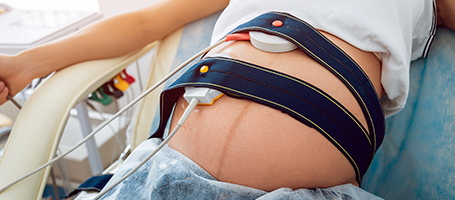
£4.6 million plus lifelong payments of up to £360,000pa for child with severe dystonic cerebral palsy birth injury
Podcast
Video
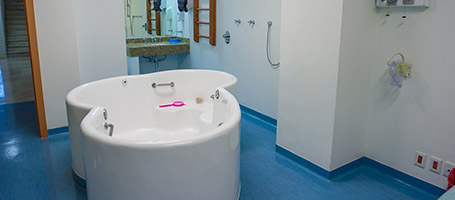
£13 million settlement for young woman with neurological disability from maternity mistakes at birth
Podcast
Video
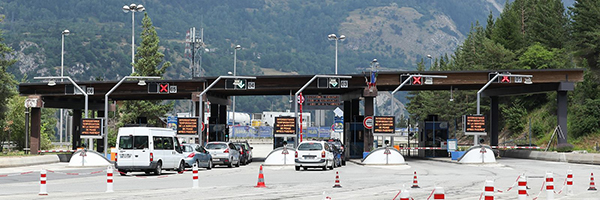
£11.5 million settlement for boy with cerebral palsy caused by negligent midwifery care during ‘water birth’
Podcast
Video
£1 million settlement for head-injured man plus compensation for his family after RTA in France
Our brain injury team

Related brain injury insights

Podcast
Video
Concussion injuries in sport

Podcast
Video
What are interim payments?

Podcast
Video
Who is at risk of meningitis?

Podcast
Video
What is tuberculosis (TB) and can it be treated?

Podcast
Video
Blindness and visual impairment in neurological injury claims
Podcast
Video
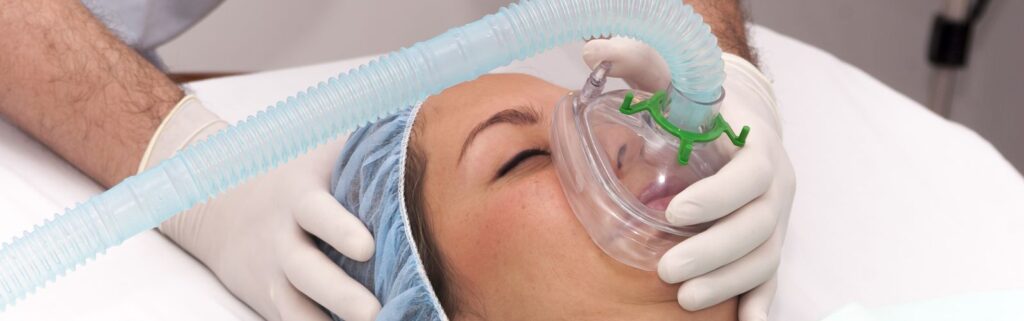
Anaesthetic negligence brain injury claims

Podcast
Video
Neonatal brain injury from hypoglycaemia can my child claim compensation?

Podcast
Video
What is the personal injury discount rate (PIDR)?

Podcast
Video
What medical records do I need for a birth injury claim?

Podcast
Video
Can teenagers and young adults claim compensation for cerebral palsy from birth injury?
Leading brain injury solicitors for over 30 years


Stay informed with insights from Boyes Turner
Sign up to receive the latest legal updates, expert commentary, and practical guidance tailored to your interests.