PTSD & psychological injury compensation claims


Recognising and compensating psychological injury after trauma.

We understand that experiencing a sudden, traumatic accident or medical negligence can have life-changing effects which go beyond physical injury. Many who have been harmed in accidents also suffer long-term debilitating effects from a psychological reaction to their traumatic experience, accident or medical treatment, or the resulting physical injury. Psychological injury can range in severity from reactive depression and anxiety disorder to the highly intrusive and distressing symptoms of post-traumatic stress disorder (PSTD).
Where someone suffers from PTSD or psychological injury as a result of a traumatic accident or injury, they may be entitled to compensation. We recover compensation for ‘primary victim’ adults or children whose PTSD and/or psychological injury was caused by negligent medical care, accidental or traumatic injury. In personal injury claims we also act for ‘secondary victims’ who have suffered PTSD from witnessing their loved one’s death or injury.
- Nationally recognised personal injury specialists with decades of experience
- Access to leading medical experts and rehabilitation professionals
- Proven track record of securing life-changing compensation for families
- Dedicated support from initial enquiry through to settlement
- No upfront costs and claim through a no win no fee agreement
Starting your PTSD compensation claim
It costs nothing to talk to us to find out about making a PTSD compensation claim. You can contact us by telephone or by email for free, confidential advice from a specialist solicitor. We will ask you to tell us briefly about the injury and advise you about your time limits and whether we can help you make a claim. Your solicitor will discuss with you how your claim will be funded and advise, fully and clearly, how that works and what it will mean for you. We offer a range of funding options, but most of our clients’ claims are handled on a ‘no win no fee’ basis.
We will put your claim to the defendant individual or organisation whose negligence caused your injury and we will handle all communication on your behalf. The defendant’s insurers will usually handle the claim on the defendant’s behalf and will be responsible for paying any compensation. Once we are in contact with the defendant’s accident insurers, we can begin to secure the necessary rehabilitation and specialist support to meet the injured person’s immediate needs whilst we proceed with the claim.
In medical negligence claims, we will notify NHS Resolution and invite them to admit liability before court proceedings are issued. If liability is admitted, we will obtain a court judgment and apply for a substantial interim payment to meet the injured patient’s needs arising from their injury and disability. If NHS Resolution deny liability, we will advise you about the best way to proceed with your claim. This may involve issuing court proceedings or inviting NHS Resolution to enter into settlement negotiations or mediation.

No win, no fee
No hidden or upfront costs. Clear, straightforward advice. Nothing to pay unless your claim is successful.
Over 30 years’ experience
We have helped thousands of clients claim compensation.
Fully regulated
Authorised and regulated by the Solicitors Regulation Authority.
PTSD injury compensation claims FAQs
What is PTSD?
PTSD or post-traumatic stress disorder is a condition experienced by people who suffer psychological trauma in response to a life-threatening or terrifying event. Approximately 1 in 3 people who experience a traumatic event develop PTSD.
PTSD must be diagnosed according to specific diagnostic criteria set out in the fifth edition of the American Psychiatric Association’s Diagnostic and Statistical Manual of Mental Disorders (DSM-5), or International Classification of Diseases (ICD-10).
Where an injury compensation claim involves PTSD, it is vital to instruct specialist solicitors to ensure that the psychological condition is correctly diagnosed. Feeling scared, anxious or stressed after an accident or traumatic injury is not enough to claim compensation. The law says that the negligent individual or organisation which caused the injury is only required to compensate recognised, diagnosed psychological conditions.
It is also important to find a solicitor who can provide you with access to early treatment or rehabilitation to help in your recovery. Wherever possible, we use the Rehabilitation Code and/or interim payments to provide our clients with early funding for treatment.
Psychological injury is often one part of a much wider and complex combination of injuries experienced by our clients, particularly those whose complex injuries result in ongoing pain. Pain and psychological injury often exacerbate each other, resulting in a vicious cycle. Our solicitors understand psychological injury and its interaction with other conditions. We ensure that our clients receive the most suitable treatment and recover their full entitlement to compensation.
What are the symptoms of PTSD?
The symptoms of PTSD can vary widely between individuals but usually involve a combination of re-experiencing the event, avoiding feelings or anything associated with the event, and hyperarousal which keeps them constantly anxious and on edge. Children with PTSD may have similar symptoms to adults but can also express their suffering with difficult behaviour, avoidance, or re-enacting the traumatic event repeatedly through their play.
Symptoms of PTSD include:
- flashbacks or intrusive or recurrent memories of the event;
- nightmares, disturbed sleep, restlessness and agitation;
- avoidance of situations (e.g. hospitals) which are reminders of the traumatic event;
- anxiety or panic attacks;
- mood disorders;
- negative or suicidal thoughts;
- hyperarousal affecting breathing, pulse rate and bowel/bladder control;
- hypervigilance, being easily startled or overreacting to triggers;
- amnesia;
- fatigue;
- poor concentration;
- feelings of isolation, anger, irritability or guilt.
It is normal and understandable to experience some of the symptoms listed above for a short time after a traumatic event, but if they persist for more than a few weeks or develop at a later date, help should be sought from a GP. After talking with the patient about their experience and symptoms, the GP will refer the patient to a psychologist for a formal diagnosis and treatment. In a personal injury claim, a consultant psychiatrist will be instructed to diagnose the condition and any other psychological conditions, such as anxiety and depression.
What type of accidents can lead to psychological injury claims?
Any unexpected, life-threatening or highly distressing accident or event has the potential to cause additional psychological injury to those it harms. PTSD compensation claims can be made where an individual or organisation’s negligence was responsible for the accident which caused our client’s injury, such as:
- workplace accidents;
- road traffic accidents (RTAs);
- rail crashes;
- ferry disasters;
- helicopter or plane crashes;
- sports and leisure accidents;
- accidents abroad;
- violent crime or assault;
- medical negligence (e.g. birth trauma or anaesthetic awareness).
What injuries can lead to PTSD compensation claims?
Compensation for PTSD and psychological injury can be claimed in medical negligence and accident claims involving severe injury, such as:
- head injury, brain injury or skull fracture;
- spinal injury; (tetraplegia, paraplegia, cauda equina syndrome);
- amputation;
- major trauma and multiple injuries;
- birth trauma (3rd or 4th degree vaginal tears, forceps injuries);
- injury from radical cancer treatment;
- blindness or loss of sight;
- severe burns and scalds;
- severe scarring and disfigurement;
- PTSD and psychological injury;
- chronic pain and CRPS;
- fatal injury (‘secondary victim’ personal injury claims).
Can post-traumatic stress disorder (PTSD) be treated?
PTSD can be treated. Depending on the severity of the symptoms and how soon they occur, treatment may include:
- monitoring the symptoms to see if they improve or worsen without treatment;
- antidepressant medication;
- psychological talking therapies:
- trauma-focused cognitive behavioural therapy (CBT);
- eye movement desensitisation and reprocessing (EMDR).
CBT is a talking therapy that is most commonly used to treat anxiety and depression but can be useful for other mental and physical health problems, including PTSD. CBT focuses on how the injured person’s thoughts, beliefs and attitudes affect their feelings and behaviour, and helps them manage their condition by changing the way they think and behave.
EMDR is a psychotherapy treatment that was originally designed to ease the distress associated with traumatic memories. It allows the injured person to heal from the symptoms and emotional distress caused by disturbing life experiences. It involves the individual using eye movements whilst being asked how they feel, until the memory is no longer disturbing. The individual is processing the trauma with both hemispheres of the brain stimulated.
Who can I claim compensation from after psychological injury?
We investigate the circumstances of each client’s injury to ensure that their claim is made against the correct defendant individual or organisation.
Medical negligence claims involving PTSD and psychological injury are often made against the NHS trust or hospital, ambulance service, GP practice or other healthcare provider, who are represented by the NHS defence organisation, NHS Resolution. PTSD claims arising from negligent private treatment are made against individual doctors, healthcare practitioners or physical therapists, such as chiropractors, osteopaths or physiotherapists.
Accident claims for serious injury including PTSD and psychological injury are often made against:
- individual road users (and their insurers);
- public transport companies or services;
- the injured person’s employer;
- the local highway authority, council or their contractor;
- the owner of business premises or land;
- a school or college;
- sports, leisure or entertainment organiser or facility;
- travel agent or holiday company;
- manufacturer or supplier of a defective product;
- emergency or armed services or MOD;
- Criminal Injuries Compensation Authority (CICA);
- Motor Insurers’ Bureau (MIB).
How can compensation help after an accident or medical negligence causes PTSD?
After severe physical or neurological disability, PTSD and psychological injury can affect the injured person’s ability to look after themself, work, drive or get out and about, or enjoy relationships with family and friends.
Through their compensation claim, we help our clients maximise their recovery and adapt to life with their new disability, by providing access to:
- rehabilitation;
- case management, care and support;
- home adaptations or more suitable accommodation;
- specialist vehicles, aids and equipment;
- private medical treatment and therapies;
- prosthetics (after amputation);
- specialist vocational or SEN support.
Compensation, often via Rehabilitation Code funding or early interim payments, can also pay for:
- medical and psychological treatments for PTSD;
- psychological ‘talking’ therapies (CBT, EMDR);
- counselling and ongoing support.
Compensation can also ease the additional financial stress that often follows an unexpected injury, by replacing lost earnings, meeting additional costs and restoring financial security.
How much compensation can be claimed for PTSD?
Where the claim relates solely to PTSD, without physical injuries, the amount of compensation will depend on the following factors:
- The ability to cope with life, education, and work.
- The effect on relationships with family, friends, and others.
- The extent to which treatment would be successful.
- Future vulnerability (whether the injured person is at risk of suffering further episodes in the future).
- Prognosis (whether the injured person is likely to recover).
- Whether medical help has been sought.
Making a PTSD and psychological injury claim
We understand how daunting it can feel to take the first step. Our specialist personal injury solicitors are here to guide you through every stage.

Getting in touch
Call us or complete our online form to receive free, confidential advice from one of our specialist PTSD and psychological injury solicitors. We will listen carefully to your circumstances, explain your legal options in clear and straightforward terms, and advise whether you have a claim and how we can help you move forward.

Supporting your claim
Our specialist solicitors will gather the evidence needed to support your claim, including medical records, witness statements, accident reports where applicable, and expert psychiatric or psychological evidence where required. They will establish how your psychological injury arose, who was responsible, and the impact it has had on your mental health, relationships, work and daily life. Where appropriate, we can also seek an interim payment to help meet your immediate needs.

Securing compensation
Our solicitors work to secure the maximum compensation possible as quickly as possible. We aim to ensure you have the financial support you need for psychological treatment, rehabilitation, counselling or therapy, lost earnings, care where required, and any other assistance needed to support your recovery and future wellbeing.
Contact us
If you would like advice regarding a serious injury or illness affecting you or a loved one, please complete the form and one of our experts will be in touch as soon as possible.
Rather give us a call:

Client story
£300,000 settlement
We have secured a settlement for a former soldier whose pre-existing PTSD was exacerbated when he was redeployed in Afghanistan.
Our PTSD and psychological injury claims
Podcast
Video
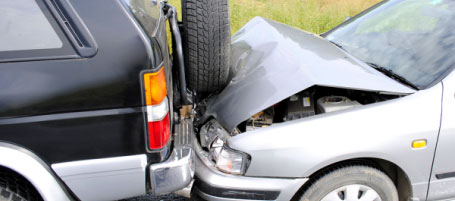
£550,000 settlement for orthopaedic injuries caused by (now deceased) defendant driver in head-on RTA collision

Podcast
Video
£130,000 settlement after supermarket slipping accident causes fractured pelvis
Podcast
Video
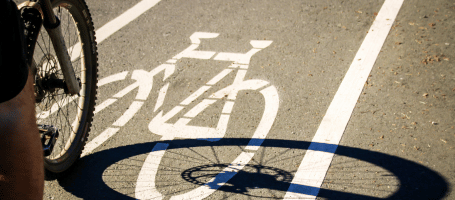
£110,000 settlement for cyclist hit by a vehicle leaving a slip road
Podcast
Video
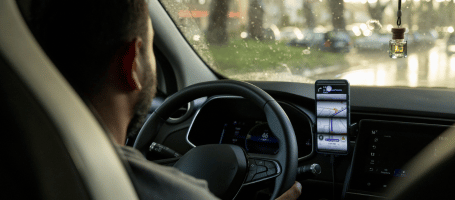
£55,000 settlement after RTA collision causes PTSD exacerbation of passenger’s FND
Podcast
Video
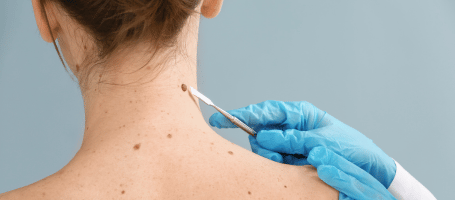
Hospital apology and admission of liability for melanoma misdiagnosis

Podcast
Video
£180,000 settlement and funded rehabilitation for injured taxi passenger in MIB claim

Podcast
Video
£90,000 settlement after keyhole gallbladder surgery causes bile duct injury

Podcast
Video
£225,000 settlement for motorcyclist hit by taxi driver’s sudden U-turn

Podcast
Video
£400,000 settlement in pedestrian injury claim for young man hit by a car

Podcast
Video
£125,000 compensation settlement for assaulted care worker
Our personal injury solicitors







What our clients say
You got us the best outcome and I can’t thank you enough

What our clients say
Very good service
What our clients say
We have had so much help
What our clients say
We wish you all the very best
What our clients say
We’d like to express our thanks to Kim and the team at Boyes Turner…

Our clients receive the highest standards of advice and representation and are always treated with compassion, outstanding care and understanding of the physical, emotional, psychological and financial impact that life-changing injury can have upon their lives.
- We are nationally acclaimed for our personal injury expertise and the outstanding results we achieve for our clients.
- We are ranked as leading personal injury experts in the Chambers Directory and Legal 500 guides to the legal profession and are accredited for our specialist expertise by the Law Society and the Association of Personal Injury Lawyers (APIL).
- Our integrated multidisciplinary team offers our clients a full range of specialist help with compensation, rehabilitation, SEN, deputyship, personal injury trusts and community care.
- We secure early, funded rehabilitation and maximum compensation in claims for adults and children who have suffered catastrophic injury, and provide practical support for their families.
Related personal injury insights

Podcast
Video
Concussion injuries in sport
Podcast
Video
Unlawful killing inquest verdict when death is caused by a speeding driver
Podcast
Video
Why should I make a personal injury claim?
Podcast
Video
What are interim payments?

Podcast
Video
Can I claim compensation for personal injury if I signed a waiver?
Podcast
Video
Slips, trips and falls injuries in the workplace was I to blame or can I claim?

Podcast
Video
Funding rehabilitation for major trauma injury with Rehabilitation Code and interim payments
Podcast
Video
Court approval hearings after settlements in injury claims for children

Podcast
Video
What is the personal injury discount rate (PIDR)?
Podcast
Video
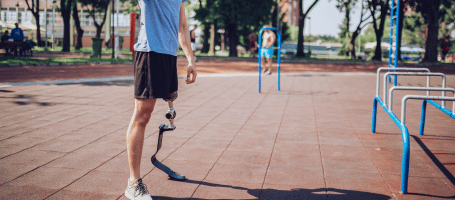
From injury to independence: The role of pre-prosthetic physiotherapy
PTSD and psychological injury claims
Anaesthetic negligence
Chronic Pain & CRPS Compensation Claims
Criminal injuries compensation claims and CICA
Head & brain injury claims
Leading personal injury solicitors for over 30 years





Get help today
- Free & no obligation initial advice
- Speak directly to a solicitor
- No upfront costs & no win no fee