Anaesthetic negligence

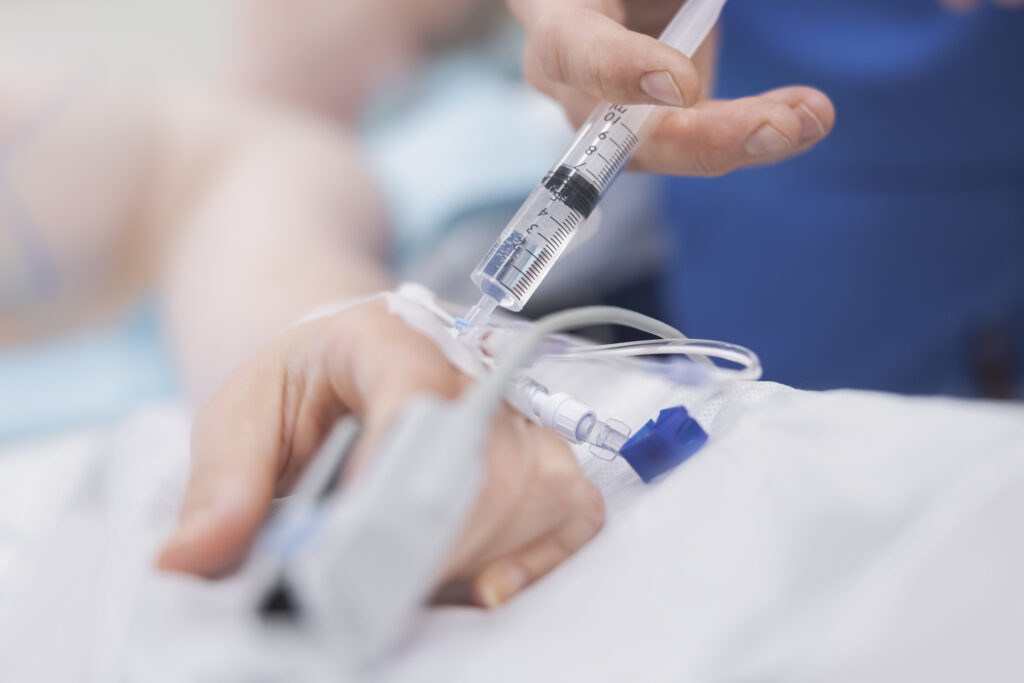
Safe surgery starts with safe anaesthetic care.

Safe anaesthetic care, pain relief and oxygenation are often taken for granted by patients who are more focussed on the surgical outcome of their operation. However, even a minor anaesthetic error, at any stage in the patient’s journey through surgery, can result in devastating injury.
If you or a loved one have been injured as a result of anaesthetic negligence, our expert medical negligence solicitors can help you claim compensation.
- Nationally recognised medical negligence specialists with decades of experience
- Access to leading medical experts and rehabilitation professionals
- Proven track record of securing life-changing compensation for families
- Dedicated support from initial enquiry through to settlement
- No upfront costs and claim through a no win no fee agreement
Anaesthetic negligence claims
Spinal cord injury
Amputation
Brain injury negligence
Fatal negligence
Surgery negligence
Anaphylaxis injury
Cardiac and heart negligence
Starting your anaesthetic negligence claim
For more than 30 years, Boyes Turner’s medical negligence solicitors have guided injured clients through the claims process to secure the compensation and support that they need to manage their disability and rebuild their lives.
You can contact us by telephone or by email for free, confidential advice from a medical negligence solicitor.
We will ask you to tell us briefly about the care you received from your medical and anaesthetic team, and your injury. We will advise you about any time limits which may apply and whether we can help you investigate your claim. Once our investigations confirm you have grounds for a claim, we will notify the defendant healthcare provider (usually NHS Resolution) on your behalf and invite them to respond, giving them an opportunity to admit liability (responsibility for your injuries) before court proceedings are issued.
If liability is admitted, we will obtain a judgment from the court and apply for a substantial interim payment to meet your needs arising from your injury and disability. If the healthcare provider or their legal representatives at NHS Resolution deny liability, we will advise you about the best way to proceed your claim. This may involve issuing court proceedings or inviting NHS Resolution to enter into settlement negotiations or mediation.

No win, no fee
No hidden or upfront costs. Clear, straightforward advice. Nothing to pay unless your claim is successful.
Over 30 years’ experience
We have helped thousands of clients claim compensation.
Fully regulated
Authorised and regulated by the Solicitors Regulation Authority.
Anaesthetic negligence claims FAQs
What is anaesthetic negligence?
Anaesthetists are responsible for the patient’s oxygenation, level of consciousness and pain relief during surgery. Patients depend on anaesthetists to provide safe anaesthetic care in a range of healthcare settings and procedures. Anaesthetic negligence is any aspect of care by an anaesthetist which falls below safe and acceptable standards.
General anaesthetic allows surgery to take place whilst the anaesthetist keeps the patient relaxed and pain free in a state of controlled unconsciousness whilst keeping them oxygenated using a ventilator machine to manage their breathing. Local and regional anaesthetics numb specific areas of the body, leaving the patient conscious and pain free during their procedure.
The patient’s safety depends on the anaesthetist’s pre-operative assessment and management of their risk from anaesthesia; the correct administration of a combination of anaesthetic drugs; the anaesthetist’s skill during intubation, ventilation, and extubation; and vigilant monitoring of their condition throughout surgery.
Anaesthetic negligence can cause life-changing injury. Patients who are seriously injured as a result of negligent anaesthetic care may be entitled to make an anaesthetic negligence claim for compensation to provide the help and support that they need as a result of their disability.
What injuries can be caused by anaesthetic negligence?
Not all injuries during surgery or under anaesthetic are caused by negligence. Common claims for serious injury arising from negligent errors by anaesthetists include:
- brain damage caused by lack of oxygen:
- nerve damage, paralysis or spinal cord injury (SCI);
- PTSD from anaesthetic awareness – waking paralysed (from muscle relaxants) but unable to communicate whilst feeling intense pain during the operation;
- anaphylactic shock from severe allergic reaction to anaesthetic drugs;
- cardiac arrest (heart attack);
- stroke;
- organ damage from clinical shock;
- PVS or minimally aware state (coma);
- death.
Where a patient has suffered an injury during surgery or a general anaesthetic, our clinical negligence solicitors review the medical records to investigate whether their injury was caused by negligence or equipment failure, and if they are entitled to claim compensation.
How much compensation will I get for an anaesthetic negligence claim?
The amount of compensation that an individual receives depends on the type of injury, its impact on their life and their additional needs arising from the injury.
Where the injury is severe, compensation may be recovered for:
- pain and suffering and disability;
- loss of earnings and pension and other financial losses;
- costs of care, assistance and case management;
- therapies, such as physiotherapy, occupational therapy (OT), speech and language therapy;
- private medical costs;
- rehabilitation, pain management and psychological treatments;
- adapted accommodation;
- assistive technology;
- specialist equipment, adapted vehicles;
- prostheses for limb loss, such as from anaphylaxis;
Where the patient’s death was caused by anaesthetic negligence, their dependent family may be able to claim compensation for funeral costs, a statutory bereavement payment and for the loss of the deceased’s income and services.
Where liability is admitted, we obtain early interim payments to ease our clients’ financial hardship and help meet their urgent needs arising from the injury. This means that while we work with our experts on valuing and preparing the case for settlement, our clients can begin to rebuild their lives.
Who is at increased risk from anaesthesia?
It is part of the anaesthetist’s job to assess each patient’s personal risk before surgery. Many of the risks from having an anaesthetic cannot be predicted. It is not always possible to know how a patient who has never had an anaesthetic before will react to the anaesthetic drugs, so anaesthetists make their assessment based on general risks associated with having surgery under general anaesthetic and any additional risk arising from the patient’s own health, allergies, lifestyle, and type of surgery.
Patients having a general anaesthetic may have a higher risk of serious complications if they:
- are older;
- are having major surgery on organs, such as the heart, lungs, brain or bowel, or on major blood vessels;
- are having emergency surgery, or surgery for major trauma;
- are very unwell at the time of surgery or have other health conditions, such as diabetes, high blood pressure, heart disease, lung disease, liver disease, cancer;
- smoke or are overweight or very unfit;
- have allergies to medication.
What does the anaesthetist do during surgery?
The anaesthetist keeps the patient in a state of controlled unconsciousness during surgery. This is done by using anaesthetic which blocks the nerve signals to the brain, so the patient cannot feel anything during the operation.
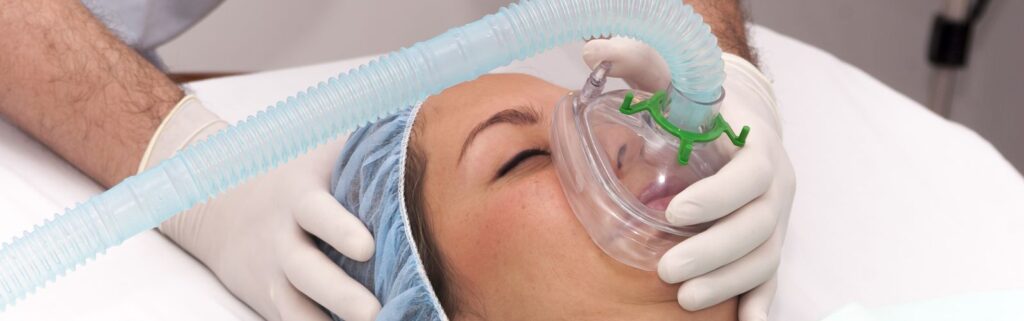
As well as the anaesthetic, the patient is also given muscle relaxants to keep their body relaxed and still during surgery. The muscle relaxants leave the patient unable to breathe, so their breathing is managed via a ventilator machine, which provides oxygen to the patient through a tube.
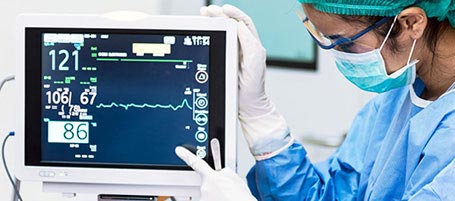
The anaesthetist must monitor the patient throughout the operation, for example, to check their blood pressure, heart rate, respiratory rate and that the patient is receiving the correct amount of oxygen. They must be alert to warning signs of complications, including any sign that the patient is becoming conscious or feeling pain, or is losing too much blood and needs fluid, or is suffering from some other complication or reaction. If a warning sign appears, they must react quickly to correct the problem. In the case of a severe allergic (anaphylactic) reaction, this may mean stopping the operation.
After the surgery is complete, the anaesthetist is responsible for ensuring that the patient recovers consciousness and is able to breathe safely. They must monitor that the patient has come through the anaesthetic without any serious ill effects.
What kind of mistakes lead to anaesthetic negligence claims?
Anaesthetic errors which cause serious injury and lead to anaesthetic negligence claims for compensation include:
- risk assessment errors:
- negligent ventilation, oxygenation and airway management;
- intubation errors – incorrect procedure or placement of the endotracheal tube;
- extubation errors – removing the breathing tube or reviving the patient before muscle relaxants have worn off, leaving the patient unable to breathe;
- medication or gas errors – giving the wrong type or amount;
- faulty, blocked or defective equipment or alarms, or incorrect use of equipment;
- failing to monitor or recognise or react to signs that the patient is aware during surgery;
- delayed or failed resuscitation;
- anaphylaxis (allergies to drugs, latex) negligence;
- injections into the spinal cord or nerves;
- IV (intravenous) cannula flushing errors;
- negligent recovery or intensive care treatment.
What are the time limits for making an anaesthetic negligence claim?
The law states that, in most cases, someone who has been injured as a result of medical negligence has three years from the date of the negligence which caused the injury to issue court proceedings. If they fail to issue court proceedings within that time, their claim will be statute barred, meaning that they lose their right to make a claim for compensation.
There are the following exceptions to the three-year rule:
- if a child is injured before they are 18, their three-year deadline expires on their 21st birthday. In other words, their time doesn’t start to run until they are 18;
- if the injured person is mentally disabled (lacks mental capacity) then their time doesn’t begin to run at all, unless their mental capacity is restored;
- where the injured person has died as a result of negligent treatment, the three-year time limit expires three years after the date of their death;
- if the injured person did not suspect or could not reasonably think they had been injured by negligence, the three-year time period will start to run when the injured person first became aware (or should have suspected) that they had been injured by negligent care;
- the court has a general discretion to extend the time limit in cases where none of the above exceptions apply, but only does so in exceptional circumstances.
Regardless of your time limit, we recommend that you contact our medical negligence solicitors as soon as you can, even if you are only considering whether to make a medical negligence claim. By contacting us early, we can help you avoid later problems with deadlines and advise you on how to preserve your evidence to give you the best chance of obtaining compensation via a successful claim.
Making an anaesthetic negligence claim
We understand how daunting it can feel to take the first step. Our specialist medical negligence solicitors are here to guide you through every stage.

Getting in touch
Call us or complete our online enquiry form for free, confidential advice from a specialist anaesthetic negligence solicitor. We will listen to your concerns, explain your options, and advise whether we can investigate if errors in your anaesthetic care caused avoidable harm.

Supporting your claim
Our solicitors will review your medical records, instruct independent experts, and investigate whether your anaesthetic was planned, administered and monitored appropriately. Where negligence is identified, we can build a strong claim and, where appropriate, seek an interim payment to help meet immediate care and rehabilitation needs.

Securing compensation
We provide compassionate support throughout the claims process, working to secure the maximum compensation as quickly as possible to help fund ongoing treatment, rehabilitation, care, loss of earnings, adapted accommodation where needed, and other essential support.
Contact us
If you would like advice regarding a serious injury or illness affecting you or a loved one, please complete the form and one of our experts will be in touch as soon as possible.
Rather give us a call:
Our anaesthetic negligence claims

Podcast
Video
Compensation for PTSD after anaesthetist’s mistake leaves patient aware but unable to breathe during surgery
Podcast
Video
Compensation for anaesthetic awareness during surgery

Podcast
Video
Compensation for psychological injury following anaesthetic awareness from residual IV drugs left in cannula
Our medical negligence team












What our clients say
Won medical negligence

What our clients say
Worked assiduously and painstakingly
What our clients say
You have given fantastic support and guidance
What our clients say
Very helpful and diligent
What our clients say
Very kind and considerate
What our clients say
Very Professional
What our clients say
We cannot praise and thank the team enough
What our clients say
We cannot thank Susan and her team at Boyes Turner enough
What our clients say
We had full confidence
What our clients say
We would all highly recommend them

Our clients receive the highest standards of advice and representation and are always treated with compassion, outstanding care and understanding of the physical, emotional, psychological and financial impact that life-changing injury can have upon their lives.
- We are nationally acclaimed for our claimant medical negligence expertise and the outstanding results we achieve for our clients.
- We are ranked as leading clinical negligence experts in the Chambers Directory and Legal 500 guides to the legal profession and are accredited for our specialist expertise by the Law Society, AvMA, and the Association of Personal Injury Lawyers (APIL).
- Our integrated multidisciplinary team offers our clients a full range of specialist help with compensation, rehabilitation, SEN, deputyship, personal injury trusts and community care.
- We secure maximum compensation in claims for adults and children who have suffered catastrophic injury and severe disability, and provide practical support for their families.
Related anaesthetic negligence insights
Podcast
Video
Anaesthetic negligence brain injury claims

Podcast
Video
IPPR calls for action and access to timely, effective healthcare to prevent cardiovascular disease (CVD)

Podcast
Video
HSSIB warns gaps in guidance and training increases risk of harm for patients with ‘difficult airways’

Podcast
Video
How common is anaesthetic negligence? NHS Resolution and the Association of Anaesthetists’ review of claims related to anaesthesia
Leading medical negligence solicitors for over 30 years


Get help today
- Free & no obligation initial advice
- Speak directly to a solicitor
- No upfront costs & no win no fee