Cerebral palsy and SEN support
Specialist legal support for families seeking the right educational provision for children with cerebral palsy.


The right support and provision can make a meaningful difference to a child's access to education and development.
Cerebral palsy can affect children in different ways, and some children may need additional support to access education. Depending on their individual needs, this may include specialist teaching, therapy, adapted equipment, support with communication or assistance with physical access and personal care.
Our SEN specialists at Boyes Turner support families with the Education, Health and Care Plan process, including applications for an Education, Health and Care needs assessment, reviewing whether an EHCP properly reflects a child’s needs and challenging decisions through the appeals process where necessary.
This page explains why a child with cerebral palsy may need an EHCP, the support it can provide and the options available if you are unhappy with a local authority decision.
- Trusted and nationally recognised special educational needs specialists with decades of experience.
- Clear, practical support at every stage, helping families navigate complex SEN processes.
- Extensive experience across all SEN appeals, including EHCPs, school placements, and SEND Tribunal proceedings.
- Transparent and flexible fee structures, including capped fee options where appropriate.
Why might a child with cerebral palsy need an EHCP?
Cerebral palsy affects movement and coordination, but the impact can vary significantly from one child to another. Some children may need little additional support, while others may have more complex educational, physical or communication needs.
An EHCP may be appropriate where a child has or may have special educational needs and it may be necessary for special educational provision to be made in accordance with an EHCP. The plan should identify the child’s special educational needs and set out the provision required to meet them.
For a child with cerebral palsy, this could involve consideration of their physical access needs, communication, learning, independence and any associated difficulties that affect their ability to access education.
EHCP support and benefits for children with cerebral palsy
An EHCP can provide a detailed and legally significant framework for identifying a child’s special educational needs and the provision required to support them.
Depending on the child’s individual needs, provision may include:
- specialist teaching or targeted support
- speech and language therapy
- occupational therapy or physiotherapy where this is required as special educational provision
- communication aids or assistive technology
- adapted learning materials or equipment
- support with mobility and physical access
- assistance with personal care or independence
- appropriate support from trained staff
- a suitable educational placement.
The provision in an EHCP should be specific to the individual child. It is important that the plan accurately identifies their needs and clearly sets out the support required.
Cerebral palsy FAQs
What is cerebral palsy?
Cerebral palsy is a group of lifelong conditions that affect movement and coordination. It is caused by a problem with the brain that develops before, during or soon after birth.
The effects of cerebral palsy vary. Some children may experience relatively mild difficulties, while others may need significant support with movement, communication and other aspects of daily life and education.
What other needs can children with cerebral palsy have?
Some children with cerebral palsy may have additional needs or associated difficulties. These can vary considerably and may include:
- communication or speech difficulties
- learning difficulties
- sensory or visual impairments
- hearing difficulties
- epilepsy
- difficulties with eating or swallowing
- emotional or social difficulties.
Not every child with cerebral palsy will experience these difficulties, and their educational needs should be assessed individually.
What are common local authority needs for children with cerebral palsy?
A local authority may need to consider a range of educational needs and the provision required to support a child with cerebral palsy. Depending on the individual child, this may include specialist teaching, therapies, adapted equipment, accessible learning environments, communication support, assistance from appropriately trained staff and support to develop independence.
The key issue is whether the child’s needs and the provision required to meet them have been properly identified and clearly reflected in their EHCP.
How to apply for an EHCP for a child with cerebral palsy
A parent, young person or education setting can request an Education, Health and Care needs assessment from the local authority.
The local authority must consider whether the child or young person has or may have special educational needs and whether it may be necessary for special educational provision to be made through an EHCP.
Evidence about the child’s needs and the support they require can be important. This may include information from their school or setting, medical professionals and therapists, depending on the circumstances.
Our SEN solicitors can advise families throughout the process, including where an application for an EHC needs assessment has been refused.
What happens if my child with cerebral palsy doesn’t have an EHCP?
Not every child with cerebral palsy will need an EHCP. Some children may have their needs met through SEN Support provided by their school or educational setting.
However, where a child’s needs cannot be adequately met through the support ordinarily available, an EHC needs assessment may be appropriate. If the local authority refuses to carry out an assessment, issue an EHCP or provide the provision considered necessary, there may be options to challenge the decision.
What can I do if I’m unhappy with my child’s EHCP or LA’s decision regarding the EHCP?
If you are unhappy with a local authority decision, the first step will depend on the decision that has been made.
Parents and young people have rights of appeal to the First-tier Tribunal (Special Educational Needs and Disability) in relation to certain decisions, including decisions about whether to carry out an EHC needs assessment, whether to issue an EHCP and the contents of an EHCP.
You may also be able to challenge the named educational placement or the special educational provision set out in the plan. Our SEN specialists can review the circumstances of your case, explain the available options and support you through the appeals process.
How can solicitors help families and children with cerebral palsy?
SEN solicitors can provide advice and support at different stages of the EHCP process. This may include:
- advising on whether to request an EHC needs assessment
- helping families understand the evidence needed to support their case
- reviewing whether an EHCP properly identifies a child’s special educational needs
- considering whether the provision in the plan is sufficiently specific and suitable
- challenging local authority decisions
- supporting families through mediation and appeals to the SEND Tribunal
- advising on disputes about the educational placement named in an EHCP.
At Boyes Turner, our SEN specialists have experience supporting families through complex EHCP and SEN disputes. We understand that every child is different and can provide clear, practical advice focused on securing appropriate educational provision for their individual needs.
Why use our special educational needs solicitors?
- Specialist experience in SEN law: Our solicitors have extensive experience advising families on the full range of special educational needs legal processes. Our expertise ensures you receive clear, accurate advice grounded in a detailed understanding of the law and how local authorities apply it in practice.
- Focused, practical solutions: We take the time to understand your child’s individual needs and circumstances. Our advice is tailored to help you secure the right support, whether that means strengthening an EHCP, challenging inadequate provision, or appealing a local authority decision.
- Supportive and collaborative approach: The SEN process can be overwhelming. We work closely with families, schools, professionals and other advisers to ensure all evidence and communication is aligned and coherent. This collaborative approach helps streamline the process and strengthens your case.
- A leading full-service law firm: Boyes Turner is recognised by Chambers UK and The Legal 500 as a leading law firm. As a full-service firm, our specialist teams can support you with related legal needs where required, including Court of Protection, community care, medical negligence and private wealth, ensuring a cohesive and coordinated approach to your care.
Contact us
If you would like advice about a related matter, please complete the form and one of our SEN specialists will be in touch as soon as possible.
Please note we do not offer legal aid. Read about our fees.
Or give us a call:
Special educational needs insights

Podcast
Video
SEND reform: education otherwise than at school (EOTAS) response deadline reminder

Podcast
Video
SENDIST One Touch pilot scheme: What it means for Section I appeals

Podcast
Video
Autism and EHCPs – What you need to know

Podcast
Video
EHCPs – What do I need to know about Personal Budgets and Direct Payments?

Podcast
Video
Initial thoughts on DfE’s policy paper: Every child achieving and thriving

Podcast
Video
The importance of a good educational psychologist in EHCP cases

Podcast
Video
Can you get a EHCP for dyslexia?

Podcast
Video
SEND Tribunal – How to manage timetable delays
Podcast
Video
New school, new phase, new EHCP? EHCP phase transfers explained
Podcast
Video
A reminder: The importance of expert evidence for an EHCP
Our special educational needs solicitors




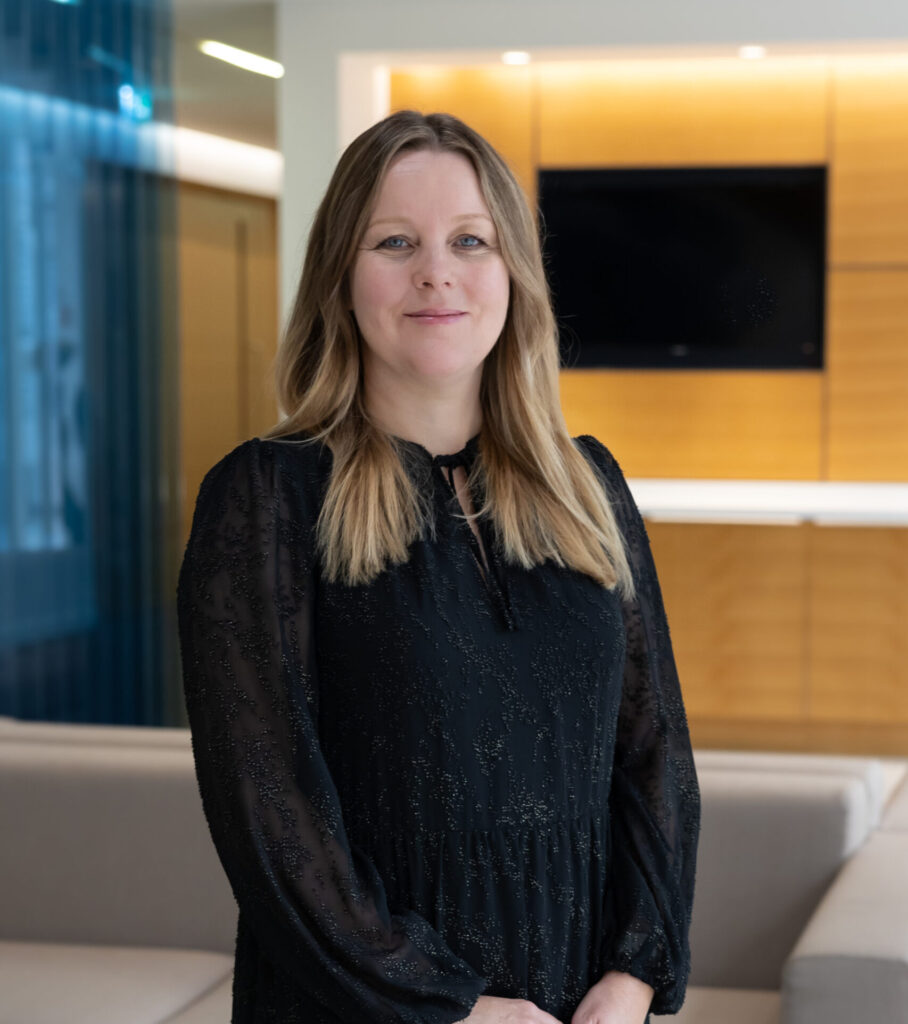

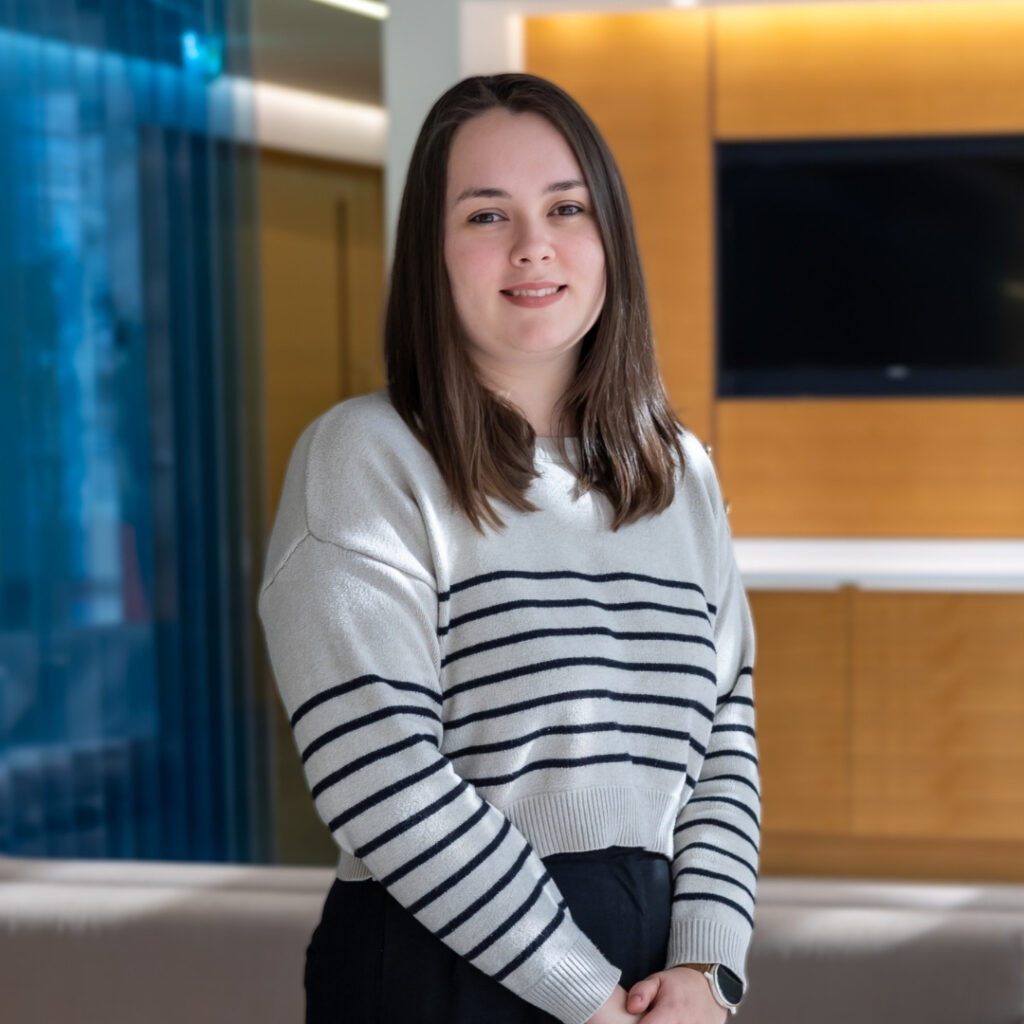
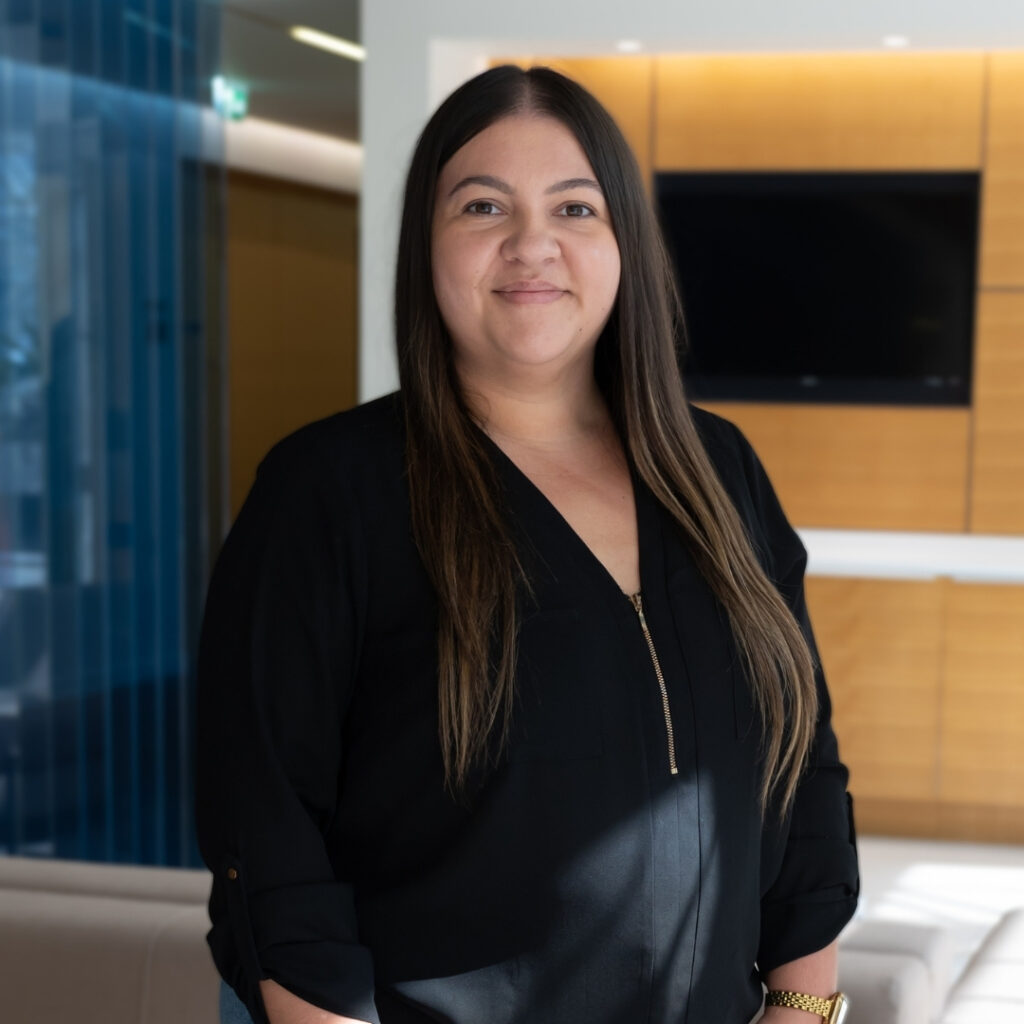
Our SEN case studies

Podcast
Video
Siblings with ASD – 52 week placement and social care input

Podcast
Video
Specialist placement for a child with severe visual needs

Podcast
Video
Making sure our son gets the education he needs at the school we want

Podcast
Video
Making sure my son gets his educational needs met
Podcast
Video
One mum’s fight for the right school placement for her son
Podcast
Video
Appeal against the Statement and successful negotiation with the local authority
Podcast
Video
Appeal to SENDIST against the LA’s refusal to conduct a statutory assessment
Podcast
Video
Funding restored for independent specialist residential college
Podcast
Video
SENDIST appeal against the school named on the Statement
Podcast
Video
Successful appeal against a refusal to assess results in fully funded package of support
What our clients say
Tribunal for placement

What our clients say
We were immediately impressed
What our clients say
SEN Tribunal
What our clients say
Support with the EHCP appeal
What our clients say
SEN support for EHCP
What our clients say
I would most definitely recommend
What our clients say
I’m thankful
What our clients say
James was a pleasure to deal with
What our clients say
James was knowledgeable but at the same time very approachable
What our clients say
Guiding us through EHCP and transition
Recognised leading UK law firm
Boyes Turner is consistently ranked as a leading law firm by top legal directories Chambers and Partners and The Legal 500.




Stay ahead with insights from Boyes Turner
Sign up to our newsletters to receive the latest legal updates, insights, and news from our specialists.