Impacted fetal head (IFH) birth injury claims


Compassionate legal expertise to help your family rebuild after a birth injury.

Impacted fetal head (IFH) is an obstetric emergency in which the baby’s head becomes wedged within the mother’s pelvis during labour. Births involving IFH must be handled quickly and skilfully by experienced obstetricians supported by trained maternity teams to avoid severe injury to the mother and baby.
If you have been contacted by NHS Resolution or MNSI after the birth of your baby, we strongly recommend that you contact us for free, confidential advice straight away. Birth injury claims must be handled by claimant specialist solicitors to protect your child’s full entitlement to compensation.
- Nationally recognised birth injury specialists with decades of experience
- Access to leading medical experts and rehabilitation professionals
- Proven track record of securing life-changing compensation for families
- Dedicated support from initial enquiry through to settlement
- No upfront costs and claim through a no win no fee agreement
How do I claim compensation for an IFH birth injury?
For more than 30 years, Boyes Turner’s birth injury solicitors have guided injured patients and their families through the claims process to secure the compensation and specialist support that they need to manage their child’s disability and rebuild their lives.
You can contact us by telephone or by email for free, confidential advice from a birth injury solicitor. We will ask you to tell us briefly about your child’s neonatal care and their injury, and advise you about whether we can help you begin your claim and any time limits that apply. Your solicitor will discuss with you how your claim will be funded and advise how that works and what it will mean for you. We offer a range of funding options, but most of our clients’ claims are handled on a ‘no win no fee’ basis.
Once we have gathered the necessary evidence for your claim to proceed, we will notify the healthcare provider (usually represented by NHS Resolution) of your claim. We aim to make NHS Resolution accept full responsibility for your child’s injury as quickly as possible, so that we can obtain interim payments to help your family move to more suitable accommodation or adapt your home, and pay for the care, therapies and educational support that your child needs.
If the healthcare provider or their legal representatives at NHS Resolution deny liability, we will advise you about the best way to proceed with your claim. This may involve issuing court proceedings or inviting NHS Resolution to enter into settlement negotiations or mediation.

No win, no fee
No hidden or upfront costs. Clear, straightforward advice. Nothing to pay unless your claim is successful.
Over 30 years’ experience
We have helped thousands of clients claim compensation.
Fully regulated
Authorised and regulated by the Solicitors Regulation Authority.
Impacted fetal head (IFH) birth injury claim FAQs
What is impacted fetal head (IFH)?
The baby’s head naturally descends into the mother’s pelvis during labour to position the baby for delivery through the birth canal. However, in some cases the unborn baby’s head can become wedged or impacted within the mother’s pelvis, obstructing vaginal delivery. This dangerous condition is known as impacted fetal head (IFH). IFH is an obstetric emergency.
Impacted fetal head is often associated with caesarean section in the second stage of labour after the mother’s cervix is fully dilated, but IFH can also occur earlier in the labour. The risk of IFH in labour is also thought to be increased by poor positioning of the baby, maternal obesity or the size or moulding in labour of the baby’s head. In addition, use of the uterine stimulant, Syntocinon, to stimulate contractions in a prolonged labour can also cause the baby’s head to become more deeply impacted into the mother’s pelvis.
IFH can be difficult to predict, so maternity staff must take appropriate action to minimise the risk of IFH when there is slow progress in labour, and must escalate their concerns to a senior obstetrician if IFH is suspected.
Safe delivery of a baby with IFH requires skilled handling by an experienced, senior obstetrician, supported by a properly trained maternity team. Severe injury can be caused to the mother and to the baby during caesarean section as the obstetrician attempts to free the baby’s fragile head from where it is wedged within the maternal pelvis, with little space to put their hand between the fetal head and the maternal pubic symphysis. The obstetric surgeon must also work quickly to deliver the baby to avoid risk of hypoxic injury to the baby’s brain, whilst avoiding a tearing injury to the mother’s uterus which will be stretched and thinned from a prolonged labour. The risk of injury to the mother’s uterus is further increased when second stage caesarean section follows an unsuccessful attempt at an assisted (forceps or ventouse) vaginal delivery.
How common are birth injury claims from impacted fetal head (IFH)?
Impacted fetal head (IFH) occurs in approximately one third of caesarean births which take place during the second stage of labour. The risk of IFH is doubled where the caesarean section follows previous unsuccessful attempts to deliver the baby using forceps or ventouse suction. It is estimated that 2% (1 in 50) of all babies who are affected by IFH suffer either serious injury or death.
IFH is resulting in an increasing number of birth injury claims for babies who suffered HIE or traumatic brain injury as a result of impaction of their head during their caesarean birth.
Claims often arise from the maternity team’s failure to recognise the risk of obstruction in labour, and their incorrect management of this dangerous but increasingly common obstetric emergency when it happens.
What maternity mistakes lead to impacted fetal head (IFH) birth injury claims?
Impacted fetal head (IFH) is an obstetric emergency which requires prompt recognition and fast action from the maternity team, led by an experienced, senior obstetrician.
IFH birth injury claims often involve one or more of the following maternity mistakes:
- failing to follow maternity care guidelines;
- failing to recognise the risk of obstructed labour or IFH;
- failing to recognise and act on signs of obstructed labour or IFH;
- excessive use of oxytocin/Syntocinon during labour;
- leaving an inexperienced or junior doctor to manage IFH;
- failing to escalate suspected IFH to a senior obstetrician;
- incorrect choice or application of emergency manoeuvres or technique;
- excessive force or multiple attempts at forceps or ventouse delivery;
- delays in performing a caesarean section;
- maternity team training and teamwork failures.
Who is at risk of birth injury from impacted fetal head (IFH)?
Impacted fetal head (IFH) is a dangerous complication of labour which is not always easy to predict. Injury from IFH is thought to be more likely where:
- the mother is overweight (maternal obesity);
- the unborn baby (fetus) is not in the correct position during labour;
- the fetus has a large head;
- the baby’s head shape is changed by caput (swelling) and moulding (bone movement);
- labour is prolonged or fails to progress;
- labour is augmented with oxytocin/Syntocinon;
- delivery by forceps or ventouse has been attempted unsuccessfully.
What injuries are caused by impacted fetal head (IFH) negligence?
Negligent maternity care which fails to recognise and correctly manage delivery of a baby affected by impacted fetal head (IFH) can lead to devastating injuries for both the mother and the baby.
Impacted fetal head or IFH can cause one or more of the following severe injuries to the baby:
- skull fractures;
- subgaleal and intracranial haemorrhage (brain bleeds);
- HIE brain injury (hypoxic ischaemic encephalopathy);
- death.
In addition, impacted fetal head or IFH in labour can cause maternal injuries, including:
- uterine tears;
- damage to the uterine artery;
- haemorrhage;
- injury to the bladder and ureters;
- bowel injuries;
- difficulties with future pregnancies;
- psychological injury;
- maternal death.
What compensation can I claim for a child’s IFH birth injury?
Compensation claims for HIE birth injury, including those caused by negligent management of impacted fetal head or IFH, are among the highest settlements that we achieve for our clients. This is because the compensation reflects not only the injury, but the lifelong cost of meeting the additional needs that arise from the child’s disability.
Following HIE birth injury, our clients’ settlements often include compensation for:
- pain, suffering and disability;
- costs of care and case management;
- therapies and medical costs;
- specialist aids, equipment and assistive technology;
- adapted vehicles, wheelchairs and additional transport costs;
- increased costs of accommodation or home adaptations;
- support with special educational needs (SEN);
- financial losses, including loss of earnings;
- Court of Protection deputyship costs.
At Boyes Turner, we do not charge a success fee for birth injury claims involving a child. This means our success fee is always 0%, preserving the compensation secured for your child.
Legal Aid may be another option. Legal Aid is a government-funded scheme that helps cover legal costs for eligible cases and is available for child birth injury claims. Only a small number of solicitors are accredited to provide Legal Aid, and our specialist birth injury team has this accreditation.
Depending on the complexity of the case, Legal Aid may not always be the most suitable funding option. We recommend contacting our birth injury solicitors so we can advise on the best approach, explain your funding options, and manage the claim process from start to finish allowing you to focus on your child and family.
What compensation can I claim for maternal IFH birth injury?
The amount of compensation that can be claimed for a mother’s injuries in an IFH birth trauma claim depends on the nature, extent and impact of the injury that she suffered. Claims for mothers with severe birth injuries may include compensation for the following injuries, needs or losses and expenses:
- pain, suffering and disability;
- medical or surgical costs;
- therapies and counselling;
- specialist equipment and aids;
- care, support and domestic assistance;
- necessary home adaptations;
- loss of earnings;
- other expenses arising from their injury, such as transport costs.
Where the mother dies as a result of negligent maternity care, depending on her family circumstances, her bereaved dependent family may be entitled to claim compensation for:
- her pain and suffering prior to her death;
- funeral costs;
- a statutory bereavement payment;
- the financial loss to her dependents from losing her income;
- the costs of replacing her ‘services’, such as childcare, housework etc.
Making an impacted fetal head claim
We understand how daunting it can feel to take the first step. Our specialist impacted fetal head birth injury solicitors are here to guide you through every stage.

Getting in touch
Call us or complete our online form for free, confidential advice from a specialist birth injury solicitor experienced in impacted fetal head (IFH) claims. We will listen carefully to your concerns, explain your legal options in clear and straightforward terms, and advise whether we can help investigate the care provided during your labour and delivery.

The IFH claim
Our impacted fetal head (IFH) claims specialists will obtain your medical records, instruct independent medical experts, and investigate whether your labour and delivery were managed appropriately, including whether the signs of an impacted fetal head were recognised and responded to promptly. Where appropriate, we can seek an interim payment to help meet your immediate care, rehabilitation and support needs.
Securing compensation
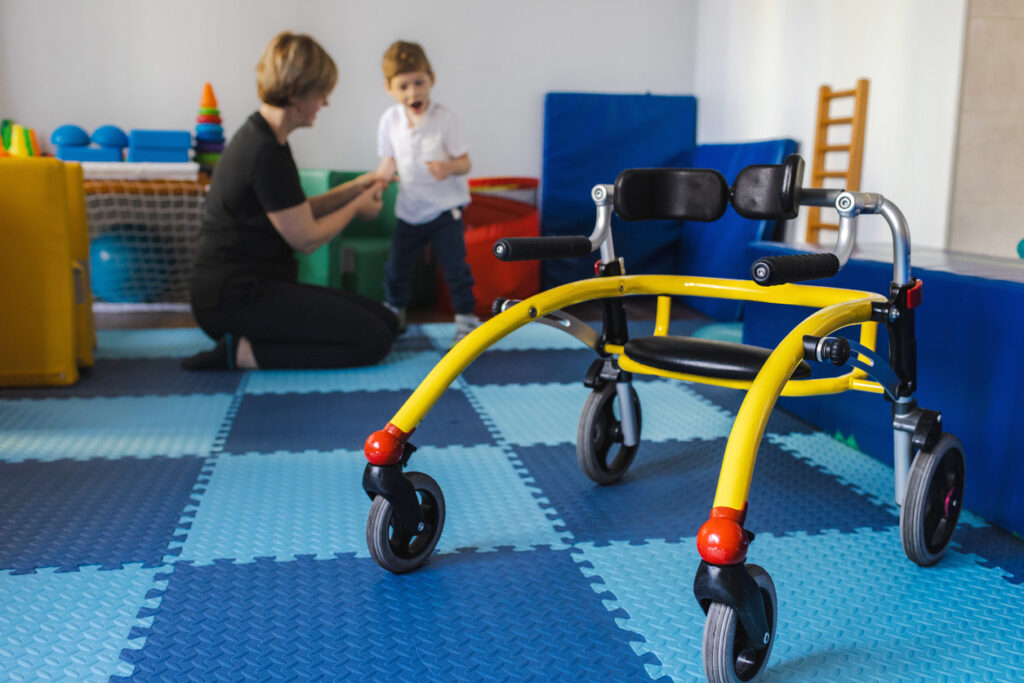
Our solicitors provide compassionate support throughout your impacted fetal head (IFH) claim, working to secure the compensation you need to help fund your recovery, rehabilitation, ongoing treatment and any support required as a result of your injuries.
Contact us
If you would like advice regarding a serious injury or illness affecting you or a loved one, please complete the form and one of our experts will be in touch as soon as possible.
Rather give us a call:
Client story
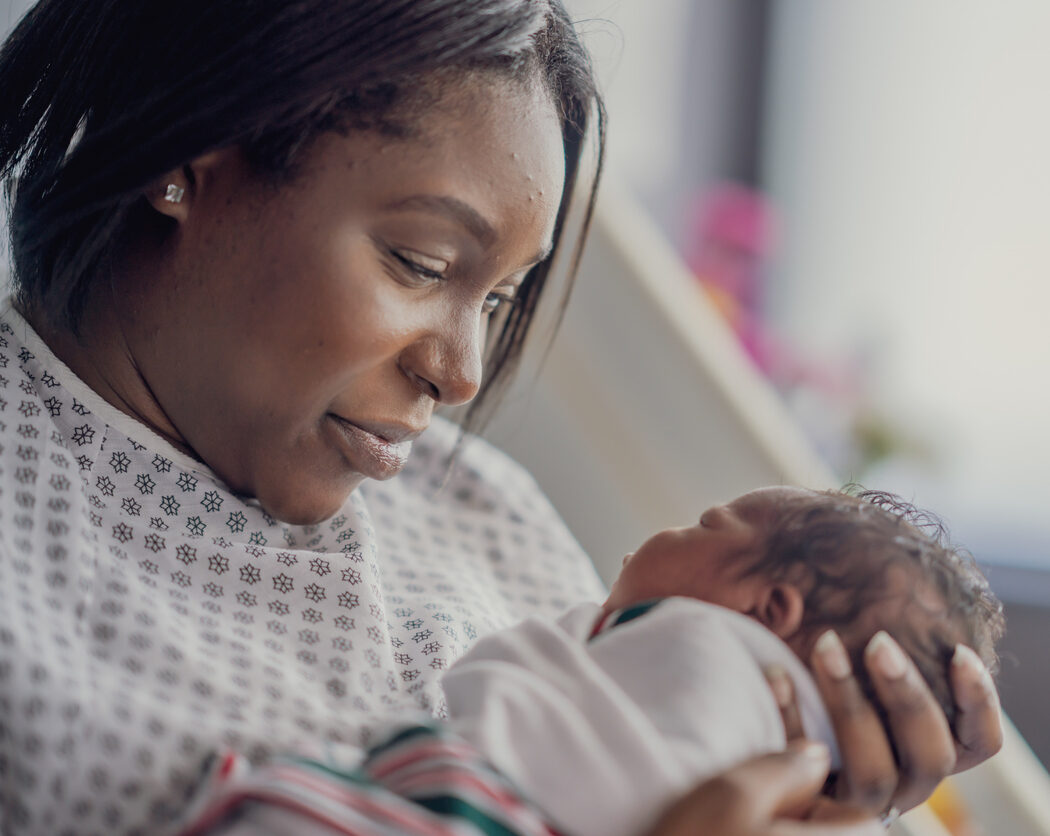
Impacted fetal head causes traumatic brain injury
We secured a 75% liability judgment for injuries caused to a baby by doctors’ negligent management of the birth complication.
Related birth injury claims

Podcast
Video
CNZ -v- Royal United Hospitals Bath NHS Foundation Trust: $45million settlement for claimant
Podcast
Video
£18.7 million* settlement for teenager with cerebral palsy caused by negligently delayed delivery

Podcast
Video
£11.8 million settlement in birth injury claim for child with cerebral palsy
Podcast
Video
£18.1m settlement for child with severe cerebral palsy, visual and learning disability from maternity negligence

Podcast
Video
£4 million compensation settlement in birth injury claim for an 11-year-old boy with cerebral palsy

Podcast
Video
£12 million settlement for child whose severe dyskinetic cerebral palsy was caused by negligent water birth
Podcast
Video
£13m+ settlement after negligent treatment of neonatal necrotising enterocolitis and hypocarbia cause cerebral palsy
Podcast
Video
£18.4 million settlement after delayed treatment of HSV infection in forceps scalp grazes causes cerebral palsy
Podcast
Video
£7.4m settlement for child with severe cerebral palsy after hospital sent her mother home in labour
Podcast
Video
£14.6 million settlement for young man with cerebral palsy from uterine hyperstimulation at time of birth

Podcast
Video
£5 million lump sum, lifelong annual payments of £232,750pa for care and Treloar’s SEN funding for boy with cerebral palsy

Podcast
Video
£16 million settlement for teenager with cerebral palsy from hypoxic brain injury during delayed delivery

Podcast
Video
£19 million settlement for girl with dyskinetic cerebral palsy caused by negligent midwifery and obstetric care during labour

Podcast
Video
£3 million settlement for young man with physical disability from cerebral palsy caused by hypoxic injury at birth
Our medical negligence team











What our clients say
We cannot thank Susan and her team at Boyes Turner enough

What our clients say
We would all highly recommend them

Our clients receive the highest standards of advice and representation and are always treated with compassion, outstanding care and understanding of the physical, emotional, psychological and financial impact that life-changing injury can have upon their lives.
- We are nationally acclaimed for our claimant medical negligence expertise and the outstanding results we achieve for our clients.
- We are ranked as leading clinical negligence experts in the Chambers Directory and Legal 500 guides to the legal profession and are accredited for our specialist expertise by the Law Society, AvMA, and the Association of Personal Injury Lawyers (APIL).
- Our integrated multidisciplinary team offers our clients a full range of specialist help with compensation, rehabilitation, SEN, deputyship, personal injury trusts and community care.
- We secure maximum compensation in claims for adults and children who have suffered catastrophic injury and severe disability, and provide practical support for their families.
Related impacted fetal head insights
Podcast
Video
Understanding the Neonatal Care (Leave and Pay) Act 2023: Key Changes for Parents and Employers
Related birth injury claims
Neonatal brain injury claims
Jaundice and kernicterus brain injury claims
Cerebral palsy
Birth injury
Leading medical negligence solicitors for over 30 years




Get help today
- Free & no obligation initial advice
- Speak directly to a solicitor
- No upfront costs & no win no fee