Jaundice and kernicterus brain injury claims

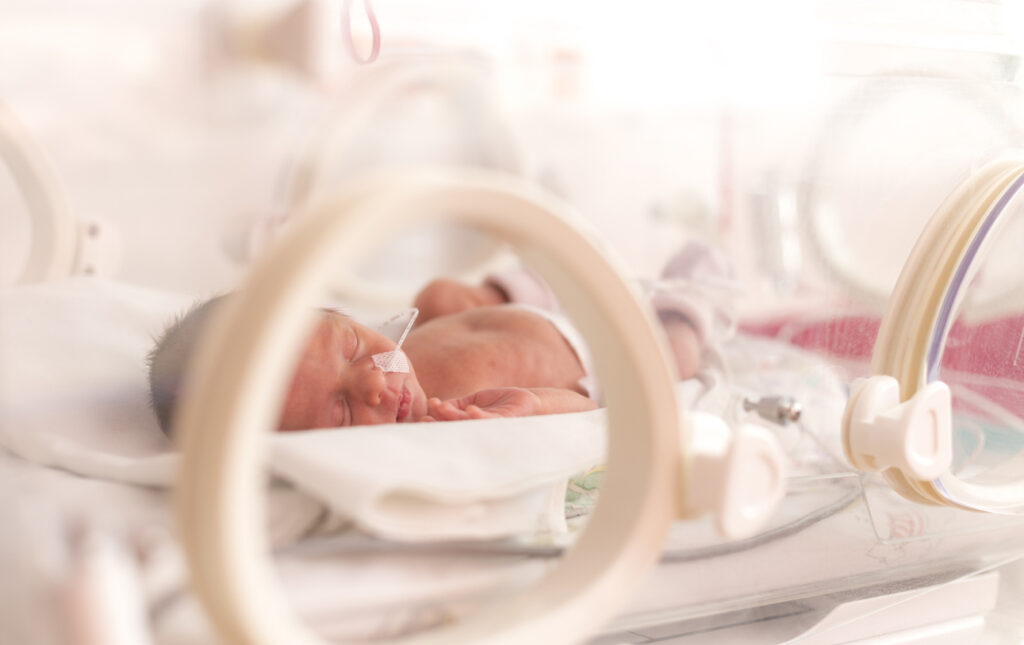
We secure compensation, answers and support for children affected by kernicterus brain injury.

Kernicterus is a rare but serious complication of untreated jaundice in newborn babies, which causes permanent injury to the baby’s brain. This dangerous condition is preventable with correct neonatal care of the newborn baby. Kernicterus brain injury claims usually arise from cerebral palsy and severe disability caused by delays in referral, diagnosis and treatment of newborn babies with jaundice by midwives, health visitors, hospital doctors or GPs.
For over 30 years, Boyes Turner’s neonatal brain injury solicitors have secured outstanding compensation settlements for children with kernicterus brain injury to meet their needs for care, adapted accommodation, therapies and specialist support throughout their lives. If your child has suffered kernicterus brain injury, you can contact us for free, confidential advice from a neonatal brain injury solicitor. Your child may be entitled to substantial compensation.
- Nationally recognised birth injury specialists with decades of experience
- Access to leading medical experts and rehabilitation professionals
- Proven track record of securing life-changing compensation for families
- Dedicated support from initial enquiry through to settlement
- No upfront costs and claim through a no win no fee agreement
Starting a kernicterus brain injury claim
If you think that your child may have suffered a kernicterus brain injury, or if you have been contacted by MNSI or NHS Resolution, we recommend that you contact our medical negligence team as soon as possible. We support parents through the difficult conversations, investigations, and decisions that follow a baby’s brain injury or diagnosis and help you protect your child’s entitlement to compensation.
You can contact us by telephone or by email for free, confidential advice from a neonatal brain injury claims solicitor. We will ask you to tell us briefly about your child’s neonatal care and their injury, and advise you about whether we can help you begin your claim and any time limits that apply. Your solicitor will discuss with you how your claim will be funded and advise how that works and what it will mean for you. We offer a range of funding options, but most of our clients’ claims are handled on a ‘no win no fee’ basis.
Once we have gathered the necessary evidence for your claim to proceed, we will notify the healthcare provider (usually represented by NHS Resolution) of your claim. We aim to make NHS Resolution accept full responsibility for your child’s injury as quickly as possible, so that we can obtain interim payments to help your family move to more suitable accommodation or adapt your home, and pay for the care, therapies and educational support that your child needs.
If the healthcare provider or their legal representatives at NHS Resolution deny liability, we will advise you about the best way to proceed with your claim. This may involve issuing court proceedings or inviting NHS Resolution to enter into settlement negotiations or mediation.

No win, no fee
No hidden or upfront costs. Clear, straightforward advice. Nothing to pay unless your claim is successful.
Over 30 years’ experience
We have helped thousands of clients claim compensation.
Fully regulated
Authorised and regulated by the Solicitors Regulation Authority.
Jaundice and kernicterus brain injury FAQs
What is jaundice?
Jaundice is a common, and often harmless, condition that affects newborn babies. Neonatal jaundice is caused by a build-up of bilirubin in the baby’s blood.
Bilirubin is a naturally occurring yellow pigment that is formed during the body’s normal process of breaking down old red blood cells. Bilirubin is processed by the liver, then moves to the bile duct and gallbladder (where it is stored) then into the small intestine as bile, where it helps digest fats before being passed out of the body as waste.
Hyperbilirubinaemia occurs when a newborn baby’s undeveloped liver can’t process all the bilirubin, leaving an abnormally high amount of bilirubin in their blood. The excess bilirubin causes the yellow discolouration which is seen in babies with jaundice.
Common signs of jaundice include:
- yellow discolouration of the baby’s skin;
- yellow discolouration of the whites of the baby’s eyes;
- dark stained urine which is visible in the nappy;
- stools which are pale and chalky rather than the usual yellowish brown.
Newborn babies with jaundice must be diagnosed and their bilirubin levels must be carefully monitored and treated to prevent the development of kernicterus.
Jaundice can also be an indication of other serious health conditions, such as:
- liver disease;
- infection or sepsis;
- blood group (Rhesus) incompatibility between the mother and baby’s blood;
- bruising and metabolic disorders;
- sickle cell anaemia;
- enzyme deficiencies.
What is kernicterus?
Kernicterus is a dangerous, but preventable, complication of neonatal jaundice which causes damage to the newborn baby’s brain. Bilirubin is a yellow substance that is produced naturally in the body by red blood cells breaking down. Bilirubin is usually processed by the liver and then passed out of the body as waste. Some newborn babies cannot remove bilirubin from their blood effectively, as their liver is not fully developed.
Kernicterus occurs when the amount of bilirubin in a newborn baby’s blood is not properly monitored or controlled by timely treatment. Excess bilirubin in the blood or ‘hyperbilirubinaemia’ (or hyperbilirubinemia) requires careful monitoring and, where necessary, phototherapy or exchange transfusion treatment. If allowed to build up to dangerous levels, bilirubin that has not been processed by the liver can cause irreversible damage to the brain and spinal cord. This type of injury to the brain is sometimes called bilirubin encephalopathy. The pattern of damage and yellow staining that it causes to the brain is known as kernicterus.
What causes kernicterus?
Kernicterus brain injury is caused by a dangerous build-up of bilirubin in the blood as a result of incorrect monitoring and treatment of jaundice in a newborn baby’s first few days of life.
All newborn babies have an increased risk of developing neonatal jaundice, but in most cases their jaundice will resolve naturally.
Babies are more at risk of developing kernicterus where:
- the baby was born prematurely or pre-term;
- the newborn baby develops jaundice within the first 24 hours of life;
- the newborn baby is solely breast fed;
- the baby has a sibling who suffered from hyperbilirubinaemia (excess bilirubin or severe jaundice).
Kernicterus is usually preventable with correct monitoring and treatment. Most kernicterus brain injury claims arise from inadequate monitoring of babies with excess bilirubin in their blood and delayed or inadequate treatment of babies whose bilirubin levels are rising rapidly or above the treatment threshold.
Can kernicterus be prevented?
Kernicterus is preventable with correct maternity and neonatal care, which includes:
- awareness of the risks;
- early recognition of the signs of neonatal jaundice;
- careful monitoring of the baby’s jaundice and bilirubin levels;
- safety-netting advice to parents on seeking medical help if their baby deteriorates at home;
- timely phototherapy or exchange transfusion treatment if bilirubin reaches threshold levels.
With correct and timely neonatal hospital, midwifery and GP care, kernicterus should not occur.
What is the treatment for neonatal jaundice?
Mild neonatal jaundice often resolves without treatment, but it must be diagnosed and carefully monitored to ensure that the bilirubin in the baby’s blood does not exceed safe (threshold) levels.
Persistent neonatal jaundice or worsening hyperbilirubinaemia should be treated with a special light treatment known as phototherapy. Some babies may also need an exchange transfusion to safely remove the excess bilirubin from their blood.
Failure to recognise neonatal jaundice, or delayed or incorrect monitoring and treatment of hyperbilirubinaemia can lead to permanent disability from kernicterus brain injury.
Kernicterus brain injury should not occur with correct care.
Can medical negligence cause kernicterus brain injury?
Negligent delays and mistakes in the diagnosis, monitoring and treatment of jaundice can lead to kernicterus brain injury and are a common cause of neonatal brain injury and cerebral palsy claims against hospitals, GPs and community midwives.
Kernicterus brain injury is preventable with correct detection, monitoring and treatment of neonatal jaundice. Kernicterus should not occur if a newborn baby has received proper neonatal care.
Medical negligence claims arising from neonatal jaundice and kernicterus brain injury often involve one or more of the following mistakes:
- failing to examine or observe a newborn baby for signs of jaundice;
- inadequate visual examination for signs of jaundice in a darker skinned baby;
- delayed diagnosis or failure to recognise signs of neonatal jaundice;
- delays or failure to refer or admit the baby to hospital;
- failing to monitor the baby’s jaundice or bilirubin levels;
- delayed or inadequate treatment for hyperbilirubinaemia;
- ignoring parental concerns about their baby’s potential signs of jaundice;
- failing to provide safety-netting advice to the baby’s parents.
If your baby has suffered kernicterus brain injury, we recommend you contact us for free, confidential advice from our specialist kernicterus injury solicitors. If your baby’s brain injury was caused by medical negligence they may be entitled to substantial compensation.
What are common early signs of kernicterus?
Kernicterus develops from untreated jaundice. If your baby has jaundice (bilirubinaemia) which is not being monitored and/or treated, you should seek medical advice straight away.
Early signs of brain injury from kernicterus can include:
- the baby doesn’t respond to stimulus, such as hands clapping in front of them;
- poor feeding;
- floppiness (decreased muscle tone);
- fits (seizures);
- arching of the spine.
What disability is caused by kernicterus negligence?
Negligent failure to diagnose, monitor or treat jaundice can result in kernicterus brain injury with severe, lifelong disability from:
- cerebral palsy;
- learning disability;
- hearing loss;
- visual impairment;
- problems with teeth.
Making a kernicterus brain injury claim
We understand how daunting it can feel to take the first step. Our specialist birth injury solicitors are here to guide you through every stage.

Getting in touch
Call us or complete our online form for free, confidential advice from a specialist birth injury solicitor experienced in jaundice and kernicterus brain injury claims. We will listen carefully to your concerns, explain your legal options in clear and straightforward terms, and advise whether we can help investigate whether your baby’s jaundice was recognised, monitored and treated appropriately.

The kernicterus brain injury claim
Our jaundice and kernicterus brain injury claims specialists will obtain your baby’s medical records, instruct independent medical experts, and investigate whether signs of jaundice were identified and managed appropriately after birth. We will build a clear picture of what happened and whether your child’s brain injury could have been prevented. Where appropriate, we can seek an interim payment to help meet your child’s immediate care and support needs.
Securing compensation
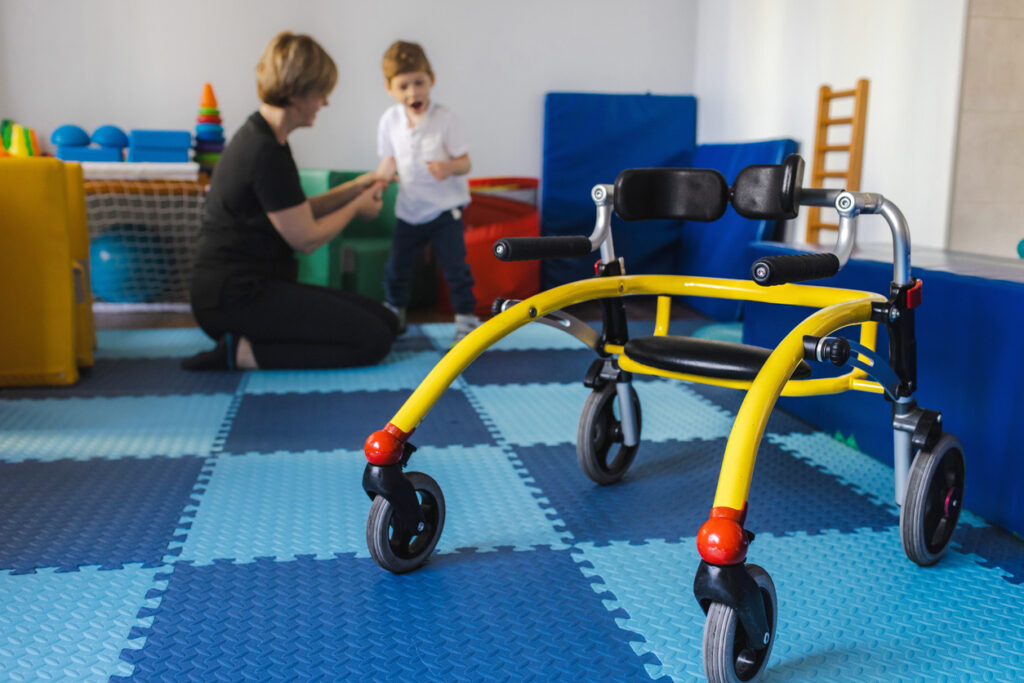
Our solicitors provide compassionate support throughout your jaundice and kernicterus brain injury claim, working to secure the maximum compensation as quickly as possible to help fund your child’s lifelong care, therapies, specialist equipment, adapted accommodation and other essential support.
Contact us
If you would like advice regarding a serious injury or illness affecting you or a loved one, please complete the form and one of our experts will be in touch as soon as possible.
Rather give us a call:

Client story
$23 million compensation
We negotiated a $23 million damages settlement for a boy who suffered kernicterus brain damage in the first few days after his birth.
Our kernicterus brain injury claims

Podcast
Video
$23 million compensation for boy with cerebral palsy from kernicterus brain damage

Podcast
Video
£7 million settlement after delayed referral for treatment for jaundice led to kernicterus brain injury and cerebral palsy

Podcast
Video
Admission of liability for young boy with kernicterus related brain damage
Podcast
Video
Compensation after delayed treatment of jaundice caused kernicterus brain injury in premature baby

Podcast
Video
Compensation for baby with kernicterus brain injury after failure to diagnose and treat neonatal jaundice

Podcast
Video
Judgment for child’s cerebral palsy after failure to treat neonatal (newborn) jaundice
Our medical negligence team












What our clients say
We cannot thank Susan and her team at Boyes Turner enough

What our clients say
We would all highly recommend them

Our clients receive the highest standards of advice and representation and are always treated with compassion, outstanding care and understanding of the physical, emotional, psychological and financial impact that life-changing injury can have upon their lives.
- We are nationally acclaimed for our claimant medical negligence expertise and the outstanding results we achieve for our clients.
- We are ranked as leading clinical negligence experts in the Chambers Directory and Legal 500 guides to the legal profession and are accredited for our specialist expertise by the Law Society, AvMA, and the Association of Personal Injury Lawyers (APIL).
- Our integrated multidisciplinary team offers our clients a full range of specialist help with compensation, rehabilitation, SEN, deputyship, personal injury trusts and community care.
- We secure maximum compensation in claims for adults and children who have suffered catastrophic injury and severe disability, and provide practical support for their families.
Related kernicterus brain injury insights

Podcast
Video
Five common reasons why babies are admitted to SCBU, NNU or NICU

Podcast
Video
Blindness and visual impairment in neurological injury claims

Podcast
Video
What medical records do I need for a birth injury claim?
Podcast
Video
Understanding the Neonatal Care (Leave and Pay) Act 2023: Key Changes for Parents and Employers

Podcast
Video
Birth Trauma Inquiry reveals scandalous levels of disregard and poor care for mothers in UK maternity units
Podcast
Video
MBRRACE-UK report finds increase in stillbirths and neonatal deaths and widening inequalities

Podcast
Video
Martha’s Rule: giving hospital patients and their families direct access to a second opinion

Podcast
Video
HSIB’s report on delayed detection of neonatal jaundice is healthcare failing premature and darker-skinned babies?

Podcast
Video
Neonatal Jaundice – myths and midwife mistakes
Podcast
Video
What are jaundice and kernicterus?
Related birth injury claims
Hypoxic brain injury claims for babies (HIE)
Neonatal brain injury claims
Cerebral palsy
Birth injury
Leading medical negligence solicitors for over 30 years



Get help today
- Free & no obligation initial advice
- Speak directly to a solicitor
- No upfront costs & no win no fee