Statutory Will Solicitors


Trusted legal support for Statutory Wills, helping ensure estates are managed fairly and in accordance with the law.

Most people know that making a will is a good idea. It allows you to say how your estate should be dealt with when you pass away and makes dealing with your estate much easier for your loved ones. But what if someone lacks the mental capacity to make a will?
If a person is over 18 and lacks the mental capacity to make a Will, then an application can be made to the Court of Protection for a Statutory Will to be made on their behalf.
- Nationally recognised Court of Protection specialists with decades of experience
From assessing whether a Statutory Will is appropriate to preparing the application and representing our clients throughout the process, we can manage every stage on their behalf.
- Sensitive, practical legal advice tailored to the unique circumstances of each client and their family.
- We explain complex legal matters in plain English, ensuring you understand your options and can make informed decisions with confidence.
Making a Statutory Will
A Statutory Will allows you to modify or create a Will for someone who lacks mental capacity, providing certainty over the future of their estate and helping to avoid confusion and conflict between family members.
Our Statutory Will Solicitors have decades of experience helping clients apply to the Court of Protection on behalf of vulnerable people. We can provide clear, sensitive guidance to help you put in place a fair, legally-sound will for a vulnerable person.
Our advice is to always get professional help with a Statutory Will to ensure all the essential details are taken care of and to keep the application process as smooth and stress-free as possible.
The process to make a Statutory Will begins with an application to the Court of Protection. The application consists of supporting documents and details such as the proposed Will, consent of proposed executors, details of income and outgoings and evidence to show lack of mental capacity. A hearing may be necessary if there are any disputes. If the application is then approved, the Will is signed and sealed by the Court of Protection.

Specialised team
We have a specialised and dedicated Court of Protection team.
Over 30 years’ experience
We have been trusted to help hundreds of clients and their families secure care and funding.
Fully regulated
Authorised and regulated by the Solicitors Regulation Authority.
Statutory Will FAQs
What is a Statutory Will?
A Statutory Will is a type of Will that the Court of Protection can put in place for someone when they lack the capacity to make a Will for themselves. A Statutory Will covers all of the issues a standard Will does, including what will happen to the vulnerable person’s home, their savings, investments and any other assets.
The Mental Capacity Act 2005 allows the Court to authorise the creation of the Will. The person who made the application can then make a Will for the vulnerable person, and usually the Official Solicitor is appointed to represent them as an independent person.
A Statutory Will should reflect the best interests of the vulnerable person in whose name it is being made. The applicant and the Court will need to consider what the person would have put in their Will if they were able to make it themselves, bearing in mind the vulnerable person’s values and the decisions they have made in the past.
Why do you need a Statutory Will?
If a person does not have ‘testamentary capacity’ to make a Will, then an application should be made to the Court of Protection. A person will not have capacity to make a Will if they cannot:
- Understand what a Will is, and it’s effect
- Understand what they own and what they are giving away under the Will
- Understand that others may have a claim on their estate
Without a Statutory Will, a person’s estate will be dealt with in accordance with their last Will (which may be out of date) or, if there is no Will, then the Intestacy Rules will be followed. The Intestacy Rules require the deceased’s assets to be distributed to the next of kin in strict order, which may not be what the deceased would have wanted.
Making an application to the Court of Protection to create a Statutory Will, can allow an out-of-date Will to be modified or a new Will to be created, helping to ensure a vulnerable person’s estate will be dealt with in the way they would have wished.
When should a Statutory Will be made?
The right time to make a Statutory Will depends on the circumstances.
Typically, people will want to think about applying for a Statutory Will at the point where a loved one loses mental capacity, where a vulnerable young person is nearing the age of 18 or where there has been a significant change in a vulnerable person’s circumstances, such as if their spouse has passed away, they have received an inheritance, or they have been awarded personal injury compensation.
While an application can only be finalised once the vulnerable person is over the age of 18, the preparation for an application can be started once a person turns 17. This is because it can take several months to collect the information required and prepare the application, then several more months for the application to be processed.
Who can apply to the Court of Protection to make a Statutory Will?
The application to create a Statutory Will is usually made by someone acting as a Court of Protection Deputy for the person for whom the Will is being made.
However, if an adult made a Lasting Power of Attorney (LPA) before losing capacity, and it has been registered, then their Attorney can make the application.
Other people can make an application for Statutory Wills, but may need the permission of the Court to do so.
How do you apply to the Court of Protection to make a Statutory Will?
Applications for a Statutory Will involve considerable thought and paperwork, with clear guidelines set out by the Court of Protection that must be followed to ensure a successful application. All of the information required by these guidelines must be included in the application, otherwise it could be rejected or delayed, resulting in additional cost, time, and stress for you.
The information includes a family tree, financial information and a witness statement setting out the background about the incapacitated person, their medical condition, assets and needs, and how their estate would be distributed under the proposed Will.
Our Statutory Will solicitors can guide you through the entire application process, including filling out the relevant forms and ensuring you have all of the required supporting information. This can help to make applying for a Statutory Will much simpler, faster and easier.
What do I need for a Statutory Will application?
- An application form (COP1) – setting out the nature of the application, your details, the details of the vulnerable person and details of anyone who will need to be notified of the application e.g. relatives of the vulnerable person.
- A witness statement (COP24) – allowing you to provide written evidence about the vulnerable person on whose behalf you are applying for a Statutory Will.
- An information form (COP1C) – giving detailed information about the decisions you need to make for the vulnerable person about their Will.
- An assessment of capacity form (COP3) – with evidence from an approved professional about the capacity of the vulnerable person the application relates to.
What happens after you submit an application for a Statutory Will?
The Court can accept the application “on the papers”, allowing you to move straight ahead with creating a Statutory Will, or alternatively there may be a hearing when the Court believes there are issues to resolve before permission to create a Statutory Will can be granted. A hearing may be required if, for example, a relative of the vulnerable person opposes the application.
In either case, if the application is granted, the Court will normally appoint the Official Solicitor to advise and act for the incapacitated person in the creation of a Statutory Will. The person making the application works with the Official Solicitor to reach an agreed draft of the Will, which is then approved by the Court.
The Official Solicitor will consider what the person would have wanted and who they would include in their Will if they were able to voice their wishes.
What happens during a Court of Protection hearing for a Statutory Will?
If the Court of Protection decides a hearing is required before a decision can be made about creating a Statutory Will, the various parties involved will be invited to present evidence and the Court will then decide whether to grant the application. Court of Protection hearings usually take place in private but can take place in public if the Court feels this is appropriate.
We recommend having the support of a solicitor with strong experience in Court of Protection cases if a hearing is required for your application. This helps to ensure your case is prepared and presented in the most effective way and that you have the best chance of having your application granted.
How much does a Statutory Will application cost?
A court fee will be payable which we can advise on at the time. The Offical Solicitor will make a charge for their involvement and if you instruct solicitors to assist you, there will be legal fees for work carried out.
The general rule is that the costs of the proceedings (including the other parties costs, if any) are paid from the incapacitated person’s money.
Contact us
If you would like advice regarding a Court of Protection matter, please complete the form and one of our specialists will be in touch as soon as possible.
Rather give us a call:
Our statutory wills case studies

Podcast
Video
Eric’s case – Statutory Will

Podcast
Video
James – Statutory Wills Case

Podcast
Video
Janine – Statutory Wills Case

Podcast
Video
Anthony’s Case – Deputyship

Podcast
Video
Yvonne’s Case – Deputyship

Podcast
Video
Stephen’s Case – Deputyship and a Statutory Will
Our Statutory Wills Solicitors








What our clients say
Very positive experience

What our clients say
Very gratefully received
What our clients say
Thank you for a great result
What our clients say
Professional and efficient
What our clients say
Review following handling of our family’s social care case.
What our clients say
I would recommend
What our clients say
James is strategic and has high-quality written work
What our clients say
James Pantling-Skeet is absolutely stellar
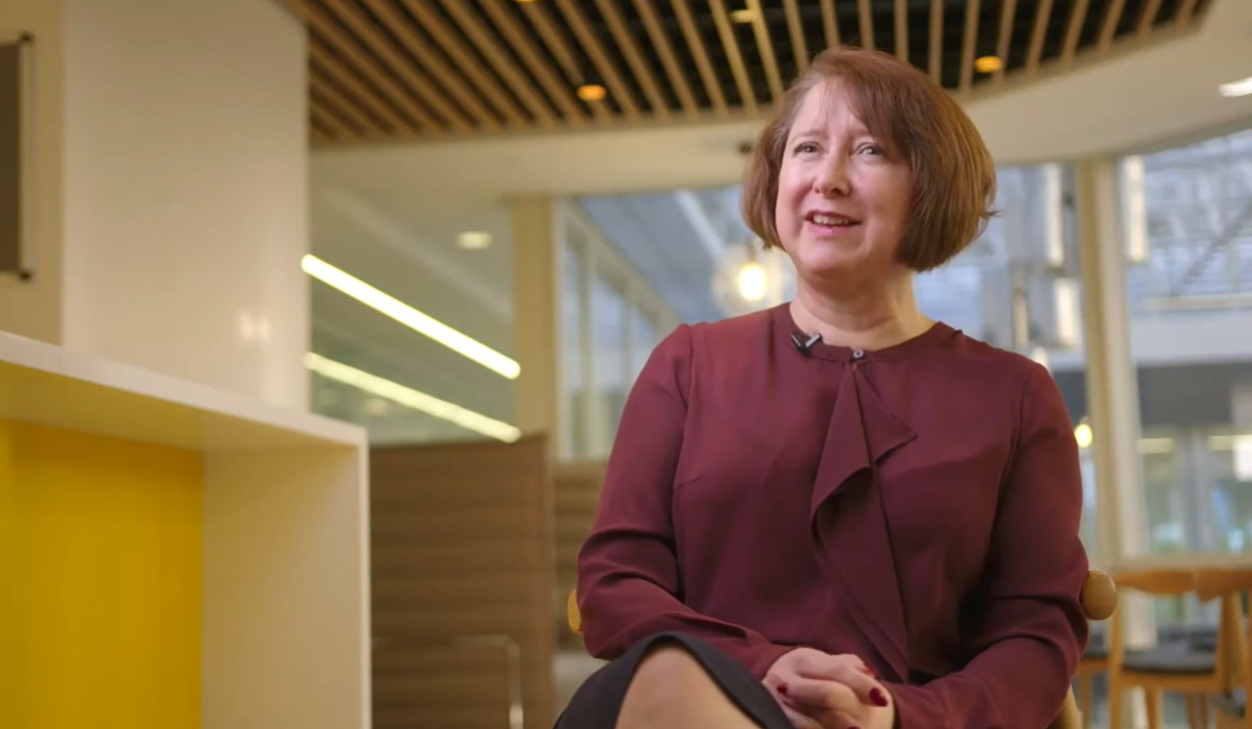
All decisions are always made in a client’s best interests, leaving the family free to concentrate on the care of their family member and not be burdened by paperwork. We also understand the emotional and practical implications of acting for a person who lacks mental capacity and the impact this can have on families. By appointing us as a professional Deputy, the family will have peace of mind in the knowledge that their family member is well-supported, and all financial paperwork is in order.
- We provide the highest standards of advice, understand that each individual has different needs, and offer a bespoke and caring service.
- We have established relationships with care agencies, therapists, fund managers and accountants to provide a ‘joined up’ approach for clients.
- We have an extensive and highly experienced Court of Protection team with proven skills in supporting clients in professional Deputyship, Community Care, Personal Injury Trusts and Statutory Wills.
- We are nationally acclaimed Court of Protection Solicitors. Boyes Turner is recognised as a leading law firm by legal directories Chambers Directory and the Legal 500.
Related statutory wills insights

Podcast
Video
Adapting a home for a child with complex needs: A Court of Protection journey

Podcast
Video
Court of Protection A-Z: Glossary of Court of Protection terms

Podcast
Video
What is a Disabled Facilities Grant (DFG)?

Podcast
Video
What is NHS Continuing Care? A guide to CHC funding

Podcast
Video
NHS Continuing Healthcare funding, how do I access it?

Podcast
Video
A guide to the Office of the Public Guardian and Deputy supervision

Podcast
Video
Conveyancing services for vulnerable clients through the Court of Protection and Personal Injury Trusts

Podcast
Video
Returning to practice after stroke: Emma’s journey as a solicitor

Podcast
Video
Pets and PI funds: Guidance for Court of Protection deputies
Podcast
Video
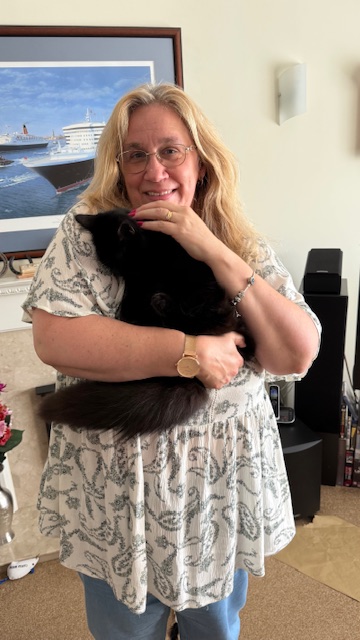
Meet the team – Sue Bowler

Podcast
Video
Deputies, Attorneys and Ethical Investing: Can ESG Reflect Best Interests?

Podcast
Video
Meet the Team Iqrah Tamimi
Leading Court of Protection solicitors for over 30 years
Our Court of Protection solicitors have been nationally recognised for over 30 years and partner with some of the top charities.





Get help today
- Free & no obligation initial advice
- Speak directly to a solicitor
- No upfront costs & no win no fee