Accident and emergency claims

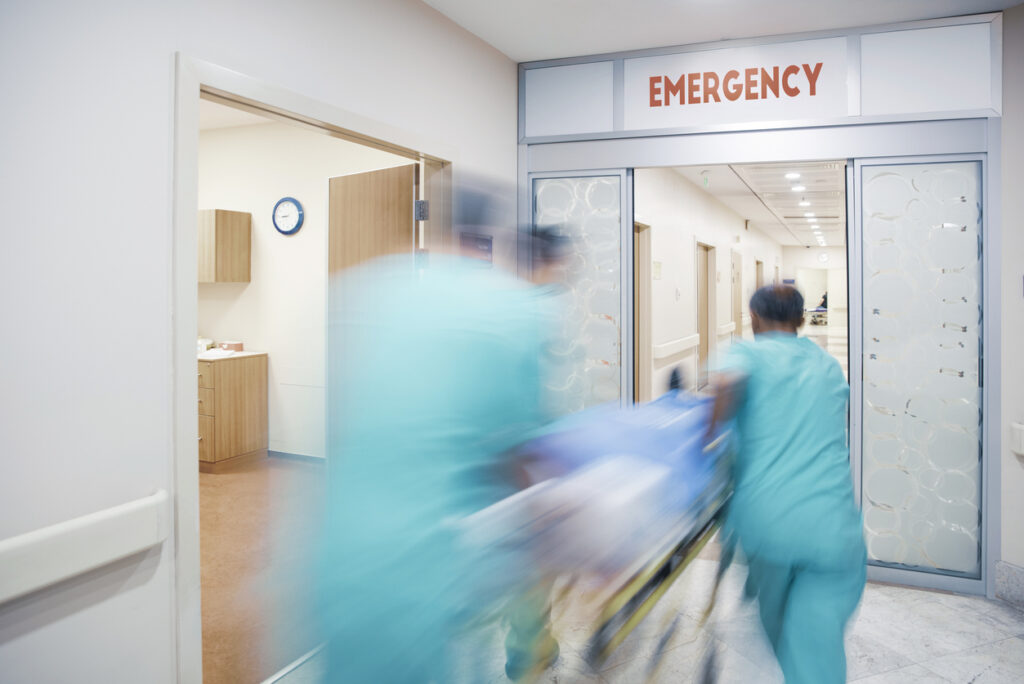
Helping you move forward after avoidable harm caused by negligent emergency care.

Patients have a right to expect accident and emergency departments to provide them with safe, timely and critical emergency care in times of acute or severe illness, traumatic injury or a life-threatening, medical emergency.
A&E staff make important decisions about a patient’s condition which determine whether they receive immediate treatment, admission to hospital, specialist review, or are discharged home or referred elsewhere. Delays and errors in A&E treatment can cause severe harm, life-long disability or fatal injury.
If you or a family member have suffered severe avoidable harm from A&E negligence, we can help you claim compensation.
- Nationally recognised medical negligence specialists with decades of experience
- Access to leading medical experts and rehabilitation professionals
- Proven track record of securing life-changing compensation for families
- Dedicated support from initial enquiry through to settlement
- No upfront costs and claim through a no win no fee agreement
A&E negligence claims
Spinal cord injury
VTE thrombosis
Subarachnoid haemorrhage
Meningitis claims
GP negligence claims
Cardiac and heart negligence
Ambulance claims
Starting your A&E negligence claim
For more than 30 years, Boyes Turner’s medical negligence solicitors have guided injured clients through the claims process to secure the compensation and support that they need to manage their disability and rebuild their lives.
You can contact us by telephone or by email for free, confidential advice from a medical negligence solicitor.
We will ask you to tell us briefly about your treatment in the accident and emergency department and any related medical care, as well as your current condition and disability. We will advise you about any time limits which may apply and whether we can help you investigate your claim. Once our investigations confirm you have grounds for a claim, we will notify the defendant healthcare provider (usually NHS Resolution) on your behalf and invite them to respond, giving them an opportunity to admit liability (responsibility for your injuries) before court proceedings are issued.
If liability is admitted, we will obtain a judgment from the court and apply for an interim payment to meet your needs arising from your disability. If the healthcare provider or their legal representatives at NHS Resolution deny liability, we will advise you about the best way to proceed your claim. This may involve issuing court proceedings or inviting NHS Resolution to enter into settlement negotiations or mediation.

No win, no fee
No hidden or upfront costs. Clear, straightforward advice. Nothing to pay unless your claim is successful.
Over 30 years’ experience
We have helped thousands of clients claim compensation.
Fully regulated
Authorised and regulated by the Solicitors Regulation Authority.
A&E negligence claims FAQs
What is A&E?
The accident and emergency department of a hospital or A&E provides emergency treatment for people with acute or sudden serious illness, medical emergencies or severe accidental or traumatic injuries. A&E units are sometimes known as ‘the emergency department’ or ED, or casualty.
Larger accident and emergency departments are consultant-led with full resuscitation facilities and are open to patients 24 hours a day. Smaller A&E units, such as ‘walk in centres’ or ‘minor injury units’, may be doctor or nurse-led and only treat minor illnesses and injuries. Some consultant-led A&E units only provide specialist treatment, such as eye casualty units.
What is triage?
When patients arrive at the accident and emergency department, the A&E or ED staff must assess quickly which patients should be prioritised for treatment, depending on their condition. This process is known as triage.
Patients are then assessed by a doctor or nurse and may be referred for further investigations, such as x-rays and scans, or for review or treatment by a specialist. They may be admitted to hospital for urgent treatment, referred to another hospital or back to their GP, given an appointment to attend a clinic at a later date, or sent home (discharged).
What is A&E negligence?
Due to its nature, the accident and emergency department is a fast-paced and high-pressure environment which has to respond quickly and effectively to the urgent and complex needs of its patients. Pressure on A&E departments can lead to severe and progressive injuries being missed or investigation, diagnosis and treatment being delayed with catastrophic consequences. Claims for A&E negligence usually arise from diagnosis errors, treatment errors, delays, incorrect prioritising of a patient’s need for treatment or negligently discharging a patient.
Misdiagnosis
A&E negligence claims involving diagnosis may include:
- failing to assess or examine a patient properly or take thorough information about their medical history or condition;
- making a wrong diagnosis or failing to make a diagnosis;
- failing to recognise red flag symptoms of emergency conditions;
- failure to monitor and observe the patient or notice deterioration in their condition;
- failing to carry out or follow up investigations (such as blood tests, scans, x-rays) or misinterpreting the results.
Delays
A&E negligence claims can arise from injury caused by delays:
- in assessing the patient or diagnosing their condition;
- in providing emergency or urgent treatment;
- in referring the patient for specialist review or transfer to another hospital;
- in admitting the patient to hospital for treatment.
Treatment errors:
A&E negligence claims can also arise from injuries caused by treatment errors such as:
- failing to provide emergency treatment (such as resuscitation, IV antibiotics);
- giving the wrong treatment, or using the wrong technique or equipment;
- medication errors;
- discharging a patient incorrectly, without treatment, referral or safety-netting advice.
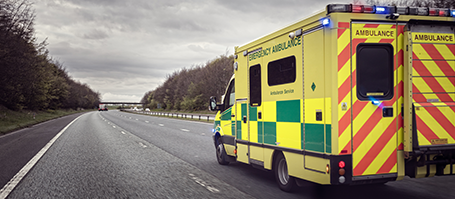
Claims for injuries caused by negligent treatment in medical emergencies may involve more than one healthcare provider. Find out more about GP Negligence claims or ambulance service, paramedic or NHS 111 negligence claims.
NHS Problems:
All areas of the NHS have a legal responsibility to provide safe care and to compensate patients who have been severely injured as a result of negligence. The patient’s right to claim is not affected by NHS problems such as:
- staff shortages;
- lack of training or trained staff;
- lack of government funding or resources;
- queues, overcrowding, or lack of capacity.
What injuries lead to A&E negligence claims?
Mistakes and delays in A&E treatment can cause severe injury. We can help patients claim compensation after negligent accident and emergency department treatment leads to:
- Brain injury, such as from delayed or incorrect response to:
- respiratory arrest and breathing problems;
- cardiac arrest or heart attack;
- brain haemorrhage (brain bleeding), stroke or epilepsy;
- emergencies in pregnancy and childbirth (birth injury);
- Spinal injury (SCI):
- tetraplegia;
- paraplegia;
- paralysis;
- cauda equina syndrome (CES);
- Amputation, including from:
- peripheral ischaemia;
- Infection such as meningitis or sepsis;
- thrombosis, clots, DVTs;
- severe allergic reactions or anaphylaxis.
- Damage to vital organs;
- Blindness;
- Long term disability;
- PTSD;
- Death or fatal injury.
Making an A&E negligence claim
We understand how daunting it can feel to take the first step. Our specialist medical negligence solicitors are here to guide you through every stage.

Getting in touch
Call us or complete our online enquiry form for free, confidential advice from a specialist A&E negligence solicitor. We will listen to your concerns, explain your options, and advise whether we can investigate if mistakes or delays in emergency care caused avoidable harm.

Supporting your claim
Our solicitors will review your medical records, instruct independent experts, and investigate whether you received appropriate assessment, diagnosis and treatment in A&E. Where negligence is identified, we can build a strong claim and, where appropriate, seek an interim payment to help meet immediate care and rehabilitation needs.

Securing compensation
We provide compassionate support throughout the claims process, working to secure the maximum compensation as quickly as possible to help fund ongoing treatment, rehabilitation, care, loss of earnings, adapted accommodation where needed, and other essential support.
Contact us
If you would like advice regarding a serious injury or illness affecting you or a loved one, please complete the form and one of our experts will be in touch as soon as possible.
Rather give us a call:
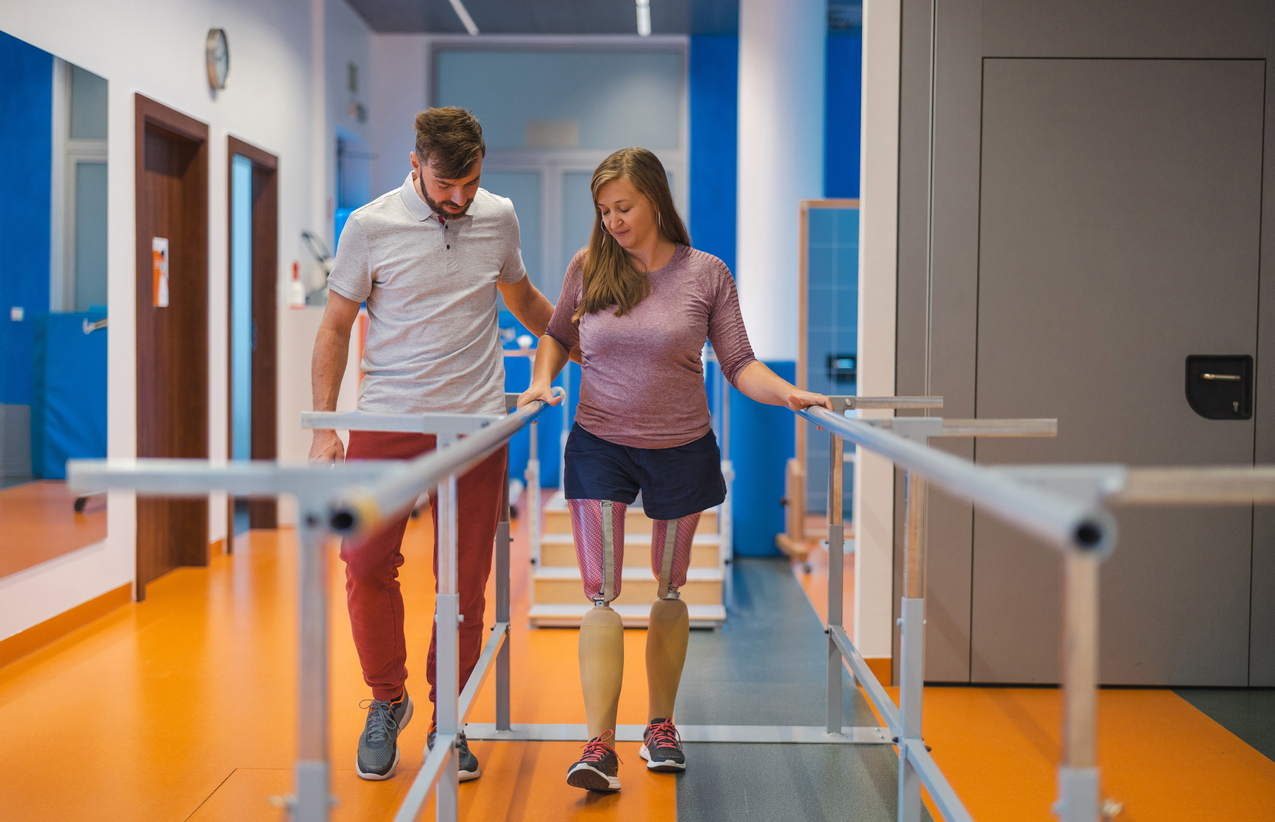
Client story
£1.6 million settlement
We secured compensation for a client who needed multiple amputations after negligent hospital treatment of sepsis.
Our A&E negligence claims

Podcast
Video
£1.75 million settlement for cauda equina syndrome (CES) after negligent safety netting and treatment delays
Podcast
Video
£1.6 million settlement for multiple amputee after negligent hospital treatment of sepsis

Podcast
Video
£200,000 settlement for bereaved family after negligent sepsis treatment leads to young woman’s death

Podcast
Video
£95,000 settlement for family following 58-year-old woman’s death from delays in diagnosis and treatment of sepsis

Podcast
Video
£300,000 settlement in cauda equina CES claim for 78-year-old woman with pre-existing spinal stenosis

Podcast
Video
Hospital admits liability in CES claim after delayed MRI scan, diagnosis and treatment cause patient’s disability

Podcast
Video
Client story: Dan talks candidly about his experience with cauda equina syndrome and making a CES claim
Podcast
Video
Liability admission after hospital fail to perform emergency MRI for cauda equina red flag symptoms

Podcast
Video
Liability admission after ‘safety netting’ failure delays diagnosis after ‘red flag’ symptoms of cauda equina (CES)

Podcast
Video
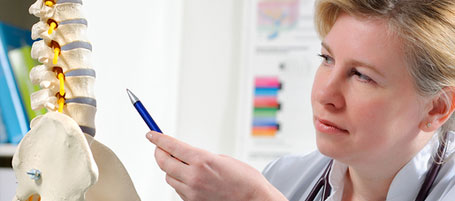
£92,500 settlement for our client after a delayed diagnosis of a torn Achilles tendon
Podcast
Video
Claim settled after a delay in diagnosis of Ewings sarcoma tumour of the spine

Podcast
Video
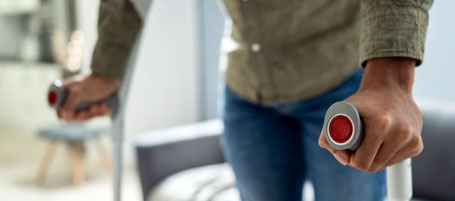
Claim settled for £55,000 following a delay in diagnosis of a fractured talus bone
Podcast
Video
Compensation settlement after two hospitals failed to diagnose and treat a ruptured quadriceps tendon

Podcast
Video
£205,000 compensation after A&E delayed diagnosis of haematoma
Our medical negligence team












What our clients say
Worked assiduously and painstakingly

What our clients say
You have given fantastic support and guidance
What our clients say
Very helpful and diligent
What our clients say
Very Professional
What our clients say
We cannot praise and thank the team enough
What our clients say
they kept us fully informed
What our clients say
This was a seamless and successful process
What our clients say
Professional lawyer
What our clients say
Professional, helpful and responsive
What our clients say
She listens
Our clients receive the highest standards of advice and representation and are always treated with compassion, outstanding care and understanding of the physical, emotional, psychological and financial impact that life-changing injury can have upon their lives.
- We are nationally acclaimed for our claimant medical negligence expertise and the outstanding results we achieve for our clients.
- We are ranked as leading clinical negligence experts in the Chambers Directory and Legal 500 guides to the legal profession and are accredited for our specialist expertise by the Law Society, AvMA, and the Association of Personal Injury Lawyers (APIL).
- Our integrated multidisciplinary team offers our clients a full range of specialist help with compensation, rehabilitation, SEN, deputyship, personal injury trusts and community care.
- We secure maximum compensation in claims for adults and children who have suffered catastrophic injury and severe disability, and provide practical support for their families.
Related A&E negligence insights

Podcast
Video
Understanding sepsis: Symptoms, warning signs and why early diagnosis matters

Podcast
Video
WHO publishes new global guidelines for the diagnosis, treatment and care of meningitis
Podcast
Video
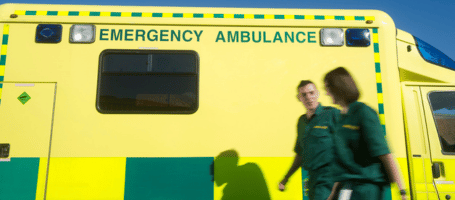
HSSIB: patients’ safety at risk from paramedics’ lack of competence in using ECGs

Podcast
Video
IPPR calls for action and access to timely, effective healthcare to prevent cardiovascular disease (CVD)

Podcast
Video
HSSIB finds patients at risk of harm from patient identification errors during NHS treatment

Podcast
Video
HSSIB warns gaps in guidance and training increases risk of harm for patients with ‘difficult airways’

Podcast
Video
Brain Tumour Charity’s survey finds delays and gaps in brain tumour patients’ diagnosis and care
Podcast
Video
Cauda Equina Syndrome and the new CES Pathway

Podcast
Video
HSIB report: Access to critical patient information at the bedside

Podcast
Video
Largest national study into hospital meningitis care finds failure to follow clinical guidelines
Leading medical negligence solicitors for over 30 years


Get help today
- Free & no obligation initial advice
- Speak directly to a solicitor
- No upfront costs & no win no fee