Meconium aspiration syndrome (MAS)

Supporting families with specialist advice to help secure the care and support their child needs.
Meconium can be a sign of fetal distress during labour. It can also obstruct the baby’s airway if it is inhaled (aspirated) before or during delivery, preventing the newborn baby from breathing. Midwives and doctors must recognise and react quickly to meconium and other signs that the unborn baby is lacking oxygen during labour. At birth, the neonatal team must act quickly to clear the baby’s airway of meconium and restore the baby’s ability to breathe in oxygen.
If a baby suffers a hypoxic brain injury (HIE) because their delivery is delayed after signs of fetal distress in labour or delays in clearing meconium from their airways and resuscitation after birth, they may be able to claim compensation.
If you have been contacted by NHS Resolution or MNSI after the birth of your baby, we strongly recommend that you contact us for free, confidential advice straight away. HIE birth injury claims must be handled by claimant specialist solicitors to protect the child’s full entitlement to compensation.
- Nationally recognised birth injury specialists with decades of experience
- Access to leading medical experts and rehabilitation professionals
- Proven track record of securing life-changing compensation for families
- Dedicated support from initial enquiry through to settlement
- No upfront costs and claim through a no win no fee agreement
Starting your meconium aspiration syndrome claim
For more than 30 years, Boyes Turner’s birth injury solicitors have guided injured patients and their families through the claims process to secure the compensation and specialist support that they need to manage their child’s disability and rebuild their lives.
You can contact us by telephone or by email for free, confidential advice from a medical negligence solicitor. We will ask you to tell us briefly about your child’s birth and their injury, and advise you about whether we can help you begin your claim and any time limits that apply. Your solicitor will discuss with you how your claim will be funded and advise how that works and what it will mean for you. We offer a range of funding options, but most of our clients’ claims are handled on a ‘no win no fee’ basis.
Once we have gathered the necessary evidence for your claim to proceed, we will notify the healthcare provider (usually represented by NHS Resolution) of your claim. We aim to make NHS Resolution accept full responsibility for your child’s injury as quickly as possible, so that we can obtain interim payments to help your family move to more suitable accommodation or adapt your home, and pay for the care, therapies and educational support that your child needs.
If the healthcare provider or their legal representatives at NHS Resolution deny liability, we will advise you about the best way to proceed with your claim. This may involve issuing court proceedings or inviting NHS Resolution to enter into settlement negotiations or mediation.

No win, no fee
No hidden or upfront costs. Clear, straightforward advice. Nothing to pay unless your claim is successful.
Over 30 years’ experience
We have helped thousands of clients claim compensation.
Fully regulated
Authorised and regulated by the Solicitors Regulation Authority.
Meconium aspiration syndrome claims FAQs
What is meconium?
Meconium is the medical name for a newborn baby’s first faeces (poo). Meconium is dark green, thick and sticky and contains the material that the unborn baby ingested in their mother’s womb. Once the baby starts feeding on colostrum and milk, their faeces become more yellow.
What does the presence of meconium mean during labour and birth?
It is normal for a baby to pass dark green, sticky meconium in the hours immediately after birth. It is also common for the amniotic fluid, which drains from the mother in labour after her waters break, to be discoloured or ‘stained’ with meconium.
During labour and delivery, if the amniotic fluid contains significant meconium this can also indicate ‘fetal distress’. This is because when a fetus (unborn baby) is not getting enough oxygen their intestinal activity increases. This relaxes the anal sphincter allowing meconium to pass into the amniotic fluid that surrounds the baby.
If the baby inhales or ‘aspirates’ meconium into their lungs, such as by gasping for oxygen, their airway can become blocked by sticky or lumpy meconium.
What causes meconium aspiration syndrome?
Meconium aspiration syndrome (MAS) occurs when a baby inhales (or aspirates) meconium which has been passed into the amniotic fluid which surrounds them during labour and birth. The sticky or lumpy meconium can block the newborn baby’s airway, making it difficult for them to breathe oxygen.
If the meconium is not cleared quickly from the baby’s trachea (windpipe) and lungs, it can result in respiratory distress, causing (or increasing an existing episode of) oxygen deprivation, leading to HIE brain injury or the baby’s death.
What are the signs of meconium aspiration?
A baby who is suffering from respiratory distress as a result of meconium aspiration may show the following signs:
- breathing rapidly;
- grunting;
- retraction (pulling in) or distention (pushing out) of their chest;
- cyanosis (blue skin colour from reduced oxygen saturation).
Is meconium a sign of fetal distress?
Meconium can be a sign of fetal distress. If dark green or black, thick or lumpy meconium drains from the mother after her waters are broken in labour this should warn the midwives that the unborn baby might be suffering from distress.
When there are signs of fetal distress, such as meconium, the labour and delivery must be monitored and managed carefully to avoid injury to the baby.
In these circumstances, correct care should usually include:
- continuous electronic monitoring of the fetal heart rate and maternal contractions by cardiotocograph (CTG);
- review by an obstetrician (doctor) if meconium and other abnormalities mandate urgent delivery of the baby;
- expedited delivery by forceps, Ventouse (kiwi) or caesarean section.
Preparations should also be made for the birth of a baby who might have aspirated meconium, to avoid delay in restoring the baby’s oxygen supply. This includes warning the neonatal unit paediatricians that a baby with possible meconium aspiration is about to be born. The paediatricians should attend the delivery, fully equipped and ready if needed to clear the baby’s airway and lungs and provide resuscitation or ventilation.
Can meconium cause brain injury?
Meconium can cause hypoxic brain injury (HIE) by blocking the newborn baby’s airway and making it difficult for them to breathe in oxygen at birth.
Meconium is also one of many warning signs during labour and delivery which should alert midwives to the possibility that lack of oxygen is causing fetal distress.
Acute hypoxia, a short but profound period of oxygen starvation during labour and birth, can permanently damage a baby’s brain in a matter of minutes. Any delays in delivery of a baby who is suffering from lack of oxygen (hypoxia) can result in permanent injury to their brain.
Delayed action to clear meconium from the baby’s airway (to allow them to breathe) or to provide resuscitation immediately after birth can extend the length of time that the baby is without oxygen. In some cases, this additional delay in restoring the baby’s oxygen supply after birth can turn a reversible episode of hypoxia into irreversible brain injury and permanent disability, or death.
What type of injury can be caused by meconium aspiration?
Severe meconium aspiration after delays in delivering the baby, clearing the airway and resuscitating the newborn baby at birth, can lead to permanent disability from:
- hypoxic brain injury or HIE;
- cerebral palsy;
- developmental disability;
- motor (muscle movement) or physical disability;
- learning disability.
What compensation can I claim for my child’s meconium aspiration birth injury?
The amount of compensation that can be claimed after meconium aspiration causes HIE birth injury depends on the child’s disability, its impact on their life and the cost of meeting the additional needs, losses and expenses that are caused by their disability.
Claims arising from meconium aspiration and HIE brain injury or cerebral palsy, may include compensation for:
- pain, suffering and disability;
- costs or care and case management;
- therapies (physiotherapy, occupational therapy (OT), speech and language therapy;
- increased costs of suitable accommodation or home adaptations;
- specialist equipment, vehicles and assistive technology (IT);
- costs of surgery or medical treatment;
- loss of earnings and pension;
- support with special educational needs (SEN);
- Court of Protection deputyship.
Making a meconium aspiration syndrome claim
We understand how daunting it can feel to take the first step. Our specialist meconium aspiration syndrome solicitors are here to guide you through every stage.

Getting in touch
Call us or complete our online form for free, confidential advice from a specialist birth injury solicitor experienced in meconium aspiration syndrome (MAS) claims. We will listen carefully to your concerns, explain your legal options in clear and straightforward terms, and advise whether we can help investigate the care provided during your child’s birth.

Supporting your claim
Our meconium aspiration syndrome (MAS) claims specialists will obtain your child’s medical records, instruct independent medical experts, and investigate whether signs of fetal distress, meconium aspiration or breathing difficulties were identified and managed appropriately during labour and after birth.
Securing compensation
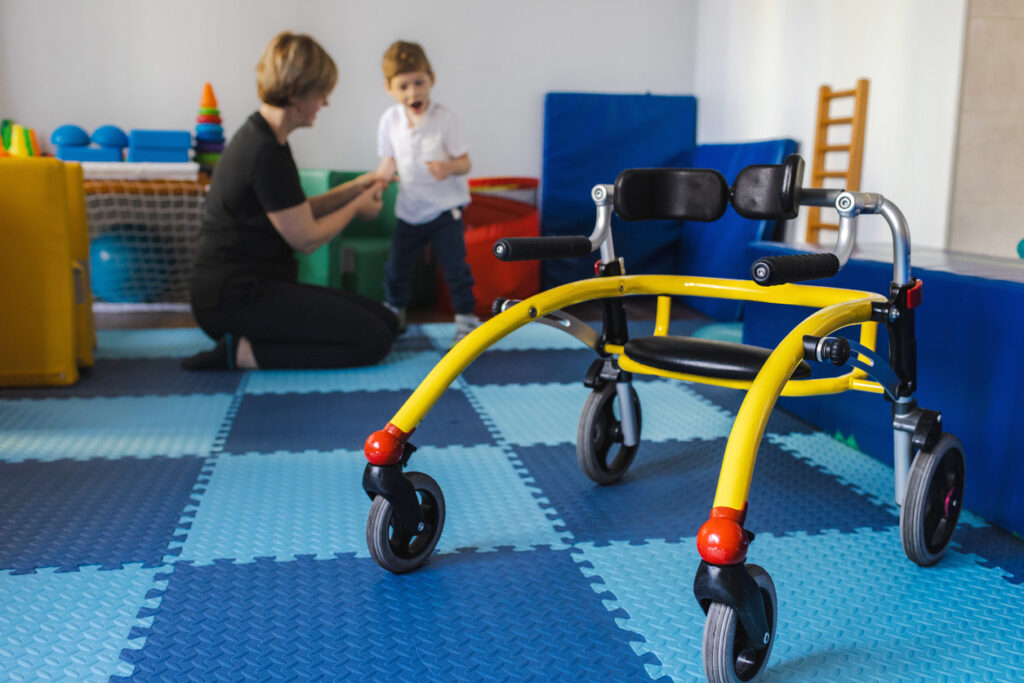
Our solicitors provide compassionate support throughout your child’s meconium aspiration syndrome (MAS) claim, helping your family secure the compensation needed to support their care, rehabilitation, education and future needs.
Contact us
If you would like advice regarding a serious injury or illness affecting you or a loved one, please complete the form and one of our experts will be in touch as soon as possible.
Rather give us a call:
Related birth injury claims

Podcast
Video
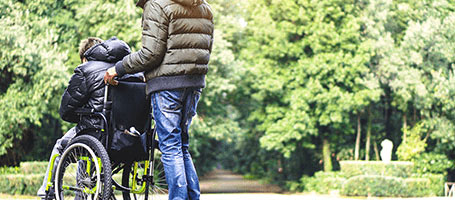
£5 million lump sum, lifelong annual payments of £232,750pa for care and Treloar’s SEN funding for boy with cerebral palsy
Podcast
Video
£16 million settlement for teenager with cerebral palsy from hypoxic brain injury during delayed delivery

Podcast
Video
£19 million settlement for girl with dyskinetic cerebral palsy caused by negligent midwifery and obstetric care during labour

Podcast
Video
£3 million settlement for young man with physical disability from cerebral palsy caused by hypoxic injury at birth
Podcast
Video
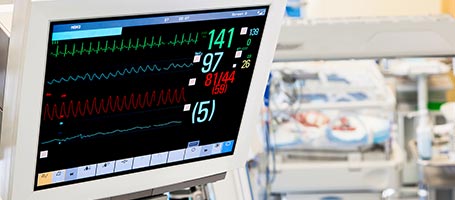
£4.6 million plus lifelong payments of up to £360,000pa for child with severe dystonic cerebral palsy birth injury
Podcast
Video
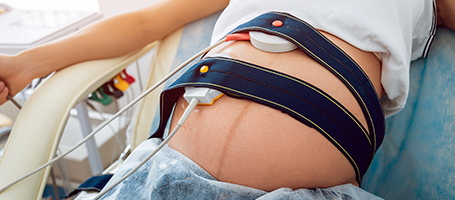
£13 million settlement for young woman with neurological disability from maternity mistakes at birth
Podcast
Video
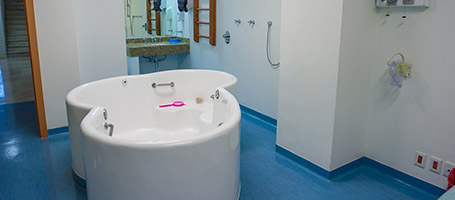
£11.5 million settlement for boy with cerebral palsy caused by negligent midwifery care during ‘water birth’

Podcast
Video
£2,225,000 compensation settlement for boy with cerebral palsy caused by twin-to-twin transfusion (TTTS)
Podcast
Video
Multi-million dollar settlement for a child with cerebral palsy caused by a birth injury at a London hospital

Podcast
Video
Settlement of £9m plus up to £273,000pa for client with cerebral palsy after high risk mother sent home with PROM

Podcast
Video
£21 million settlement for teenager with cerebral palsy from negligently delayed delivery

Podcast
Video
£3.1 million lump sum for brain injury suffered at birth

Podcast
Video
£7 million settlement after delayed referral for treatment for jaundice led to kernicterus brain injury and cerebral palsy

Podcast
Video
£3.7 million and lifelong payments of up to £153,000pa for boy with mild cerebral palsy and four limb dystonia
Our medical negligence team











What our clients say
We cannot thank Susan and her team at Boyes Turner enough

What our clients say
We would all highly recommend them

Our clients receive the highest standards of advice and representation and are always treated with compassion, outstanding care and understanding of the physical, emotional, psychological and financial impact that life-changing injury can have upon their lives.
- We are nationally acclaimed for our claimant medical negligence expertise and the outstanding results we achieve for our clients.
- We are ranked as leading clinical negligence experts in the Chambers Directory and Legal 500 guides to the legal profession and are accredited for our specialist expertise by the Law Society, AvMA, and the Association of Personal Injury Lawyers (APIL).
- Our integrated multidisciplinary team offers our clients a full range of specialist help with compensation, rehabilitation, SEN, deputyship, personal injury trusts and community care.
- We secure maximum compensation in claims for adults and children who have suffered catastrophic injury and severe disability, and provide practical support for their families.
Related birth injury claims
Hypoxic brain injury claims for babies (HIE)
Neonatal brain injury claims
Cerebral palsy
Birth injury
Related meconium aspiration syndrome insights

Podcast
Video
Can meconium aspiration cause brain injury?

Podcast
Video
Birth Trauma Inquiry reveals scandalous levels of disregard and poor care for mothers in UK maternity units
Podcast
Video
MBRRACE-UK report finds increase in stillbirths and neonatal deaths and widening inequalities
Leading medical negligence solicitors for over 30 years


Get help today
- Free & no obligation initial advice
- Speak directly to a solicitor
- No upfront costs & no win no fee