Twin pregnancy birth injury claims


Helping families secure the support they need after birth injuries linked to twin pregnancies.

Mothers who are expecting more than one baby need specialist maternity care. Twin pregnancies must be carefully monitored for harmful conditions, such as twin-to-twin transfusion syndrome (TTTS), and also have a higher risk of complications, such as intrauterine growth restriction (IUGR), pre-eclampsia, and gestational (pregnancy-related) diabetes.
Twin pregnancies must be treated as high risk throughout the mother’s antenatal care, labour and delivery, and in the neonatal (newborn) period immediately after birth. Regular scanning and monitoring throughout pregnancy, and careful planning, monitoring and management of the delivery are essential to ensure a safe outcome for the mother and her babies.
If you, or your children, have been injured by negligent maternity or neonatal care, you may be entitled to claim compensation.
- Nationally recognised birth injury specialists with decades of experience
- Access to leading medical experts and rehabilitation professionals
- Proven track record of securing life-changing compensation for families
- Dedicated support from initial enquiry through to settlement
- No upfront costs and claim through a no win no fee agreement
Starting your twin pregnancy birth injury claim
For more than 30 years, Boyes Turner’s birth injury solicitors have guided injured patients and their families through the claims process to secure the compensation and specialist support that they need to manage their child’s disability and rebuild their lives.
You can contact us by telephone or by email for free, confidential advice from a medical negligence solicitor. We will ask you to tell us briefly about your child’s neonatal care and their injury, and advise you about whether we can help you begin your claim and any time limits that apply. Your solicitor will discuss with you how your claim will be funded and advise how that works and what it will mean for you. We offer a range of funding options, but most of our clients’ claims are handled on a ‘no win no fee’ basis.
Once we have gathered the necessary evidence for your claim to proceed, we will notify the healthcare provider (usually represented by NHS Resolution) of your claim. We aim to make NHS Resolution accept full responsibility for your child’s injury as quickly as possible, so that we can obtain interim payments to help your family move to more suitable accommodation or adapt your home, and pay for the care, therapies and educational support that your child needs.
If the healthcare provider or their legal representatives at NHS Resolution deny liability, we will advise you about the best way to proceed with your claim. This may involve issuing court proceedings or inviting NHS Resolution to enter into settlement negotiations or mediation.

No win, no fee
No hidden or upfront costs. Clear, straightforward advice. Nothing to pay unless your claim is successful.
Over 30 years’ experience
We have helped thousands of clients claim compensation.
Fully regulated
Authorised and regulated by the Solicitors Regulation Authority.
Twin pregnancy birth injury FAQs
What are the different types of twin pregnancy?
During pregnancy, twins are classified by whether the babies share the placenta and its membranes. The type of twins determines the risk and the level of specialist care that the mother should receive throughout her pregnancy, labour and delivery.
There are three types of twins:
- DCDA or dichorionic diamniotic twins. DCDA twins each have their own placenta with its own separate inner membrane (amnion) and outer membrane (chorion). All non-identical twins and one third of identical twins are DCDA. DCDA twins have the lowest risk of all twin pregnancies.
- MCDA or monochorionic diamniotic twins. MCDA twins share the same placenta with one outer membrane (chorion) and two inner membranes (amnion). Around two thirds of all identical twins are MCDA. Twins who are MCDA are at greatest risk of developing twin-to-twin transfusion syndrome (TTTS). MCDA twins need more frequent scans and monitoring than DCDA twins. Women who are expecting MCDA twins may be referred to a fetal medicine centre for specialist care during pregnancy.
- MCMA or monochorionic monoamniotic twins. Only 1% (1 in 100) pairs of identical twins are MCMA. MCMA twins share both the inner and outer membranes. MCMA twins need specialist care, frequent scans and close monitoring during pregnancy, as they have a higher risk of life-threatening injury to the babies from cord entanglement.
Parents can find out which type of twins they have at the antenatal ultrasound scan appointment between 11 and 14 weeks of pregnancy.
What are the risks and complications of twin pregnancy?
Having twins, triplets or other multiples increases the risk of developing many of the complications of pregnancy. These complications include:
- Premature birth – Premature newborn babies’ organs may not have fully developed at birth, increasing their risk of injury from serious conditions which require early diagnosis and treatment, such as blindness from retinopathy of prematurity (ROP). They need help with breathing, feeding, controlling their body temperature or fighting infection, and usually need specialist care in a neonatal intensive care unit (NICU or SCBU).
- Anaemia in pregnancy can be caused by lack of iron but may be treated with changes in diet or supplements, such as iron tablets and folic acid. Untreated anaemia increases the risk of life-threatening injury to the mother and unborn baby from harmful conditions, such as IUGR (intra-uterine growth restriction), infection, heart failure and bleeding.
- Intrauterine growth restriction (IUGR) – Babies with IUGR don’t grow at the expected rate for their gestational age (number of weeks of pregnancy). It is normal for twins to be slightly smaller than single babies, but IUGR can be life-threatening for unborn twins if it is caused by problems with the umbilical cord or the placenta.
- High blood pressure (hypertension) in twin pregnancy increases the risk of detachment of the placenta (placental abruption).
- Pre-eclampsia – If a pregnant woman has signs of pre-eclampsia she must be monitored carefully and treated to avoid serious injury to herself and her baby/babies. Treatment for pre-eclampsia usually involves admission to hospital, bed rest, medication and careful monitoring, to bring the mother’s blood pressure down to safe levels.
- HELLP syndrome is a life-threatening atypical form of pre-eclampsia which takes its name from key features of the condition: Haemolysis (breakdown of red blood cells), Elevated Liver enzymes and Low Platelet count (affecting blood clotting). HELLP develops late in pregnancy and is often misdiagnosed, delaying urgent treatment to deliver the babies and give the mother a blood transfusion. If HELLP is left untreated, the mother may become critically ill or die from liver rupture or stroke. The unborn babies may be stillborn or suffer brain injury from placental failure or abruption.
- Gestational diabetes refers to when a woman develops diabetes in pregnancy. In severe cases, the mother may need tablets or insulin injections to keep her blood sugar within safe levels. Gestational diabetes must be diagnosed, monitored and kept under control as it increases the risk of developing other complications of pregnancy, such as high blood pressure, pre-eclampsia, shoulder dystocia, stillbirth, prematurity, and respiratory difficulties, neonatal hypoglycaemia and jaundice for the newborn baby.
What is twin-to-twin transfusion syndrome (TTTS)?
Twin-to-twin transfusion syndrome or TTTS is a serious complication of twin pregnancy which occurs when abnormalities in the blood vessels of the placenta allow more blood to flow to one twin than the other. The twin who receives less blood (the ‘donor twin’) is left undernourished and anaemic. The twin who receives too much blood (the ‘recipient twin’) may suffer heart failure from their cardiovascular system becoming overloaded, and complications from too much amniotic fluid.
When TTTS is suspected in a twin pregnancy, frequent ultrasound scanning must take place to monitor the babies’ growth and health. The mother may need to be referred urgently to a fetal medicine centre for specialist treatment. Any delays in diagnosis of TTTS or referral to a specialist fetal medicine centre for treatment can result in death or brain injury to the unborn babies.
What are twin breech delivery negligence claims?
When an unborn baby is positioned with their bottom or feet down (instead of head down) in the last weeks of pregnancy, this is known as a breech presentation.
In twin or multiple pregnancies, it is important that the method and timing of the babies’ delivery is carefully planned in advance with the mother and an experienced obstetrician. Twin births should be managed in hospital under the care of a multidisciplinary maternity team including midwives, an obstetrician and paediatricians. Throughout labour and delivery, the unborn twins must be monitored carefully with electronic fetal heart monitoring.
Twin births are often recommended to take place by caesarean section, especially if the first twin is in the breech position or the second twin is in transverse position. Vaginal breech deliveries of twins need careful management by obstetricians who are skilled in handling the complications of multiple births and vaginal breech delivery.
Severe brain injury to babies and birth injury compensation claims commonly arise from maternity emergencies in which inexperienced or unskilled junior obstetricians are left to manage unplanned vaginal breech deliveries.
What kind of hospital mistakes lead to twin pregnancy birth injury claims?
Birth injury compensation claims arising from negligent maternity care during twin pregnancy and birth often involve one or more of the following mistakes:
- failing to inform the mother about options, risks and benefits of different types of care;
- failing to plan the method and timing of a twin birth with the mother and senior obstetrician;
- inadequate antenatal monitoring, scanning or other tests;
- delay or failure to diagnose, monitor and treat complications (e.g. TTTS, gestational diabetes, IUGR, hypertension, pre-eclampsia);
- delaying or failing to refer a mother with TTTS for specialist review;
- delay in delivery;
- failure to arrange or carry out a caesarean section, where needed;
- negligent management of breech delivery;
- negligent resuscitation or neonatal care of premature or twin babies;
- failure to diagnose, monitor and treat premature or newborn twin babies for neonatal conditions (e.g. retinopathy of prematurity (ROP), hypoglycaemia, jaundice);
- birth trauma to the mother from birth injury or twin pregnancy complications (e.g. pre-eclampsia, HELLP).
What type of injuries lead to twin birth injury claims?
Twin birth injury claims often arise where negligent management of twin pregnancy or negligent neonatal care of twins has resulted in:
- brain injury, cerebral palsy or neurodevelopmental disability;
- epilepsy;
- blindness from retinopathy of prematurity (ROP);
- brachial plexus injury/Erb’s palsy;
- stillbirth or neonatal death;
- maternal birth trauma, psychological injury or death.
Our experienced birth injury solicitors investigate the cause and full extent of the child or mother’s injury carefully, to ensure that they receive their full entitlement to compensation.
Do I have a claim for my twins’ birth injury?
The best way to find out whether you or your twins have a claim arising from negligence during your pregnancy or their birth is to contact us talk to one of our birth injury solicitors, free and confidentially.
We will listen to your concerns and be able to tell you whether we can help you investigate a claim for compensation.
We specialise in birth injury claims for babies with cerebral palsy, neurodevelopmental disability and traumatic injury (such as Erb’s palsy) caused by negligent management of their mother’s pregnancy, their birth and neonatal care, and in claims related to severe maternal birth trauma and maternal death.
Successful twin birth injury claims often arise from severe injury caused by failure to correctly identify and manage the risks related to the specific type of twin pregnancy, negligent handling of twin pregnancy complications (such as twin-to-twin transfusion syndrome, IUGR, breech delivery), negligent monitoring, delays and poor technique in delivering the babies, negligent neonatal care of premature twin babies, or failing to obtain fully informed consent from the mother and plan the mode of delivery.
Making a twin pregnancy birth injury claim
We understand how daunting it can feel to take the first step. Our specialist birth injury solicitors are here to guide you through every stage.

Getting in touch
Call us or complete our online form for free, confidential advice from a specialist birth injury solicitor experienced in twin pregnancy birth claims. We will listen carefully to your concerns, explain your legal options in clear and straightforward terms, and advise whether we can help investigate the maternity and neonatal care provided during your pregnancy and your babies’ birth.

The birth injury claim
Our twin pregnancy birth injury specialists will obtain your medical records, instruct independent medical experts, and investigate whether your antenatal care, labour, delivery or neonatal care was managed appropriately. We will build a clear picture of what happened and whether your child’s injury could have been prevented.
Securing compensation
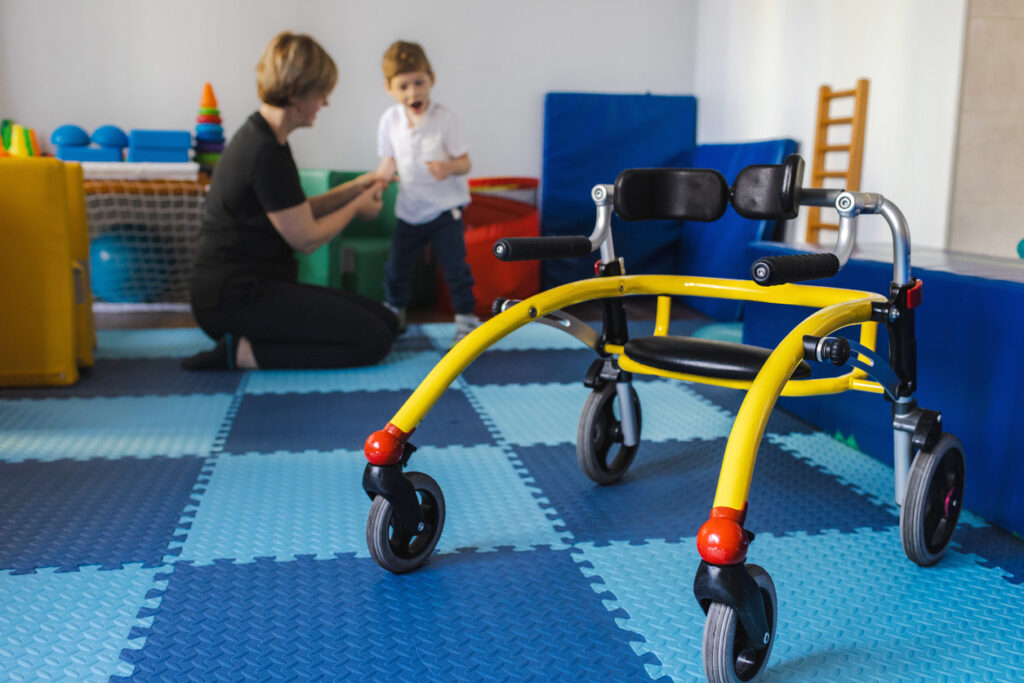
Our solicitors provide compassionate support throughout your twin pregnancy birth injury claim, working to secure the maximum compensation as quickly as possible to help fund your child’s lifelong care, therapies, specialist equipment, adapted accommodation and other essential support.
Contact us
If you would like advice regarding a serious injury or illness affecting you or a loved one, please complete the form and one of our experts will be in touch as soon as possible.
Rather give us a call:
Client story
£2.2 million compensation
£2,225,000 compensation for brain-injured boy after twin to twin transfusion caused cerebral palsy.
Related birth injury claims

Podcast
Video
£17.8m* settlement for child with cerebral palsy birth injury and neurodevelopmental disability after mother was refused a caesarean section

Podcast
Video
CNZ -v- Royal United Hospitals Bath NHS Foundation Trust: $45million settlement for claimant
Podcast
Video
£18.7 million* settlement for teenager with cerebral palsy caused by negligently delayed delivery

Podcast
Video
£11.8 million settlement in birth injury claim for child with cerebral palsy
Podcast
Video
£18.1m settlement for child with severe cerebral palsy, visual and learning disability from maternity negligence

Podcast
Video
£4 million compensation settlement in birth injury claim for an 11-year-old boy with cerebral palsy

Podcast
Video
£12 million settlement for child whose severe dyskinetic cerebral palsy was caused by negligent water birth
Podcast
Video
£13m+ settlement after negligent treatment of neonatal necrotising enterocolitis and hypocarbia cause cerebral palsy
Podcast
Video
£18.4 million settlement after delayed treatment of HSV infection in forceps scalp grazes causes cerebral palsy
Podcast
Video
£7.4m settlement for child with severe cerebral palsy after hospital sent her mother home in labour
Podcast
Video
£14.6 million settlement for young man with cerebral palsy from uterine hyperstimulation at time of birth

Podcast
Video
£5 million lump sum, lifelong annual payments of £232,750pa for care and Treloar’s SEN funding for boy with cerebral palsy

Podcast
Video
£16 million settlement for teenager with cerebral palsy from hypoxic brain injury during delayed delivery

Podcast
Video
£19 million settlement for girl with dyskinetic cerebral palsy caused by negligent midwifery and obstetric care during labour
Our medical negligence team












What our clients say
We cannot thank Susan and her team at Boyes Turner enough

What our clients say
We would all highly recommend them

Our clients receive the highest standards of advice and representation and are always treated with compassion, outstanding care and understanding of the physical, emotional, psychological and financial impact that life-changing injury can have upon their lives.
- We are nationally acclaimed for our claimant medical negligence expertise and the outstanding results we achieve for our clients.
- We are ranked as leading clinical negligence experts in the Chambers Directory and Legal 500 guides to the legal profession and are accredited for our specialist expertise by the Law Society, AvMA, and the Association of Personal Injury Lawyers (APIL).
- Our integrated multidisciplinary team offers our clients a full range of specialist help with compensation, rehabilitation, SEN, deputyship, personal injury trusts and community care.
- We secure maximum compensation in claims for adults and children who have suffered catastrophic injury and severe disability, and provide practical support for their families.
Related twin pregnancy birth injury insights

Podcast
Video
What is cerebral palsy?

Podcast
Video
What medical records do I need for a birth injury claim?
Podcast
Video
Understanding the Neonatal Care (Leave and Pay) Act 2023: Key Changes for Parents and Employers

Podcast
Video
Birth Trauma Inquiry reveals scandalous levels of disregard and poor care for mothers in UK maternity units
Podcast
Video
MBRRACE-UK report finds increase in stillbirths and neonatal deaths and widening inequalities

Podcast
Video
Twin pregnancy – complications and causes of claims for compensation
Related birth injury claims
Cerebral palsy
Fatal negligence
Hypoxic brain injury claims for babies (HIE)
Maternal death
Neonatal brain injury claims
Leading medical negligence solicitors for over 30 years


Get help today
- Free & no obligation initial advice
- Speak directly to a solicitor
- No upfront costs & no win no fee