Diabetic amputation claims
Our medical negligence solicitors secure life-changing compensation settlements for amputees with diabetes whose amputation disability was caused by negligent medical care.


Specialist legal support for diabetic amputation claims.

People with diabetes have a greater risk of amputation from health conditions, such as foot ulcers, infection, peripheral artery disease (PAD) and complications of surgery or traumatic injury. Diabetes leads to more than 9,500 leg, foot, and toe amputations in the UK each year, but 80% of these could be prevented with timely, correct care.
Amputation causes permanent disability which reduces the amputee’s mobility, dexterity, and independence. Many amputees find it harder to work, travel, move around their home or return to social and leisure activities. Amputation can also cause phantom limb pain or psychological injury, and increase the strain on family relationships.
If you have diabetes and your amputation was caused by medical negligence, we can help you claim the compensation you need to restore your independence through rehabilitation and prosthetics, specialist equipment and a suitably adapted home. Read more about other types of amputation negligence claims.
- Nationally recognised medical negligence specialists with decades of experience
- Access to leading medical experts and rehabilitation professionals
- Proven track record of securing life-changing compensation for families
- Dedicated support from initial enquiry through to settlement
- No upfront costs and claim through a no win no fee agreement
Starting your diabetic amputation claim
For more than 30 years, Boyes Turner’s medical negligence solicitors have guided amputees through the claims process to secure the compensation and specialist support that they need to manage their disability and rebuild their lives.
You can contact us for free, confidential advice from a medical negligence solicitor.
We will ask you to tell us briefly about your medical care leading up to your injury, and advise you about your time limits and whether we can help you investigate your claim. Once our investigations confirm you have grounds for a claim, we will notify the defendant healthcare provider (usually represented by NHS Resolution) on your behalf and invite them to respond, giving them an opportunity to admit liability (responsibility for your injuries) before court proceedings are issued.
If liability is admitted, we will obtain a judgment from the court and apply for a substantial interim payment to meet your needs arising from your injury and disability. If the healthcare provider or their legal representatives at NHS Resolution deny liability, we will advise you about the best way to proceed your claim. This may involve issuing court proceedings or inviting NHS Resolution to enter into settlement negotiations or mediation.

No win, no fee
No hidden or upfront costs. Clear, straightforward advice. Nothing to pay unless your claim is successful.
Over 30 years’ experience
We have helped thousands of clients claim compensation.
Fully regulated
Authorised and regulated by the Solicitors Regulation Authority.
Diabetic amputation claims FAQs
What is diabetes?
Diabetes is a serious and increasingly common condition in which an individual’s blood sugar (glucose) level is too high. There are different types of diabetes, but type 1 and type 2 are most common.
In type 1 diabetes, the body’s immune system attacks and destroys the cells that produce insulin, the hormone which controls blood sugar by moving it out of the blood and breaking it down to produce energy. People with type 1 diabetes need insulin injections to control their blood sugar.
In type 2 diabetes, the body becomes resistant to insulin or does not produce enough of it to control the blood sugar. If caught early, type 2 diabetes may be managed with lifestyle changes. As the disease progresses over time, medication may be needed.
Diabetes currently affects around 5 million people in the UK and is an important risk factor for serious medical complications and conditions, including amputation.
What are common complications of diabetes?
Diabetes is related to various other conditions, including thyroid disease, coeliac disease, dental problems and muscular conditions, such as Dupuytren’s contracture.
Diabetes also has its own serious complications, including hypoglycaemia (low blood sugar), loss of eyesight from retinopathy and blindness, cardiovascular disease, nephropathy (kidney damage) and neuropathy (nerve damage) and amputation. Poor management of diabetes increases the risk of these complications. People with diabetes can help reduce their risks by attending their medical check-ups and regularly checking their feet, controlling their blood pressure, blood glucose and blood fat levels, as well as keeping active, maintaining a healthy body weight and not smoking.
People with diabetes are estimated to be 20 times more likely to experience an amputation than those who are not affected by the condition. High blood sugar causes damage to the blood vessels and reduces blood flow to the feet and legs, so it is important that GPs, hospital doctors and other healthcare professionals recognise the additional risks to patients with diabetes, act quickly to prevent minor injuries developing into dangerous conditions and regularly check the patient’s diabetic control.
Most diabetes-related amputations are caused by unhealed ulcers and foot infections. Foot ulcers in people with diabetes are avoidable with proper foot care. They can also be treated if spotted early and acted upon quickly, but they are often unrecognised and untreated in people with diabetes until it is too late to save the foot or avoid amputation.
What conditions and complications of diabetes can lead to amputation compensation claims?
Our specialist amputation lawyers have recovered compensation settlements for amputee clients with diabetes following negligent treatment of:
- Charcot foot;
- vascular and circulatory problems, such as peripheral ischaemia;
- DVT, thrombosis and blood clots;
- ulcers;
- minor foot injuries, such as cuts or lacerations;
- infection, such as sepsis and gangrene.
What is Charcot foot?
Charcot foot is a serious, limb-threatening complication of diabetes. It is caused by a combination of factors, including reduced muscle control, tissue damage and loss of sensation from diabetic neuropathy (damage to the nerves). The condition is often triggered by a minor injury, such as a sprain or a twisted ankle, which develops into more serious injury as the bones of the ankle and foot degenerate and deform. If incorrectly treated, Charcot foot can lead to disability and amputation.
People with diabetes are at increased risk of Charcot foot because as their condition causes their gait and balance to deteriorate, they are more susceptible to sprains, knocks, and cuts. They are then less likely to be aware of their injury, continuing to weight-bear and walk on the injured foot, which further damages the bones and tissues leading to serious disability.
What are the symptoms of Charcot foot?
Symptoms which suggest Charcot foot include:
- redness or swelling of the foot or ankle;
- the skin feels warmer at the site of the injury;
- a deep aching feeling;
- deformation of the foot.
If Charcot foot is suspected or diagnosed, the sufferer should be referred immediately to a multidisciplinary foot care team. Treatment will include taking weight-bearing pressure off the foot and immobilising the foot to allow it to heal in the correct position by putting it in a plaster cast. The patient will undergo regular X-rays and appointments with a podiatrist to monitor the condition.
Sufferers of Charcot foot have a high risk of further serious complications from infection and must remain vigilant about injuries or changes to their feet. If there is any sign of new ulceration, a wound, swelling or discolouration, the patient must be referred within 24 hours to a multidisciplinary foot care team as any infection must be treated urgently to avoid the need for amputation.
Why are people with diabetes at greater risk of amputation?
When an individual has diabetes, their body struggles to control their blood sugar (glucose) level. If blood glucose levels are persistently high, this damages the blood vessels and affects the circulation of blood to the legs and feet. Poor blood circulation causes damage to the nerves, resulting in reduced sensation (feeling) in their feet. This means that people with diabetes may not notice minor injuries to their feet, particularly if they also have impaired vision from retinopathy, which prevents them from visually checking their feet.
Delays in recognition and treatment of these minor injuries increase their risk of serious foot problems, including Charcot foot, ulcers, infection and gangrene, which can lead to lower limb amputation.
How can people with diabetes look after their feet?
People with diabetes should carry out visual foot checks daily so that minor injuries can be spotted and treated as soon as possible after injury occurs. If their eyesight is impaired, they should ask someone else to check their feet for them.
They should also have regular check-ups with trained healthcare professionals and access to foot-care specialists and multidisciplinary foot-care teams. It is essential that people with diabetes see their GP immediately if they feel generally unwell or if their feet have cuts or blisters, redness, warmth and swelling, or a discharge which oozes from the foot.
GP treatment might include:
- antibiotics;
- instructions to rest the foot;
- a review of their diabetic medication and management;
- referral to a foot-care specialist or multidisciplinary team;
- a personal care plan.
Delays or mistakes in diabetic foot-care treatment are common causes of diabetes-related amputation negligence claims.
What types of negligent diabetes care lead to amputation?
Our amputation claims solicitors have helped clients with diabetes who suffered amputation after:
- negligent delays in diagnosis and treatment of Charcot foot;
- negligent delays in diagnosis and treatment of peripheral ischaemia;
- negligent delays in diagnosis and treatment of foot injuries, such as cuts and ulcers;
- negligent delays in diagnosis and treatment of DVT, thrombosis and coagulation problems;
- negligent delays in diagnosis and treatment of infection;
- failure to refer the patient to a multidisciplinary foot care clinic or hospital specialist;
- failure to regularly monitor the patient’s diabetic health;
- failure to examine the patient’s feet;
- failure to advise the patient about the importance of checking their feet and seeking medical help if minor injuries occur.
What compensation can I claim for an amputation injury?
Each client’s compensation will depend on their individual injury and the impact of their disability on their life. Amputation claims arising from negligent medical treatment for patients with diabetes often include compensation for:
- pain, suffering, and disability;
- prosthetics (artificial legs, arms, hands, feet) and rehabilitation;
- adapted vehicles and specialist equipment;
- necessary adaptations or a move to more suitable accommodation;
- private medical treatment, therapies, and counselling;
- costs of care and domestic assistance;
- loss of earnings and pension;
- additional costs arising from the amputation disability.
Making a diabetic amputation claim
We understand how daunting it can feel to take the first step. Our specialist medical negligence solicitors are here to guide you through every stage.

Getting in touch
Call us or complete our online enquiry form for free, confidential advice from a specialist diabetic amputation solicitor. We will listen to your concerns, explain your options, and advise whether we can investigate if negligent diabetes care led to avoidable limb loss.

Supporting your claim
Our solicitors will review your medical records, instruct independent experts, and investigate whether your diabetes and foot complications were recognised and treated appropriately. Where negligence is identified, we can build a strong claim and, where appropriate, seek an interim payment to help meet immediate care, rehabilitation and prosthetic needs.

Securing compensation
We provide compassionate support throughout the claims process, working to secure the maximum compensation as quickly as possible to help fund rehabilitation, prosthetics, mobility equipment, care, adapted accommodation and other essential support following amputation.
Contact us
If you would like advice regarding a serious injury or illness affecting you or a loved one, please complete the form and one of our experts will be in touch as soon as possible.
Rather give us a call:

Our diabetic amputation claims
Podcast
Video
£600,000 settlement for diabetic man after negligent medical care of foot injury leads to amputation
Podcast
Video
£75,000 settlement after negligent diabetic foot care leads to amputation

Podcast
Video
£950,000 settlement for diabetic amputee after delayed diagnosis and treatment of Charcot foot
Podcast
Video
£210,000 settlement for client after GP delay in treating infection leads to below knee amputation
Podcast
Video
Liability judgment for diabetic amputee after delay in treatment
Our medical negligence team












What our clients say
Won medical negligence

What our clients say
Worked assiduously and painstakingly
What our clients say
You have given fantastic support and guidance
What our clients say
Very helpful and diligent
What our clients say
Very kind and considerate
What our clients say
Very Professional
What our clients say
We cannot praise and thank the team enough
What our clients say
We cannot thank Susan and her team at Boyes Turner enough
What our clients say
We had full confidence
What our clients say
We would all highly recommend them

Our clients receive the highest standards of advice and representation and are always treated with compassion, outstanding care and understanding of the physical, emotional, psychological and financial impact that life-changing injury can have upon their lives.
- We are nationally acclaimed for our claimant medical negligence expertise and the outstanding results we achieve for our clients.
- We are ranked as leading clinical negligence experts in the Chambers Directory and Legal 500 guides to the legal profession and are accredited for our specialist expertise by the Law Society, AvMA, and the Association of Personal Injury Lawyers (APIL).
- Our integrated multidisciplinary team offers our clients a full range of specialist help with compensation, rehabilitation, SEN, deputyship, personal injury trusts and community care.
- We secure maximum compensation in claims for adults and children who have suffered catastrophic injury and severe disability, and provide practical support for their families.
Related diabetic amputation insights

Podcast
Video
Diabetic foot amputation claims when poor care leads to life-changing consequences

Podcast
Video
Busting the Myths: Functional Realities of Modern Prosthetic Care

Podcast
Video
Why input from a Multidisciplinary Team (MDT) matters when you have a diabetic foot ulcer

Podcast
Video
Diabetes misdiagnosis: causes and consequences
Podcast
Video
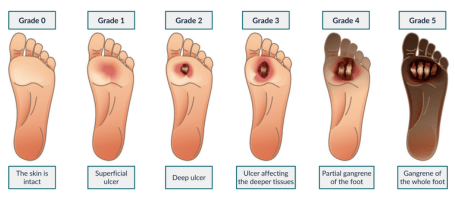
Stages of diabetic foot ulcers: From early signs to advanced complications

Podcast
Video
Adapting homes after amputation: accommodation issues in amputation negligence claims

Podcast
Video
Serious infections linked to limb loss and amputation
Podcast
Video
Charcot foot facts causes, claims and compensation

Podcast
Video
Case management in medical negligence cases involving amputation

Podcast
Video
Client story: Kevin Ridsdale amputation claim
Related diabetic amputation claims
Amputation
GP negligence claims
Peripheral ischaemia
Sepsis negligence
Leading medical negligence solicitors for over 30 years






Get help today
- Free & no obligation initial advice
- Speak directly to a solicitor
- No upfront costs & no win no fee