Erb’s palsy claims


Helping children with Erb's palsy secure the support they need.

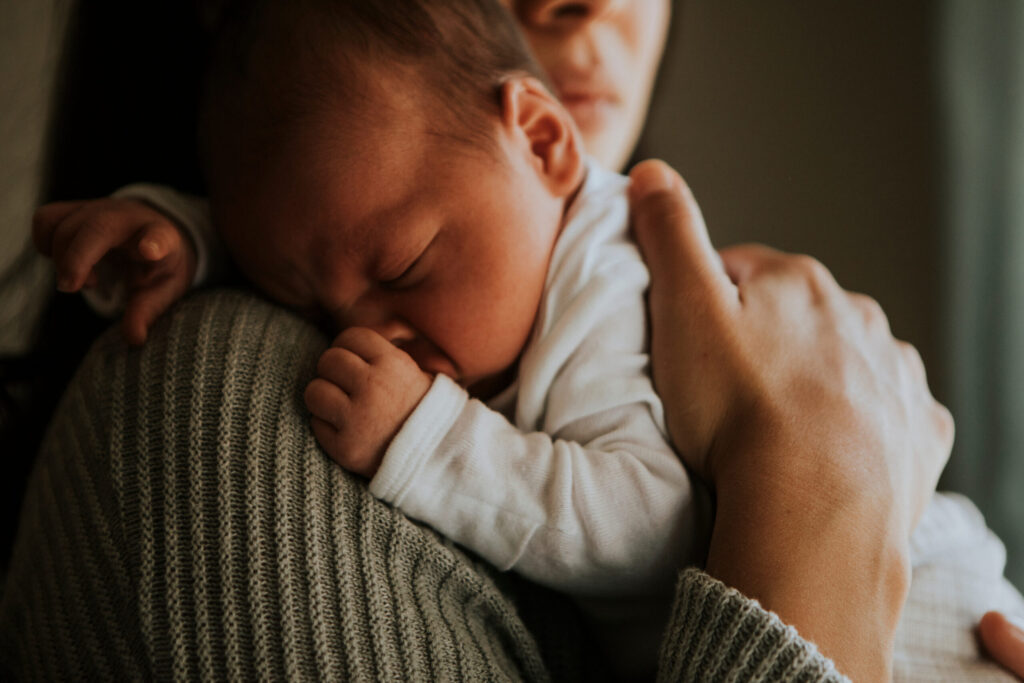
When a baby is injured during a difficult birth, it can be hard for parents to distinguish swift, emergency action from negligent care. Excessive force or incorrect handling of an obstructed labour can result in upper limb disability from brachial plexus nerve injury, also known as Erb’s palsy.
We understand the causes and lifelong effects of brachial plexus nerve injury and the way Erb’s palsy affects our clients’ lives. Our birth injury expertise and specialist, personalised valuation of each client’s disability enables us to secure the compensation that they need to maximise their independence and live fulfilling lives.
- Nationally recognised birth injury specialists with decades of experience
- Access to leading medical experts and rehabilitation professionals
- Proven track record of securing life-changing compensation for families
- Dedicated support from initial enquiry through to settlement
- No upfront costs and claim through a no win no fee agreement
Can I make a Erb's palsy claim?
For over 30 years Boyes Turner’s birth injury lawyers have recovered the highest compensation settlements to help clients affected by paralysis, weakness and restricted movement from Erb’s palsy manage their condition and lead active and rewarding lives.
If you are a parent of a child or teenager with disability from brachial plexus injury, you can contact us by telephone or by email for free, confidential advice from a medical negligence solicitor. We will ask you to tell us briefly about your birth experience and your child’s injury, and advise you about any time limits which may apply and whether we can help you investigate your child’s claim.
Once our investigations confirm you have grounds for a claim, we will notify the defendant healthcare provider (usually represented by NHS Resolution) on your behalf and invite them to respond, giving them an opportunity to admit liability (responsibility for your injuries) before court proceedings are issued. If liability is admitted, we will obtain a judgment from the court and apply for a substantial interim payment to meet your child’s needs arising from their injury and disability. If NHS Resolution deny liability, we will advise you about the best way to proceed your claim. This may involve issuing court proceedings or inviting NHS Resolution to enter into settlement negotiations or mediation.

No win, no fee
No hidden or upfront costs. Clear, straightforward advice. Nothing to pay unless your claim is successful.
Over 30 years’ experience
We have helped thousands of clients claim compensation.
Fully regulated
Authorised and regulated by the Solicitors Regulation Authority.
Erb's palsy claims FAQs
What is the brachial plexus?
The brachial plexus is a network of five nerves, including the four lower cervical nerves (C5, C6, C7 and C8) and the first thoracic nerve (T1). The brachial plexus nerves run down the spinal cord and emerge from between the vertebrae (bones of the spine) in the neck, passing under the collarbone to form the major nerves of the arm. These nerves give movement and feeling to the arm by conducting signals from the spinal cord to the muscles and skin of the chest, shoulder, arm and hand.
What is Erb’s palsy?
Erb’s palsy is one of the names used to describe the upper limb paralysis, weakness, loss of mobility and functional disability which follows an injury to the brachial plexus nerves. Other names for the same condition include brachial plexus nerve injury, brachial plexus paralysis or Erb-Duchenne palsy.
Erb’s palsy birth injury can occur during a difficult or obstructed delivery when the baby’s brachial plexus nerves, which give movement or feeling to an arm, are stretched, bruised or torn by excessive traction (pulling) on the baby’s head, causing weakness or paralysis in the arm.
The severity and duration of the child’s disability depends on the type of nerve damage but can range from mild and short-term to lifelong and severe.
Who is at risk of Erb’s palsy?
The brachial plexus nerve injury which leads to Erb’s palsy is often caused by negligent care during the delivery of a baby. Excessive traction (pulling) on the baby’s head and failure to use recognised safe techniques to release the baby from its ‘stuck’ position can leave the child with lifelong disability.
There is a greater risk of Erb’s palsy injury when the birth involves:
- assisted delivery using instruments (such as forceps or Ventouse suction);
- a lengthy second stage of labour;
- a large baby;
- excessive maternal weight gain during pregnancy;
- maternal diabetes.
What causes brachial plexus injury during childbirth?
Erb’s palsy or brachial plexus injury is caused when there is too much traction (pulling) on the baby’s head and shoulders during a vaginal delivery.
The risk of injury leading to Erb’s palsy increases where the baby’s head is disproportionately large for the mother’s pelvis. This is known as ‘cephalopelvic disproportion’ and can happen if the baby is big or is incorrectly positioned for delivery, or the mother’s pelvis is small or unusually shaped. If there is a risk of cephalopelvic disproportion, the mother should be warned of the risk of Erb’s palsy during vaginal delivery and a caesarean section may be recommended.
Erb’s palsy can occur if the delivery is obstructed by ‘shoulder dystocia’. This happens when the baby’s head descends into the birth canal but becomes stuck during delivery because one or both shoulders become wedged behind the mother’s pubic bone. The ‘stuck’ baby must be handled very carefully by the midwife or doctor to be delivered safely. Any excessive traction (pulling) on the head during attempts to deliver the baby can cause injury to the baby, including damage to the brachial plexus nerves, resulting in Erb’s palsy.
Erb’s palsy can also be caused by pressure on the baby’s arms during a breech (feet first) delivery.
What maternity mistakes lead to compensation claims for Erb’s palsy?
Boyes Turner have helped recover compensation for clients affected by Erb’s palsy after:
- excessive traction (pulling) and force has been applied to the baby during delivery;
- failure to follow guidance and recommended manoeuvres for shoulder dystocia;
- failure to assess the risks arising from the baby’s weight and size before delivery:
- failure to anticipate and plan for the risk of shoulder dystocia;
- failure to counsel the mother of a large baby about the risks of Erb’s palsy and plan an appropriate method of delivery;
- failure to perform a caesarean section if there are clinical indications to do so;
- failure to recognise and treat maternal diabetes.
What types of brachial plexus nerve injuries cause Erb’s palsy?
The type of Erb’s palsy injury depends on the extent of the damage to the nerves. Identification of the type of nerve injury can help with treatment decisions and predicting the child’s long-term outcome, but Erb’s palsy injuries do not always fit neatly into one category. Erb’s palsy can be caused by:
- neuropraxia – where the nerve is stretched but not torn and often resolves within a few months without treatment;
- neuroma – which involves more serious stretching of the nerves, and may partially improve but leave some long-term damage;
- rupture or tearing of the nerves – a serious injury which needs nerve grafting surgery;
- avulsion – the most serious form of brachial plexus nerve injury, in which the nerve is completely torn away from the spinal cord. Surgery may be possible using healthy nerves from another part of the body.
Can Erb’s palsy be treated?
When a baby suffers a brachial nerve plexus injury, tests should take place as soon as possible to identify which nerves have been damaged, so that any treatment that is needed can be started quickly. If surgery is needed, the sooner it takes place the better the chances of success. Milder brachial plexus nerve injuries may heal, either wholly or partially, without treatment.
Treatment after brachial plexus injury may include:
- physiotherapy to increase arm/shoulder movement and grip strength in the hand;
- occupational therapy (OT) to help with daily activities, e.g. holding or picking things up;
- tendon/muscle release or nerve grafting surgery to repair nerve damage and restore movement in the arm, shoulder or hand.
What kind of injuries can lead to an Erb’s palsy claim?
We have recovered compensation for clients who have been left with permanent disability from brachial plexus and Erb’s palsy birth injury including;
- total paralysis or weakness in one arm;
- numbness in one arm;
- restricted movement and positioning of the arm;
- shorter, smaller sized or different shaping to the arm from reduced bone growth and lack of muscle use;
- limp hand or reduced grip strength;
- drooping eyelid and small eye pupil on the affected side (Horner’s syndrome);
- difficulty maintaining the head in a forward facing position (torticollis);
- arthritis in later life from abnormal wear and tear on affected joints;
- impaired circulation, muscular and nervous development.
How much compensation can I claim for Erb’s palsy from brachial plexus nerve injury?
Living with Erb’s palsy makes everything more difficult, whether at home, at school or at work, and affects the individual’s ability to participate in some sports and leisure activities. We work closely with each client, their family and our experts to understand their injury and the restrictions that their disability imposes on their life, so that they receive compensation which eases their hardship and meets their needs.
Our birth injury solicitors have helped clients with permanent Erb’s palsy disability caused by negligent maternity care recover compensation for:
- pain, suffering and disability;
- private medical costs, such as surgery;
- cost of therapies, such physiotherapy, occupational therapy or OT;
- psychological counselling;
- adapted vehicles, specialist aids and equipment, and assistive technology;
- support with special educational needs (SEN);
- necessary home adaptations;
- care and assistance;
- loss of earnings and other financial losses
Making an Erb's palsy claim
We understand how daunting it can feel to take the first step. Our Erb’s palsy solicitors are here to guide you through every stage.

Getting in touch
Call us or complete our online form for free, confidential advice from a specialist Erb’s palsy claims solicitor. We will listen to your concerns, explain your options clearly, and advise whether we can help investigate your child’s birth injury claim.

Your Erb's palsy claim
Our Erb’s palsy specialists will review your child’s medical records, obtain expert evidence and investigate whether their injury could have been prevented. Where appropriate, we can seek an interim payment to help meet their immediate care and support needs.
Securing compensation
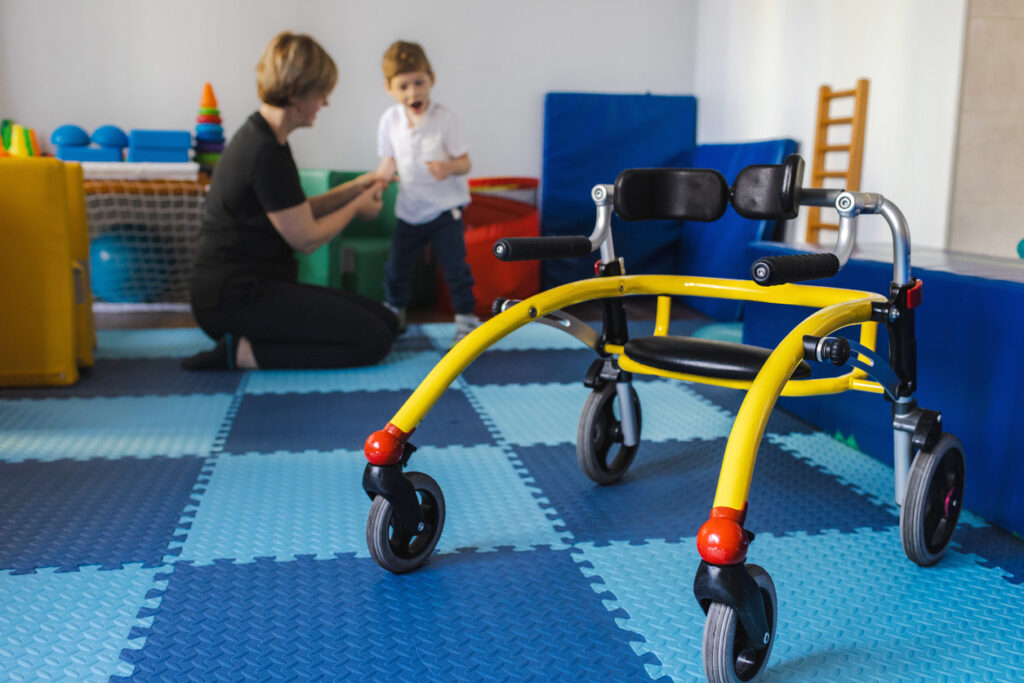
Our solicitors provide compassionate support throughout your child’s Erb’s palsy claim, helping you secure the compensation needed for their care, rehabilitation and future needs.
Contact us
If you would like advice regarding a serious injury or illness affecting you or a loved one, please complete the form and one of our experts will be in touch as soon as possible.
Rather give us a call:

Client story
£1.4 million settlement
for a young woman who suffered a brachial plexus injury at birth causing Erb’s palsy. Read the story
Our Erb's palsy claims
Podcast
Video
£1.4 million settlement for 20 year old with Erb’s Palsy
Podcast
Video
£300,000 compensation after negligent management of shoulder dystocia left boy with Erb’s Palsy

Podcast
Video
Admission of liability for a two-year-old girl with Erb’s palsy
Our medical negligence team









What our clients say
We cannot thank Susan and her team at Boyes Turner enough

What our clients say
We would all highly recommend them
Our clients receive the highest standards of advice and representation and are always treated with compassion, outstanding care and understanding of the physical, emotional, psychological and financial impact that life-changing injury can have upon their lives.
- We are nationally acclaimed for our claimant medical negligence expertise and the outstanding results we achieve for our clients.
- We are ranked as leading clinical negligence experts in the Chambers Directory and Legal 500 guides to the legal profession and are accredited for our specialist expertise by the Law Society, AvMA, and the Association of Personal Injury Lawyers (APIL).
- Our integrated multidisciplinary team offers our clients a full range of specialist help with compensation, rehabilitation, SEN, deputyship, personal injury trusts and community care.
- We secure maximum compensation in claims for adults and children who have suffered catastrophic injury and severe disability, and provide practical support for their families.
Related Erb's palsy insights
Podcast
Video
Erb’s palsy disability support from compensation
Podcast
Video
Birth Trauma Inquiry reveals scandalous levels of disregard and poor care for mothers in UK maternity units
Podcast
Video
Living with birth trauma and how to access support
Podcast
Video
MBRRACE-UK report finds increase in stillbirths and neonatal deaths and widening inequalities
Podcast
Video
Erb’s palsy – making a successful medical negligence claim

Podcast
Video
Supporting clients with Erb’s palsy using assistive technology
Related Erb's palsy pages
Hypoxic brain injury claims for babies (HIE)
Twin pregnancy birth injury claims
Cerebral palsy
Birth injury
Leading medical negligence solicitors for over 30 years


Get help today
- Free & no obligation initial advice
- Speak directly to a solicitor
- No upfront costs & no win no fee