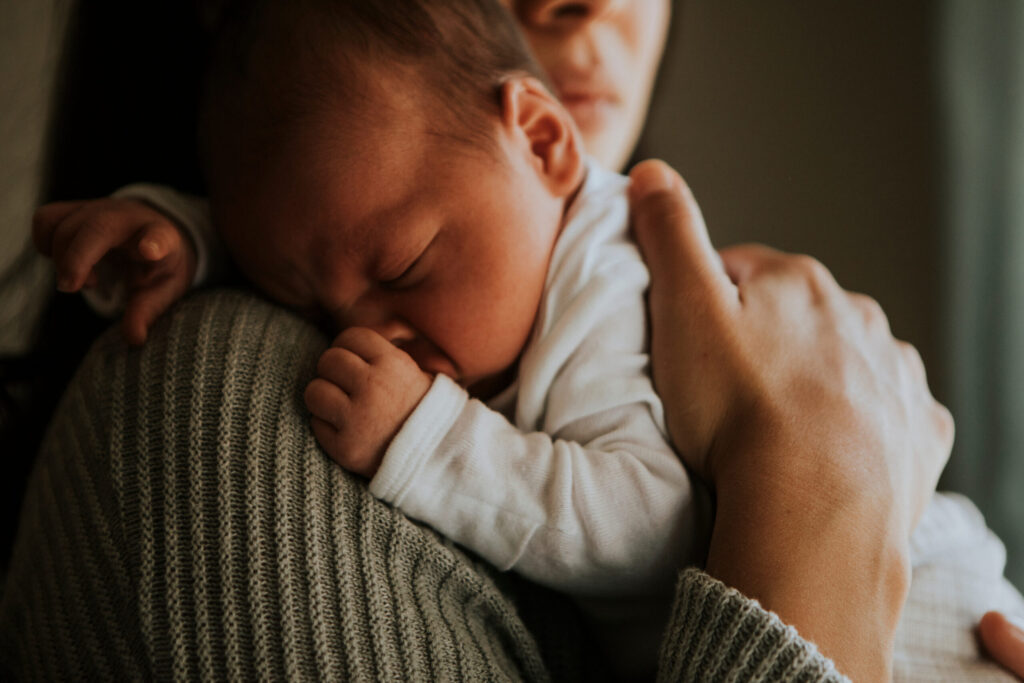
Compensation for autism and ADHD after birth injury


Helping families secure lifelong support for children with autism or ADHD linked to birth injury.
If your child or teenager has autism spectrum disorder (ASD) or attention deficit hyperactivity disorder (ADHD) and needed ‘cooling’ after their birth, their condition could be the result of a birth injury. If the injury and need for ‘cooling’ was caused by mistakes in the care that the mother or baby received, your child may be able to claim compensation.
Children and teenagers with ASD or ADHD caused or exacerbated by hypoxic injury to their brain around the time of birth may have difficulties which affect their ability to learn, work, socialise and be safe around others, or live independently in adult life.
An ASD/ADHD compensation claim can help provide the necessary support to enhance the child’s development and the teenager’s growing independence, reducing their vulnerability whilst enabling them to live fulfilling lives.
- Nationally recognised birth injury specialists with decades of experience
- Access to leading medical experts and rehabilitation professionals
- Proven track record of securing life-changing compensation for families
- Dedicated support from initial enquiry through to settlement
- No upfront costs and claim through a no win no fee agreement
Starting your ADHD or Autism birth injury claim
For more than 30 years, Boyes Turner’s medical negligence solicitors have guided families through the claims process to secure the compensation and specialist support that they need to manage their child’s disability and rebuild their lives.
You can contact us by telephone or by email for free, confidential advice from a medical negligence solicitor. We will ask you to tell us briefly about your child’s condition and your maternity and neonatal care, and advise you about your time limits and whether we can help you investigate your claim. Once our investigations confirm you have grounds for a claim, we will notify the defendant healthcare provider (usually represented by NHS Resolution) on your behalf and invite them to respond, giving them an opportunity to admit liability (responsibility for your injuries) before court proceedings are issued.
If liability is admitted, we will obtain a judgment from the court and apply for a substantial interim payment to meet your child or teenager’s needs arising from their injury and disability. If NHS Resolution deny liability, we will advise you about the best way to proceed with your claim. This may involve issuing court proceedings or inviting NHS Resolution to enter into settlement negotiations or mediation.
No win, no fee
No hidden or upfront costs. Clear, straightforward advice. Nothing to pay unless your claim is successful.
Over 30 years’ experience
We have helped thousands of clients claim compensation.
Fully regulated
Authorised and regulated by the Solicitors Regulation Authority.
Autism and ADHD claims FAQs
What is autism?
Autism is a developmental disability which affects around 700,000 adults and children in the UK. Autism affects people in different ways and to different degrees across a wide spectrum, which is why it is sometimes called autism spectrum disorder or ASD.
Common challenges associated with autism or ASD include difficulties in communication, social interaction, patterns of behaviour and flexibility of thinking. Some children with autism also have sensory difficulties (hypersensitivity to noise or touch), problems with coordination and learning disability.
What is ADHD?
Attention deficit hyperactivity disorder or ADHD is a neurodevelopmental disorder that affects 2.6 million adults and children in the UK. Children with ADHD are often restless or hyperactive, or have difficulties with concentration and attention, and may act on impulse without first thinking about the consequences of their actions. Some people with ADHD may also have anxiety, problems with sleeping, and learning difficulties.
What causes ASD and ADHD?
Until recently, most doctors believed that autism/ASD/ADHD were caused mainly by DNA sequencing and were primarily genetic conditions. In recent years, medical and scientific understanding of the causes of ASD / ADHD and other neurocognitive disorders has moved on and continues to develop rapidly.
Recent scientific studies have identified that other factors can also influence why some family members develop ASD / ADHD traits, whereas other members of the same family with very similar DNA do not. In some cases, the difference is a birth injury.
Can birth injury cause autism and/or ADHD?
Many doctors and medical scientists now believe that a hypoxic injury to the baby’s brain around the time of birth can trigger autism and/or ADHD in children who would not otherwise have developed the condition, or would have had it more mildly, despite any genetic predisposition.
This means that some children only develop autism/ASD or ADHD traits because of a birth or neonatal injury to their brain. A lack of oxygen (hypoxia) around the time of birth, a stroke or a severe infection affecting the newborn baby’s brain can all cause a child to develop ASD / ADHD traits later in their childhood or teenage years.
If the injury was caused by medical or maternity negligence, we can help the child make an ASD/ADHD birth injury compensation claim.
What is hypoxic birth injury?
Hypoxic birth injury is damage to the brain that is caused by a lack of oxygen, such as during delays in delivering a baby with heart rate abnormalities or fetal distress.
This kind of birth injury is also known as birth asphyxia or hypoxic ischaemic encephalopathy (HIE). It causes severe and often permanent damage to the baby’s brain and is commonly associated with severe disability and cerebral palsy.
Hypoxic birth injury is often treated by whole body cooling, ideally within six hours of birth.
How is cooling linked to autism, ASD and ADHD?
For many years, the NHS has routinely treated newborn babies who have suffered hypoxic ischaemic encephalopathy (HIE) during their birth with therapeutic hypothermia or ‘cooling’. Babies with moderate or severe HIE from lack of oxygen during birth are at risk of developing permanent disability. Cooling can significantly reduce that disability, but it must be started no later than six hours after the birth, and be very carefully managed to safely cool the baby’s body temperature to between 33.5° and 34.5° C for a period of 72 hours.
Cooling reduces brain swelling and intracranial pressure, slows down brain cell metabolism, reduces the damaging compounds released by the brain cells after a hypoxic event and increases the repair of brain cells, reducing the extent of the damage to the developing brain.
For many babies with severe neonatal hypoxia, cooling has prevented the severe physical disability or cerebral palsy that could be expected from their brain injury, enabling them to meet their milestones and develop physically with only minimal (or no) obvious disability. However, we are now discovering that some of the children who avoided severe physical disability from their birth injury as a result of their neonatal treatment with cooling later develop attention and behavioural problems which are diagnosed as neurocognitive disorder, such as autism or ADHD. It is possible before cooling treatment was available, in most cases the link between children’s birth injuries and their later development of autism/ADHD was not recognised because many of the ASD/ADHD traits that might have been caused by their birth injury, such as difficulties with communication, were masked by their severe physical disability.
Scientific understanding of these conditions is still developing, but currently our medical experts advise that unless there is strong evidence to the contrary, the ASD/ADHD traits which develop in later childhood and teenage years can be attributed to the child’s hypoxic birth injury.
Babies who have had other types of brain injury, such as from a stroke or meningitis, can also go on to develop ASD/ADHD or similar neurodevelopmental and neurocognitive disorders which severely affect their development and behaviour.
Can I make a medical negligence compensation claim for my child’s autism or ADHD?
If your child has autism or ADHD and needed cooling after their birth, their condition may have been caused by a hypoxic birth injury or neonatal brain injury. If the brain injury was caused by negligent mistakes in the maternity or neonatal care, your child could be entitled to substantial compensation.
Parents and families of babies who have received cooling after hypoxic birth injury or HIE may not be warned about their child’s risk of neurodevelopmental disability from autism spectrum disorder (ASD) or ADHD later in childhood or teenage years.
If your child was cooled following a birth injury, and you are concerned about autism or ADHD, you should contact us for free, confidential advice as early as possible.
How can birth injury compensation help a child with autism or ADHD?
Compensation from a birth injury ASD/ADHD claim ensures that the child or teenager has the necessary support to meet all their additional needs arising from their neurodevelopmental disability. The type of help and support that can be provided, and the difference that compensation can make, depends on their age and state of development when we start the claim. The sooner the family come to us, the greater the difference we can make to their child’s development and their ability to live independently in later life.
Each child or teenager’s condition and its impact on their life will determine their individual needs and the help that can be achieved from their compensation. In most cases, the claim will include provision for a case manager to work with the family to coordinate the care, supervision, and support that the young person needs now and throughout their life to be active and participate in a way that is safe for themselves and others around them. Ultimately, this could mean living semi or fully independently in their own or their family’s home or in supported residential care.
For younger clients who come to us earlier in childhood, compensation can help pay for:
- support with special educational needs (SEN);
- neuropsychological and behavioural support;
- support with development and becoming independent;
- a safe and supportive home environment;
- additional support for the wider family.
For teenagers and young adults, additional help is aimed at reducing the impact of their vulnerability:
- providing care, supervision and support with all aspects of daily living;
- providing a safe and suitable home and living environment;
- therapeutic support and behavioural strategies to increase their ability to participate as fully as they can in work, leisure and social activities.
Depending on the extent of any additional physical disability or learning difficulties caused by their birth injury, the claim may also include compensation for:
- additional costs of suitably adapted accommodation;
- therapies (physiotherapy, occupational therapy, speech and language therapy);
- adapted vehicles, specialist equipment and assistive technology;
- Court of Protection deputyship to help protect and manage their money.
Making an autism or ADHD claim
We understand how daunting it can feel to take the first step. Our specialist birth injury solicitors are here to guide you through every stage.

Getting in touch
Call us or complete our online enquiry form to receive free, confidential advice from a specialist birth injury solicitor. We will listen carefully to your concerns, explain your legal options in clear, straightforward language, and advise whether we can help investigate whether your child’s autism or ADHD could be linked to a preventable birth injury.

The birth injury claim
Our specialist solicitors will obtain and review your child’s and mother’s medical records, instruct leading independent medical experts, and investigate whether mistakes in the care provided during pregnancy, labour, delivery or shortly after birth contributed to your child’s condition.
Securing compensation
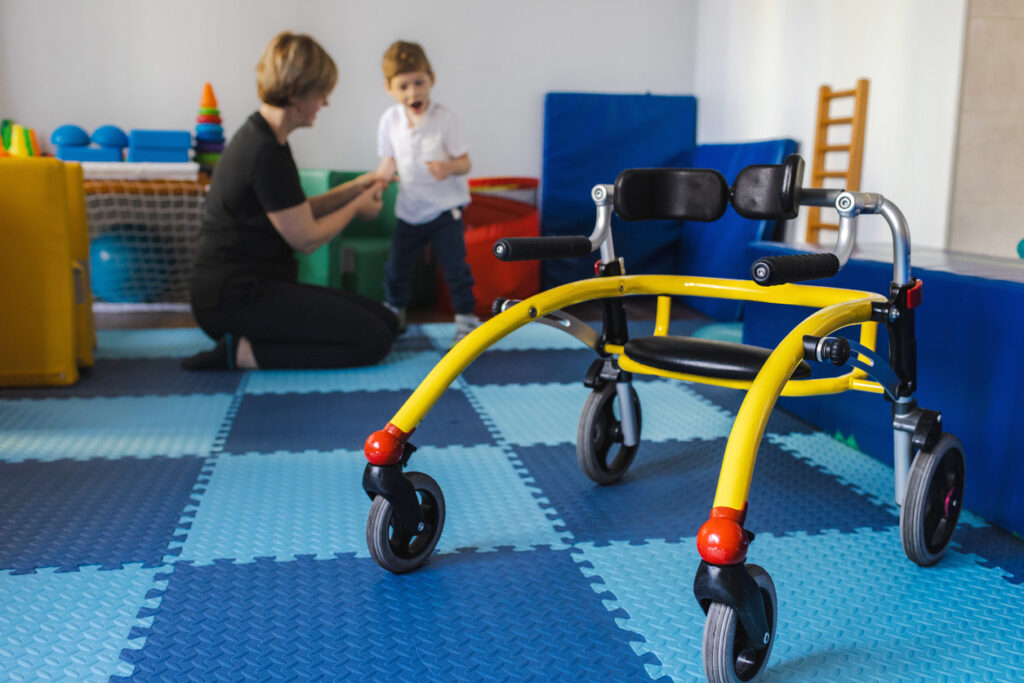
We will support you and your family with compassionate, expert guidance throughout the claims process. Our aim is to secure the maximum compensation as quickly as possible to help provide for your child’s long-term care, specialist therapies, educational support, adapted accommodation, equipment and any other support they may need throughout their life.
Contact us
If you would like advice regarding a serious injury or illness affecting you or a loved one, please complete the form and one of our experts will be in touch as soon as possible.
Rather give us a call:
Our autism/ADHD birth injury claims
Podcast
Video
£5 million lump sum, lifelong annual payments of £232,750pa for care and Treloar’s SEN funding for boy with cerebral palsy
Podcast
Video
£16 million settlement for teenager with cerebral palsy from hypoxic brain injury during delayed delivery
Podcast
Video
£19 million settlement for girl with dyskinetic cerebral palsy caused by negligent midwifery and obstetric care during labour
Podcast
Video
£3 million settlement for young man with physical disability from cerebral palsy caused by hypoxic injury at birth
Podcast
Video
£13 million settlement for young woman with neurological disability from maternity mistakes at birth
Podcast
Video
£11.5 million settlement for boy with cerebral palsy caused by negligent midwifery care during ‘water birth’
Podcast
Video
£2,225,000 compensation settlement for boy with cerebral palsy caused by twin-to-twin transfusion (TTTS)
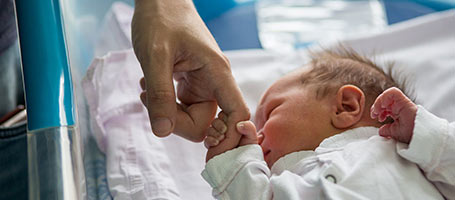
Podcast
Video
Multi-million dollar settlement for a child with cerebral palsy caused by a birth injury at a London hospital
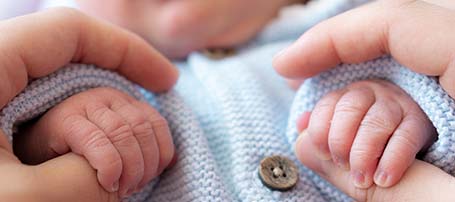
Podcast
Video
Settlement of £9m plus up to £273,000pa for client with cerebral palsy after high risk mother sent home with PROM
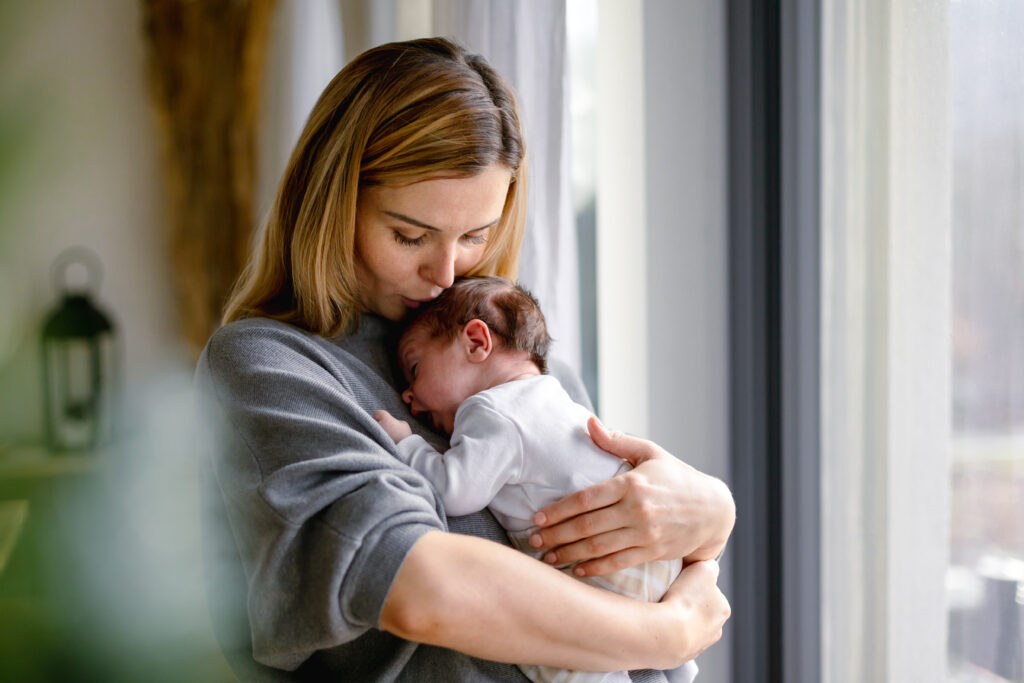
Podcast
Video
£21 million settlement for teenager with cerebral palsy from negligently delayed delivery
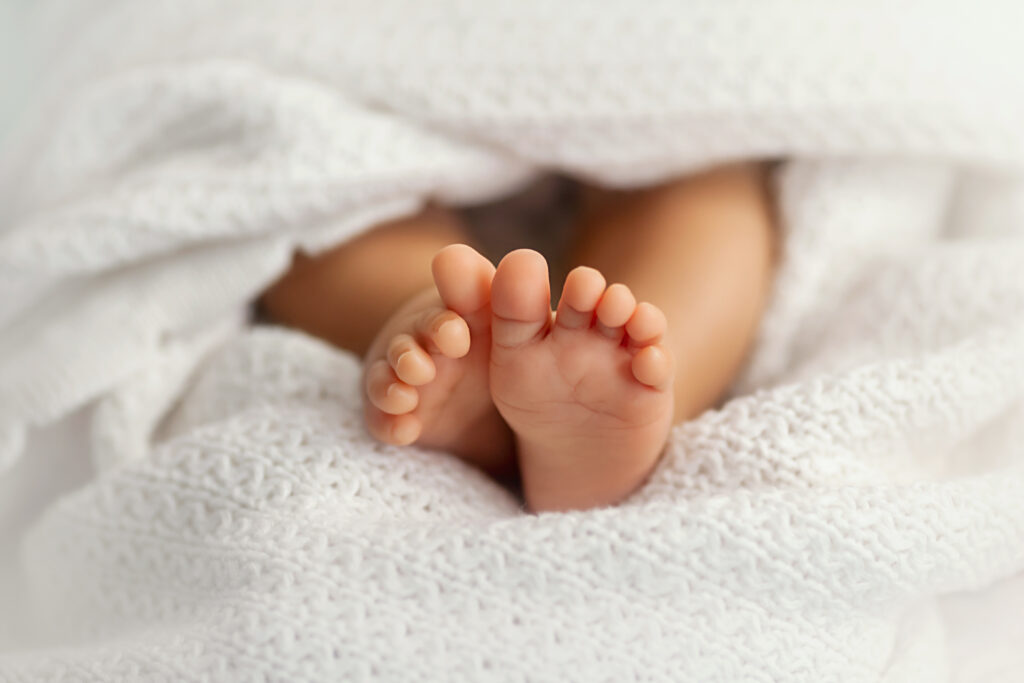
Podcast
Video
£3.1 million lump sum for brain injury suffered at birth
Podcast
Video
Liability judgment for child after negligent management of impacted fetal head causes traumatic brain injury
Podcast
Video
Liability judgment and interim payment for teenager after neonatal unit over-ventilation causes cardiac arrest and brain injury
Podcast
Video
£7 million settlement after delayed referral for treatment for jaundice led to kernicterus brain injury and cerebral palsy
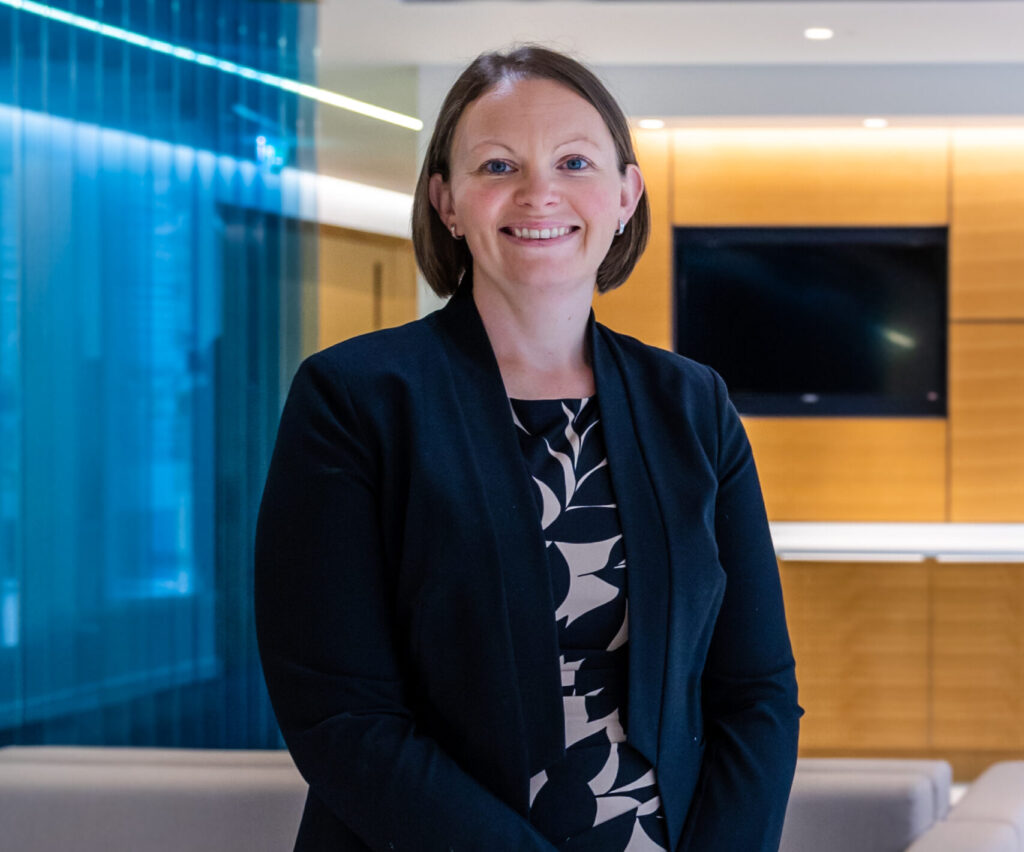
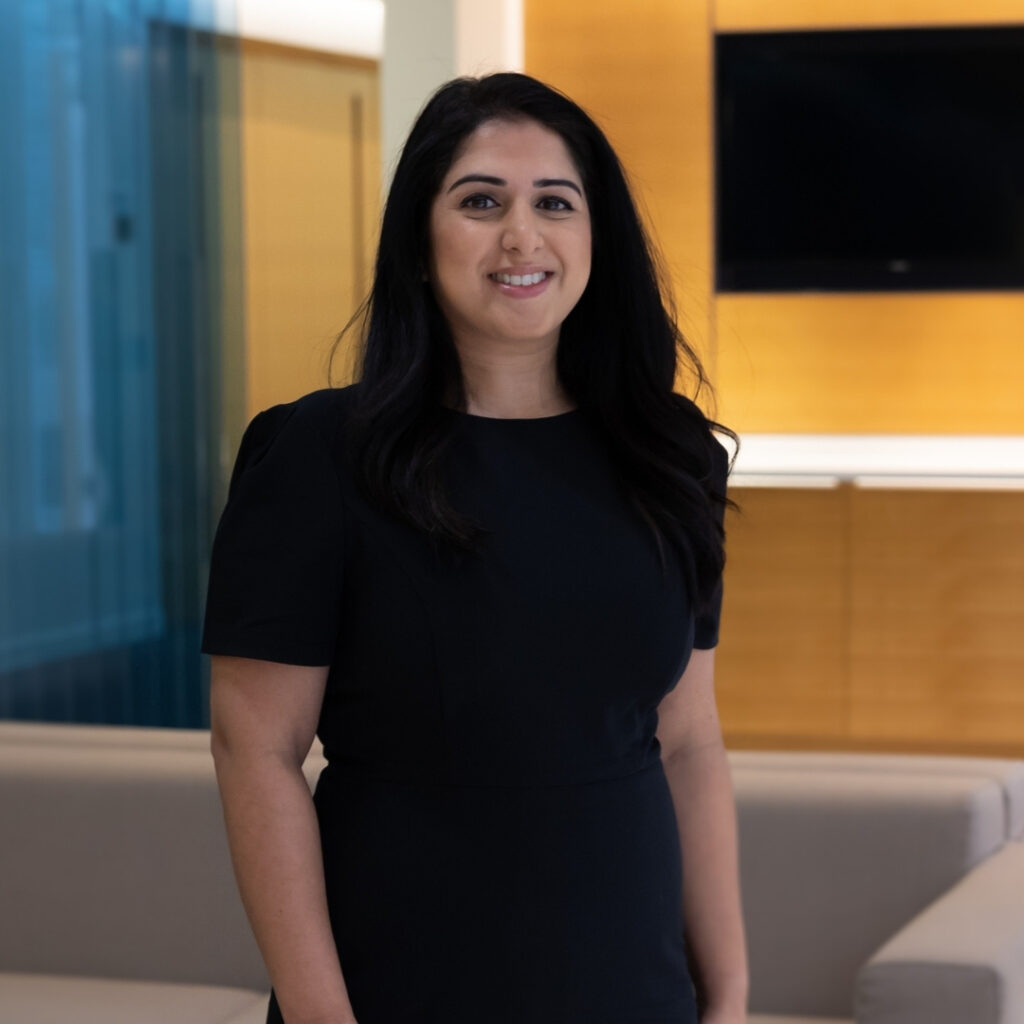
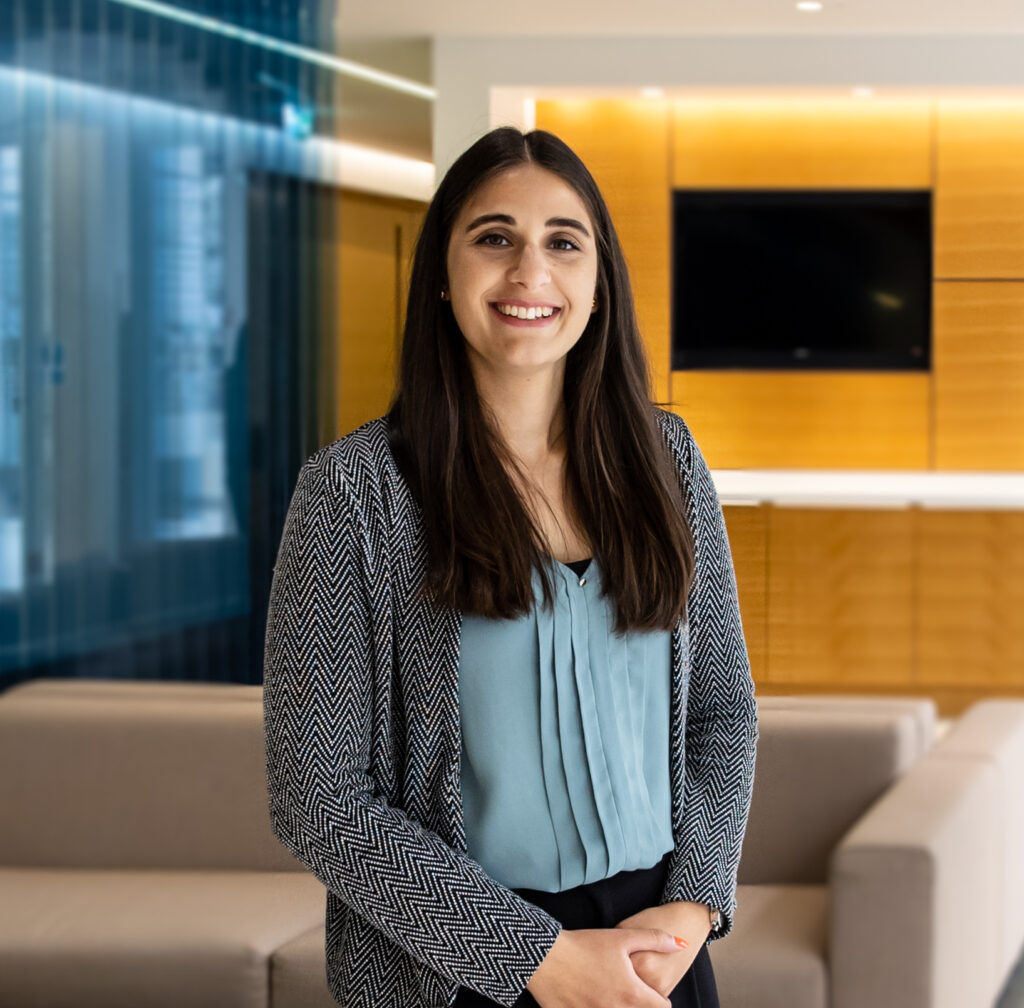
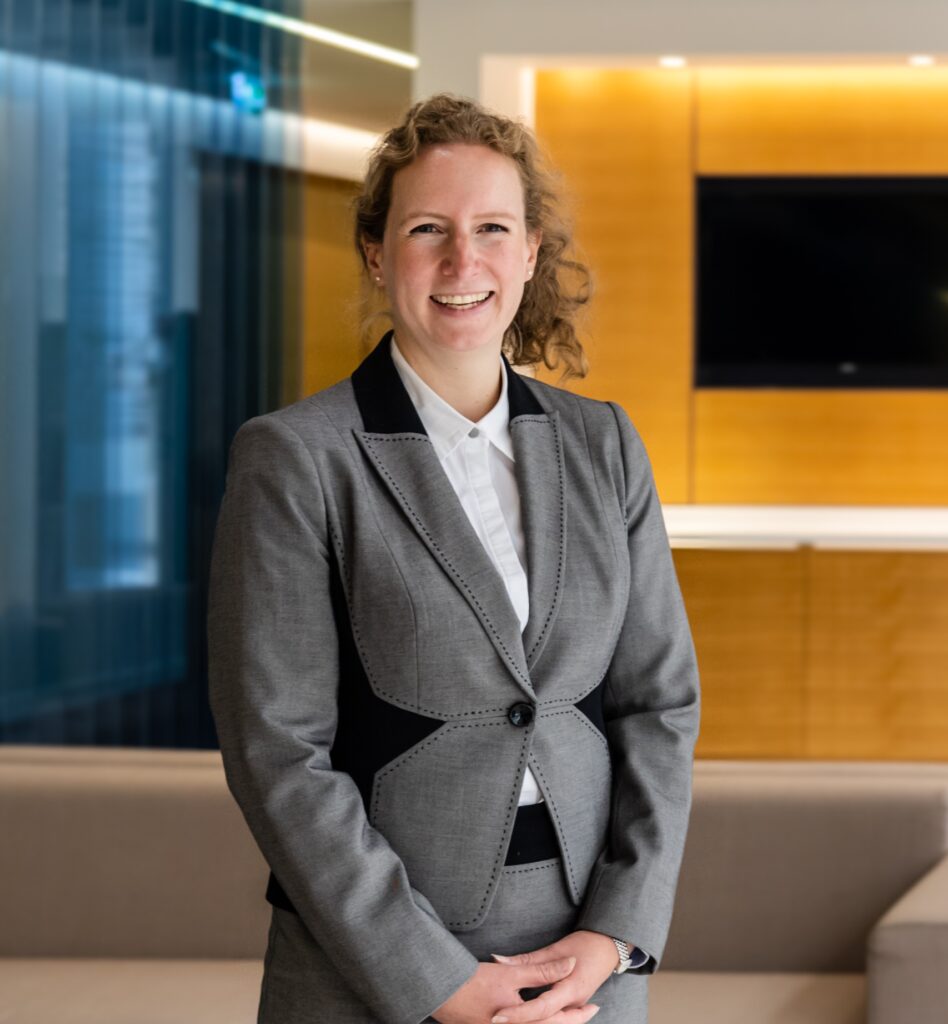
Our medical negligence team

What our clients say
I would recommend

What our clients say
I am overwhelmed
What our clients say
I couldn’t fault them they have been brilliant throughout the whole process
What our clients say
I thoroughly recommend Boyes Turner
What our clients say
Friendly and sympathetic
What our clients say
Boyes Turner were excellent, dug in for the long haul
What our clients say
Brain injury at birth
What our clients say
Clinical negligence claim
What our clients say
Compassionate and patient
What our clients say
Accident at work testimonial
What our clients say
Amazing, supportive and knowledgeable
What our clients say
Birth negligence
Our clients receive the highest standards of advice and representation and are always treated with compassion, outstanding care and understanding of the physical, emotional, psychological and financial impact that life-changing injury can have upon their lives.
- We are nationally acclaimed for our claimant medical negligence expertise and the outstanding results we achieve for our clients.
- We are ranked as leading clinical negligence experts in the Chambers Directory and Legal 500 guides to the legal profession and are accredited for our specialist expertise by the Law Society, AvMA, and the Association of Personal Injury Lawyers (APIL).
- Our integrated multidisciplinary team offers our clients a full range of specialist help with compensation, rehabilitation, SEN, deputyship, personal injury trusts and community care.
- We secure maximum compensation in claims for adults and children who have suffered catastrophic injury and severe disability, and provide practical support for their families.
Related birth injury claims
Hypoxic brain injury claims for babies (HIE)
Neonatal brain injury claims
NHS Resolution or Early Notification Scheme (ENS)
Jaundice and kernicterus brain injury claims
Cerebral palsy
Birth injury
Related birth injury insights
Podcast
Video
What are interim payments?
Podcast
Video
Erb’s palsy disability support from compensation
Podcast
Video
Five common reasons why babies are admitted to SCBU, NNU or NICU

Podcast
Video
Blindness and visual impairment in neurological injury claims
Podcast
Video
Can delayed C sections cause birth injury?
Podcast
Video
Court approval hearings after settlements in injury claims for children
Podcast
Video
Neonatal brain injury from hypoglycaemia can my child claim compensation?
Podcast
Video
Perineal tears and OASI injuries in childbirth can I claim compensation?

Podcast
Video
What happens after liability judgment in a medical negligence claim?
Podcast
Video
Can a birth injury claim provide a better family home for a child with cerebral palsy?
Leading medical negligence solicitors for over 30 years

Get help today
- Free & no obligation initial advice
- Speak directly to a solicitor
- No upfront costs & no win no fee