Cooling for babies with HIE birth injury
Cooling treatment can help reduce brain injury in babies affected by a lack of oxygen around birth. If your baby’s HIE was caused by negligent care, our specialist birth injury solicitors can help you secure the support and compensation they need.

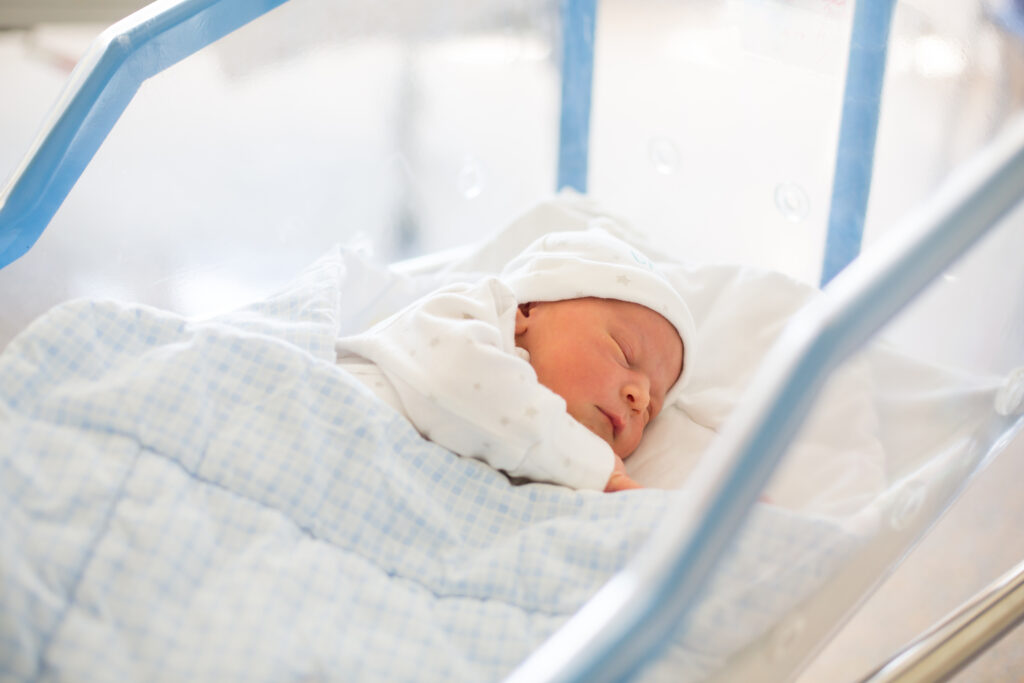
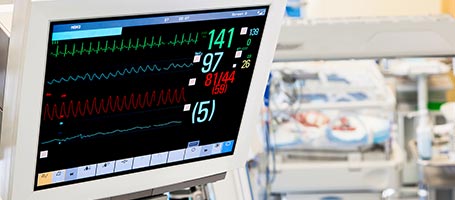
If your baby needs neonatal intensive care after a hypoxic birth injury, their medical team may recommend that they are treated with cooling. You may be advised that this treatment must take place urgently or that your baby is being transferred to a more specialist neonatal intensive care unit for the cooling to take place.
It can be hard to make important decisions for your new baby so soon after a difficult or traumatic birth. You may still be trying to understand what the birth injury and cooling treatment will mean for your baby, and worried about their need for specialist neonatal treatment.
On this page you will find the answers to many of the questions that families have about cooling: what it is, what will happen, and how it helps.
Cooling FAQs
What is cooling?
Cooling (also known as therapeutic hypothermia) is a treatment that is given to newborn babies who are born with moderate or severe HIE brain injury. If your baby needs cooling, you may have already heard the terms ‘HIE’ or ‘hypoxic birth injury’. HIE is short for hypoxic ischaemic encephalopathy, which means brain injury caused by reduced oxygen and blood flow to the brain. The terms ‘HIE’ and ‘hypoxic birth injury’ are used interchangeably to describe this condition.
Babies born with HIE birth injury can develop severe physical and cognitive (thinking) disability, which may affect their ability to walk and talk, feed and look after themselves, or study, work and live independently. Hypoxic brain injury is irreversible and cannot be cured but, for some babies, neonatal treatment with cooling can reduce their long-term physical disability.
Cooling lowers the baby’s brain and body temperature to a level which slows down the rate of damage to the brain after a prolonged or acute (sudden) shortage of oxygen. This reduces brain swelling, intracranial pressure, slows down brain cell metabolism, reduces the toxins that the brain cells release after a hypoxic event, and increases the repair of brain cells, all of which reduces the extent of the damage to the newborn baby’s brain. Whilst this may sound a little incredible, if administered correctly, cooling has been found to reduce significantly the physical disability or cerebral palsy that would normally be caused by a moderate or severe HIE brain injury. In many cases, cooling is so effective that children who were born with HIE go on to meet their early developmental milestones and are left with little or no obvious physical disability.
Neonatal intensive care and cooling is currently the best available treatment for babies after hypoxic brain injury.
Why does my baby need cooling?
If your newborn baby is offered treatment with cooling, this is because their doctors believe they have suffered a hypoxic (HIE) birth injury. Treatment with cooling has been found to reduce the permanent physical disability that is often experienced by babies after a moderate or severe HIE birth injury.
National guidance by the National Institute for Health and Care Excellence (NICE) recommends cooling for all eligible newborn babies with moderate or severe HIE who are expected to survive, as long as the treatment is carried out in accordance with recognised safety criteria. This means that cooling is standard treatment for most babies who are born with moderate to severe HIE birth injury. Cooling is not offered to babies born before 36 weeks of pregnancy.
As cooling must take place as soon as possible after the baby’s birth injury to be effective, the process of sharing information and obtaining consent can sometimes feel rushed and confusing for parents. NICE guidelines require neonatal teams to ensure that, as the baby’s parents, you understand what is involved and agree to the cooling treatment.
What are the benefits of cooling for babies with HIE birth injury?
When a baby’s brain is deprived of oxygen (hypoxia) before, during or immediately after their birth, this causes brain injury and cerebral palsy disability. Hypoxic birth injury cannot be cured. However, research and over a decade of cooling treatment have shown that if given correctly, cooling significantly reduces the severe physical disability that would otherwise follow an HIE birth injury. In fact, therapeutic hypothermia or cooling has been so successful in slowing the progression of HIE brain injury that, even where MRI scans confirm an HIE injury to a newborn baby’s brain, the growing child retains their motor (muscle movement) coordination, mobility (ability to walk) and communication, which are usually the major challenges for children with cerebral palsy from HIE birth injury.
Cooling is so effective in reducing long-term physical disability following hypoxic birth injury that NICE guidance now recommends cooling for all eligible newborn babies with moderate or severe HIE.
What happens when a baby is cooled after birth injury?
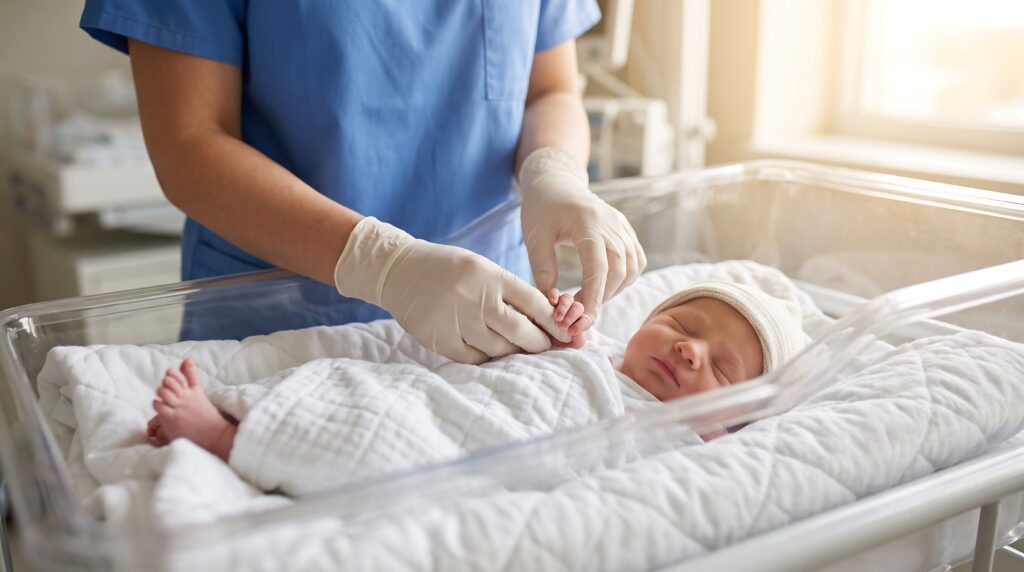
If treatment with cooling is recommended for your baby, it should be carried out under strict safety conditions. Cooling treatment must take place in a specialist neonatal intensive care unit and must be carried out and monitored by staff with training and experience in using therapeutic hypothermia to treat severely ill newborn babies.
Your baby’s neonatal care team must explain to you the benefits and risks of the treatment, and ensure that you understand what is involved and agree to your baby being cooled. To be safe and effective, cooling must start as soon as possible, and in any event no later than six hours, after your baby’s birth. This means that decision-making and arrangements must happen very quickly to give your baby the best chance of a successful outcome. As NICE guidelines require all cooling treatments to take place in a specialist neonatal unit, your baby may need to be transferred to another hospital or a regional neonatal intensive care unit (NICU) if your birth hospital does not have the necessary specialist facilities to provide the cooling.
During cooling, your baby’s body temperature will be safely lowered from their normal temperature of 37°C and kept at a temperature between 33C° and 35°C for 72 hours. This is usually done by placing the baby on a fluid-cooled mattress or in a fluid-cooled wrap, or by cooling their head with a special cap. Their temperature is monitored closely throughout the cooling treatment with a rectal thermometer. Once the cooling treatment is complete, your baby will be slowly and carefully rewarmed to their normal body temperature over several hours.
Your baby should continue to receive full neonatal intensive care whilst they are being cooled, and their condition must be monitored carefully before, during and after their cooling treatment. Their neonatal team will be checking their body and brain’s response to the treatment, with checks such as blood gas and glucose levels, brain activity, checking for signs of infection, administering sedation and pain relief, and providing them with respiratory and cardiovascular support.
You should be able to hold, touch and talk to your baby during their cooling treatment, but this may be limited if your baby is very unwell or if they are attached to a lot of equipment.
Can babies with mild HIE have treatment with cooling?
If your baby is born with mild hypoxic ischaemic encephalopathy (HIE) it is unlikely that they will be offered treatment with cooling. NICE guidelines only recommend treatment with therapeutic hypothermia for babies born with moderate or severe HIE, owing to the treatment’s proven benefits in reducing physical disability. Babies born with mild HIE may experience some subtle difficulties over time, but they do not usually have the severe physical disability that cooling is known to reduce.
Whilst some hospitals are currently offering cooling treatment for babies with mild HIE, this does not reflect recommended practice. Research is underway to explore whether babies with mild HIE should be exposed to the risks and additional invasive treatment and monitoring involved in cooling, without the proven benefit of a significant reduction in physical disability. The outcome of the research is expected to lead to changes in the guidelines which will either extend or more firmly restrict when cooling can be used.
What are the risks of cooling?
Therapeutic cooling became established as standard treatment for babies with moderate to severe HIE in the UK from around 2010, following research showing that it can improve outcomes when started within the first six hours after birth. Like any medical treatment, it has its risks and complications. Your baby’s neonatal team should discuss with you the benefits and risks of cooling, so that you understand what the treatment involves and how it might affect your baby before agreeing to the treatment.
Cooling is currently recognised as the best available treatment to reduce severe life-long disability in babies who have suffered moderate or severe HIE birth injury. It has potentially life-changing benefits for seriously injured babies who would otherwise develop cerebral palsy disability. Given its proven benefits and NICE recommendation as a standard treatment for newborn babies with HIE birth injury, failure to offer cooling to an otherwise eligible baby with moderate or severe HIE could be regarded as negligent.
Clinical studies have found that therapeutic hypothermia or cooling is generally safe as long as it is correctly administered and carefully monitored by fully trained staff in a specialist neonatal intensive care unit. Babies undergoing cooling must also receive neonatal intensive care, which involves regular blood tests, monitoring of their blood pressure, heart rate and brain activity and checking for signs of infection.
At the end of the cooling period, your baby’s body temperature will gradually be brought back up to normal. The process of ‘rewarming’ must take place gradually and must also be monitored carefully to avoid reperfusion injury.
What kind of mistakes in cooling treatment for newborn babies lead to medical negligence claims?
Medical negligence claims involving injury from cooling treatment errors usually arise from failure to follow the strict safety protocol. Common mistakes include failing to start the cooling treatment within six hours of the baby’s birth, failing to provide full neonatal intensive care and monitoring of the baby, and failure to control the baby’s temperature leading to over-cooling or rapid rewarming.
Mistakes in cooling can cause further injury to a severely injured baby’s brain, leading to additional lifelong disability. Mistakes during the rewarming process can cause reperfusion injury, further damaging the baby’s brain by returning the blood to it too quickly.
In a recent case, our client’s birth injury was compounded by cooling mistakes during transfer to a more specialised neonatal unit, resulting in a lengthy period of cooling at a dangerously low temperature. Similarly, the Ockenden review into maternity failures at Shrewsbury and Telford Hospitals NHS Trust raised concerns about the therapeutic cooling of many of the babies who suffered HIE brain injury as a result of their negligent maternity care.
Does cooling cause autism, ASD or ADHD?
Since cooling has been used routinely to prevent babies with moderate or severe HIE birth injury from developing cerebral palsy disability, we have found that more families are coming to us for help with children and teenagers who were cooled and later developed problems with attention and behaviour, diagnosed as autism or attention deficit hyperactivity disorder (ADHD). These children are less physically disabled than would otherwise be expected from their birth injury, but their behavioural and neurodevelopmental disability will still have a life-long impact on their family and the child, limiting their ability to learn, work, socialise and be safe around others, or live independently in adult life.
We cannot say whether cooling ‘causes’ autism or ADHD, as the scientific understanding of these conditions is still developing. However, our medical experts tell us that unless there is strong evidence of another cause, the ASD/ADHD traits which develop in later childhood and teenage years can be attributed to the cooled child’s HIE birth injury.
Read more about claims arising from HIE birth injury, cooling and autism/ADHD.
Does MNSI investigate HIE birth injuries for babies who have been treated with cooling?
The Maternity and Newborn Safety Investigations (MNSI) programme investigates birth injuries to newborn babies who have had a diagnosis of severe brain injury, including babies with grade III (severe) hypoxic ischaemic encephalopathy (HIE) or treatment with cooling.
MNSI no longer routinely investigates HIE birth injuries where the baby’s MRI scan or neurological examinations show no obvious evidence of ongoing brain injury, such as after the baby has been cooled. The exceptions to this are where the baby’s family or the NHS trust responsible for the mother’s maternity care request an investigation, or where a baby with mild HIE has been cooled as part of the COMET trial into cooling for mild HIE.
Related birth injury case studies

Podcast
Video
£17.8m* settlement for child with cerebral palsy birth injury and neurodevelopmental disability after mother was refused a caesarean section

Podcast
Video
CNZ -v- Royal United Hospitals Bath NHS Foundation Trust: $45million settlement for claimant
Podcast
Video
£18.7 million* settlement for teenager with cerebral palsy caused by negligently delayed delivery

Podcast
Video
£11.8 million settlement in birth injury claim for child with cerebral palsy
Podcast
Video
£18.1m settlement for child with severe cerebral palsy, visual and learning disability from maternity negligence
Podcast
Video
£4 million compensation settlement in birth injury claim for an 11-year-old boy with cerebral palsy

Podcast
Video
£12 million settlement for child whose severe dyskinetic cerebral palsy was caused by negligent water birth
Podcast
Video
£13m+ settlement after negligent treatment of neonatal necrotising enterocolitis and hypocarbia cause cerebral palsy
Podcast
Video
£18.4 million settlement after delayed treatment of HSV infection in forceps scalp grazes causes cerebral palsy
Podcast
Video
£7.4m settlement for child with severe cerebral palsy after hospital sent her mother home in labour
Podcast
Video
£14.6 million settlement for young man with cerebral palsy from uterine hyperstimulation at time of birth

Podcast
Video
£5 million lump sum, lifelong annual payments of £232,750pa for care and Treloar’s SEN funding for boy with cerebral palsy

Podcast
Video
£16 million settlement for teenager with cerebral palsy from hypoxic brain injury during delayed delivery

Podcast
Video
£19 million settlement for girl with dyskinetic cerebral palsy caused by negligent midwifery and obstetric care during labour

Podcast
Video
£3 million settlement for young man with physical disability from cerebral palsy caused by hypoxic injury at birth
Podcast
Video
£4.6 million plus lifelong payments of up to £360,000pa for child with severe dystonic cerebral palsy birth injury
Our medical negligence team











Related birth injury insights
Podcast
Video
Uterine rupture during VBAC

Podcast
Video
What is cerebral palsy?

Podcast
Video
International compensation claims for birth injury and neonatal brain injury
Podcast
Video
Neonatal meningitis claims
Podcast
Video
How do medical experts determine if cerebral palsy was caused by medical negligence?

Podcast
Video
What are interim payments?
Podcast
Video
Erb’s palsy disability support from compensation
Podcast
Video
Five common reasons why babies are admitted to SCBU, NNU or NICU

Podcast
Video
Blindness and visual impairment in neurological injury claims
Podcast
Video
Can delayed C sections cause birth injury?
Podcast
Video
Court approval hearings after settlements in injury claims for children

Podcast
Video
Neonatal brain injury from hypoglycaemia can my child claim compensation?

Podcast
Video
Perineal tears and OASI injuries in childbirth can I claim compensation?

Podcast
Video
What happens after liability judgment in a medical negligence claim?
Podcast
Video
Can a birth injury claim provide a better family home for a child with cerebral palsy?
Podcast
Video
Breech birth injury claims – what are the RCOG guidelines?
Contact us
If you would like advice regarding a serious injury or illness affecting you or a loved one, please complete the form and one of our experts will be in touch as soon as possible.
Rather give us a call:
Related birth injury claims
Autism and ADHD
Birth injury
Cerebral palsy
Hypoxic brain injury claims for babies (HIE)
Meconium aspiration syndrome (MAS)
Neonatal brain injury claims
Neonatal hypoglycaemia brain injury claims
Twin pregnancy birth injury claims
Leading medical negligence solicitors for over 30 years


Stay informed with insights from Boyes Turner
Sign up to receive the latest legal updates, expert commentary, and practical guidance tailored to your interests.