Surgery negligence compensation claims


Expert legal support to help you recover, rebuild, and move forward with confidence.

A patient’s safe journey through surgery depends on proper anaesthetic, surgical and peri-operative medical care. The patient must be supported in making their treatment decisions with informed consent and kept safe with appropriate advice and follow-up when they leave the hospital after their operation.
When a patient is seriously injured as a result of delayed or negligent surgical treatment or advice, they may be entitled to claim compensation.
- Nationally recognised medical negligence specialists with decades of experience
- Access to leading medical experts and rehabilitation professionals
- Proven track record of securing life-changing compensation for families
- Dedicated support from initial enquiry through to settlement
- No upfront costs and claim through a no win no fee agreement
Surgery negligence claims
Spinal cord injury
Amputation
Brain injury negligence
Fatal negligence
Sepsis negligence
Peripheral ischaemia
Hospital negligence
Anaesthetic negligence
Starting your surgery negligence claim
For more than 30 years, Boyes Turner’s medical negligence solicitors have guided injured patients through the claims process to secure the compensation and specialist support that they need to manage their disability and rebuild their lives after negligent NHS and private surgical care.
You can contact us by telephone or by email for free, confidential advice from a medical negligence solicitor. We will ask you to tell us briefly about your injury and your medical and surgical care, and advise you about your time limits and whether we can help you investigate your claim. Once our investigations confirm you have grounds for a claim, we will notify the defendant healthcare provider (usually represented by NHS Resolution) on your behalf and invite them to respond, giving them an opportunity to admit liability (responsibility for your injuries) before court proceedings are issued.
If liability is admitted, we will obtain a judgment from the court and apply for a substantial interim payment to meet your needs arising from your injury and disability. If the healthcare provider or NHS Resolution deny liability, we will advise you about the best way to proceed with your claim. This may involve issuing court proceedings or inviting NHS Resolution to enter into settlement negotiations or mediation.

No win, no fee
No hidden or upfront costs. Clear, straightforward advice. Nothing to pay unless your claim is successful.
Over 30 years’ experience
We have helped thousands of clients claim compensation.
Fully regulated
Authorised and regulated by the Solicitors Regulation Authority.
Surgery negligence claims FAQs
What are surgery negligence claims?
During surgery or surgical procedures (operations) surgeons use instruments to remove or repair a damaged or diseased part of the body. The surgeon may make an incision (cut), suture (stitch) or physically manipulate the patient’s body, and may fix, graft, remove, tie (ligate) or merely examine structures within the body, depending on the purpose of the operation. During surgery, the patient may need local or general anaesthetic (GA) and ventilation via a machine to help them breathe whilst under GA. They may need support with managing their blood flow (perfusion) if the operation is on their heart. They also need careful monitoring of important indicators of their general condition, such as their heart rate, blood pressure and oxygen levels. These supportive measures keep them safe whilst the operation takes place.
Throughout their care, surgical patients are entitled to:
- clear and thorough personalised information about the operation, its risks and its benefits;
- safe and effective anaesthetic;
- safe surgical technique;
- appropriate management of their health before, during and after the operation;
- appropriate management of complications.
If a patient suffers a serious injury as a result of negligence during any stage of their surgical care, they may be able to claim compensation for the injury that was caused by their negligent treatment.
What mistakes can lead to surgical negligence compensation claims?
Where a negligent mistake before, during or after surgery causes serious injury which would have been avoided with correct care, the patient may be able to claim compensation for that injury and its consequences.
Surgical negligence claims often arise from:
- inadequate pre-operative risk assessment, warnings, and consent;
- misdiagnosis, wrong site or unnecessary surgery;
- delays in operating;
- negligent medical or nursing pre-operative and post-operative care;
- negligent surgical technique;
- perfusion (blood flow) errors;
- anaesthetic errors:
- ventilation and intubation (insertion of the breathing tube);
- awareness under anaesthetic;
- anaphylaxis (a severe, potentially life-threatening allergic reaction);
- resuscitation errors;
- monitoring errors.
What injuries lead to negligent surgery claims?
Our experienced clinical negligence solicitors have recovered substantial compensation settlements for clients injured by surgical negligence which caused:
- spinal cord injury;
- brain injury;
- cardiac arrest;
- nerve injury;
- arterial damage leading to amputation;
- bowel injury, peritonitis, and sepsis;
- disability affecting mobility;
- blindness and visual impairment;
- the patient’s death.
What are the different types of surgery?
When a patient needs surgical treatment, the urgency, severity, and type of injury or condition will determine how the operation should be carried out. Each type of surgery has its own benefits and risks to the patient.
- Day surgery is carried out in one day, without the patient having to stay in hospital.
- Keyhole surgery (also known as laparoscopic or minimally invasive surgery) is performed through small incisions in a patient’s skin. The surgeon operates using instruments inserted through a tube with a fibre optic light on the end and a camera which shows what’s happening on a video screen.
- Open surgery takes place through a bigger incision than keyhole surgery, giving the surgeon more space and better visibility to operate, but requires stitching and takes longer to heal.
- Microsurgery procedures use extremely small instruments and powerful magnifying devices, to operate on tiny structures within the body, such as nerves, the bones in the ear, inside the eye or small arteries.
- Elective surgery is non-urgent surgery which is planned in advance.
- Emergency surgery is unplanned surgery for medical emergencies. The operation may take place immediately or during the night where the patient has a serious or life-threatening condition, but usually takes place within 24 hours.
What is informed consent in surgical negligence claims?
When deciding whether to consent to medical or surgical treatment, patients must be informed of what the treatment involves, any reasonable alternatives, and ‘all material risks’ of the proposed treatment. The patient is entitled to be properly informed and make their own decision, even if there is only a small risk of a poor outcome, complication or side effect or the doctor thinks the risk doesn’t justify refusing treatment.
If a patient is injured by treatment which was performed without their informed consent, they may be able to claim compensation for their injury. In most cases, the patient’s signature on the consent form alone is not conclusive evidence that informed consent was given, but is considered together with other evidence of the conversation which took place when the patient was asked to give consent, such as the doctor’s record of the conversation in the medical notes, the patient’s mental capacity to make decisions, and whether the patient would have refused the treatment if they had been properly informed about its risks.
Making a surgery negligence claim
We understand how daunting it can feel to take the first step. Our specialist medical negligence solicitors are here to guide you through every stage.

Getting in touch
Call us or complete our online enquiry form for free, confidential advice from a specialist surgery negligence solicitor. We will listen to your concerns, explain your options, and advise whether we can investigate if errors during surgery caused avoidable harm.

Supporting your claim
Our solicitors will review your medical records, instruct independent experts, and investigate whether your surgery was planned, performed and managed appropriately. Where negligence is identified, we can build a strong claim and, where appropriate, seek an interim payment to help meet immediate care and rehabilitation needs.

Securing compensation
We provide compassionate support throughout the claims process, working to secure the maximum compensation as quickly as possible to help fund ongoing treatment, rehabilitation, care, loss of earnings, adapted accommodation where needed, and other essential support.
Contact us
If you would like advice regarding a serious injury or illness affecting you or a loved one, please complete the form and one of our experts will be in touch as soon as possible.
Rather give us a call:
Our surgery negligence claims
Podcast
Video
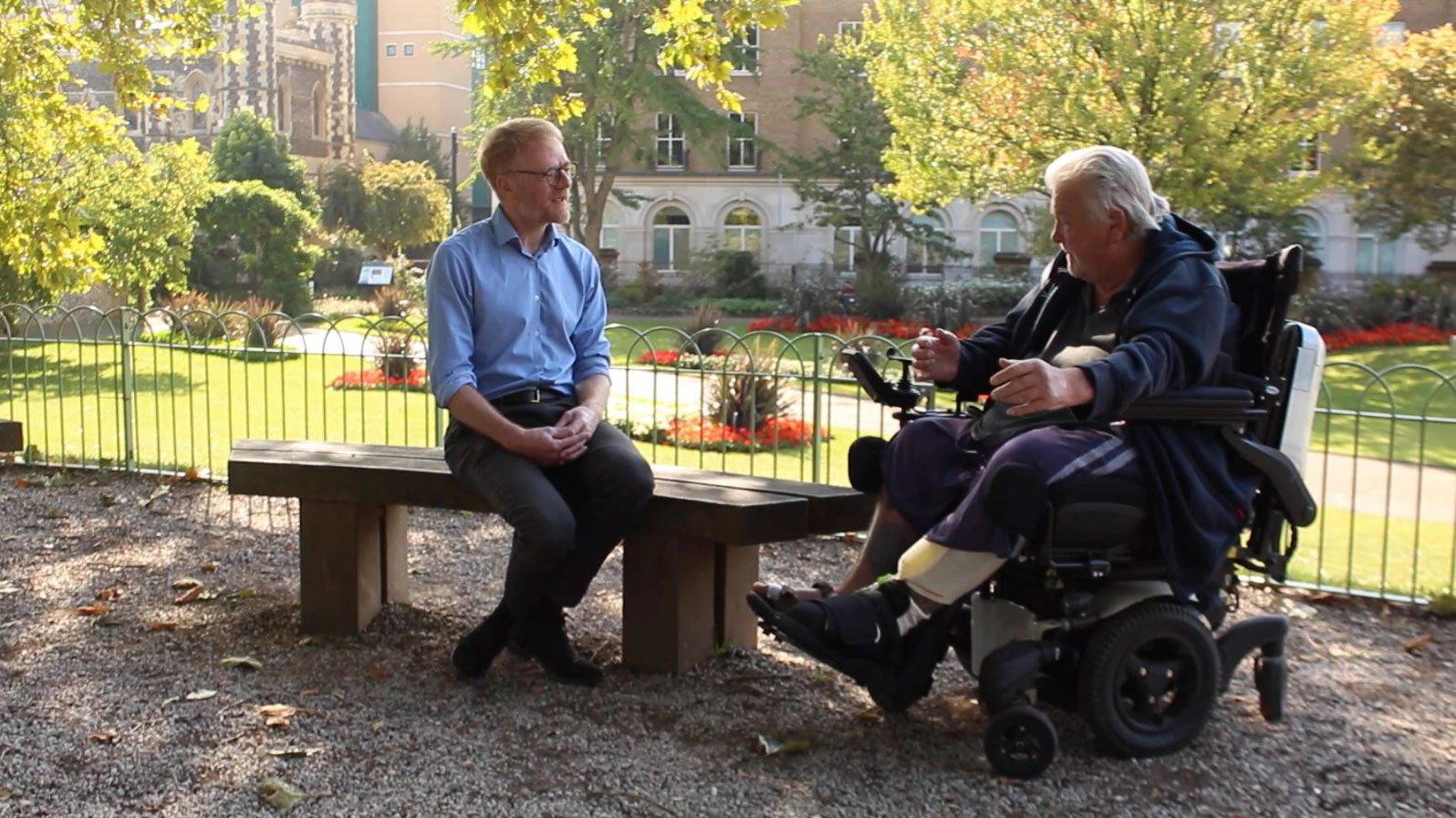
£500,000 settlement for amputee after GP negligence delays treatment for popliteal aneurysms and critical limb ischaemia

Podcast
Video
£1.5 million lump sum plus lifelong annual payments of £225,000pa after fall in hospital causes tetraplegia

Podcast
Video
£750,000 settlement for delayed sepsis treatment multiple amputee

Podcast
Video
£90,000 settlement after keyhole gallbladder surgery causes bile duct injury

Podcast
Video
£162,500 settlement after artery damage during private hospital surgery causes fatal injury

Podcast
Video
£62,500 settlement from private hospital after post-op errors lead to peritonitis

Podcast
Video
£800,000 settlement after negligent spinal surgery causes cauda equina syndrome (CES)

Podcast
Video
Settlement for mother of young woman who died after delayed surgery for brain haemorrhage

Podcast
Video
£200,000 settlement for widow whose husband died after air in his central line caused air embolism and stroke

Podcast
Video
Hospital admits that negligent surgery caused cauda equina syndrome (CES)

Podcast
Video
£750,000 settlement after GP and district nurses’ failure to refer for post-surgical infection leads to amputation

Podcast
Video
£130,000 settlement for woman’s bereaved family after negligent care leads to fatal faecal peritonitis
Podcast
Video
Settlement for client left blind in one eye after wrong sized lens implanted during eye surgery
Podcast
Video
Liability settlement after GP and district nurses’ failure to refer patient with post-surgical ankle infection leads to need for below-knee amputation
Our medical negligence team












What our clients say
Worked assiduously and painstakingly

What our clients say
You have given fantastic support and guidance
What our clients say
Very helpful and diligent
What our clients say
Very Professional
What our clients say
We cannot praise and thank the team enough
What our clients say
they kept us fully informed
What our clients say
This was a seamless and successful process
What our clients say
Professional lawyer
What our clients say
Professional, helpful and responsive
What our clients say
She listens

Our clients receive the highest standards of advice and representation and are always treated with compassion, outstanding care and understanding of the physical, emotional, psychological and financial impact that life-changing injury can have upon their lives.
- We are nationally acclaimed for our claimant medical negligence expertise and the outstanding results we achieve for our clients.
- We are ranked as leading clinical negligence experts in the Chambers Directory and Legal 500 guides to the legal profession and are accredited for our specialist expertise by the Law Society, AvMA, and the Association of Personal Injury Lawyers (APIL).
- Our integrated multidisciplinary team offers our clients a full range of specialist help with compensation, rehabilitation, SEN, deputyship, personal injury trusts and community care.
- We secure maximum compensation in claims for adults and children who have suffered catastrophic injury and severe disability, and provide practical support for their families.
Related surgery negligence insights

Podcast
Video
Fatal injury compensation when medical mistakes cause a parent or partner’s death

Podcast
Video
Blindness and visual impairment in neurological injury claims
Podcast
Video
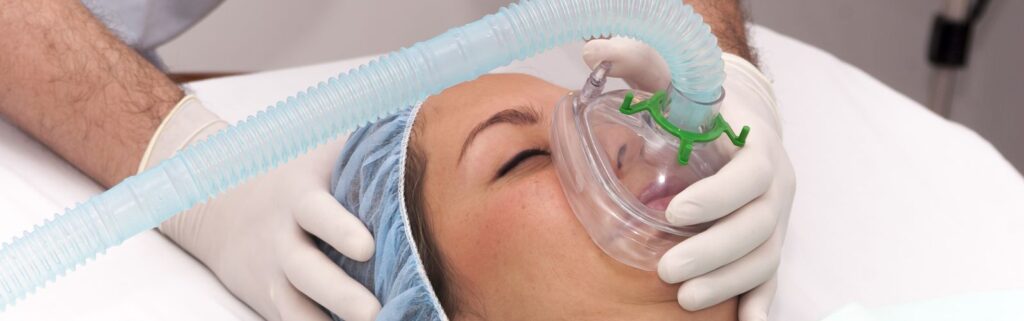
Anaesthetic negligence brain injury claims

Podcast
Video
Medical negligence claims from errors in post-operative care

Podcast
Video
Client story: A minor lump becomes stage 4 cancer after hospital negligence

Podcast
Video
British Heart Foundation (BHF) highlights CVD risks for women, socially deprived and ethnic groups

Podcast
Video
IPPR calls for action and access to timely, effective healthcare to prevent cardiovascular disease (CVD)

Podcast
Video
HSSIB finds patients at risk of harm from patient identification errors during NHS treatment

Podcast
Video
HSSIB warns gaps in guidance and training increases risk of harm for patients with ‘difficult airways’
Podcast
Video
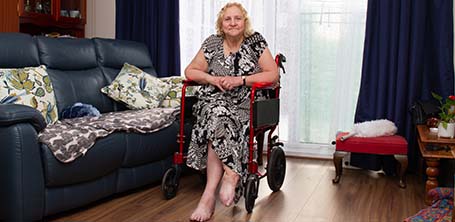
Eileen’s story – adjusting to disability whilst awaiting amputation
Leading medical negligence solicitors for over 30 years


Get help today
- Free & no obligation initial advice
- Speak directly to a solicitor
- No upfront costs & no win no fee