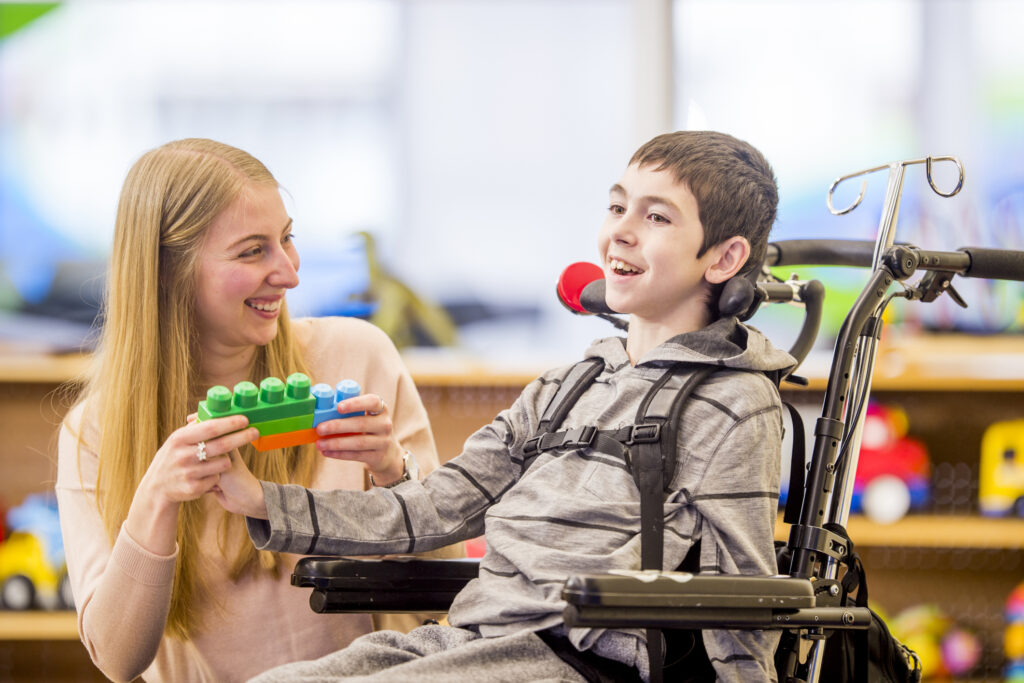
If your child has cerebral palsy or neurodevelopmental disability after a birth injury or neonatal brain injury, it is likely that they will need additional care throughout their life. If their brain injury disability was caused by medical negligence they may be entitled to substantial compensation. In most claims for children with severe disability, provision for lifelong support with personalised, professionally co-ordinated care is a fundamental reason for making a claim.
Personalised care has a life-changing impact on the child’s ability to participate in family, educational and social activities, and (in later years) can support them in becoming more independent. After years of struggling to manage their child’s disability, our client families find that accepting additional care for their child helps restore balance to their family roles and relationships, enabling them to love and guide their child as parents, supported by professional carers who ensure that their child’s disability-related needs are met. In most of Boyes Turner’s cases, this support starts whilst the claim is ongoing, and continues after settlements which include guaranteed, lifelong provision for the child’s future care.
If you have questions about your child’s future after a recent brain injury or cerebral palsy diagnosis, or are caring for an older child or teenager with disability from an injury at birth, or if you are a disabled teenager and are wondering how you will get the care and support that you need for your next move, such as to university or independent living, this page may help you find answers to some of the questions that families ask us about finding help with care via a compensation claim.
Help with care FAQs
How soon can I get help with care from a claim for a disabled child?
The sooner you instruct an experienced, claimant-specialist, birth injury or neonatal brain injury solicitor to investigate a claim for your child, the sooner they can help you secure help with your child’s care and other disability-related needs.
Parents of children with cerebral palsy or neurodevelopmental disability, but especially those with older children or teenagers, are often exhausted by the time they consider seeking help with a claim to pay for care. Our Boyes Turner’s specialist solicitors understand your hardship and aim to alleviate it as quickly as possible. In most of our cases, personalised care and support starts whilst the claim is ongoing, and continues after settlements which include guaranteed PPO provision for the child’s additional care for the rest of their life.
As soon as we have a full admission of liability from the NHS’ legal defence team at NHS Resolution, we apply for a substantial interim payment to begin helping the family meet their child’s immediate needs. One of the most urgent needs is usually for help with care.
Depending on the child’s age, the severity and complexity of their disability, and how quickly their future disability and needs can be assessed, multiple interim payments may be obtained to provide care, therapies and meet the child’s urgent needs before the final compensation settlement at the end of the claim. Cases are often adjourned when a very young child needs time to develop before their future needs can be assessed with certainty by our medical experts. In these cases, we are often able to secure very substantial interim payments allowing us to help the family receive additional care for the child with practical support from a case manager and Court of Protection deputy, and move to a more suitable home with additional (separate) space for their child’s carers.
Should I wait until the claim has settled to set up care for my disabled child?
Once we can obtain an interim payment, we work with our client’s family, their deputy, a case manager and our care experts to prioritise setting up help and support for the family with managing their child’s care.
Setting up a care routine early using interim payments allows the family to find out what care arrangement works best for their child. Our experienced solicitors’ advice and support throughout this initial set-up stage of care also provides reassurance and helpful guidance to the family during this transformative time. Having a successful care arrangement in place before any claim or proposed settlement is presented to the court also helps the court to understand the benefit of an ongoing care arrangement for the child. This avoids uncertainty and reduces the risk of a smaller amount of compensation being awarded for the child’s future care.
Do we really need help with professional care?
We understand that as parents you expect to provide loving parenting and support for your child, in line with their age, developmental stage and family arrangements. This is the type of care that, as parents, you would have provided for your child in any event. Nobody else can replace the parental love and support that you give to your child, and this kind of parental support is not considered or compensated in a cerebral palsy claim for care.
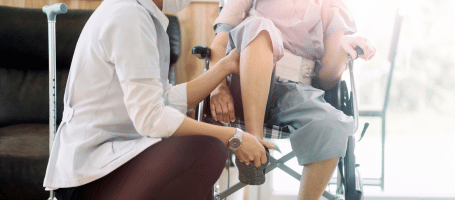
When we talk about ‘care’ for the purposes of a claim, we are referring to additional caring responsibilities that arise from your child’s disability, over and above the normal loving care that, as parents, you would have given your (uninjured) child. Depending on your child’s disability, additional care may mean regular heavy lifting of an immobile child from their bed or chair, or carrying them (and their wheelchair) over steps and thresholds and through inaccessible corridors. It may involve regularly disturbed sleep, waking frequently to turn the child in their bed at night, or handling their personal care at an age when they would have been expected to toilet, bathe or feed themselves. It could involve additional time spent on laundry owing to the child’s incontinence or excessive dribbling, or providing support with home-based physiotherapy and other therapeutic exercises, or living with the constant demands of looking after a child with behavioural issues. In addition, parents often spend a disproportionate amount of their time dealing with appointments, calls and other administrative tasks, simply to keep up with the needs of their injured child.
Over time, these additional caring responsibilities affect parents’ physical health and cause stress and exhaustion from sleep deprivation. This reduces the quality time that they spend with the injured child and their other children, or their ability to work, causing additional stress from financial worries. We have seen how the most loving, patient and dedicated parents become exhausted or unwell from the demands of caring for a severely disabled child. For this reason, we offer compassionate support for families who are coming to terms with the fact that it may be in their child’s and family’s best interests for them to accept some additional help.
We understand how hard it can be for a parent who has coped alone for many years to accept help with looking after their child. Parents often feel (completely unjustified) feelings of guilt or failure, or fears about what friends or family might think. We reassure caring parents that seeking help with care does not mean giving up their parental involvement and ‘first place’ in looking after their child. In our experience, once reassured, most families of children with severe cerebral palsy or neurodevelopmental disability welcome the relief and support that comes from having some carefully managed professional care, supported by a move to a more suitable, family home.
Our case managers and Court of Protection deputy ensure that as parents you always remain fully involved in all decisions relating to your child’s care.
What types of care costs can I claim in a compensation claim for a disabled child?
Claims for cerebral palsy, birth injury or neonatal brain injury disability usually include claims for two different types of care.
- Professional care means the help that the child will need throughout their lifetime from paid carers, who will usually be recruited, selected and managed by the family’s case manager, and will provide care to the child at the family home.
- Gratuitous care means the additional care that the child’s parents or wider family freely provide for the disabled child, over and above the usual care that the parents would have given to their child if the injury hadn’t occurred.
The amount of professional care that a disabled child will receive depends on the child’s needs and the family’s preference, and may be adjusted according to the changing needs of the child over time. Some parents prefer to carry on providing most of their child’s daily care with only minimal help from professional carers whilst the child is still young, knowing that money will be available to pay for their child’s care when they are older. Where the parents continue providing most of the child’s care, additional professional support can be arranged to provide respite or night-time care, or help at challenging times of day, or to support specific activities, such as when the child and family go away on holiday together.
What is a case manager?
A case manager is a specialist, usually with a background in health or social care, who helps the injured child’s family identify the support that they need, and then takes responsibility for sourcing, coordinating and managing services such as care, therapies or specialist equipment.
Caring for a severely disabled child involves much more than simply providing physical support and personal care, so we recommend that claims for children with cerebral palsy, birth injury, neonatal brain injury and neurodevelopmental disability provide for a case manager to support the child and their family. As soon as we are expecting an interim payment, we appoint a specialist case manager and introduce them to the family.
The case manager works closely with the family and has an important role in putting in place and managing any professional care and therapies that are needed for the disabled child. This includes handling all the paperwork, administration and communication involved in recruiting, employing, coordinating and managing carers, and arranging hospital and therapists appointments, as well as liaising with our cerebral palsy birth injury team, the Court of Protection deputy and anyone else who is involved in providing care for the disabled child, and then ensuring that everyone works together.
Can my child’s care take place at home?
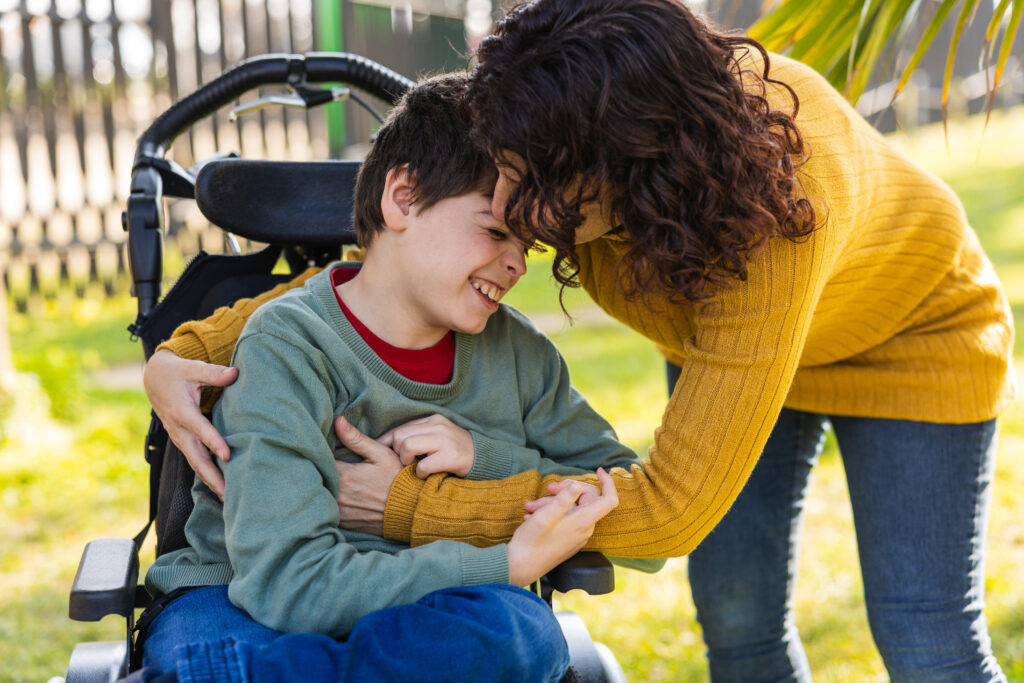
Yes. Compensation to help with care for a child with cerebral palsy brain injury or neurodevelopmental disability enables your child’s disability-related needs to be met fully at home. Whilst ‘professional care’ might sound clinical, the care arrangements that we set up for children affected by birth injury or neonatal brain injury are not intended to distance the child from the family or their home, but provide the care that they need so that they can participate more fully in family life and activities within the family home. This allows parents to have a more balanced relationship with their child, allowing them time and space to be more than a carer, in keeping with the child’s age, developmental needs and family arrangements.
We work closely with you, as parents, and your case manager to ensure that your child’s home-based care meets their needs whilst also respecting your family’s preferences. Some families prefer to begin with part-time or occasional help with professional care, such as for respite or when taking the child and family away on holiday. For others, there may be an urgent need for overnight help (waking care), or regular, full-time help from carers.
Where the child needs substantial, additional professional care, we support the child and their family in moving to a more suitable or adapted home which can accommodate space for carers and equipment whilst maintaining the family’s privacy within the home.
Will my child also have help with care away from home?
In addition to help with their personal care needs at home, your child may also benefit from additional care and support in other environments.
Our cerebral palsy, SEN and Court of Protection deputyship teams arrange for children, teenagers and young adults to have the support that they need to learn and participate fully at school or college, or to study at university and live independently. Professional carers can also help your child take part in sports, leisure and social activities, and can help with travelling and staying away from home, so that you can all enjoy family holidays together.
Looking to the future, many young adults with cerebral palsy and neurological disability rely on professional support to be able to work and to live independently.
Will my disabled child’s compensation cover the cost of their care for life?
If liability (fault or responsibility) for your child’s injury and disability is admitted or can be proven against the defendant (usually NHS Resolution), a properly valued settlement should cover your child’s lifelong costs of care.
It takes specialist expertise to assess and secure full-value compensation for a child with life-long disability from cerebral palsy brain injury or neurodevelopmental disability. For this reason, it is vital that your child’s claim is handled by specialist solicitors with proven skill and experience in securing compensation in complex and high-value claims for children with birth injury, neonatal brain injury and acquired brain injury. This is especially important where the child has complex needs arising from severe disability and a long life expectancy, to ensure that your child’s settlement provides for their care now but also in the future after you are no longer able to provide or manage their care.
Boyes Turner’s team of birth injury and cerebral palsy specialist solicitors work with a multidisciplinary team of independent medical and care experts to assess and advise on each child’s future disability. This enables us to ensure that the costs of meeting the disabled child’s life-long needs are included in their claim.
We build safeguards into the compensation process to meet the child’s care needs both in the immediate and long-term future. As soon as we have a liability admission or judgment, we obtain a substantial interim payment to begin meeting the child’s urgent needs for care straight away. We appoint a Court of Protection deputy to ensure that money will be available when needed to pay for the child’s care, but is also properly managed and protected. Where a deputy is not needed because the child is expected to have full mental capacity in adulthood, we help the family set up a personal injury trust, managed by professional trustees.
Safeguards are also built into the final compensation settlement which, in the case of a disabled child with a long life expectancy, usually includes a periodical payment order (PPO) to provide for the costs of care. This means that a proportion of the settlement is paid as index-linked, tax-free, annual payments which are guaranteed to continue for the rest of the child’s life, so that money is always available to pay for their care.
Related birth injury case studies

Podcast
Video
Judgment and interim payment after negligent midwife’s triage call advice leads to birth delays and cerebral palsy

Podcast
Video
£17.8m* settlement for child with cerebral palsy birth injury and neurodevelopmental disability after mother was refused a caesarean section

Podcast
Video
CNZ -v- Royal United Hospitals Bath NHS Foundation Trust: $45million settlement for claimant
Podcast
Video
£18.7 million* settlement for teenager with cerebral palsy caused by negligently delayed delivery

Podcast
Video
£11.8 million settlement in birth injury claim for child with cerebral palsy

Podcast
Video
Judgment and £250,000 interim payment for child with cerebral palsy after delayed delivery and excessive cooling

Podcast
Video
Judgment after delayed antibiotics for pregnant mother with GBS infection caused son’s cerebral palsy

Podcast
Video
Liability settlement and £250,000 interim payment for child with cerebral palsy from hydrops fetalis
Podcast
Video
£31.5 million settlement for child after maternity negligence causes hypoxic brain injury and cerebral palsy

Podcast
Video
£18.1m settlement for child with severe cerebral palsy, visual and learning disability from maternity negligence

Podcast
Video
Admission of liability, apology and £150,000 interim payment for child after delayed birth causes cerebral palsy

Podcast
Video
Liability judgment for child after negligent management of impacted fetal head causes traumatic brain injury

Podcast
Video
Judgment and £250,000 interim payment in ongoing cerebral palsy birth injury claim

Podcast
Video
Compensation settlement after ventouse delivery without informed consent leads to maternal birth trauma

Podcast
Video
£4 million compensation settlement in birth injury claim for an 11-year-old boy with cerebral palsy

Podcast
Video
£12 million settlement for child whose severe dyskinetic cerebral palsy was caused by negligent water birth
Our medical negligence team





Related birth injury insights

Podcast
Video
Uterine rupture during VBAC

Podcast
Video
What is cerebral palsy?

Podcast
Video
International compensation claims for birth injury and neonatal brain injury

Podcast
Video
Neonatal meningitis claims
Podcast
Video
How do medical experts determine if cerebral palsy was caused by medical negligence?

Podcast
Video
What are interim payments?

Podcast
Video
Erb’s palsy disability support from compensation
Podcast
Video
Five common reasons why babies are admitted to SCBU, NNU or NICU

Podcast
Video
Blindness and visual impairment in neurological injury claims

Podcast
Video
Can delayed C sections cause birth injury?

Podcast
Video
Court approval hearings after settlements in injury claims for children

Podcast
Video
Neonatal brain injury from hypoglycaemia can my child claim compensation?

Podcast
Video
Perineal tears and OASI injuries in childbirth can I claim compensation?

Podcast
Video
What happens after liability judgment in a medical negligence claim?
Podcast
Video
Can a birth injury claim provide a better family home for a child with cerebral palsy?

Podcast
Video
Breech birth injury claims – what are the RCOG guidelines?
Contact us
If you would like advice regarding a serious injury or illness affecting you or a loved one, please complete the form and one of our experts will be in touch as soon as possible.
Rather give us a call:
Leading medical negligence solicitors for over 30 years



Stay informed with insights from Boyes Turner
Sign up to receive the latest legal updates, expert commentary, and practical guidance tailored to your interests.