NHS medical negligence claims


Support when NHS care falls short of the standard you deserve.

The NHS has a responsibility to provide safe medical care to its patients. The NHS healthcare system as a whole, and the individual health professionals who work within it, must provide care that is of an acceptable standard. When NHS treatment falls below acceptable standards of care, the NHS has a legal responsibility to compensate those who are harmed by its negligence.
Our specialist medical negligence solicitors help patients and the families of children who have been seriously injured by negligent NHS care claim their entitlement to compensation for their injury and its financial consequences. We are experts in securing admissions of liability, apologies, early interim payments and outstanding settlements for clients who have suffered life-changing injury and disability, as well as advising and supporting clients who have been contacted by HSSIB, MNSI or NHS Resolution.
- Nationally recognised medical negligence specialists with decades of experience
- Access to leading medical experts and rehabilitation professionals
- Proven track record of securing life-changing compensation for families
- Dedicated support from initial enquiry through to settlement
- No upfront costs and claim through a no win no fee agreement
NHS negligence claims
Spinal cord injury
Amputation
Brain injury negligence
Neonatal brain injury claims
Cerebral palsy
Hospital negligence
Accident & emergency
Birth injury
Starting your NHS negligence claim
For more than 30 years, Boyes Turner’s medical negligence solicitors have guided injured patients and their families through the claims process to secure the compensation and specialist support that they need to manage their disability and rebuild their lives.
You can contact us for free, confidential advice from a medical negligence solicitor. We will ask you to tell us briefly about your injury and your NHS care, and advise you about your time limits and whether we can help you investigate your claim. Once our investigations confirm you have grounds for a claim, we will notify the defendant healthcare provider (usually represented by NHS Resolution) on your behalf and invite them to respond, giving them an opportunity to admit liability (responsibility for your injuries) before court proceedings are issued.
If liability is admitted, we will obtain a judgment from the court and apply for a substantial interim payment to meet your needs arising from your injury and disability. If NHS Resolution deny liability, we will advise you about the best way to proceed with your claim. This may involve issuing court proceedings or inviting NHS Resolution to enter into settlement negotiations or mediation.

No win, no fee
No hidden or upfront costs. Clear, straightforward advice. Nothing to pay unless your claim is successful.
Over 30 years’ experience
We have helped thousands of clients claim compensation.
Fully regulated
Authorised and regulated by the Solicitors Regulation Authority.
NHS negligence claims FAQs
What is NHS negligence?
The NHS must provide an acceptable standard of healthcare and medical treatment to its patients. It does not have to be ‘best practice’ but it must meet the baseline standards that are expected by the NHS, its regulators and medical professionals in each area of medical practice.
These standards are often reflected in guidelines by organisations such as:
- the National Institute for Health and Care Excellence (NICE);
- specialist professional associations, such as The Royal College of Obstetricians and Gynaecologists (RCOG) or The Royal College of General Practitioners (RCGP);
- NHS organisations, such as NHS trusts;
- medical defence organisations, such as the Medical Defence Union (MDU);
- NHS Resolution, the NHS’s own defence organisation;
- the Department of Health and Social Care (DHSC).
Substandard healthcare, medical advice or treatment is known as medical negligence or clinical negligence. NHS negligence can describe mistakes by NHS employees, such as GPs, hospital doctors, other healthcare professionals and even administrative staff, as well as NHS system errors resulting in delays in treatment, misdiagnosis, incorrect treatment, mistakes in care provision and injury.
When a patient suffers serious harm as a result of negligent NHS care, the patient or their family (on behalf of an injured child or after fatal injury) can claim compensation for their injury, resulting disability and its financial consequences.
Is an NHS apology an admission of liability for NHS negligence?
In most cases, the fact that hospital staff or a GP says sorry after something goes wrong is not the same as admitting liability. Saying sorry is a normal, caring response when something goes wrong, and NHS staff are expected to say sorry. Their obligation to say sorry comes from:
- their NHS employment contract;
- their professional regulators;
- the statutory Duty of Candour (regulated by the Care Quality Commission);
- guidance from NHS Resolution, the NHS defence organisation.
In a medical negligence claim, even after the NHS admits that the patient’s care was negligent, that is not enough to succeed with a compensation claim. A full admission of liability must also admit ‘causation’ (or that the negligent care caused the injury suffered or made it significantly worse) for the admission to mean that the NHS accepts the patient’s entitlement to compensation
How is medical negligence proved?
For a successful claim, we must be able to prove that your caregiver did not meet the NHS standards and that the negligence was directly linked to your injury. We are experts at gathering the necessary evidence to investigate and prove NHS liability for each client’s claim.
This evidence can include:
- our client’s hospital and GP records
- our client’s private healthcare records
- the reports of any HSIB (Healthcare Safety Investigation Branch) or SUI (Serious Untoward Incident) investigation
- the records from any coroner’s inquest
- statements from our client and other witnesses to what happened
If our own investigations reveal clear evidence of negligence, we may ask NHS Resolution to admit liability, to save time and money and avoid further unnecessary investigations. If NHS Resolution admit full liability for our client’s injuries, then we:
- ask the court for a judgment on liability
- ask NHS Resolution (or, if necessary, apply to the court) for a substantial interim payment
If NHS Resolution refuse to admit liability, we instruct independent medical experts in the relevant area of medicine to examine the evidence and report on the standard of our client’s NHS care.
Where the claim is defended, this important step must take place before we can begin court proceedings and pursue the claim, if necessary, to trial.
The experts will base their opinions on:
- the medical records
- standard guidelines
- research studies published in peer-reviewed, medical professional journals, such as the BMJ
- their own clinical experience
- witness statements from our client and other witnesses, which, at a later stage in the case, will include statements of the defendant healthcare team and other evidence disclosed by NHS Resolution
We may need to obtain reports from more than one expert depending on the type of treatment, injury and resulting disability. We may need separate experts to report on:
- whether the care was negligent
- whether the negligent treatment caused our client’s injury
- the effect and future prognosis (expected outcome) of the injury, disability and its consequences
Do I need my own solicitor if NHS Resolution contact me?
NHS Resolution is the NHS’s defence organisation. Their role is to reduce the number of NHS medical negligence compensation claims that are made by patients and to reduce the amount of compensation that is paid to patients who make claims.
NHS Resolution is notified directly by NHS hospitals and maternity services when a baby is born with hypoxic brain injury which could lead to a substantial birth injury claim, and also by MNSI after their maternity investigations into the baby’s birth injury, so that NHS Resolution can investigate what happened and take action to begin defending any potential claim. As part of this process, known as the Early Notification or EN scheme, NHS Resolution and its lawyers sometimes contact the parents of babies who have suffered brain injury during childbirth when they know that the NHS maternity or neonatal care that the mother and baby received care could lead to a compensation claim.
If NHS Resolution or one of their solicitors has contacted you about your child’s injury and your NHS maternity care, we strongly recommend that you contact us immediately for free, confidential, independent, specialist legal advice to protect your child’s full entitlement to compensation.
Is it wrong to claim compensation from the NHS?
We depend on the NHS to help us through sickness and injury. When negligent NHS care causes severe injury to a patient, it is natural for them to feel confused, betrayed and conflicted about their rights.
Political statements and media reporting often imply that it is morally wrong to claim compensation from the NHS. This inappropriate moral pressure on patients who have been harmed by NHS negligence is contrary to their legal rights, and ignores the fact that negligent NHS care caused the patient’s need for compensation to help them manage their new disability. The suggestion that injured patients are in any way responsible for the financial pressures and challenges that currently affect the NHS, unjustifiably increases the pain and worry that patients and families feel after medical mistakes cause devastating injury. Many people deal with these emotions and fear of criticism by struggling to meet their own or their severely disabled child’s needs alone. This causes huge stress to patients and their families who simply can’t cope with the difficulties of disabled life and its financial pressures, when these pressures could be eased significantly by the compensation they deserve.
If you think that your own or your child’s disability was caused by NHS negligence but are unsure if it is right for you to make a claim, we are here to help. Contact us to talk to one of our compassionate and experienced medical negligence solicitors, free and confidentially, with no obligation.
Will my NHS negligence claim make it worse for other NHS patients?
Just like any other organisation or individual which has a duty of care to others, the NHS has a legal responsibility to compensate the people it harms. Despite political statements designed to make patients feel guilty about claiming their right to compensation, it is inaccurate to suggest that compensation comes out of money needed for frontline NHS care.
The NHS is not insured, but is funded from central government. NHS bodies contribute to a central fund to meet compensation payments. That fund is supplemented by direct government funding to ensure that the NHS liability to compensate seriously injured patients does not have any detrimental impact on day-to- day hospital budgets.
Unjustifiable claims against the NHS do not succeed. In every case where compensation is paid, the NHS has either formally accepted responsibility for the injury or accepts that there is a substantial risk the court would find the NHS responsible for the injury (or the court has made a judgment that the NHS is responsible for the injury). Our medical negligence solicitors take great care in our thorough scrutiny and investigation of the claims that we take on. We can therefore be confident that every case we present to NHS Resolution is justified, has been properly investigated and is likely to succeed. Our clients deserve nothing less from us, and our impressive track record speaks for itself.
Will my NHS negligence claim save others from suffering similar injuries?
We can’t guarantee that any individual claim will improve another patient’s care. However, the government, the NHS and its defence organisation, NHS Resolution, and many medical organisations agree that the NHS has to learn if it is to reduce avoidable harm.
Initiatives, such as Getting It Right First Time (GIRFT), MBRRACE-UK, HSSIB, MNSI and NHS Resolution are working to help the NHS learn from its mistakes.
The NHS will only learn from its mistakes if it is accountable for them. Meanwhile, those who are negligently injured have a legal right to compensation.
Will the NHS refuse to treat me or my child if we make an NHS negligence claim?
No, the NHS should not change the care it gives to any patient or their family, simply because they are making a claim for compensation. Injured patients and their families should be able to continue receiving NHS care and be treated correctly by their doctors, whilst pursuing an NHS medical negligence claim. However, in our experience, over time the parents of children with cerebral palsy and severe neurological disability often find that the NHS is unable to meet their disabled child’s increasing needs. For many families, the only way to secure the level of help and support that their disabled child needs is by making a claim for compensation.
Making a NHS negligence claim
We understand how daunting it can feel to take the first step. Our specialist medical negligence solicitors are here to guide you through every stage.

Getting in touch
Call us or complete our online enquiry form for free, confidential advice from a specialist NHS medical negligence solicitor. We will listen to your concerns, explain your options, and advise whether we can investigate if negligent NHS care caused you or a loved one avoidable harm.

Supporting your claim
Our solicitors will review your medical records, instruct independent experts, and investigate whether the care you received from the NHS fell below an acceptable standard. Where negligence is identified, we can build a strong claim and, where appropriate, seek an interim payment to help meet immediate care and rehabilitation needs.

Securing compensation
We provide compassionate support throughout the claims process, working to secure the maximum compensation as quickly as possible to help fund treatment, rehabilitation, care, loss of earnings, adapted accommodation where needed, and other essential support.
Contact us
If you would like advice regarding a serious injury or illness affecting you or a loved one, please complete the form and one of our experts will be in touch as soon as possible.
Rather give us a call:
Our NHS negligence claims

Podcast
Video
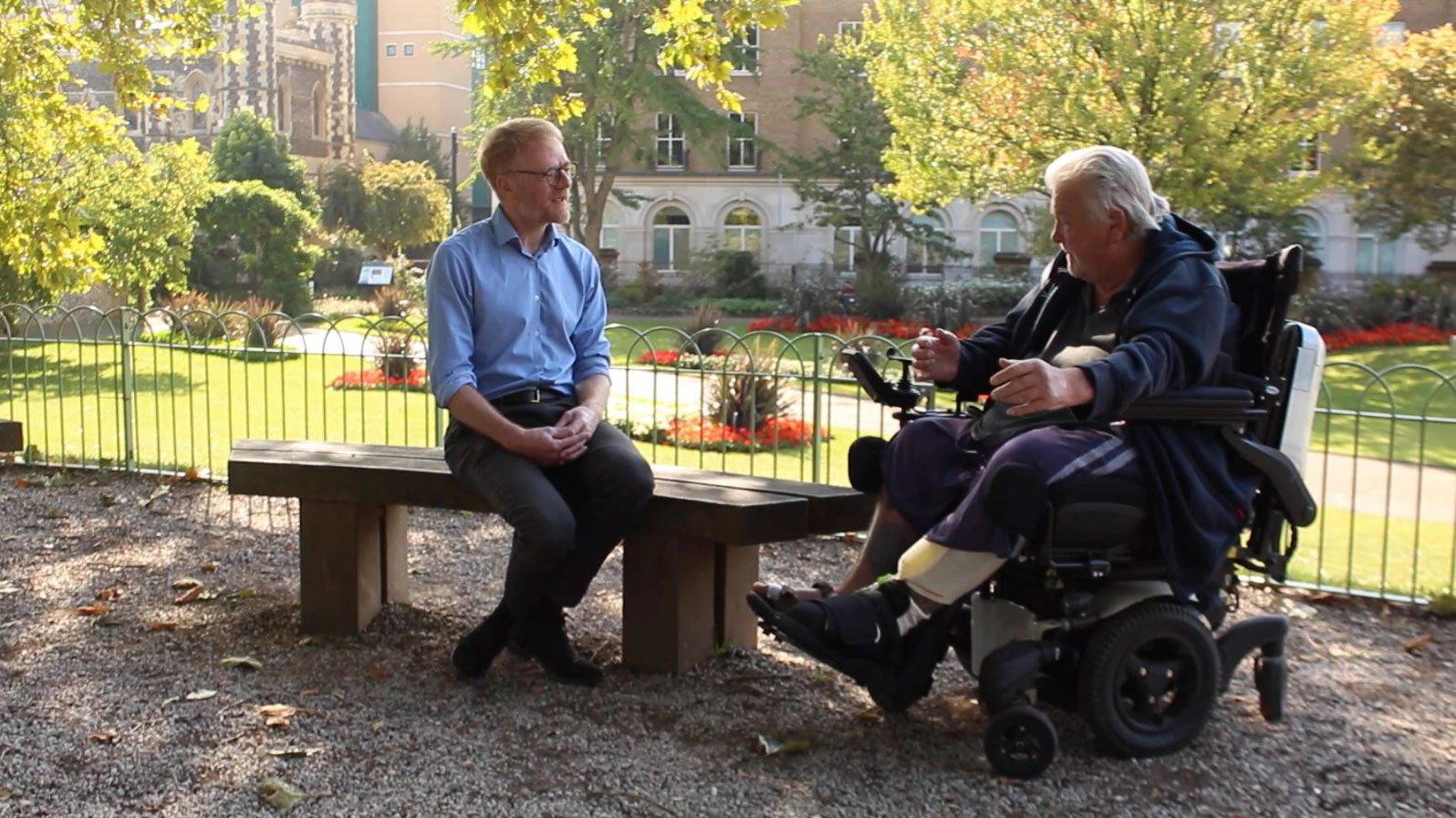
£1.4 million settlement for family of 30-year-old man who died after negligent liver tumour treatment
Podcast
Video
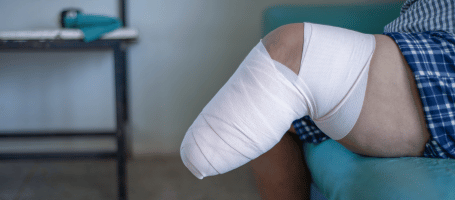
£1.6 million settlement for multiple amputee after negligent hospital treatment of sepsis
Podcast
Video
£200,000 settlement for bereaved family after negligent sepsis treatment leads to young woman’s death
Podcast
Video
£2.5 million settlement for family after mother dies from untreated pneumonia and sepsis

Podcast
Video
£6.4 million settlement for amputations after ambulance crew fails to take suspected meningitis patient to hospital
Podcast
Video
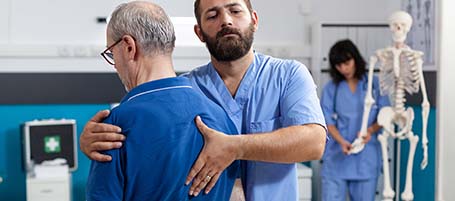
£1,330,000 settlement for patient with cauda equina syndrome (CES)

Podcast
Video
£27 million settlement for child with neurological disability from meningitis treatment delay
Podcast
Video
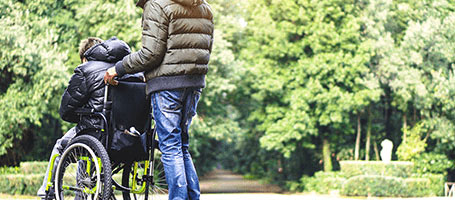
£5 million lump sum, lifelong annual payments of £232,750pa for care and Treloar’s SEN funding for boy with cerebral palsy
Podcast
Video
£16 million settlement for teenager with cerebral palsy from hypoxic brain injury during delayed delivery

Podcast
Video
£19 million settlement for girl with dyskinetic cerebral palsy caused by negligent midwifery and obstetric care during labour
Podcast
Video
£3 million settlement for young man with physical disability from cerebral palsy caused by hypoxic injury at birth
Podcast
Video
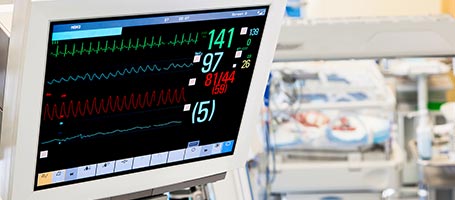
£4.6 million plus lifelong payments of up to £360,000pa for child with severe dystonic cerebral palsy birth injury
Podcast
Video
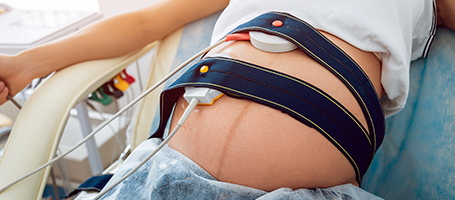
£13 million settlement for young woman with neurological disability from maternity mistakes at birth
Podcast
Video
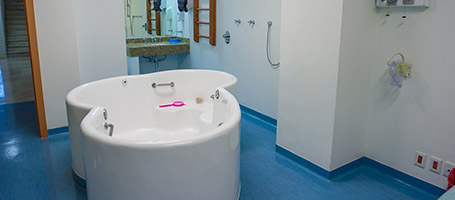
£11.5 million settlement for boy with cerebral palsy caused by negligent midwifery care during ‘water birth’
Our medical negligence team











What our clients say
The outcome of the case was a successful one

What our clients say
Gratitude
Our clients receive the highest standards of advice and representation and are always treated with compassion, outstanding care and understanding of the physical, emotional, psychological and financial impact that life-changing injury can have upon their lives.
- We are nationally acclaimed for our claimant medical negligence expertise and the outstanding results we achieve for our clients.
- We are ranked as leading clinical negligence experts in the Chambers Directory and Legal 500 guides to the legal profession and are accredited for our specialist expertise by the Law Society, AvMA, and the Association of Personal Injury Lawyers (APIL).
- Our integrated multidisciplinary team offers our clients a full range of specialist help with compensation, rehabilitation, SEN, deputyship, personal injury trusts and community care.
- We secure maximum compensation in claims for adults and children who have suffered catastrophic injury and severe disability, and provide practical support for their families.
Related NHS negligence insights
Podcast
Video
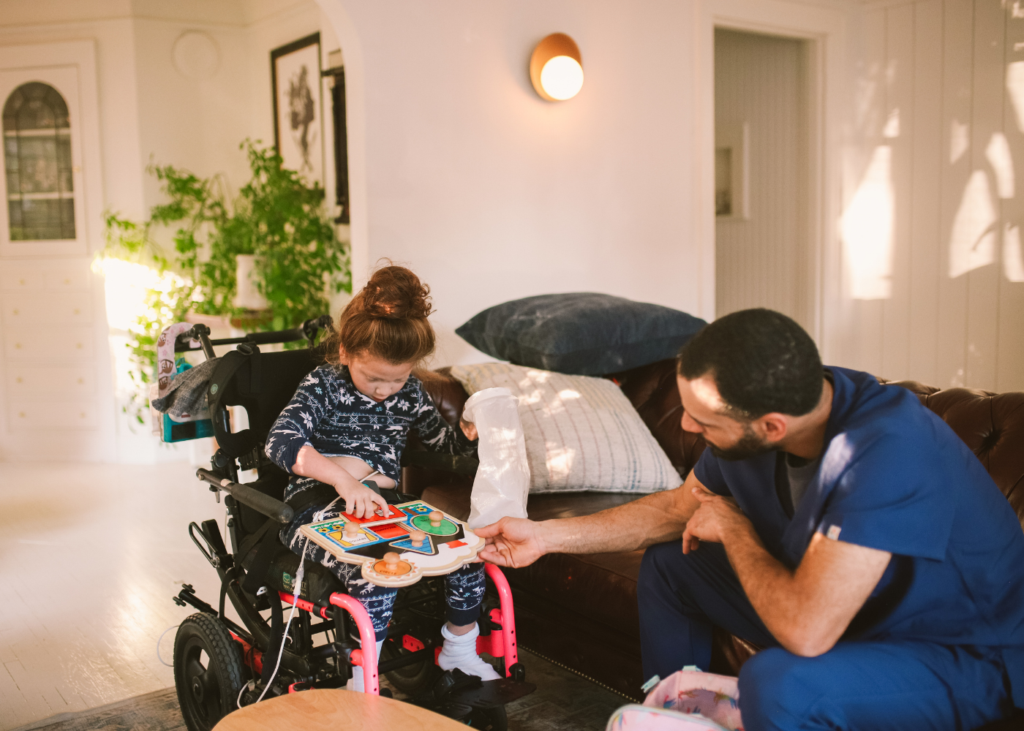
How do medical experts determine if cerebral palsy was caused by medical negligence?

Podcast
Video
Closing the gender health gap: Understanding the women’s healthcare strategy for England
Podcast
Video
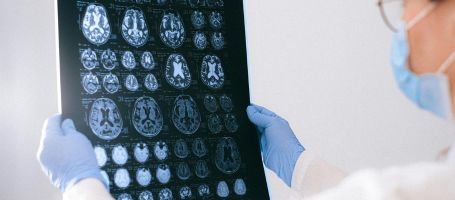
Royal College of Radiologists’ Workforce Census warns UK has insufficient radiologists to provide safe patient care

Podcast
Video
HSSIB investigation highlights patient safety risks from anticoagulant medication errors

Podcast
Video
Successful mediation for claimants in medical negligence claims

Podcast
Video
NHS Resolution warns healthcare staff about risk of negligence claims from venous thromboembolism (VTE)
Podcast
Video
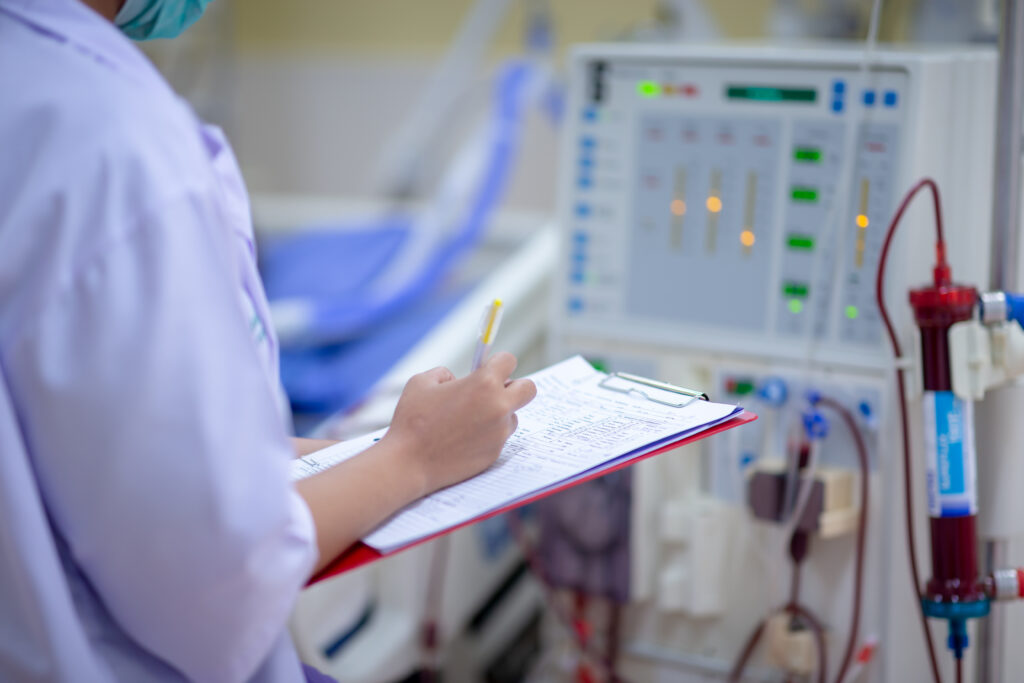
HSIB warns incorrect use of central venous catheters for dialysis may cause air embolus & life-threatening injury

Podcast
Video
Anti-infective medication errors injury claims from negligent prescribing, administering and monitoring
Podcast
Video
NHS Resolution’s ‘alternative process’ for sodium valproate injury claims what parents need to know about risking their child’s claim without a solicitor

Podcast
Video
NHS Resolution’s Annual Report 2021/22 annual ‘cost of harm’ from hospital negligence exceeds £13billion
Leading medical negligence solicitors for over 30 years


Get help today
- Free & no obligation initial advice
- Speak directly to a solicitor
- No upfront costs & no win no fee