Allergic reaction and anaphylaxis injury claims


When negligent care leads to anaphylaxis, we're here to help.

Patients who are allergic to medicines or medical products, such as latex or dyes, must be treated with care to avoid life-threatening injury from anaphylactic shock. Failure to consider and reduce the patient’s risk of anaphylaxis from contact with the allergen, or delays and errors in emergency treatment when signs of anaphylaxis occur, can cause death or devastating injury.
When someone is severely injured from anaphylaxis as a result of medical negligence, the patient or their bereaved family may be entitled to claim compensation.
- Nationally recognised medical negligence specialists with decades of experience
- Access to leading medical experts and rehabilitation professionals
- Proven track record of securing life-changing compensation for families
- Dedicated support from initial enquiry through to settlement
- No upfront costs and claim through a no win no fee agreement
Starting your anaphylaxis injury claim
For more than 30 years, Boyes Turner’s medical negligence solicitors have guided injured patients through the claims process to secure the compensation and specialist support that they need to manage their disability and rebuild their lives.
You can contact us free, confidential advice from a medical negligence solicitor. If your anaphylaxis claim relates to severe injury caused by school or workplace negligence, our personal injury lawyers can help.
We will ask you to tell us briefly about your medical care leading up to your injury and advise you about any time limits which may apply and whether we can help you investigate your claim. Once our investigations confirm you have grounds for a claim, we will notify the defendant healthcare provider (usually NHS Resolution) on your behalf and invite them to respond, giving them an opportunity to admit liability (responsibility for your injuries) before court proceedings are issued.
If liability is admitted, we will obtain a judgment from the court and apply for a substantial interim payment to meet your needs arising from your injury and disability. If the healthcare provider or their legal representatives at NHS Resolution deny liability, we will advise you about the best way to proceed your claim. This may involve issuing court proceedings or inviting NHS Resolution to enter into settlement negotiations or mediation.

No win, no fee
No hidden or upfront costs. Clear, straightforward advice. Nothing to pay unless your claim is successful.
Over 30 years’ experience
We have helped thousands of clients claim compensation.
Fully regulated
Authorised and regulated by the Solicitors Regulation Authority.
Anaphylaxis injury claims FAQs
What is anaphylaxis?
Anaphylaxis is a severe, life-threatening, and often sudden allergic reaction to an allergen. The anaphylactic reaction is the immune system’s overreaction to the presence of the allergen, which it tries to attack by producing inflammatory chemicals. This exaggerated response affects the whole body, causing life-threatening symptoms, such as organ failure from anaphylactic shock.
Anaphylaxis is a medical emergency which requires immediate emergency medical treatment. Adrenaline or epinephrine, if given immediately, may reverse the body’s severe reaction to the allergen and save the patient’s life.
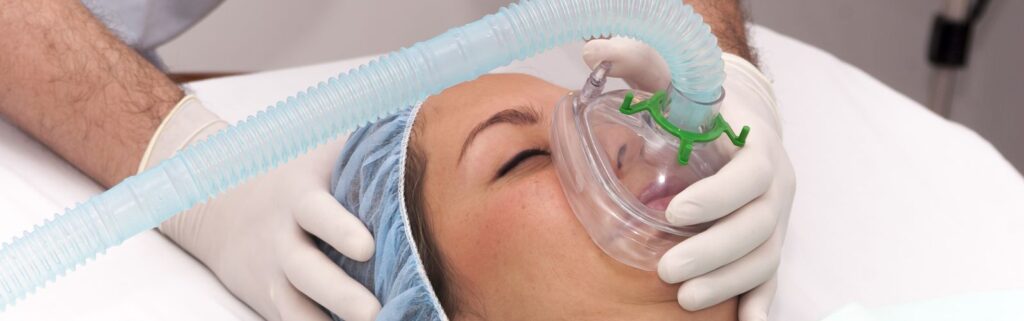
All medical treatment should take into account what is already known about a patient’s allergies, whilst remaining alert to the risk of further allergic reactions, based on their medical history, current conditions and medication. Some areas of medicine, such as anaesthesia and radiology, routinely involve drugs and products which can cause severe allergic reactions.
What happens during anaphylaxis?
Anaphylaxis is a medical emergency. The body’s severe reaction to the allergen will often affect the person’s ability to breathe, their heartbeat, blood pressure and circulation, and their level of consciousness. These are known as ‘ABC symptoms’ relating to the Airway, Breathing, Circulation and Consciousness. The patient’s condition can deteriorate very rapidly into life-threatening anaphylactic shock, which is why emergency treatment must be given at the first sign of an anaphylactic reaction.
Initial symptoms of anaphylaxis may include:
- a persistent cough;
- a swollen tongue or swallowing difficulties;
- hoarseness, difficult or noisy breathing or wheezing;
- fast heartbeat;
- skin symptoms, such as flushing, clamminess, hives or a rash;
- swelling of the skin anywhere on the body (such as, face or lips);
- abdominal pain, nausea or vomiting;
- feeling light-headed, faint or confused;
- unresponsive or unconscious.
These symptoms are caused by inflammation and swelling, which affects the patient’s respiratory system and lungs. Leakage from the capillary blood vessels into the tissues of the body creates a sudden, severe drop in blood pressure (known as shock) which affects the blood circulation and reduces the oxygen supply to vital organs. This causes organ failure, leading to kidney damage, brain injury and cardiac arrest.
Who is at increased risk of anaphylaxis injury?
Anyone who has previously experienced a severe allergic reaction or anaphylaxis will always be at risk of having further, more severe, anaphylactic reactions. Where the cause of their reaction is unknown, this is called idiopathic anaphylaxis.
People with allergies to medicines, latex, and contrast dyes (used in radiological investigations, such as scans) are at increased risk of anaphylaxis in a medical setting.
People with asthma have an increased risk of suffering respiratory distress from anaphylaxis because of the severe reaction’s effect on the respiratory system.
What allergens can cause anaphylaxis during medical care?
Allergens which can trigger anaphylaxis in a medical setting, such as during hospital treatment, include:
- drugs used in general anaesthetic;
- antibiotics, such as penicillin;
- some painkilling and anti-inflammatory drugs, (known as NSAIDs), such as aspirin;
- some vaccines;
- latex or natural rubber, which is used in surgical gloves, wound dressings, catheters and other tubes;
- contrast dyes, which are used in scans and radiology procedures to highlight areas of the body, such as a blood vessel, for tests or treatment.
Where a patient is known to be at risk of allergic reaction to medicines, latex or other allergens, alternatives can usually be used and arrangements made for their treatment to take place safely.
You should always tell any healthcare professionals involved in your treatment about your medicine allergies, as they may not be aware of them.
What kind of injuries lead to anaphylaxis medical negligence claims?
Anaphylaxis can lead to serious injury and disability, including from:
- Brain injury;
- Organ failure, such as cardiac arrest, kidney failure;
- Amputation or loss of limbs;
- Severe psychological injury, such as PTSD;
- Death/fatal injury.
What kind of medical errors lead to anaphylaxis injury claims?
Whilst some anaphylactic reactions cannot be predicted or prevented, patients who suffer severe injury or the families of patients who have died from anaphylaxis may be entitled to compensation if their injury arose from medical mistakes.
Examples of negligent treatment leading to anaphylaxis injury claims include:
- failing to assess the patient’s risk of anaphylaxis before their treatment, by checking:
- their past medical history, conditions (such as asthma) and current medication;
- their known allergies or risk factors.
- failing to discuss the risks of allergy or anaphylaxis with the patient;
- giving a patient medication or anaesthetic to which they were known to be allergic or had previously had an allergic reaction;
- injecting a patient with contrast dye to which they were known to be allergic;
- exposing a patient to latex or other materials to which they were known to be allergic;
- delaying or failing to recognise and treat (as an emergency) signs of anaphylaxis;
- pharmacy and prescription medication errors.
What compensation can I claim for serious injury from anaphylaxis after medical negligence?
The amount of compensation that a patient can claim for injuries caused by anaphylaxis or a severe avoidable allergic reaction depends on the severity of their injury and disability and its impact on their life.
Compensation settlements in anaphylaxis injury claims may include payments for:
- pain and suffering and disability;
- care and case management;
- private medical costs;
- essential home adaptations;
- rehabilitation, therapies and psychological counselling;
- adapted vehicles, wheelchairs and prosthetics (after amputation);
- specialist equipment and assistive technology;
- SEN support with educational needs (where the injured person is a child);
- loss of earnings and pension.
In claims involving fatal injury, the dependent family may be entitled to claim the funeral costs, a statutory bereavement payment and compensation for the loss of the deceased’s income and ‘services’, such as childcare, housework, or DIY.
What are the time limits for making an anaphylaxis injury claim?
The law states that, in most cases, a patient who has been injured as a result of medical negligence has three years from the date of the negligence which caused the injury to issue court proceedings. If they fail to issue court proceedings within that time, their claim will be statute barred, meaning that they lose their right to bring a claim. The three-year deadline is known as the limitation period.
There are the following exceptions to the three-year rule:
- if a child is injured before they are 18, their three-year deadline expires on their 21st birthday, in other words, their time doesn’t start to run until they are 18;
- if the injured person is mentally disabled (lacks mental capacity) then their time doesn’t begin to run at all, unless their mental capacity is restored;
- where the injured person has died as a result of negligent treatment, the three-year time limit expires three years after the date of their death;
- if the injured person did not suspect or could not reasonably think they had been injured by negligence, the three-year time period will start to run when the injured person first became aware (or should have suspected) that they had been injured by negligent care;
- the court has a general discretion to extend the time limit in cases where none of the above exceptions apply, but only does so in exceptional circumstances.
Regardless of your time limit, we recommend that you contact our medical negligence solicitors as soon as you can, even if you are still only considering whether to make a claim.
By contacting us early, we can help you avoid later problems with deadlines and advise you on how to collect and preserve essential evidence, to ensure you have the best chance of securing your entitlement to full compensation for your claim.
Making a anaphylaxis injury claim
We understand how daunting it can feel to take the first step. Our specialist medical negligence solicitors are here to guide you through every stage.

Getting in touch
Call us or complete our online enquiry form for free, confidential advice from a specialist anaphylaxis negligence solicitor. We will listen to your concerns, explain your options, and advise whether we can investigate if failures to recognise or treat anaphylaxis caused avoidable harm.

Supporting your claim
Our solicitors will review your medical records, instruct independent experts, and investigate whether your anaphylaxis was diagnosed and treated appropriately. Where negligence is identified, we can build a strong claim and, where appropriate, seek an interim payment to help meet immediate care and rehabilitation needs.

Securing compensation
We provide compassionate support throughout the claims process, working to secure the maximum compensation as quickly as possible to help fund treatment, rehabilitation, care, loss of earnings, adapted accommodation where needed, and other essential support.
Contact us
If you would like advice regarding a serious injury or illness affecting you or a loved one, please complete the form and one of our experts will be in touch as soon as possible.
Rather give us a call:
Our medical negligence claims

Podcast
Video
£1.75 million settlement for cauda equina syndrome (CES) after negligent safety netting and treatment delays

Podcast
Video
CNZ -v- Royal United Hospitals Bath NHS Foundation Trust: $45million settlement for claimant

Podcast
Video
Liability judgment for young man with neurological disability from delayed treatment of infant sepsis and meningitis
Podcast
Video
£18.7 million* settlement for teenager with cerebral palsy caused by negligently delayed delivery

Podcast
Video
£11.8 million settlement in birth injury claim for child with cerebral palsy

Podcast
Video
£18.1m settlement for child with severe cerebral palsy, visual and learning disability from maternity negligence

Podcast
Video
£1.4 million settlement for family of 30-year-old man who died after negligent liver tumour treatment

Podcast
Video
£4 million compensation settlement in birth injury claim for an 11-year-old boy with cerebral palsy

Podcast
Video
£12 million settlement for child whose severe dyskinetic cerebral palsy was caused by negligent water birth

Podcast
Video
£1.6 million settlement for multiple amputee after negligent hospital treatment of sepsis

Podcast
Video
£200,000 settlement for bereaved family after negligent sepsis treatment leads to young woman’s death

Podcast
Video
£2.5 million settlement for family after mother dies from untreated pneumonia and sepsis

Podcast
Video
£6.4 million settlement for amputations after ambulance crew fails to take suspected meningitis patient to hospital

Podcast
Video
£13m+ settlement after negligent treatment of neonatal necrotising enterocolitis and hypocarbia cause cerebral palsy
Our medical negligence team












What our clients say
Won medical negligence

What our clients say
Worked assiduously and painstakingly
What our clients say
You have given fantastic support and guidance
What our clients say
Very helpful and diligent
What our clients say
Very kind and considerate
What our clients say
Very Professional
What our clients say
We cannot praise and thank the team enough
What our clients say
We cannot thank Susan and her team at Boyes Turner enough
What our clients say
We had full confidence
What our clients say
We would all highly recommend them

Our clients receive the highest standards of advice and representation and are always treated with compassion, outstanding care and understanding of the physical, emotional, psychological and financial impact that life-changing injury can have upon their lives.
- We are nationally acclaimed for our claimant medical negligence expertise and the outstanding results we achieve for our clients.
- We are ranked as leading clinical negligence experts in the Chambers Directory and Legal 500 guides to the legal profession and are accredited for our specialist expertise by the Law Society, AvMA, and the Association of Personal Injury Lawyers (APIL).
- Our integrated multidisciplinary team offers our clients a full range of specialist help with compensation, rehabilitation, SEN, deputyship, personal injury trusts and community care.
- We secure maximum compensation in claims for adults and children who have suffered catastrophic injury and severe disability, and provide practical support for their families.
Related anaphylaxis injury insights
Podcast
Video
Anaesthetic negligence brain injury claims

Podcast
Video
Serious Hazards of Transfusion (SHOT) report warns of alarming increase in transfusion errors and harm to patients

Podcast
Video
Anti-infective medication errors injury claims from negligent prescribing, administering and monitoring
Related anaphylaxis injury claims
Anaesthetic negligence
Cardiac and heart negligence
PTSD & psychological injury compensation claims
Surgery negligence
Leading medical negligence solicitors for over 30 years


Get help today
- Free & no obligation initial advice
- Speak directly to a solicitor
- No upfront costs & no win no fee