Sepsis negligence claims


When sepsis changes lives, we're here to help you secure the support needed for the road ahead.

Sepsis is a serious complication of infection that requires prompt medical treatment. When recognised early, it can often be treated effectively. However, delays in diagnosis or treatment can sometimes lead to avoidable harm, and in some cases can be fatal. Healthcare professionals are expected to recognise and respond quickly to the symptoms and signs of sepsis. If that does not happen, the consequences can be significant for patients and their families.
If you have suffered severe injury or the loss of a loved one as a result of negligent delays in the diagnosis and treatment of infection or sepsis, we can help you claim compensation.
Our medical negligence specialists have helped clients with severe, permanent disability from sepsis, including multiple amputations and brain injury, secure their entitlement to compensation. We obtain early interim payments and outstanding settlements which pay for rehabilitation and therapies, specialist equipment and prostheses, adaptations to housing, and provide the financial support that our clients need to restore their independence and manage their disability.
- Nationally recognised medical negligence specialists with decades of experience
- Access to leading medical experts and rehabilitation professionals
- Proven track record of securing life-changing compensation for families
- Dedicated support from initial enquiry through to settlement
- No upfront costs and claim through a no win no fee agreement
Starting your sepsis compensation claim
For more than 30 years, Boyes Turner’s medical negligence solicitors have guided injured patients through the claims process to secure the compensation and specialist support that they need to manage their disability and rebuild their lives.
Even if you are unsure if you have a claim, you can contact us by telephone or by email for free, confidential advice from a medical negligence solicitor.
In the free initial consultation, we will start by asking you a few simple questions about the concerns you have about the medical care you or your loved one received, and about the treatment received for sepsis. This helps us to understand the situation and consider the standard of care given and the injuries sustained. If we are of the view that you have grounds for a claim, then we will contact the healthcare provider (usually represented by NHS Resolution) on your behalf and give them the chance to take responsibility for your injuries.
If they accept liability, we will work quickly to try to secure a substantial interim payment to support your needs as you adjust to life after the injury and any ongoing disability. If the healthcare provider does not admit liability, we will guide you through the next steps in the case, whether that is issuing court proceedings or negotiating a settlement to secure the compensation you deserve. The majority of our sepsis claims are settled out of court, securing maximum compensation, and where liability admissions are made, we look to secure interim payments as soon as possible.

No win, no fee
No hidden or upfront costs. Clear, straightforward advice. Nothing to pay unless your claim is successful.
Over 30 years’ experience
We have helped thousands of clients claim compensation.
Fully regulated
Authorised and regulated by the Solicitors Regulation Authority.
Sepsis negligence claims FAQs
What is sepsis?
Sepsis, also known as blood poisoning and septicaemia, is a serious complication of infection and if not treated in a timely manner can lead to multiple organ failure and death. Sepsis occurs when the body has an extreme response to an infection. Instead of fighting the infection in a controlled way, the immune system overreacts and begins to damage the body’s own tissues and organs. Sepsis often develops from infections in the lungs (pneumonia), urinary tract, abdomen and pelvis, but it can arise from infection in any part of the body. Sepsis can affect anyone, and often does so without warning, overwhelming the body’s immune system within a matter of hours.
Sepsis can be difficult to diagnose but is treatable if caught early. In some cases, if sepsis is recognised in its very early stages before the infection has spread or caused damage to other areas of the body, it can be treated with oral antibiotics without hospital admission.
‘Severe sepsis’ and ‘septic shock’ are medical emergencies. Severe sepsis is where the body’s organs or the blood and oxygen supply to the tissues are affected. Septic shock is where the blood pressure drops to a dangerously low level. These severe forms of sepsis require immediate admission to hospital and emergency treatment with intravenous (IV) antibiotics.
What causes sepsis?
Sepsis is usually caused by bacterial infection, but can sometimes develop from viral or fungal infections. Septicaemia or ‘blood poisoning’ refers to when large numbers of bacteria enter the bloodstream. Septicaemia often accompanies meningitis. Sepsis can affect multiple organs or the whole body, with or without septicaemia.
Sepsis can be caused by infection in any part of the body. The original infection which caused the sepsis cannot always be found.
Who is at risk of sepsis?
Sepsis can affect anyone who has had any type of infection. Sepsis often develops during or after a stay in hospital, particularly after the patient has undergone surgery, had a urinary catheter or been in hospital for a long time. Bacterial hospital-acquired infections, such as MRSA, are often more dangerous than other infections, because the bacteria which causes them has often developed resistance to many antibiotics.
The risk of sepsis increases for:
- Very young or older people (babies under 1 and adults over 75)
- People with a weakened immune system, including those who are receiving chemotherapy
- People who recently gave birth, or who have recently had surgery (including a caesarean section)
- People with chronic or recent serious illness, such as diabetes, or those who are or have recently been in hospital
What are the signs and symptoms of sepsis in children or babies?
The common signs and symptoms for sepsis in children include:
- looking mottled, bluish or pale;
- very lethargic or difficult to wake;
- feeling abnormally cold to touch;
- breathing very fast;
- a rash that does not fade when you press it;
- fits or convulsions.
Common signs of sepsis in babies include:
- abnormally high or low temperature:
- breathing difficulties or grunting:
- not urinated or had a wet nappy for 12 hours;
- not eating or drinking, or has green, bloody or black vomit;
- a bulging soft spot (fontanelle) on a baby’s head;
- sunken eyes;
- is floppy (baby);
- a weak, “whining” or continuous cry;
- is unresponsive, confused, irritable or disinterested;
- a stiff neck, especially when trying to look up and down.
Early sepsis symptoms in older children and adults may include:
- a high or low body temperature;
- chills and shivering;
- rapid heartbeat;
- difficulty or changes in breathing;
- not feeling or acting their usual self.
Many of the signs and symptoms of sepsis are similar to meningitis. Read more about meningitis.
What are the symptoms and signs of sepsis?
Signs and symptoms of sepsis can include:
- feeling dizzy or faint;
- mental confusion or disorientation;
- diarrhoea;
- nausea and vomiting;
- slurred speech;
- severe muscle pain;
- severe breathlessness;
- urinating less often than usual;
- cold, clammy, pale or mottled skin;
- loss of consciousness.
Severe sepsis and septic shock are medical emergencies. Delays in treatment can result in death or permanent, severe disability. If you or your child has symptoms or signs of sepsis, you should call 999 or go to A&E immediately.
What injuries lead to sepsis compensation claims?
If sepsis is correctly diagnosed and treated at an early stage, most people recover fully without lasting consequences. If left untreated, the patient may develop severe sepsis (affecting the organs or reducing the blood/oxygen supply to the tissues) and septic shock (dangerously low blood pressure). Severe sepsis and septic shock are life-threatening medical emergencies.
Boyes Turner’s sepsis claims solicitors have recovered compensation for patients and their families after negligent delays and treatment for sepsis resulted in:
- death;
- amputation;
- organ failure;
- extensive scarring;
- post-sepsis syndrome with ongoing:
- lethargy and fatigue;
- muscle weakness;
- swollen limbs;
- joint pain;
- chest pain;
- shortness of breath;
- PTSD or other psychological injury.
What medical mistakes lead to sepsis compensation claims?
Correct medical treatment for sepsis requires prompt recognition of the patient’s signs of sepsis, urgent administration of intravenous (IV) antibiotics and input from senior doctors at an early stage.
Sepsis medical negligence claims often involve the death or serious injury of a patient from sepsis as a result of one or more of the following medical errors:
- delay or failure to refer a patient with symptoms of sepsis to hospital;
- failure or delays in admitting the patient to hospital;
- incorrect or delayed diagnosis;
- delayed, incorrect or misinterpreted tests;
- delays in administering IV antibiotics;
- failing to call for senior medical review of the patient;
- sending home a patient with sepsis.
What is the treatment for sepsis?
Treatment for sepsis depends on where and how the infection began (if known) and the nature and extent of the damage that has already been done. Treatment usually involves hospital referral and/or admission, IV (intravenous) antibiotics at first, with oral antibiotics continuing after initial treatment.
Hospital treatment for sepsis is sometimes known as the “sepsis 6” because three diagnostic tests and three treatments should all be initiated by the medical team within an hour of diagnosis. These include taking blood to identify the bacterial cause and the severity of the sepsis, and monitoring the patient’s urine, and giving antibiotics, IV fluids and oxygen (if needed).
Other tests (to identify the type of infection) include samples of urine and stools, saliva/phlegm/mucus, and wound cultures, as well as imaging with X-rays, CT or ultrasound scans, and blood pressure tests.
Emergency hospital treatment may involve admission to an intensive care unit (ICU) if the sepsis is severe or there is septic shock.
What compensation can I claim in a sepsis negligence claim?
The amount of compensation that each client receives depends on the extent of their injury and its impact on their life, based on their individual circumstances.
We have helped clients who have been severely injured by sepsis negligence recover compensation for:
- pain, suffering, and disability;
- costs of care;
- prosthetics ( after amputation);
- specialist equipment, wheelchairs and adapted vehicles;
- rehabilitation and therapies;
- psychological counselling;
- loss of earnings and pension;
- necessary home adaptations;
- private medical or surgical treatment;
- other expenses and financial losses arising from their injury.
Where sepsis negligence has caused the death of a parent or partner, the bereaved family and dependants may be able to recover compensation for:
- funeral expenses;
- a statutory bereavement payment;
- the deceased’s pain and suffering before their death;
- their loss of the deceased’s income and services, such as childcare, housework, DIY etc.
What are the time limits for a sepsis compensation claim?
In most cases, you have three years to bring a sepsis negligence claim. This time limit usually runs from the date the negligent treatment occurred or from the date you first became aware that the injury was linked to substandard care (known as the “date of knowledge”).
There are important exceptions: for children, the three-year period does not begin until their 18th birthday; for individuals who lack mental capacity, the time limit may not apply unless capacity is regained; and in fatal cases, the three-year period generally runs from the date of death or when the cause of death was known.
Because limitation rules can be complex, it is important to seek legal advice as soon as possible. Our sepsis negligence solicitors can advice you on time limit exemptions and can help you make a claim.
Can I make a sepsis claim for a loved one who passed away as a result of sepsis negligence?
Yes, it may be possible to bring a claim if your loved one died as a result of negligent medical care in the delay of treatment or management of sepsis.
Close family members, including children, may be entitled to claim for financial dependency and other losses as a result of a loved ones death. While no amount of compensation can make up for your loss, a claim can provide financial security and help secure answers about what happened.
Can I make a no win no fee sepsis misdiagnosis claim?
Yes, sepsis compensation claims are often funded through a “no win, no fee” agreement (also known as a Conditional Fee Agreement). This means you do not pay legal fees upfront, or if the claim is unsuccessful.
Our medical negligence solicitors at the outset will explain the claims process, how the claim is funded, and how the compensation will be awarded.
Making a sepsis negligence claim
We understand how daunting it can feel to take the first step. Our specialist medical negligence solicitors are here to guide you through every stage.

Getting in touch
Call us or complete our online enquiry form for free, confidential advice from a specialist sepsis negligence solicitor. We will listen to your concerns, explain your options, and advise whether we can investigate if delays in diagnosing or treating sepsis caused avoidable harm.

The sepsis claim
Our solicitors will review your medical records, instruct independent experts, and investigate whether sepsis was recognised and treated appropriately. Where negligence is identified, we can build a strong claim and, where appropriate, seek an interim payment to help meet immediate care and rehabilitation needs.

Securing compensation
We provide compassionate support throughout the claims process, working to secure the maximum compensation as quickly as possible to help fund ongoing treatment, rehabilitation, care, loss of earnings, adapted accommodation where needed, and other essential support.
Contact us
If you would like advice regarding a serious injury or illness affecting you or a loved one, please complete the form and one of our experts will be in touch as soon as possible.
Rather give us a call:

Client story
£2.5million settlement
Our experts secured a £2.5 million settlement after a mother dies from untreated pneumonia and sepsis.
Our sepsis negligence claims

Podcast
Video
Liability judgment for young man with neurological disability from delayed treatment of infant sepsis and meningitis
Podcast
Video
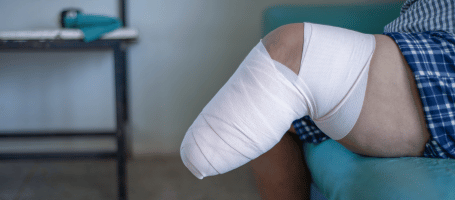
£1.6 million settlement for multiple amputee after negligent hospital treatment of sepsis

Podcast
Video
£200,000 settlement for bereaved family after negligent sepsis treatment leads to young woman’s death
Podcast
Video
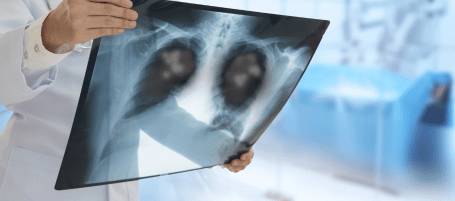
£2.5 million settlement for family after mother dies from untreated pneumonia and sepsis

Podcast
Video
£6.4 million settlement for amputations after ambulance crew fails to take suspected meningitis patient to hospital
Podcast
Video
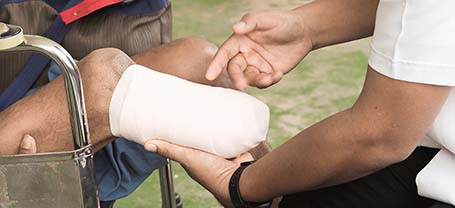
£1.3 million settlement for below-knee amputee who did not receive multidisciplinary foot care

Podcast
Video
£95,000 settlement for family following 58-year-old woman’s death from delays in diagnosis and treatment of sepsis

Podcast
Video
Four year delayed TB diagnosis leaves mother with severe respiratory disability

Podcast
Video
£750,000 settlement for delayed sepsis treatment multiple amputee

Podcast
Video
£90,000 settlement after keyhole gallbladder surgery causes bile duct injury

Podcast
Video
Liability admission and £50,000 interim payment after delayed diagnosis of bowel cancer

Podcast
Video
Compensation settlement and apology after negligent hospital treatment of pressure ulcer

Podcast
Video
£130,000 settlement for woman’s bereaved family after negligent care leads to fatal faecal peritonitis
Podcast
Video
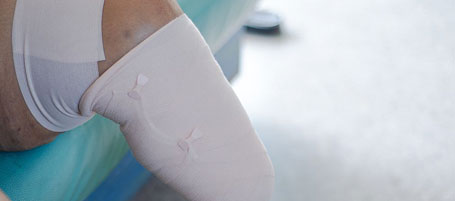
Liability settlement after GP and district nurses’ failure to refer patient with post-surgical ankle infection leads to need for below-knee amputation
Our medical negligence team












What our clients say
Worked assiduously and painstakingly

What our clients say
You have given fantastic support and guidance
What our clients say
Very helpful and diligent
What our clients say
Very Professional
What our clients say
We cannot praise and thank the team enough
What our clients say
they kept us fully informed
What our clients say
This was a seamless and successful process
What our clients say
Professional, helpful and responsive
What our clients say
She listens
What our clients say
Sound financial security for the future

Our clients receive the highest standards of advice and representation and are always treated with compassion, outstanding care and understanding of the physical, emotional, psychological and financial impact that life-changing injury can have upon their lives.
- We are nationally acclaimed for our claimant medical negligence expertise and the outstanding results we achieve for our clients.
- We are ranked as leading clinical negligence experts in the Chambers Directory and Legal 500 guides to the legal profession and are accredited for our specialist expertise by the Law Society, AvMA, and the Association of Personal Injury Lawyers (APIL).
- Our integrated multidisciplinary team offers our clients a full range of specialist help with compensation, rehabilitation, SEN, deputyship, personal injury trusts and community care.
- We secure maximum compensation in claims for adults and children who have suffered catastrophic injury and severe disability, and provide practical support for their families.
Related sepsis negligence claims
Maternal death
Brain injury negligence
Claims for limb-loss from infection
Fatal negligence
Surgery negligence
Meningitis claims
Ambulance claims
Accident & emergency
Related sepsis negligence insights

Podcast
Video
Understanding sepsis: Symptoms, warning signs and why early diagnosis matters

Podcast
Video
Who is at risk of meningitis?

Podcast
Video
Fatal injury compensation when medical mistakes cause a parent or partner’s death

Podcast
Video
Medical negligence claims from errors in post-operative care

Podcast
Video
Making a medical negligence claim: Insights from a solicitor

Podcast
Video
WHO publishes new global guidelines for the diagnosis, treatment and care of meningitis
Podcast
Video
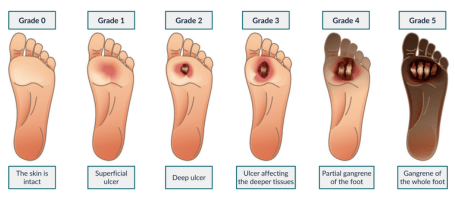
Stages of diabetic foot ulcers: From early signs to advanced complications

Podcast
Video
Serious infections linked to limb loss and amputation

Podcast
Video
Helping clients claim compensation for sepsis and amputation

Podcast
Video
MBRRACE-UK latest data reports 254 maternal deaths in the three years from 2021-2023
Leading medical negligence solicitors for over 30 years


Get help today
- Free & no obligation initial advice
- Speak directly to a solicitor
- No upfront costs & no win no fee