Subarachnoid haemorrhage (SAH) claims

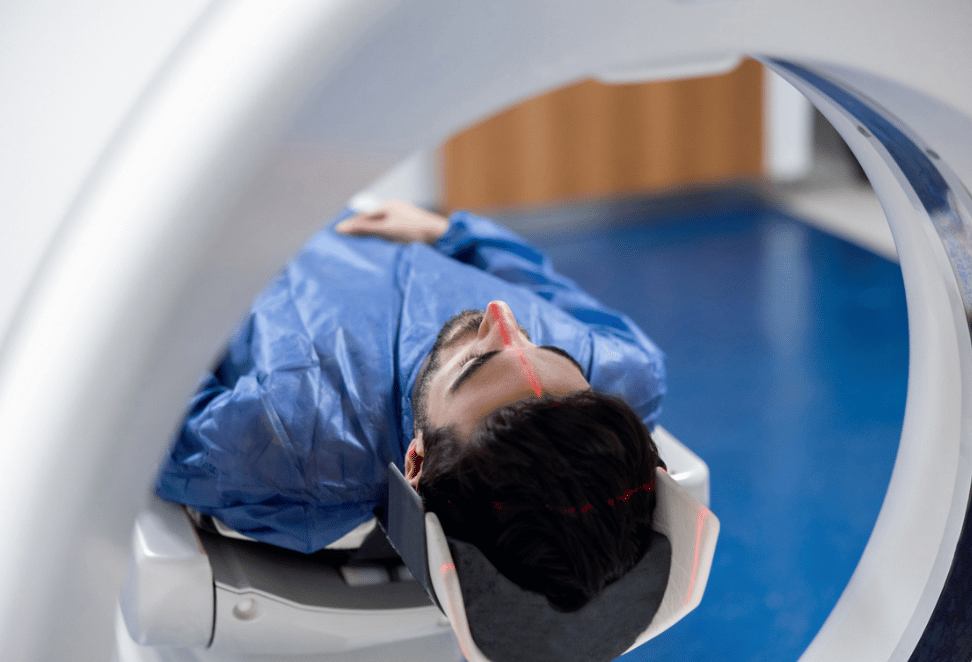
Supporting patients after negligent subarachnoid haemorrhage treatment.

Subarachnoid haemorrhage (SAH) is a medical emergency. Patients who are suspected to have suffered SAH need immediate admission to hospital for CT scans and emergency neurosurgical treatment. For patients with brain aneurysm, the risk of injury from subarachnoid haemorrhage should be managed with correct diagnostic and preventative care. Delays in diagnosis or treatment of subarachnoid haemorrhage can result in the patient’s death or disability from brain injury.
Subarachnoid haemorrhage medical negligence compensation claims are complex and should be handled by solicitors with specialist experience of serious brain injury claims. We understand the complexities of SAH claims and have helped clients recover compensation where they experienced disability or the loss of a loved one from SAH which was caused or made worse by medical negligence.
To speak to a solicitor about compensation and rehabilitation for subarachnoid haemorrhage (SAH) brain injury caused by negligent accidents or trauma, contact our personal injury team.
- Nationally recognised medical negligence specialists with decades of experience
- Access to leading medical experts and rehabilitation professionals
- Proven track record of securing life-changing compensation for families
- Dedicated support from initial enquiry through to settlement
- No upfront costs and claim through a no win no fee agreement
Starting your subarachnoid haemorrhage claim
For more than 30 years, Boyes Turner’s medical negligence solicitors have guided injured patients through the claims process to secure the compensation and specialist support that they need to manage their disability and rebuild their lives.
You can contact us for free, confidential advice from a medical negligence solicitor. We will ask you to tell us briefly about your injury and your medical care, and advise you about your time limits and whether we can help you investigate your claim. Once our investigations confirm you have grounds for a claim, we will notify the defendant healthcare provider (usually represented by NHS Resolution) on your behalf and invite them to respond, giving them an opportunity to admit liability (responsibility for your injuries) before court proceedings are issued.
If liability is admitted, we will obtain a judgment from the court and apply for a substantial interim payment to meet your needs arising from your injury and disability. If NHS Resolution deny liability, we will advise you about the best way to proceed with your claim. This may involve issuing court proceedings or inviting NHS Resolution to enter into settlement negotiations or mediation.
No win, no fee
No hidden or upfront costs. Clear, straightforward advice. Nothing to pay unless your claim is successful.
Over 30 years’ experience
We have helped thousands of clients claim compensation.
Fully regulated
Authorised and regulated by the Solicitors Regulation Authority.
Subarachnoid haemorrhage claims FAQs
What is subarachnoid haemorrhage (SAH)?
Subarachnoid haemorrhage or SAH is a type of stroke caused by bleeding into the subarachnoid space between the membranes on the surface of the brain. Subarachnoid haemorrhage happens suddenly and usually without warning. It is a life-threatening, medical emergency.
What causes subarachnoid haemorrhage (SAH)?
SAH can be caused by tumours, traumatic birth injuries, infection and other conditions affecting the blood vessels, but is more commonly caused by the rupture of a cerebral aneurysm (a bulge in a weakened blood vessel). Brain aneurysms are often symptomless and can remain undetected until they rupture and bleed into the area around the brain. If a brain aneurysm is detected before it ruptures, for example if the patient has symptoms of impaired vision, facial or eye pain, or persistent headaches caused by pressure on the brain, surgery may be recommended to prevent the aneurysm from rupturing and causing a SAH.
In rare cases, spinal subarachnoid haemorrhage (SSAH) can lead to permanent neurological injury from spinal cord or nerve root compression.
Who is at increased risk of subarachnoid haemorrhage (SAH)?
People with cerebral (brain) aneurysm have an increased risk of SAH but may not be aware that they have a brain aneurysm, or of its risks. Patients who are known to have a brain aneurysm should be given medical advice about surgical treatment to reduce the risk of SAH from brain aneurysm rupture.
The risk of SAH is also increased by:
- smoking;
- high blood pressure;
- drinking excessive amounts of alcohol;
- a family history of SAH;
- certain other conditions, such as autosomal dominant polycystic kidney disease (ADPKD).
What are the symptoms of subarachnoid haemorrhage (SAH)?
Subarachnoid haemorrhage (SAH) is a medical emergency. It usually occurs suddenly, without prior warning. Symptoms of SAH include:
- sudden, agonising headache with pain unlike anything experienced before, as if hit on the head;
- stiff neck;
- photophobia (sensitivity to light);
- nausea and vomiting;
- blurred or double vision;
- slurred speech or weakness on one side of the body (similar to stroke);
- loss of consciousness or convulsions (fits).
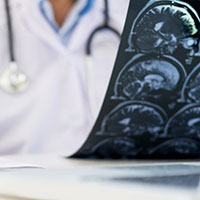
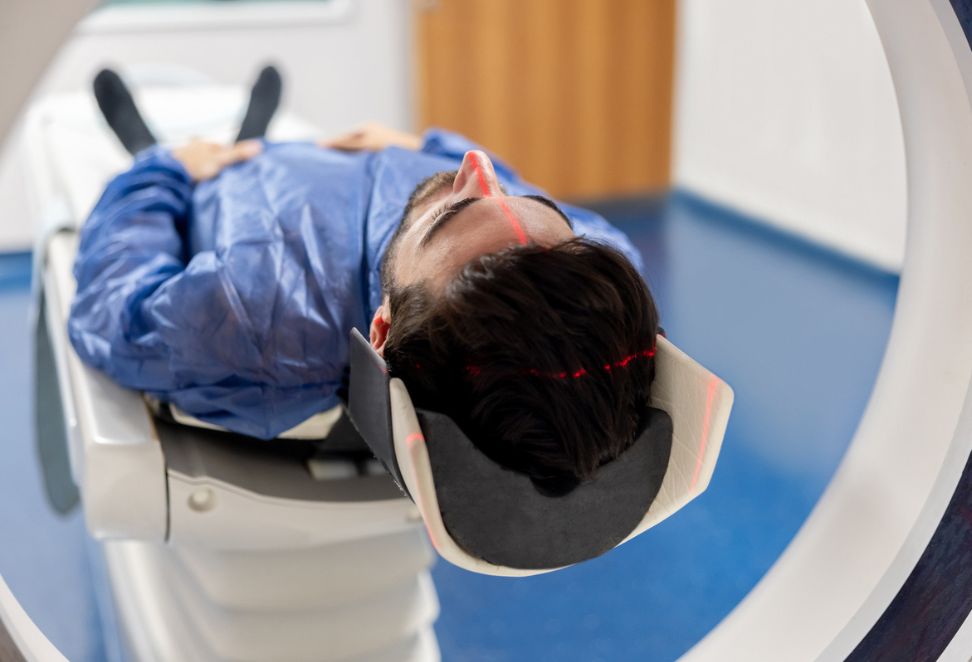
If someone is suspected to have suffered an SAH, they need emergency admission to hospital where the diagnosis will be confirmed by a CT scan and, if necessary, a lumbar puncture to check their cerebro-spinal fluid for signs of bleeding into the brain.
What mistakes lead to SAH compensation claims?
Subarachnoid haemorrhage medical negligence compensation claims are complex and must be handled by specialist solicitors who are skilled in investigating and quantifying complex brain injury claims.
Subarachnoid haemorrhage and all its associated disability can be caused by some types of medical negligence, such as traumatic birth injury. However, in many cases where SAH occurred suddenly as a result of the rupture of a symptomless, previously undetected brain aneurysm, the claim will relate to any additional disability that was caused by delays in emergency response, diagnosis or treatment.
We work closely with our trusted medical experts to investigate whether the care that our client received from ambulance, A&E and neurosurgical teams met acceptable standards for this life-threatening condition, and whether previous opportunities to identify and minimise our client’s risk of SAH from cerebral aneurysm rupture were acted upon by their doctors.
Mistakes which commonly lead to SAH medical negligence claims include:
- delay or failure to recognise symptoms of SAH;
- delay or failure to refer, transport or admit a patient with suspected SAH to hospital with cranial neurosurgery facilities;
- delay or failure to carry out CT scan, lumbar puncture or other diagnostic tests;
- misinterpretation of CT scans and diagnostic tests;
- delays or errors in surgical treatment to prevent SAH or further bleeding;
- delay or failure to diagnose brain aneurysm;
- failing to advise a patient with brain aneurysm about risks and benefits of surgical treatment;
- medication errors;
- use of excessive force during forceps or ventouse delivery;
- delays and errors in diagnosis and treatment of infection.
What types of injury lead to SAH compensation claims?
Subarachnoid haemorrhage medical negligence claims usually involve one or more of the following injuries:
- brain injury;
- epilepsy;
- cognitive problems affecting memory, planning and concentration, and daily tasks;
- headaches;
- extreme tiredness and/or problems with sleep;
- weakness and loss of sensation in arms and legs;
- difficulty distinguishing between hot and cold (and associated safety risks);
- impairment of sense of smell and taste;
- visual impairment;
- problems with speech and communication;
- PTSD and psychological problems;
- the death of the patient.
Patients with SAH from ruptured brain aneurysm also remain at increased risk of further life-threatening brain injury from future complications, such as:
- ‘rebleeding’ from a further rupture;
- secondary cerebral ischaemia;
- hydrocephalus.
With correct care, the risks of these future complications can be reduced by preventative medication or surgical treatment.
What compensation can I claim in a subarachnoid haemorrhage claim?
The amount of compensation that each client receives from their claim depends on the severity of the injury and disability that was caused by their negligent healthcare, the cost of meeting their needs arising from their disability and its impact on their life. Where SAH negligence leads to severe brain injury, the claim may include compensation for:
- pain, suffering and disability;
- costs of care and case management;
- costs of rehabilitation and therapies, such as:
- physiotherapy;
- occupational therapy (OT);
- speech and language therapy;
- hydrotherapy;
- psychological counselling;
- costs of private medical treatment or surgery;
- increased costs of suitable accommodation or home adaptations;
- loss of earnings and pension;
- adapted vehicles, specialist equipment and assistive technology;
- support for special educational needs (SEN) (if a child);
- Court of Protection deputyship.
Where negligent treatment of a patient with SAH caused their death, we help the deceased’s dependents claim compensation for their loss.
Making a subarachnoid haemorrhage claim
We understand how daunting it can feel to take the first step. Our specialist medical negligence solicitors are here to guide you through every stage.

Getting in touch
Call us or complete our online enquiry form for free, confidential advice from a specialist subarachnoid haemorrhage negligence solicitor. We will listen to your concerns, explain your options, and advise whether we can investigate if delays or failures in diagnosis or treatment caused avoidable harm.

Supporting your claim
Our solicitors will review your medical records, instruct independent experts, and investigate whether your subarachnoid haemorrhage was recognised and treated appropriately. Where negligence is identified, we can build a strong claim and, where appropriate, seek an interim payment to help meet immediate care and rehabilitation needs.

Securing compensation
We provide compassionate support throughout the claims process, working to secure the maximum compensation as quickly as possible to help fund treatment, rehabilitation, care, loss of earnings, adapted accommodation where needed, and other essential support.
Contact us
If you would like advice regarding a serious injury or illness affecting you or a loved one, please complete the form and one of our experts will be in touch as soon as possible.
Rather give us a call:

Our brain injury claims
Podcast
Video
£5 million lump sum, lifelong annual payments of £232,750pa for care and Treloar’s SEN funding for boy with cerebral palsy
Podcast
Video
£16 million settlement for teenager with cerebral palsy from hypoxic brain injury during delayed delivery

Podcast
Video
£19 million settlement for girl with dyskinetic cerebral palsy caused by negligent midwifery and obstetric care during labour
Podcast
Video
£3 million settlement for young man with physical disability from cerebral palsy caused by hypoxic injury at birth
Podcast
Video
£4.6 million plus lifelong payments of up to £360,000pa for child with severe dystonic cerebral palsy birth injury
Podcast
Video
£13 million settlement for young woman with neurological disability from maternity mistakes at birth
Podcast
Video
£11.5 million settlement for boy with cerebral palsy caused by negligent midwifery care during ‘water birth’

Podcast
Video
£2 million for head-injured teenager who ran into the road at night and was hit by a taxi

Podcast
Video
$23 million compensation for boy with cerebral palsy from kernicterus brain damage

Podcast
Video
£21 million settlement for teenager with cerebral palsy from negligently delayed delivery

Podcast
Video
£3.1 million lump sum for brain injury suffered at birth
Podcast
Video
£3 million compensation after medical negligence causes baby’s brain damage from neonatal meningitis

Podcast
Video
£253,000 settlement for bereaved husband after wife’s death from an undiagnosed brain aneurysm

Podcast
Video
Judgment for child who suffered a stroke after GP delays in treatment of neonatal infection
Our medical negligence team



What our clients say
Won medical negligence

What our clients say
Worked assiduously and painstakingly
What our clients say
You have given fantastic support and guidance
What our clients say
Very helpful and diligent
What our clients say
Very kind and considerate
What our clients say
Very Professional
What our clients say
We cannot praise and thank the team enough
What our clients say
We cannot thank Susan and her team at Boyes Turner enough
What our clients say
We had full confidence
What our clients say
We would all highly recommend them
Our clients receive the highest standards of advice and representation and are always treated with compassion, outstanding care and understanding of the physical, emotional, psychological and financial impact that life-changing injury can have upon their lives.
- We are nationally acclaimed for our claimant medical negligence expertise and the outstanding results we achieve for our clients.
- We are ranked as leading clinical negligence experts in the Chambers Directory and Legal 500 guides to the legal profession and are accredited for our specialist expertise by the Law Society, AvMA, and the Association of Personal Injury Lawyers (APIL).
- Our integrated multidisciplinary team offers our clients a full range of specialist help with compensation, rehabilitation, SEN, deputyship, personal injury trusts and community care.
- We secure maximum compensation in claims for adults and children who have suffered catastrophic injury and severe disability, and provide practical support for their families.
Related subarachnoid haemorrhage insights

Podcast
Video
The dangers of a missed aneurysm and delayed subarachnoid haemorrhage (SAH) diagnosis

Podcast
Video
A practical guide for families affected by a Subarachnoid Haemorrhage (SAH)
Podcast
Video
How a Subarachnoid Haemorrhage (SAH) leads to brain damage
Podcast
Video
Was your Subarachnoid Haemorrhage (SAH) Aneurysm missed? Negligence in screening and diagnosis
Related subarachnoid haemorrhage pages
Brain injury negligence
Fatal negligence
Spinal cord injury
Surgery negligence
Leading medical negligence solicitors for over 30 years


Get help today
- Free & no obligation initial advice
- Speak directly to a solicitor
- No upfront costs & no win no fee