Cancer negligence claims


Supporting patients affected by negligent cancer care and delayed diagnosis.

Recovery from cancer depends on early diagnosis and timely, effective treatment. Mistakes in screening, follow up, diagnosis and referral can all lead to delays in treatment. If delays and mistakes result in progression of the untreated cancer, the patient may need more radical and invasive treatment and suffer additional disability.
If you have suffered severe injury and permanent disability as a result of negligent diagnosis or treatment of cancer, our experienced cancer claims solicitors can help you obtain the support you need by making a claim for compensation.
- Nationally recognised medical negligence specialists with decades of experience
- Access to leading medical experts and rehabilitation professionals
- Proven track record of securing life-changing compensation for families
- Dedicated support from initial enquiry through to settlement
- No upfront costs and claim through a no win no fee agreement
Cancer negligence claims
Asbestos related lung cancer compensation
Brain injury negligence
Cervical cancer
Fatal negligence
GP negligence claims
Spinal cord injury
Surgery negligence
Starting a cancer negligence claim
For more than 30 years, Boyes Turner’s medical negligence solicitors have guided severely injured patients through the claims process to secure the compensation and specialist support that they need to manage their disability and rebuild their lives.
You can contact us for free, confidential advice from a medical negligence solicitor. We will ask you to tell us briefly about your healthcare leading up to your cancer diagnosis and its treatment, and advise you about your time limits and whether we can help you investigate your claim. Once our investigations confirm you have grounds for a claim, we will notify the defendant healthcare provider (usually represented by NHS Resolution) on your behalf and invite them to respond, giving them an opportunity to admit liability (responsibility for your injuries) before court proceedings are issued.
If liability is admitted, we will obtain a judgment from the court and apply for a substantial interim payment to meet your needs arising from your injury and disability. If the healthcare provider or their legal representatives at NHS Resolution deny liability, we will advise you about the best way to proceed your claim. This may involve issuing court proceedings or inviting NHS Resolution to enter into settlement negotiations or mediation.

No win, no fee
No hidden or upfront costs. Clear, straightforward advice. Nothing to pay unless your claim is successful.
Over 30 years’ experience
We have helped thousands of clients claim compensation.
Fully regulated
Authorised and regulated by the Solicitors Regulation Authority.
Cancer medical negligence claims FAQs
What are cancer medical negligence claims?
For patients with cancer, timely referral, investigations and treatment provide the best chance of a return to a healthy quality of life. Mistakes and delays during the patient’s journey from screening or first symptoms to eventual treatment can result in life-threatening progression or worsening of the cancer and lasting side effects or disability from more radical treatment. Mistakes in the choice of treatment, surgical or radiological technique, or in the information and advice that is given to patients can also result in significant but avoidable permanent injury.
When negligent cancer care leaves the patient with severe injury or disability which should have been avoided with correct and timely care, they may be entitled to make a cancer negligence compensation claim.
What mistakes lead to cancer negligence claims?
Cancer negligence claims often involve one or more of the following mistakes in the care of patients with suspected or diagnosed cancer:
- delayed recognition of red flag, signs and symptoms of cancer;
- delay or failure to refer the patient for investigations or specialist care;
- failures, delays or errors (misdiagnosis) in diagnosis of cancer;
- failure to carry out, chase up or follow up tests or investigations;
- misinterpretation of test results, such as x-rays, scans, biopsies, blood tests or smears;
- delayed surgery or other treatment;
- use of incorrect treatment, dose or technique;
- communication and follow-up errors, (failing to follow up/recall a patient after abnormal investigation or screening results);
- extravasation errors.
What are cancer delay negligence claims?
The NHS gives patients with suspected or diagnosed cancer the right to urgent referral and treatment. This is because many types of cancer are progressive and invasive, which means that the cancer will continue to grow in size (stage) and spread to other areas of the body (metastasis) during any delays in the patient’s diagnosis and treatment.
Some types of pre-cancerous or early stage cancers can be prevented or require less invasive treatment if they are detected and treated at an early stage. This is the reason that screening programmes for cervical and other cancers can be effective in preventing severe harm from the disease. If the cancer is allowed to progress as a result of negligent delays, the patient may need more radical treatment. Radical treatments such as combined chemo-radiotherapy or brachytherapy (internal radiation therapy) can cause lasting painful and disabling side effects.
Delays in treatment of cancer can also reduce the patient’s chance of survival and increase their risk of recurrence. Many of our clients who have suffered the devastating consequences of delays in their cancer diagnosis and treatment also experience psychological injury.
What types of cancers are commonly associated with cancer negligence claims?
NHS patients with suspected signs of any type of cancer have the right to receive an acceptable standard of medical care. Cancer negligence claims more commonly involve types of cancer where delays or mistakes in diagnosis and treatment have a life-changing but avoidable impact on the patient’s health and function. These include:
- cervical cancer;
- spinal cancers and tumours;
- brain tumours;
- skin cancer/melanoma;
- breast cancer;
- bowel/colorectal cancer;
- prostate cancer;
- ovarian cancer;
- uterine cancer (cancer of the womb);
- mouth/oral cancer lung cancer;
- lung cancer.
Where lung cancer has been caused by exposure to asbestos, our mesothelioma and asbestos disease specialists can help.
What type of injuries can be compensated in a cancer medical negligence claim?
Cancer can cause devastating injury to the sufferer, even when it is correctly treated, but only injuries which are caused by negligence can be included in a compensation claim. Cancer medical negligence claims can only compensate patients for additional, avoidable, significant injury that has been caused by negligent mistakes or delays in their medical treatment. These injuries depend on the type of cancer, but can include:
- brain injury and neurological disability;
- paralysis;
- impaired bowel and bladder function or incontinence;
- loss of fertility;
- loss of vision;
- severe psychological injury, such as PTSD;
- reduced lifespan or increased risk of recurrence;
- metastasis (spread of cancer to other parts of the body);
- complications from radiotherapy or chemotherapy (neutropenic sepsis):
- burns and scarring;
- fatal injury.
How much compensation can I get in a cancer medical negligence claim?
In addition to a sum for the patient’s additional pain, suffering and disability that was caused by the negligent cancer treatment, the claim will include compensation for the additional costs and financial losses suffered by the patient as a result of their additional injury. This might include sums for:
- necessary home adaptations or equipment, e.g. to improve bathroom accessibility;
- costs of household help or care;
- psychological counselling;
- loss of earnings.
Where the negligent care caused the patient’s death, their bereaved dependent family also may be able to claim compensation for funeral expenses, a statutory bereavement payment and the loss of their income or ‘services’, such as housework, DIY or childcare.
What are the time limits for a cancer negligence claim?
The law states that, in most cases, a patient who has been injured as a result of medical negligence has three years from the date of the negligence which caused the injury to issue court proceedings. If they fail to issue court proceedings within that time, their claim will be statute barred, meaning that they lose their right to bring a claim. The three-year deadline is known as the limitation period.
There are the following exceptions to the three-year rule:
- if a child is injured before they are 18, their three-year deadline expires on their 21st birthday, in other words, their time doesn’t start to run until they are 18;
- if the injured person is mentally disabled (lacks mental capacity) then their time doesn’t begin to run at all, unless their mental capacity is restored;
- where the injured person has died as a result of negligent treatment, the three-year time limit expires three years after the date of their death;
- if the injured person did not suspect or could not reasonably think they had been injured by negligence, the three-year time period will start to run when the injured person first became aware (or should have suspected) that they had been injured by negligent care;
- the court has a general discretion to extend the time limit in cases where none of the above exceptions apply, but only does so in exceptional circumstances.
Regardless of your time limit, we recommend that you contact our medical negligence solicitors as soon as you can, even if you are still only considering whether to make a claim. This allows us to advise you about the deadlines that apply to your own circumstances, as well as how to ensure you have the best chance of early financial help and support, and a successful claim.
Making a cancer negligence claim
We understand how daunting it can feel to take the first step. Our specialist medical negligence solicitors are here to guide you through every stage.

Getting in touch
Call us or complete our online enquiry form for free, confidential advice from a specialist cancer negligence solicitor. We will listen to your concerns, explain your options, and advise whether we can investigate if delays or failures in diagnosing or treating your cancer caused avoidable harm.

Supporting your claim
Our solicitors will review your medical records, instruct independent experts, and investigate whether your cancer was diagnosed and treated appropriately. Where negligence is identified, we can build a strong claim and, where appropriate, seek an interim payment to help meet immediate treatment and support needs.

Securing compensation
We provide compassionate support throughout the claims process, working to secure the maximum compensation as quickly as possible to help fund treatment, rehabilitation, care, loss of earnings, adapted accommodation where needed, and other essential support.
Contact us
If you would like advice regarding a serious injury or illness affecting you or a loved one, please complete the form and one of our experts will be in touch as soon as possible.
Rather give us a call:
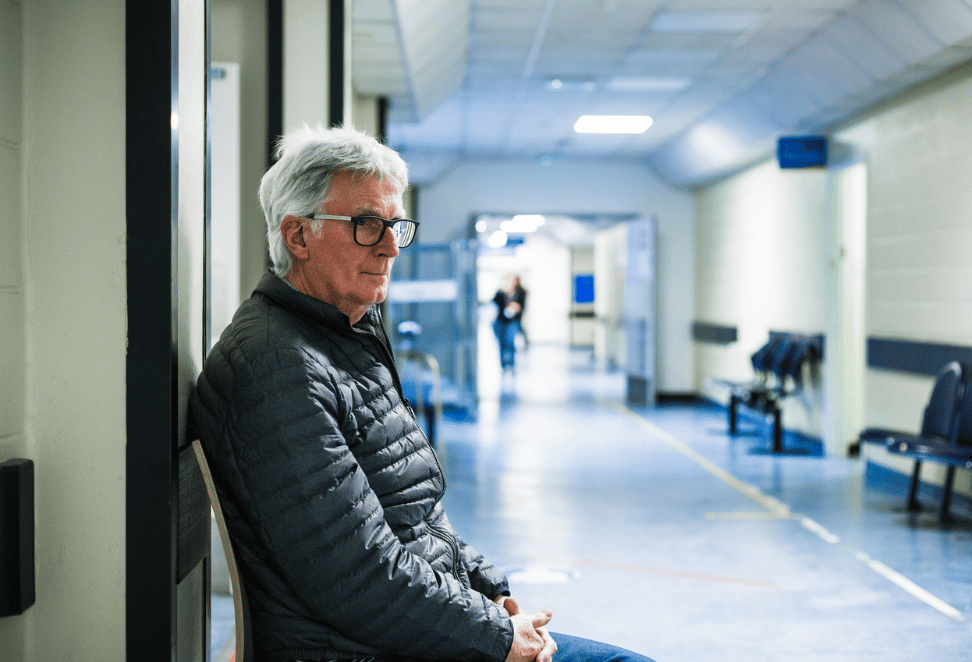
Client story
A minor lump becomes stage 4 cancer
A misdiagnosed mouth lesion led to stage 4 cancer, life-changing treatment and surgery. We secured compensation after proving failings in his care.
Our cancer negligence claims

Podcast
Video
£250,000 settlement in fatal claim after two GPs misdiagnose malignant melanoma as verruca

Podcast
Video
£265,000 settlement for woman’s bereaved family after GP and hospital delayed diagnosis and treatment of cervical cancer

Podcast
Video
£150,000 settlement after misreported abnormal smear test results in cervical cancer

Podcast
Video
£115,000 settlement after delayed treatment for VIN3 leads to vulval cancer

Podcast
Video
Hospital apology and admission of liability for melanoma misdiagnosis

Podcast
Video
£165,000 settlement for patient injured by delayed treatment of buccal mucosa cancer
Podcast
Video
Liability admission and £50,000 interim payment after delayed diagnosis of bowel cancer

Podcast
Video
Admission of liability for injury caused by delayed treatment of buccal mucosa cancer

Podcast
Video
£95,000 settlement after extravasation negligence delays life-saving chemotherapy treatment

Podcast
Video
£750,000 settlement for physical and psychological injury from delayed diagnosis and treatment of cervical cancer

Podcast
Video
£800,000 settlement for client after negligent treatment for CIN3 led to cervical cancer

Podcast
Video
£175,000 settlement after extravasation causes pain, scarring, physical and psychological injury

Podcast
Video
Liability judgment and interim payment after delayed diagnosis and treatment of cervical cancer

Podcast
Video
£800,000 compensation for family of 28-year-old mother who died from cancer after years of negligent healthcare
Our medical negligence team












What our clients say
Won medical negligence

What our clients say
Worked assiduously and painstakingly
What our clients say
You have given fantastic support and guidance
What our clients say
Very helpful and diligent
What our clients say
Very kind and considerate
What our clients say
Very Professional
What our clients say
We cannot praise and thank the team enough
What our clients say
We cannot thank Susan and her team at Boyes Turner enough
What our clients say
We had full confidence
What our clients say
We would all highly recommend them

Our clients receive the highest standards of advice and representation and are always treated with compassion, outstanding care and understanding of the physical, emotional, psychological and financial impact that life-changing injury can have upon their lives.
- We are nationally acclaimed for our claimant medical negligence expertise and the outstanding results we achieve for our clients.
- We are ranked as leading clinical negligence experts in the Chambers Directory and Legal 500 guides to the legal profession and are accredited for our specialist expertise by the Law Society, AvMA, and the Association of Personal Injury Lawyers (APIL).
- Our integrated multidisciplinary team offers our clients a full range of specialist help with compensation, rehabilitation, SEN, deputyship, personal injury trusts and community care.
- We secure maximum compensation in claims for adults and children who have suffered catastrophic injury and severe disability, and provide practical support for their families.
Related cancer negligence insights

Podcast
Video
Introduction of the National Cancer Plan

Podcast
Video
Fatal injury compensation when medical mistakes cause a parent or partner’s death

Podcast
Video
Professional negligence and compensation after solicitors’ mistakes in medical negligence claims

Podcast
Video
NHS Resolution’s review of cancer diagnosis delays in 105 GP negligence claims

Podcast
Video
Client story: A minor lump becomes stage 4 cancer after hospital negligence

Podcast
Video
NHS England’s Cervical Cancer Elimination Plan

Podcast
Video
The rise of bowel cancer in younger people
Podcast
Video
Cervical cancer smear test audits

Podcast
Video
Patients Association calls for better access to diagnostic tests to reduce patient harm

Podcast
Video
HSSIB finds patients at risk of harm from patient identification errors during NHS treatment
Leading medical negligence solicitors for over 30 years


Get help today
- Free & no obligation initial advice
- Speak directly to a solicitor
- No upfront costs & no win no fee