Peripheral ischaemia claims solicitors


Expert legal support to help you rebuild your mobility and independence.

Peripheral ischaemia is a serious condition in which the blood flow and oxygen supply to a limb is restricted by narrowing or blockage of the arteries. Failure to recognise that a patient has peripheral ischaemia and provide timely treatment, or to prevent limb ischaemia in a patient who is at increased risk, can lead to devastating disability from limb loss and amputation.
If you have suffered or require an amputation as a result of negligent medical, surgical or emergency care, we can help you claim the compensation you need to manage your disability and restore your mobility and independence.
- Nationally recognised medical negligence specialists with decades of experience
- Access to leading medical experts and rehabilitation professionals
- Proven track record of securing life-changing compensation for families
- Dedicated support from initial enquiry through to settlement
- No upfront costs and claim through a no win no fee agreement
Starting your peripheral ischaemia claim
For more than 30 years, Boyes Turner’s medical negligence solicitors have guided severely injured patients through the claims process to secure the compensation and specialist support that they need to manage their disability and rebuild their lives.
You can contact us by telephone or by email for free, confidential advice from a medical negligence solicitor. We will ask you to tell us briefly about your injury and your medical care, and advise you about your time limits and whether we can help you investigate your claim. Once our investigations confirm you have grounds for a claim, we will notify the defendant healthcare provider (usually represented by NHS Resolution) on your behalf and invite them to respond, giving them an opportunity to admit liability (responsibility for your injuries) before court proceedings are issued.
If liability is admitted, we will obtain a judgment from the court and apply for a substantial interim payment to begin meeting your needs arising from your injury and disability. If NHS Resolution deny liability, we will advise you about the best way to proceed with your claim. This may involve issuing court proceedings or inviting NHS Resolution to enter into settlement negotiations or mediation.

No win, no fee
No hidden or upfront costs. Clear, straightforward advice. Nothing to pay unless your claim is successful.
Over 30 years’ experience
We have helped thousands of clients claim compensation.
Fully regulated
Authorised and regulated by the Solicitors Regulation Authority.
Peripheral ischaemia claim FAQs
What is peripheral ischaemia?
Peripheral ischaemia or limb ischaemia is a dangerous condition in which the blood flow and oxygen supply to a limb is restricted by narrowing or blockage of the arteries. ‘Ischaemia’ means inadequate supply of oxygenated blood to an organ or part of the body. ‘Peripheral ischaemia’ is sometimes known as limb ischaemia, as it refers specifically to lack of blood and oxygen supply to a limb.
Peripheral ischaemia is often associated with peripheral arterial disease (PAD) or peripheral vascular disease (PVD), in which the blood supply to the leg muscles is restricted over time by a build-up of fatty deposits in the arteries.
Acute limb ischaemia is a medical emergency in which the vascular blood supply to a limb decreases suddenly, threatening the viability or survival of the limb. Acute limb ischaemia can be caused by thrombosis or embolism, or by trauma, such as from surgical injuries. Any delays in treatment can lead to the loss of the patient’s limb.
What are the signs and symptoms of acute limb ischaemia?
The classic signs of acute limb ischaemia are sometimes known as the six Ps:
Pain when the limb is at rest. Pain on walking can also be a sign of intermittent claudication, which is an early, treatable sign of peripheral arterial disease.
Pallor or an unhealthy, pale appearance. An acutely ischaemic limb often appears white in comparison to the other limb. Other discolouration of the limb, such as abnormally pink, blue, mottled or black, suggests more chronic or advanced ischaemia.
Paraesthesia or abnormal sensation, such as pins and needles, or numbness.
Paralysis is an advanced sign which suggests some irreversible ischaemia.
Perishingly cold feeling in the limb when compared to the other limb.
Pulselessness in suspected ischaemia means that arterial Doppler signals should be checked.
Who is at risk of peripheral ischaemia?
The risk of developing peripheral arterial disease (PAD) and peripheral ischaemia increases with age. Around 20% or 1 in 5 adults over the age of 60 are believed to have peripheral arterial disease to some degree.
People with type 1 or type 2 diabetes are also at increased risk. Around 1 in 3 people with diabetes who are over the age of 50 are affected by peripheral arterial disease.
People with coronary artery disease, kidney disease, high blood pressure, high cholesterol or smokers of any age are also at increased risk of peripheral arterial disease and peripheral ischaemia.
What kind of medical negligence leads to peripheral ischaemia injury claims?
Medical negligence claims for compensation for severe injury and disability from peripheral ischaemia commonly involve mistakes by GPs, such as:
- delay or failure by a GP to recognise the signs of peripheral ischaemia;
- delay or failure to refer a patient for urgent treatment for peripheral ischaemia;
Peripheral ischaemia injuries are amongst the most common types of GP negligence claims, because delays in diagnosis and treatment of this dangerous condition can have devastating consequences for the patient, including ulceration, gangrene, and the loss of the limb.
Limb ischaemia leading to amputation can also be caused by surgical errors and other types of hospital negligence, such as:
- surgical injury to the popliteal artery;
- anticoagulation errors for patients at risk of thrombosis or venous thromboembolism (VTE);
- delay in surgery to treat a popliteal aneurysm;
- delayed revascularisation by angioplasty (inserting a balloon or stent into an artery to improve blood flow).
What kind of injuries lead to peripheral ischaemia medical negligence claims?
Peripheral ischaemia or limb ischaemia medical negligence claims usually arise from negligence which has resulted in amputation of one or multiple limbs.
Untreated or inadequately treated peripheral arterial disease (PAD) and limb ischaemia also increases the risk of heart disease and stroke, and in some cases can lead to the patient’s death.
What compensation can I claim for peripheral ischaemia injury?
Each client’s compensation will depend on the individual circumstances of their injury and the impact that their disability has on their life.
Claims arising from amputation caused by negligent treatment relating to peripheral ischaemia or limb ischaemia often include compensation for:
- pain, suffering, and disability;
- specialist prosthetics (artificial limbs, hands, feet);
- private medical and surgical treatment and rehabilitation;
- costs of therapies – e.g. physiotherapy, occupational therapy (OT), psychological counselling;
- adapted vehicles and other types of specialist equipment;
- necessary home adaptations;
- costs of care and domestic assistance;
- loss of earnings and pension;
- other costs and expenses arising from their disability.
Where our client has been injured by negligent medical or surgical treatment but has also been left with an increased risk of an amputation in future, we can protect our client’s right to claim further compensation in future if the anticipated future amputation occurs by making a claim for provisional damages. This allows us to secure a compensation settlement for our client’s current injury, whilst preserving their right to return to court for more compensation at a later date if the amputation takes place.
Making a peripheral ischaemia claim
We understand how daunting it can feel to take the first step. Our specialist medical negligence solicitors are here to guide you through every stage.

Getting in touch
Call us or complete our online enquiry form for free, confidential advice from a specialist peripheral ischaemia negligence solicitor. We will listen to your concerns, explain your options, and advise whether we can investigate if delays or failures in diagnosis or treatment caused avoidable harm.

Supporting your claim
Our solicitors will review your medical records, instruct independent experts, and investigate whether your peripheral ischaemia was recognised and treated appropriately. Where negligence is identified, we can build a strong claim and, where appropriate, seek an interim payment to help meet immediate care and rehabilitation needs.

Securing compensation
We provide compassionate support throughout the claims process, working to secure the maximum compensation as quickly as possible to help fund treatment, rehabilitation, care, loss of earnings, prosthetics or mobility equipment where needed, adapted accommodation, and other essential support.
Contact us
If you would like advice regarding a serious injury or illness affecting you or a loved one, please complete the form and one of our experts will be in touch as soon as possible.
Rather give us a call:
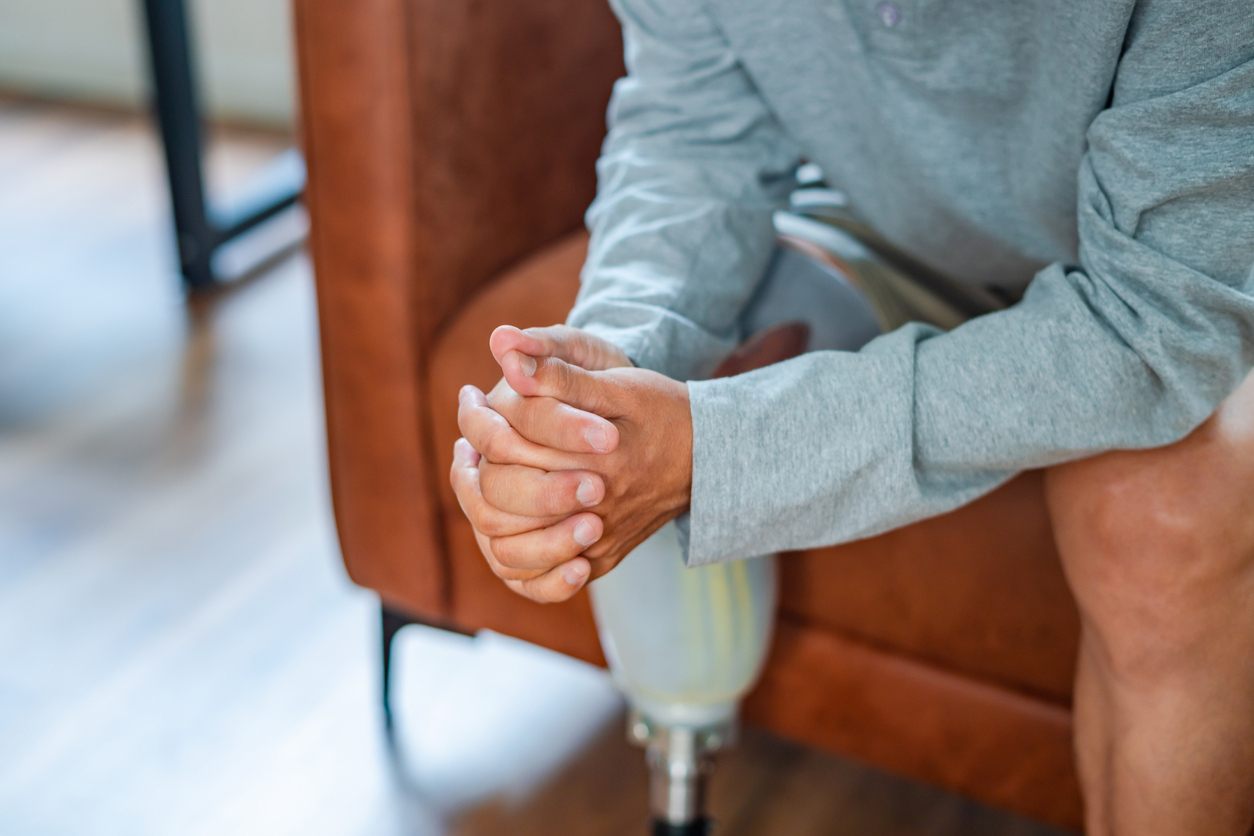
Client story
£900,000 settlement
We secured a compensation settlement for a man who needed a below knee amputation as a result of negligent medical treatment for a popliteal aneurysm.
Our peripheral ischaemia claims
Podcast
Video
£1.6 million settlement for multiple amputee after negligent hospital treatment of sepsis
Podcast
Video
£6.4 million settlement for amputations after ambulance crew fails to take suspected meningitis patient to hospital
Podcast
Video
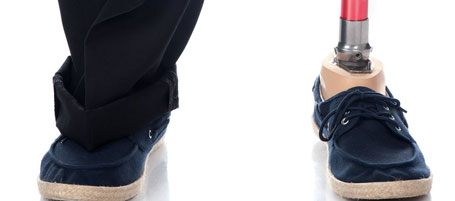
£1.3 million settlement for below-knee amputee who did not receive multidisciplinary foot care
Podcast
Video
£600,000 settlement for diabetic man after negligent medical care of foot injury leads to amputation

Podcast
Video
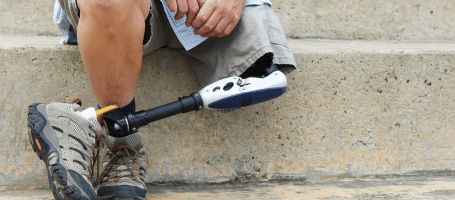
£750,000 settlement for delayed sepsis treatment multiple amputee
Podcast
Video
£75,000 settlement after negligent diabetic foot care leads to amputation
Podcast
Video
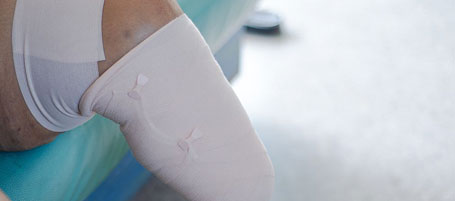
£750,000 settlement after GP and district nurses’ failure to refer for post-surgical infection leads to amputation
Podcast
Video
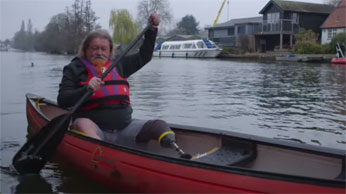
Liability settlement after GP and district nurses’ failure to refer patient with post-surgical ankle infection leads to need for below-knee amputation
Podcast
Video
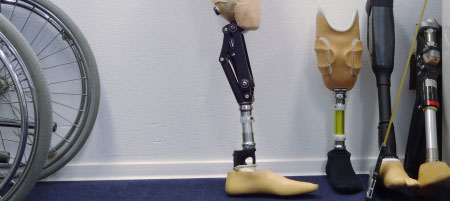
£950,000 settlement for diabetic amputee after delayed diagnosis and treatment of Charcot foot
Podcast
Video
Settlement for family of 94-year-old man after hospital negligence led to pressure sore, bone infection and amputation

Podcast
Video
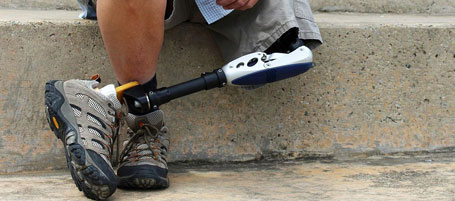
Compensation settlement for man who needed amputation after negligent knee replacement surgery
Podcast
Video
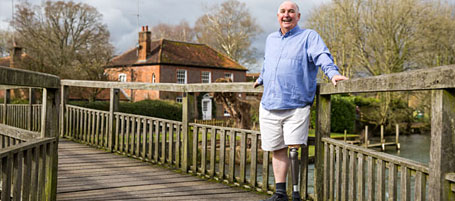
£210,000 settlement for client after GP delay in treating infection leads to below knee amputation
Podcast
Video
Admission of liability and NHS apology for 68 year old below knee amputee
Podcast
Video
Compensation recovered for below knee amputee following thrombosis
Our medical negligence team












What our clients say
Won medical negligence

What our clients say
Worked assiduously and painstakingly
What our clients say
You have given fantastic support and guidance
What our clients say
Very helpful and diligent
What our clients say
Very kind and considerate
What our clients say
Very Professional
What our clients say
We cannot praise and thank the team enough
What our clients say
We cannot thank Susan and her team at Boyes Turner enough
What our clients say
We had full confidence
What our clients say
We would all highly recommend them

Our clients receive the highest standards of advice and representation and are always treated with compassion, outstanding care and understanding of the physical, emotional, psychological and financial impact that life-changing injury can have upon their lives.
- We are nationally acclaimed for our claimant medical negligence expertise and the outstanding results we achieve for our clients.
- We are ranked as leading clinical negligence experts in the Chambers Directory and Legal 500 guides to the legal profession and are accredited for our specialist expertise by the Law Society, AvMA, and the Association of Personal Injury Lawyers (APIL).
- Our integrated multidisciplinary team offers our clients a full range of specialist help with compensation, rehabilitation, SEN, deputyship, personal injury trusts and community care.
- We secure maximum compensation in claims for adults and children who have suffered catastrophic injury and severe disability, and provide practical support for their families.
Related peripheral ischaemia insights
Podcast
Video
Serious infections linked to limb loss and amputation

Podcast
Video
IPPR calls for action and access to timely, effective healthcare to prevent cardiovascular disease (CVD)
Podcast
Video
NHS Resolution’s review finds multiple failings in the care of patients with diabetes and lower limb complications
Related peripheral ischaemia claims
Amputation
Diabetic amputation claims
Claims for limb-loss from infection
Accident & emergency
Leading medical negligence solicitors for over 30 years


Get help today
- Free & no obligation initial advice
- Speak directly to a solicitor
- No upfront costs & no win no fee