Neonatal hypoglycaemia brain injury claims

Trusted specialists in neonatal hypoglycaemia brain injury claims, dedicated to securing your child's future.

Neonatal hypoglycaemia brain injury claims secure compensation for babies who were injured by negligent management of their blood sugar in the days after their birth. Neonatal hypoglycaemia is a medical emergency. Delayed treatment of a baby who is suffering from hypoglycaemia may cause lifelong, severe neurological disability from permanent injury to their brain. The child’s disability may be hidden at first, leaving parents unaware of their child’s condition until problems arise with learning or behaviour in older childhood or teenage years.
Our neonatal brain injury claims specialists understand the complex nature of brain injury from neonatal hypoglycaemia and the challenges it presents for the injured child and their family. We are experienced in obtaining compensation for children and teenagers whose neurological disability was caused by negligent neonatal care.
- Nationally recognised birth injury specialists with decades of experience
- Access to leading medical experts and rehabilitation professionals
- Proven track record of securing life-changing compensation for families
- Dedicated support from initial enquiry through to settlement
- No upfront costs and claim through a no win no fee agreement
Starting your neonatal hypoglycaemia brain injury claim
For more than 30 years, Boyes Turner’s medical negligence solicitors have guided families of injured children through the claims process to secure the compensation and specialist support that they need to manage their child’s disability and rebuild their lives.
You can contact us by telephone or by email for free, confidential advice from a medical negligence solicitor. We will ask you to tell us briefly about your child’s neonatal care and their injury, and advise you about whether we can help you begin your claim and any time limits that apply. Your solicitor will discuss with you how your claim will be funded and advise how that works and what it will mean for you. We offer a range of funding options, but most of our clients’ claims are handled on a ‘no win no fee’ basis.
Once we have gathered the necessary evidence for your claim to proceed, we will notify the healthcare provider (usually represented by NHS Resolution) of your claim. We aim to make NHS Resolution accept full responsibility for your child’s injury as quickly as possible, so that we can obtain interim payments to help your family move to more suitable accommodation or adapt your home, and pay for the care, educational and behavioural management support that your child needs.
If the healthcare provider or their legal representatives at NHS Resolution deny liability, we will advise you about the best way to proceed with your claim. This may involve issuing court proceedings or inviting NHS Resolution to enter into settlement negotiations or mediation.

No win, no fee
No hidden or upfront costs. Clear, straightforward advice. Nothing to pay unless your claim is successful.
Over 30 years’ experience
We have helped thousands of clients claim compensation.
Fully regulated
Authorised and regulated by the Solicitors Regulation Authority.
Neonatal hypoglycaemia FAQs
What is neonatal hypoglycaemia?
Hypoglycaemia means low blood sugar. Newborn babies may develop neonatal hypoglycaemia if they can’t maintain healthy blood sugar levels from feeding in the first few days of life. If neonatal hypoglycaemia is not recognised and treated, it can cause permanent brain injury and disability.
Midwives and hospital neonatal care teams are responsible for ensuring that a newborn baby is properly fed, so that their blood sugar does not drop below a safe level. If a baby suffers neurological disability as a result of delayed or incorrect treatment of hypoglycaemia, they may be entitled to claim compensation.
Who is at risk of neonatal hypoglycaemia?
All babies are at risk of hypoglycaemia immediately after their birth until they have settled into a healthy feeding pattern. The risks are higher for babies:
- whose birthweight is below 2.5kg;
- whose mothers have diabetes;
- who have intra-uterine growth restriction (IUGR) and are small for their gestational age (small for dates).
Newborn babies who have none of the risk factors listed above may still be at risk of hypoglycaemia if there are concerns about their feeding. Signs of poor feeding may include:
- the baby doesn’t wake up for feeds;
- the baby doesn’t suck properly during feeding;
- the baby demands feeding frequently, because they are not receiving enough milk at each feed.
Can neonatal hypoglycaemia be prevented?
Neonatal hypoglycaemia is a medical emergency but serious injury is preventable with timely, correct midwifery and neonatal care.
Midwives must look out for neonatal hypoglycaemia and take steps to prevent it. They do this by taking heel-prick blood tests to check the blood sugar of babies, particularly those who are at increased risk, and by making sure that a newborn baby is feeding properly and is getting enough milk.
How is neonatal hypoglycaemia treated?
If a baby’s blood sugar (or glucose) is low, swift action is needed to bring their blood sugar up to a safe level. In most cases, feeding the baby quickly may restore their blood glucose. If they can feed effectively, their blood sugar may be raised by breastfeeding, expressed breastmilk or by formula milk. In some cases, a baby may need to be given glucose by intravenous infusion (IV drip).
Neonatal hypoglycaemia is a medical emergency requiring fast action to restore and maintain healthy blood sugar levels. Any delays in treatment of a baby with neonatal hypoglycaemia can cause permanent brain injury and severe neurological disability.
What are the signs and symptoms of neonatal hypoglycaemia?
Babies with hypoglycaemia may show signs of illness, including:
- sweating.
- feeding difficulties;
- tremors;
- irritability;
- a high-pitched or weak cry;
- hypothermia (low body temperature);
- fits or seizures or being jittery;
- floppiness (hypotonia);
- lethargy or altered level of consciousness;
- infection;
- respiratory (breathing) difficulties.
Hypoglycaemia may also occur with other serious conditions.
What healthcare mistakes lead to neonatal hypoglycaemia brain injury compensation claims?
Claims for brain injury and disability caused by hypoglycaemia usually arise from negligent failure or delay in identifying and treating babies with hypoglycaemia.
Common mistakes in the care of babies with hypoglycaemia include:
- failing to monitor the blood glucose of a baby at increased risk of hypoglycaemia owing to:
- low birthweight, particularly when the baby is born weighing less than 2.5kg;
- maternal diabetes;
- IUGR or being small for gestational age;
- poor feeding, or where the mother expresses concerns about the baby’s feeding;
- delay or failure to obtain or act on blood glucose test results;
- failing to have a baby with hypoglycaemia reviewed by a paediatrician (doctor);
- failing to admit a baby with significant hypoglycaemia to the neonatal unit (NNU);
- delayed or insufficient administration of intravenous (IV) glucose to a baby on the NNU;
- failing to provide safety-netting advice to mothers on preventing hypoglycaemia and seeking help when the baby is discharged from hospital.
What type of disability is caused by hypoglycaemia?
Disability from neonatal hypoglycaemia may not be obvious, even to the child’s parents, in the child’s early years. Unlike cerebral palsy birth injury, disability from hypoglycaemia may only become apparent in later years, when the child or teenager struggles to keep up at school. Without a clear diagnosis, these children may be misunderstood, as their disabilities are often complex or partially hidden. In our experience, children and teenagers who have suffered brain injury from hypoglycaemia often need extensive support.
Neonatal hypoglycaemia brain injury disability affects children in varying but complex ways. Our clients with severe brain injury from hypoglycaemia often have one or more of the following disabilities:
- physical disability, such as cerebral palsy;
- epilepsy;
- learning disability;
- behavioural problems;
- extensive care/support needs owing to their independent mobility but lack of awareness;
- problems with social interaction;
- visual impairment.
In each case, we work with our client’s family, our trusted experts and our SEN specialists to ensure that the child’s injury, disability and lifelong needs are properly assessed, and that they are fully compensated so that their lifelong needs are met.
What compensation can be claimed in a neonatal hypoglycaemia brain injury claim?
As with all medical negligence claims, the amount of compensation that can be claimed depends on the severity of the injury and the way it affects the individual’s life. In our experience, children who suffer brain injuries caused by neonatal hypoglycaemia often need extensive support throughout their lives, even when their mobility and physical independence are less severely impaired. Depending on the injury, disability, and the client’s individual circumstances, neonatal hypoglycaemia brain injury compensation may include sums for:
- pain, suffering, and disability;
- case management;
- the costs of extensive care and support;
- therapies and rehabilitation, including:
- behavioural management programmes;
- psychological support;
- physiotherapy;
- occupational therapy (OT);
- speech and language therapy;
- increased costs of accommodation or home adaptations;
- SEN – special educational needs;
- specialist equipment and aids;
- adapted vehicles and increased transport costs;
- medical and surgical treatment costs;
- loss of earnings and pension;
- Court of Protection and deputyship costs.
My baby has brain injury from hypoglycaemia – do I have a claim?
If your child’s brain injury was caused by negligent medical and midwifery management of their blood glucose levels in their first few days of life, they may be able to make a neonatal hypoglycaemia brain injury claim.
Successful neonatal hypoglycaemia brain injury claims often relate to one or more of these common errors in clinical care:
- delays in obtaining blood glucose test results;
- delays in acting on a low blood glucose result;
- delayed referral of babies with hypoglycaemia to a paediatrician or delayed paediatric review;
- delayed admission of babies diagnosed with significant hypoglycaemia to neonatal unit (NNU);
- delayed administration or not enough intravenous glucose being given to the baby on the NNU;
- failure to advise the mother properly when the baby is discharged home.
Hypoglycaemia negligence claims require specialist handling owing to the subtle emergence and complex nature of the injured child’s disability, which often only becomes apparent in older childhood or teenage years.
The best way to find out if your child can claim compensation for their hypoglycaemia brain injury is to speak to one of our specialist neonatal brain injury solicitors by contacting us.
Making a neonatal hypoglycaemia claim
We understand how daunting it can feel to take the first step. Our neonatal brain injury solicitors are here to guide you through every stage.

Getting in touch
Call us or complete our online enquiry form to receive free, confidential advice from a specialist neonatal hypoglycaemia brain injury solicitor. We will listen carefully to your concerns, explain your legal options in clear, straightforward language, and advise whether we can help investigate whether delays or failures in diagnosing or treating your baby’s low blood sugar caused their brain injury.

The neonatal claim
Our specialist solicitors will obtain and review your baby’s and mother’s medical records, instruct leading independent medical experts, and investigate whether neonatal hypoglycaemia was recognised and treated appropriately. Where negligence is identified, we can build a strong case on your behalf and, where appropriate, seek an interim payment to help fund your child’s immediate care and rehabilitation needs.
Securing compensation
We will support you and your family with compassionate, expert guidance throughout the claims process. Our aim is to secure the maximum compensation as quickly as possible to help provide for your child’s lifelong care, rehabilitation, specialist therapies, adapted accommodation, equipment and any other support they may need as a result of their brain injury.
Contact us
If you would like advice regarding a serious injury or illness affecting you or a loved one, please complete the form and one of our experts will be in touch as soon as possible.
Rather give us a call:
Client story
£3.1million plus annual payments
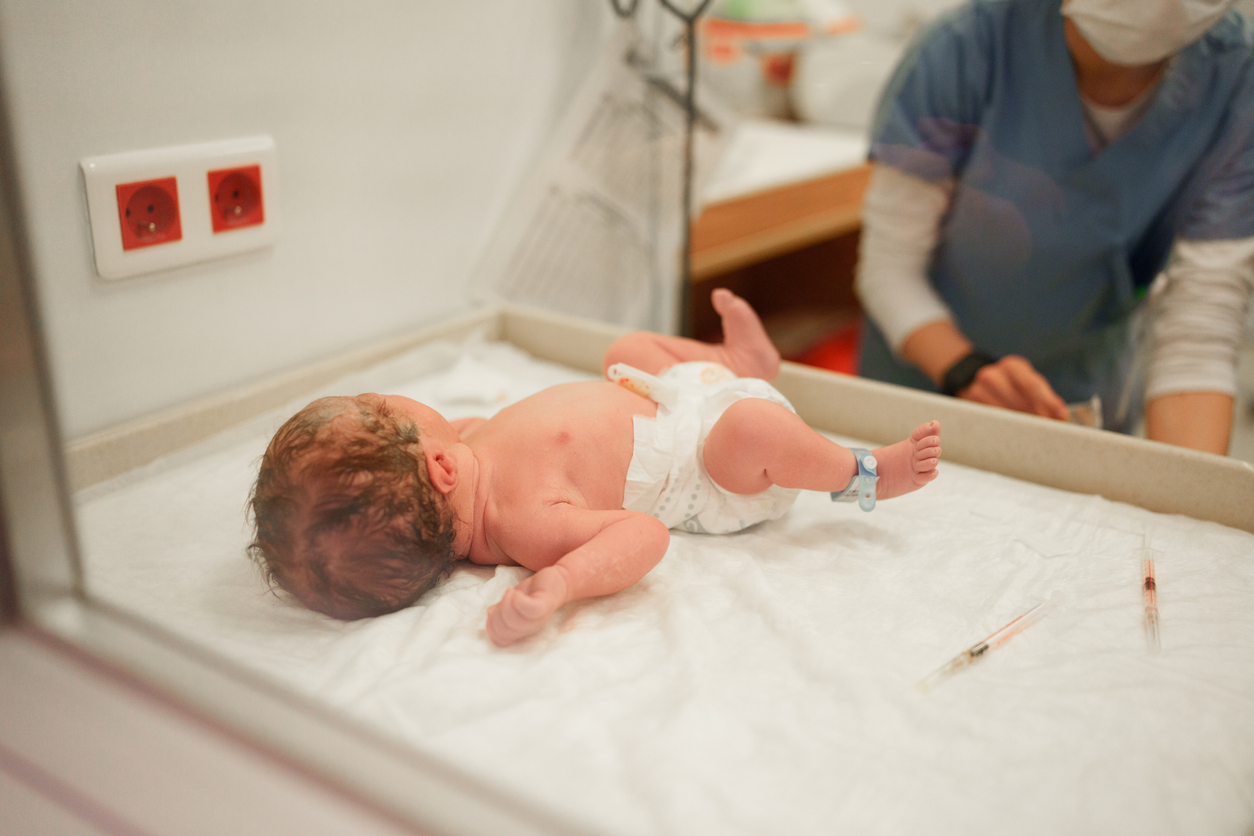
We secured a settlement for a client whose brain was injured when midwives failed to recognise and treat signs of hypoglycaemia in the first few days of his life.
Our neonatal brain injury claims
Podcast
Video
£11.8 million settlement in birth injury claim for child with cerebral palsy
Podcast
Video
£18.1m settlement for child with severe cerebral palsy, visual and learning disability from maternity negligence
Podcast
Video
£4 million compensation settlement in birth injury claim for an 11-year-old boy with cerebral palsy

Podcast
Video
£12 million settlement for child whose severe dyskinetic cerebral palsy was caused by negligent water birth
Podcast
Video
£13m+ settlement after negligent treatment of neonatal necrotising enterocolitis and hypocarbia cause cerebral palsy
Podcast
Video
£18.4 million settlement after delayed treatment of HSV infection in forceps scalp grazes causes cerebral palsy
Podcast
Video
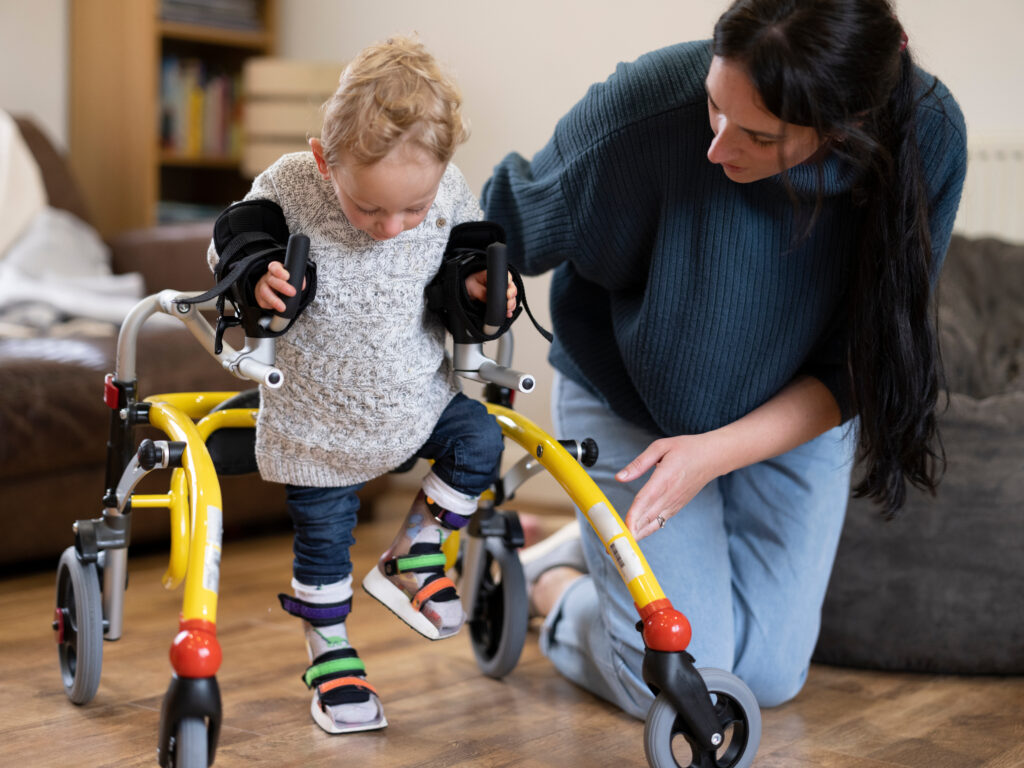
£7.4m settlement for child with severe cerebral palsy after hospital sent her mother home in labour
Podcast
Video
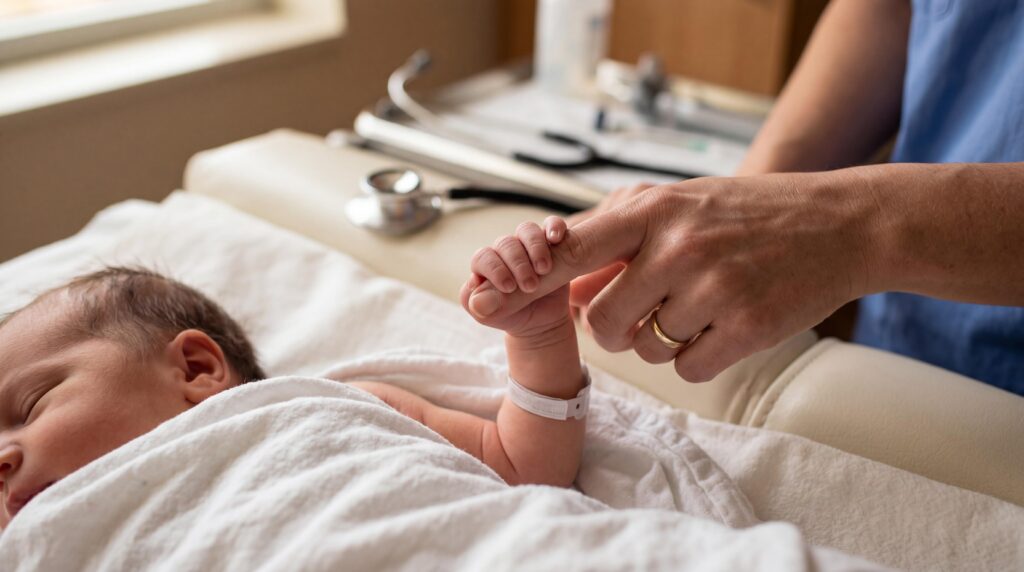
£14.6 million settlement for young man with cerebral palsy from uterine hyperstimulation at time of birth
Podcast
Video
£3.6 million settlement after delayed diagnosis of neonatal meningitis causes cerebral palsy

Podcast
Video
£5 million lump sum, lifelong annual payments of £232,750pa for care and Treloar’s SEN funding for boy with cerebral palsy
Podcast
Video
£16 million settlement for teenager with cerebral palsy from hypoxic brain injury during delayed delivery

Podcast
Video
£19 million settlement for girl with dyskinetic cerebral palsy caused by negligent midwifery and obstetric care during labour

Podcast
Video
£3 million settlement for young man with physical disability from cerebral palsy caused by hypoxic injury at birth
Podcast
Video
£4.6 million plus lifelong payments of up to £360,000pa for child with severe dystonic cerebral palsy birth injury
Our medical negligence team










What our clients say
I would recommend

What our clients say
I am overwhelmed
What our clients say
I couldn’t fault them they have been brilliant throughout the whole process
What our clients say
I thoroughly recommend Boyes Turner
What our clients say
Friendly and sympathetic
What our clients say
Boyes Turner were excellent, dug in for the long haul
What our clients say
Brain injury at birth
What our clients say
Clinical negligence claim
What our clients say
Compassionate and patient
What our clients say
Accident at work testimonial
What our clients say
Amazing, supportive and knowledgeable
What our clients say
Birth negligence
Our clients receive the highest standards of advice and representation and are always treated with compassion, outstanding care and understanding of the physical, emotional, psychological and financial impact that life-changing injury can have upon their lives.
- We are nationally acclaimed for our claimant medical negligence expertise and the outstanding results we achieve for our clients.
- We are ranked as leading clinical negligence experts in the Chambers Directory and Legal 500 guides to the legal profession and are accredited for our specialist expertise by the Law Society, AvMA, and the Association of Personal Injury Lawyers (APIL).
- Our integrated multidisciplinary team offers our clients a full range of specialist help with compensation, rehabilitation, SEN, deputyship, personal injury trusts and community care.
- We secure maximum compensation in claims for adults and children who have suffered catastrophic injury and severe disability, and provide practical support for their families.
Related neonatal hypoglycaemia insights
Podcast
Video
Managing compensation in cerebral palsy claims

Podcast
Video
International compensation claims for cerebral palsy and child brain injury
Podcast
Video
What you need to know about neonatal meningitis claims

Podcast
Video
Who is at risk of meningitis?

Podcast
Video
Blindness and visual impairment in neurological injury claims

Podcast
Video
Neonatal brain injury from hypoglycaemia can my child claim compensation?

Podcast
Video
What happens after liability judgment in a medical negligence claim?
Podcast
Video
Can a birth injury claim provide a better family home for a child with cerebral palsy?

Podcast
Video
Breech birth injury claims – what are the RCOG guidelines?
Podcast
Video
Traumatic injury from impacted fetal head (IFH) during caesarean birth in the second stage of labour
Related birth injury pages
Hypoxic brain injury claims for babies (HIE)
Neonatal brain injury from infection
Neonatal brain injury claims
Vitamin K deficiency bleeding claims
Jaundice and kernicterus brain injury claims
Meconium aspiration syndrome (MAS)
Cerebral palsy
Autism and ADHD
Leading medical negligence solicitors for over 30 years


Get help today
- Free & no obligation initial advice
- Speak directly to a solicitor
- No upfront costs & no win no fee