Claims for neonatal brain injury from infection
If your baby suffered a brain injury because a neonatal infection was missed or treated too late, our specialist solicitors can help.


If your baby showed signs of infection soon after their birth and now has neurological disability or cerebral palsy, they may have suffered a neonatal brain injury from infection caused by negligent medical mistakes or delays.
Newborn babies are highly vulnerable to infection before their immune systems have fully developed. Midwives, doctors and neonatal clinicians must recognise and respond quickly to signs of infection in a newborn baby. They must also identify and closely monitor babies who are at increased risk of infection and pregnant mothers for signs of maternal infection. Delays or mistakes in treatment for newborn babies with infection can lead to dangerous complications, such as meningitis, encephalitis or sepsis, and long term neurodevelopmental disability or cerebral palsy from neonatal brain injury.
On this page you will find answers to some of the most common questions that families have about neonatal brain injury from infection: what it means, how it happens and when you should seek help.
Our neonatal brain injury solicitors have helped countless families of children with neonatal brain injury from infection to understand how their injury occurred and to claim the compensation and support that they need for their child. We can help you answer these questions with advice from trusted, independent medical experts, and secure the compensation and practical support that your baby deserves. If you would like to find out more about your baby’s neonatal brain injury, and what that means for your baby and family, or if you have been contacted by MNSI or NHS Resolution, contact us to talk, free and confidentially, to one of our experienced neonatal brain injury claims solicitors.
Neonatal brain injury from infection FAQs
Can infection cause brain injury in a newborn baby?
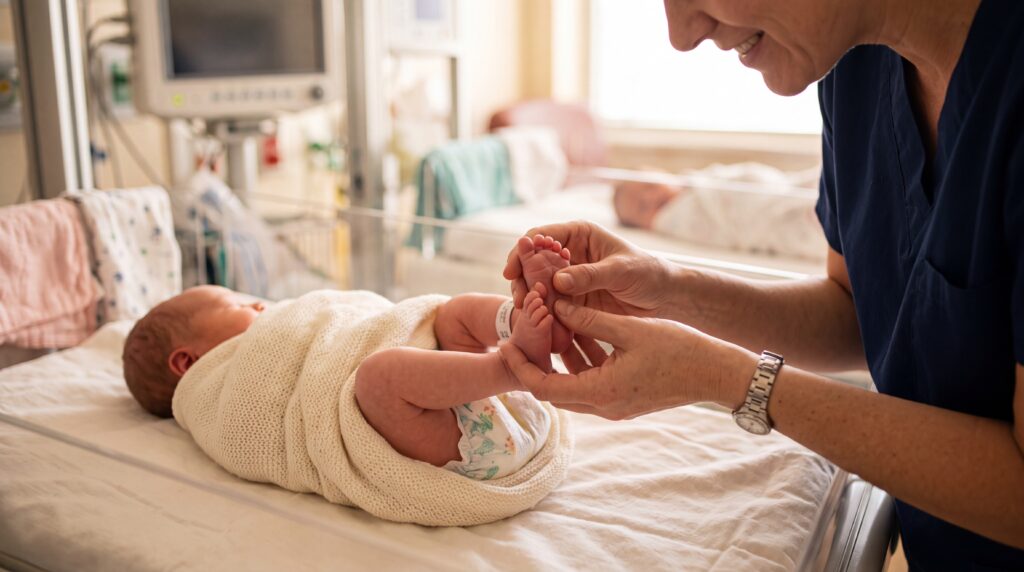
When a newborn baby develops an infection before, during or within 28 days of their birth, this is known as a neonatal infection.
Neonatal infections are caused by one of the following pathogens:
- bacteria – such as group B streptococcus (GBS) or staphylococcus aureus (staph);
- a virus – such as herpes simplex virus (HSV) or cytomegalovirus (CMV);
- fungi – such as Candida albicans (C.albicans);
- or parasites.
Early-onset infections occur within 72 hours of birth and are often caused by bacteria passing from the mother to the baby during pregnancy, labour or birth.
Late-onset neonatal infection develops after the first week of life and may come from infected wounds or exposure to pathogens in the external environment, such as from other people in hospital or medical treatment with catheters or IV lines.
Untreated infections can very quickly become dangerous for newborn babies because their immune systems have not fully developed. Any delays or errors in treatment of a newborn baby’s infection can lead to rapid deterioration from life-threatening complications, such as meningitis, encephalitis or sepsis, and cause permanent brain injury, cerebral palsy and other neurodevelopmental disability.
Medical negligence claims for neonatal brain injury from infection usually involve delays or errors in diagnosis, medication and treatment of neonatal and/or maternal infection.
What are the most common claims for neonatal brain injury from infection?
There are many ways in which a negligent medical response to signs of infection can injure a newborn baby’s brain but certain types of infections and infective processes feature more commonly in claims arising from negligent maternity and neonatal care.
Maternal infections during pregnancy, such as group B streptococcus (GBS or group B strep), herpes simplex virus (HSV) and inflammation of the membranes surrounding the baby in the womb (chorioamnionitis) are common risk factors for early-onset infection in the newborn baby. Claims often arise where the mother was known to have an infection before delivery, but mistakes were made in treating her infection and in monitoring or treating the newborn baby for signs of infection.
Risk factors such as prolonged or preterm pre-labour rupture of the membranes (PROM or PPROM), premature birth and low birth weight are all known to increase the baby’s vulnerability to infection. Claims for neonatal brain injury from infection commonly involve failure to recognise the baby’s increased risk and to provide them with appropriate monitoring and care.
Where neonatal infection is left untreated, it can rapidly cause severe brain injury and permanent disability from life-threatening complications, such as meningitis, encephalitis and sepsis.
What mistakes lead to neonatal brain injury from infection claims?
If your baby’s brain injury was caused by infection as a result of any of the following mistakes in their mother’s or their own maternity and neonatal care, they may be entitled to claim compensation:
- failing to recognise and reduce the risks to the baby from maternal infections;
- failing to monitor and manage risk factors such as PROM or PPROM;
- errors in advising, treating and planning labour for a pregnant mother with GBS;
- failing to recommend or administer antibiotics;
- failing to monitor and closely observe a baby who is at risk of infection;
- misdiagnosis and delays in diagnosis;
- failing to carry out appropriate tests and investigations for suspected infection;
- medication errors and delays (antibiotics, antivirals etc);
- failing to provide specialist neonatal intensive care to a newborn baby with suspected neonatal infection;
- incorrectly discharging a newborn baby with signs of infection;
- failing to advise parents to seek urgent medical help if signs of infection occur (safety-netting).
Which newborn babies are at risk of neonatal infection?
All newborn babies are more vulnerable to infection whilst their immune systems are still developing. However, your baby may have an increased risk of serious infection if any of the following risk factors affected the pregnancy or their birth:
- maternal diabetes;
- maternal infection (such as GBS or HSV) or chorioamnionitis;
- prolonged or preterm pre-labour rupture of the membranes (PROM or PPROM);
- preterm or premature birth;
- hypoxia (lack of oxygen) or acidosis;
- low birth weight;
- skin grazes or wounds from invasive medical equipment (IV lines, catheters, forceps, vacuum extractors);
- metabolic, digestive or urinary tract disorders.
Many of the risk factors for neonatal infection can be managed with proper medical care. Negligent failure to recognise, monitor and properly manage a pregnant mother or newborn baby with increased risk of infection can result in severe injury from avoidable infection.
How is infection diagnosed in a newborn baby?
A newborn baby with signs of infection must be treated urgently to avoid the infection spreading or the development of life-threatening complications, such as meningitis or sepsis. Doctors may start treatment with general antibiotics based on their clinical assessment of the baby’s condition, whilst further tests and investigations are carried out to identify the specific pathogens which are causing the infection. This then helps with more targeted treatment.
Common tests and investigations used to diagnose neonatal infections include:
- blood tests, which identify which pathogen or bacteria is causing the infection;
- C-reactive protein (CRP) tests to measure inflammation;
- lumbar puncture (also known as a spinal tap) to test the cerebrospinal fluid (CSF) for meningitis;
- X-rays of the chest, to look for chest infection or pneumonia.
What is the treatment for infection in a newborn baby?
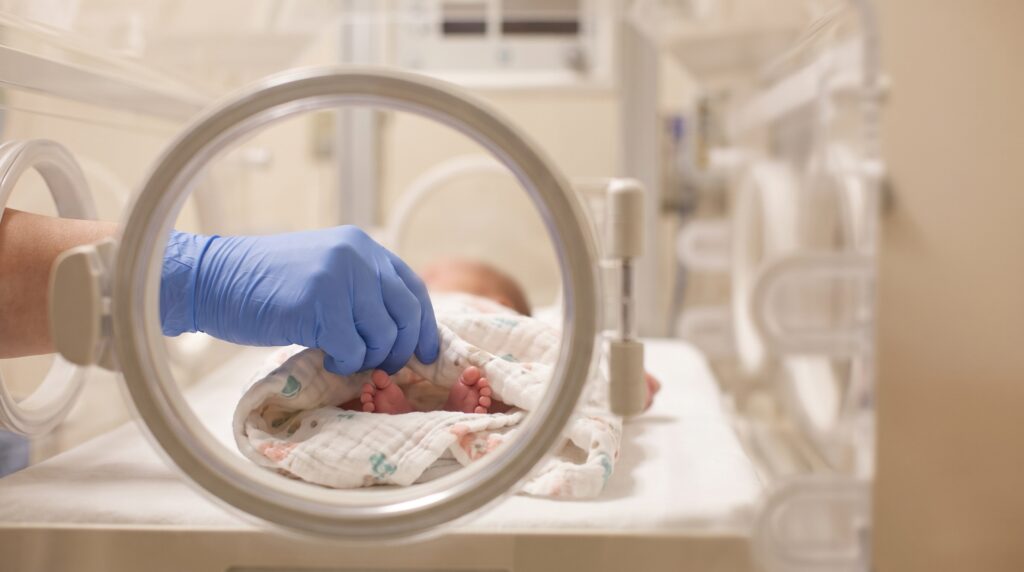
The treatment that your baby needs will depend on how unwell they are and the type of infection. Neonatal infection should always be treated urgently to avoid the development of serious complications which could cause permanent, neurological injury. Where a newborn baby has severe infection, they should be treated in a specialist neonatal intensive care unit (NICU) and receive fully supportive monitoring and care.
Depending on their illness, their treatment may include:
- intravenous (IV) antibiotics, for bacterial infection;
- antiviral medication, for viral infection, such as herpes simplex virus (HSV);
- IV fluids;
- oxygen therapy and respiratory support, to help with breathing;
- supportive neonatal intensive care and monitoring in NICU.
If you think your baby’s brain injury or neurological disability may have been caused by delays or mistakes in their medical treatment, you can find out more about whether your child can claim compensation for their injury by contacting one our solicitors, free and confidentially.
Contact us
If you would like advice regarding a serious injury or illness affecting you or a loved one, please complete the form and one of our experts will be in touch as soon as possible.
Rather give us a call:
Our neonatal brain injury claims

Podcast
Video
£11.8 million settlement in birth injury claim for child with cerebral palsy
Podcast
Video
£18.1m settlement for child with severe cerebral palsy, visual and learning disability from maternity negligence

Podcast
Video
£4 million compensation settlement in birth injury claim for an 11-year-old boy with cerebral palsy

Podcast
Video
£12 million settlement for child whose severe dyskinetic cerebral palsy was caused by negligent water birth
Podcast
Video
£13m+ settlement after negligent treatment of neonatal necrotising enterocolitis and hypocarbia cause cerebral palsy
Podcast
Video
£18.4 million settlement after delayed treatment of HSV infection in forceps scalp grazes causes cerebral palsy

Podcast
Video
£7.4m settlement for child with severe cerebral palsy after hospital sent her mother home in labour
Podcast
Video
£14.6 million settlement for young man with cerebral palsy from uterine hyperstimulation at time of birth
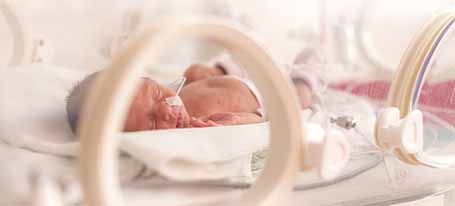
Podcast
Video
£3.6 million settlement after delayed diagnosis of neonatal meningitis causes cerebral palsy

Podcast
Video
£5 million lump sum, lifelong annual payments of £232,750pa for care and Treloar’s SEN funding for boy with cerebral palsy
Our medical negligence team












Related neonatal brain injury insights

Podcast
Video
What is cerebral palsy?

Podcast
Video
International compensation claims for birth injury and neonatal brain injury
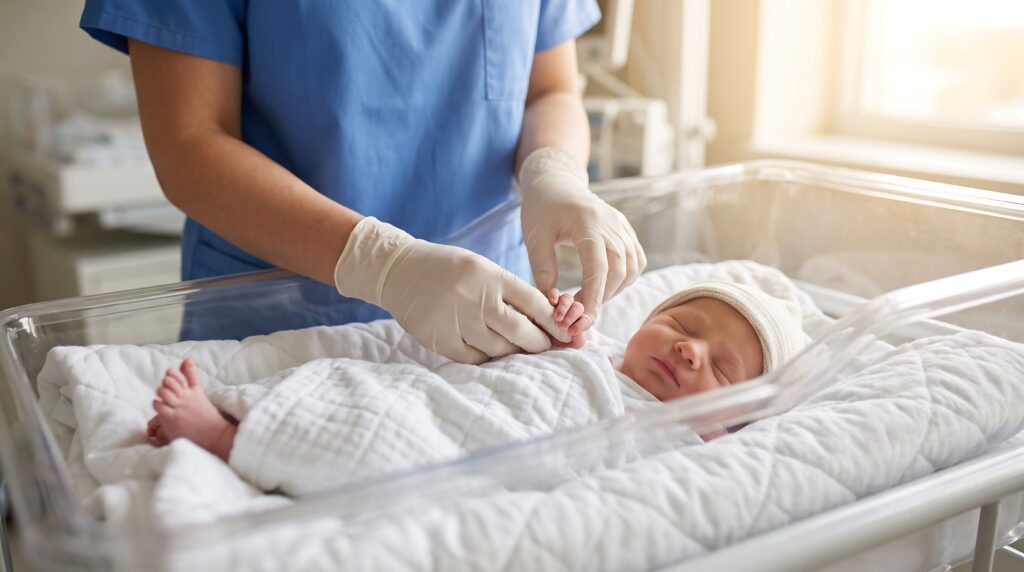
Podcast
Video
Neonatal meningitis claims
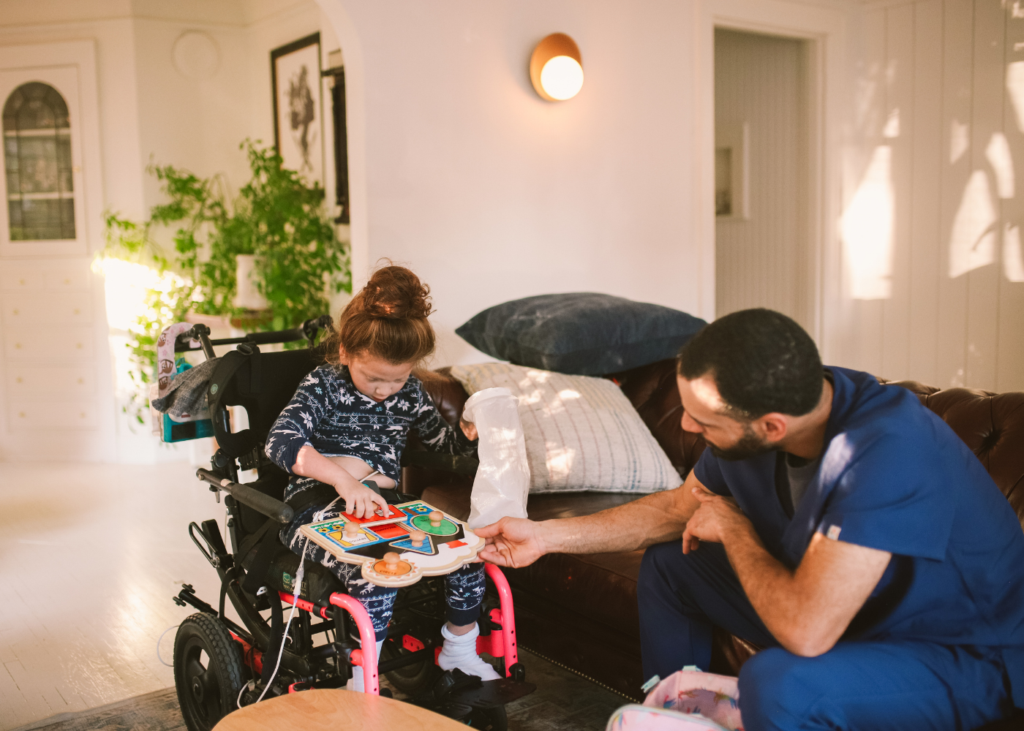
Podcast
Video
How do medical experts determine if cerebral palsy was caused by medical negligence?
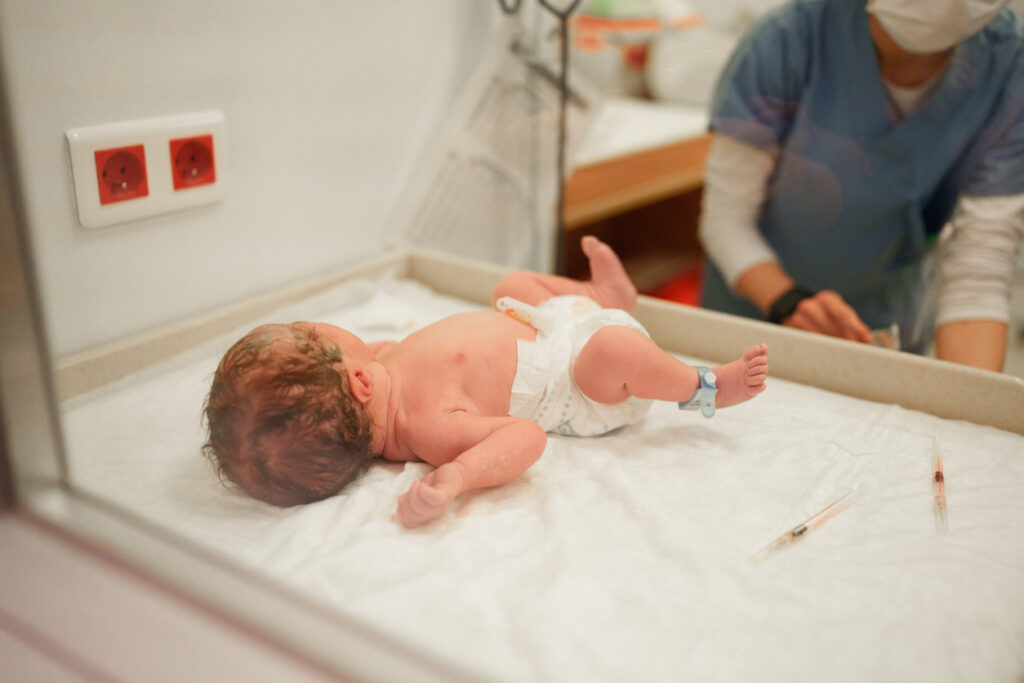
Podcast
Video
Managing compensation in cerebral palsy claims

Podcast
Video
Who is at risk of meningitis?

Podcast
Video
Blindness and visual impairment in neurological injury claims

Podcast
Video
Neonatal brain injury from hypoglycaemia can my child claim compensation?

Podcast
Video
What happens after liability judgment in a medical negligence claim?

Podcast
Video
Breech birth injury claims – what are the RCOG guidelines?
Related birth injury claims
Autism and ADHD
Birth injury
Cerebral palsy
Hypoxic brain injury claims for babies (HIE)
Meconium aspiration syndrome (MAS)
Neonatal brain injury claims
Neonatal hypoglycaemia brain injury claims
Twin pregnancy birth injury claims
Leading brain injury solicitors for over 30 years



Stay informed with insights from Boyes Turner
Sign up to receive the latest legal updates, expert commentary, and practical guidance tailored to your interests.