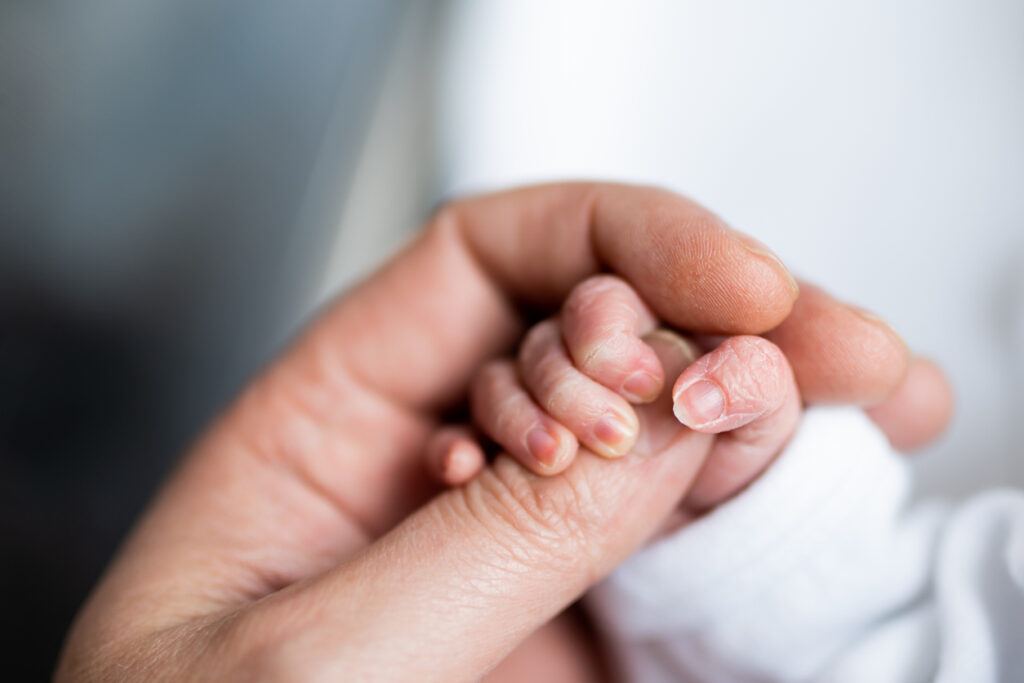
If NHS Resolution have contacted you after the birth of your child, they have been alerted by your maternity hospital and/or the Maternity and Newborn Safety Investigations programme (MNSI) that your baby has suffered an HIE brain injury. You should seek immediate specialist legal advice before responding to NHS Resolution. Any information you provide to them or their Early Notification (EN) scheme investigation may put at risk your child’s future entitlement to compensation.
Boyes Turner’s birth injury solicitors are highly experienced in helping children with brain injuries and their families succeed in claims which are defended by NHS Resolution. We’re here to help and we advise you to contact us for free, confidential, specialist, independent advice about your child’s injury and NHS Resolution’s EN scheme, whether or not you are currently considering making a claim. By doing so you can protect your child’s right to claim the compensation they deserve, either now or in the future.
NHS Resolution & ENS FAQs
What is NHS Resolution?
NHS Resolution are the NHS’s defence organisation. Their role is to protect and defend the NHS from medical negligence claims made by patients who have been injured as a result of negligent NHS treatment. NHS Resolution represent NHS hospitals, GPs, ambulance services or other NHS organisations, acting against the injured patient, in medical negligence claims.
NHS Resolution’s purpose is to reduce the cost of medical negligence claims. In claims for birth injury and neonatal brain injury compensation they use information that they receive from MNSI, the EN scheme and directly from unrepresented families of injured babies to avoid, defend and reduce the value of brain-injured babies’ claims.
NHS Resolution cannot provide unbiased advice to patients about whether they will succeed with a claim, their right to compensation or the value of their claim. Birth injury claims are complex and it takes claimant-specialist experience and expertise to recognise mistakes in a patient’s care and advise on the potential value of a claim. Families of children affected by birth injury should seek independent legal advice from experienced, birth injury solicitors.
What is the Early Notification (EN) scheme?
The Early Notification (EN) scheme requires NHS maternity services to report certain types of serious birth injury to the NHS’s defence organisation, NHS Resolution.
The EN scheme only applies:
- if the full-term newborn baby has a diagnosis of Grade 3 HIE (hypoxic ischaemic encephalopathy);
OR
- if the baby needed therapeutic cooling after birth;
OR
- if the baby had seizures, coma or floppiness (hypotonia) after birth;
AND
- if the baby’s MRI brain scan shows ongoing neurological injury, even after cooling;
AND
- if MNSI has begun an investigation.
Parents with a baby whose injury satisfies the above criteria will usually be notified by the EN scheme after MNSI shares its completed investigation findings with NHS Resolution. If NHS Resolution decide to investigate the case under the EN scheme, they will instruct their legal defence team to investigate and prepare their defence to any potential claim.
Following HIE birth injury, NHS Resolution encourages the injured baby’s parents to wait for their EN scheme to complete its investigation. Whilst waiting, parents are often unaware that the investigation gives NHS Resolution’s legal defence team a head-start in preparing their defence to any claim that the child’s family might later decide to pursue.
The child’s family gains nothing from NHS Resolution’s investigation, which is designed to strengthen the defence against any future claim. NHS Resolution’s own data shows that liability is rarely admitted and interim payments of compensation are never made to families who do not have legal representation. Nearly all EN scheme investigations result in a denial of liability or the claim being ‘settled without payments of compensation’.
Most families remain unaware that, in most cases, NHS Resolution’s medical panel and investigation findings are not shared with the family, even when families instruct solicitors to help them make a claim. More often, families are left waiting, in some instances for years, or are told that the EN investigation has concluded that they are not eligible for compensation. Meanwhile, any information provided by the unrepresented family to MNSI or NHS Resolution, including consent to access medical records or interview evidence, may be used against the child in support of NHS Resolution’s defence of any subsequent claim.
If you have agreed to an EN scheme investigation of your baby’s birth injury, you should seek legal advice before sharing any information with NHS Resolution. Any information you share with NHS Resolution or the EN scheme may reduce your child’s chance of success or the compensation they can receive in any future birth injury claim.
You do not have to wait for NHS Resolution’s investigation to be completed before seeking your own legal advice or making a claim. You do not have to accept NHS Resolution’s denial of your child’s eligibility to claim compensation. Remember that NHS Resolution’s purpose is to prevent medical negligence claims and reduce compensation. Most of our clients’ successful birth injury claims began with denials of liability by NHS Resolution.
Do I have to agree to an Early Notification (EN) scheme investigation of my child’s birth injury?
No. Families of babies born after 1st October 2023 whose birth injury meets the Early Notification (EN) scheme criteria do not have to agree to an EN scheme investigation. They do not have to share their information or agree to discuss their birth experience with NHS Resolution. In addition, they can also refuse to give consent for NHS Resolution to access their additional medical records from other hospitals and GP surgeries for the purposes of the EN scheme investigation.
Families of babies born after 1st October 2023 whose birth injury meets the MNSI investigation criteria can also withhold consent for MNSI to access the maternity and neonatal records that are necessary for MNSI to carry out an investigation. In most cases, this means that MNSI will probably be unable to investigate their baby’s birth injury. NHS Resolution’s EN scheme only investigate birth injuries which MNSI have investigated.
Families with a brain-injured baby following birth injury or neonatal injury should seek legal advice before engaging with MNSI or NHS Resolution. It is important that you understand the purpose of each organisation’s investigation and the effect it could have on any claim that you or your child may want to pursue in future.
Why have NHS Resolution contacted me?
If NHS Resolution have contacted you, they have been alerted by your maternity hospital and/or MNSI that your baby suffered a serious hypoxic birth injury. They will be considering whether your baby’s birth injury satisfies their criteria for an Early Notification (EN) scheme investigation and deciding whether to instruct their legal team to pre-emptively prepare to defend any potential birth injury compensation claim.
You do not have to consent to NHS Resolution’s investigation of your baby’s birth injury. You do not have to discuss your birth experience with them or consent to them accessing your baby’s and your family’s additional medical records.
If NHS Resolution or one of their solicitors has contacted you about your child’s injury and your NHS maternity care, we strongly recommend that you contact Boyes Turner’s specialist birth injury solicitors immediately for free, confidential, independent, specialist legal advice to protect your child’s full entitlement to compensation, whether or not you are currently considering making a claim.
Should I seek legal advice before engaging with MNSI or NHS Resolution?
Yes. Injured patients and their families should always seek legal advice from an experienced, claimant-specialist, birth injury solicitor before discussing their injury and NHS care with MNSI and/or NHS Resolution.
NHS Resolution cannot provide unbiased advice to injured patients about the standard of care they received, their right to compensation or about the value of their claim, because NHS Resolution is the NHS’ legal defence team which works against patients in medical negligence claims. MNSI investigate claims independently from the NHS, but any information provided to them may be included in the report which they share with NHS Resolution at the end of their investigation.
Boyes Turner’s specialist birth injury solicitors provide free, confidential advice and support for families of brain-injured children who have been contacted by NHS Resolution after birth injury. We have successfully secured life-changing compensation for children and teenagers with cerebral palsy and other forms of birth injury disability. Most of our clients’ claims for children with birth injury and neonatal brain injury are handled on a no win no fee basis with 0% success fee.
Can I make a birth injury claim for my child if NHS Resolution deny responsibility?
A denial or refusal to admit liability by NHS Resolution does not mean that your child has no claim. NHS Resolution deny liability (negligence or causation) in the vast majority of the birth injuries that they investigate under the EN scheme and in their initial response to most birth injury compensation claims. It is important that injured patients and their families understand that NHS Resolution defend NHS maternity hospitals in birth injury medical negligence claims, and their assessment of any case is made from their defensive point of view.
At Boyes Turner, our expert birth injury solicitors often disagree with NHS Resolution’s assessment of our clients’ claims. We are skilled in identifying where maternity or neonatal care errors caused or contributed to a child’s injury and proving the child’s right to substantial compensation. We are not deterred by NHS Resolution’s defensive stance as our clients’ claims have been assessed with the benefit of our lawyers’ expertise and experience and are supported by trusted, independent medical experts. Most of our successful birth injury judgments, interim payments and compensation settlements for our clients overcame initial denials of liability by NHS Resolution.
The best way to find out whether your child has a viable birth injury compensation claim is to seek advice from our specialist birth injury solicitors by contacting us. All enquiries are handled free and confidentially, with no obligation. Our expert solicitors handle birth injury claims for children with brain injury disability on a no win no fee basis with 0% success fee.
Do I need my own solicitor to make a birth injury claim from NHS Resolution?
Yes. If you are considering making a birth injury or neonatal brain injury claim for your child, you should seek advice from an experienced birth injury claims solicitor as soon as possible.
Your prospects of success with proving the NHS’s liability (responsibility) for your child’s injury, securing early access to interim payments and recovering your child’s full entitlement to compensation all depend on your having your own claimant-specialist legal representation. NHS Resolution’s own data has shown that unrepresented families rarely receive an admission of liability, and almost never receive the level of interim payments or financial settlements that a brain-injured child should receive in a properly handled birth injury claim.
Claims arising from birth injury and neonatal brain injury disability, such as cerebral palsy, must be meticulously investigated, prepared and valued with the support of legal and medical experts who specialise in birth injury. There are serious pitfalls to starting a medical negligence claim without independent, specialist legal and medical expert advice, and these can cause irreversible problems for litigants-in-person (who are still bound by the law and the rules of the court) and even for non-specialist or inexperienced lawyers.
Evidence, including testimony and recollections by traumatised parents, should be gathered carefully and sensitively. Informal discussions with MNSI or NHS Resolution in the early days after a child’s injury can have a significant impact on any later claim.
It takes claimant-specialist legal expertise to assess and recover the full value of a child’s compensation, particularly as the child’s disability and needs can evolve over time. Permanent physical injury and even subtle neurological injury have consequences which will affect the injured child for the rest of their life. Our specialist birth-injury lawyers work with experts to fully understand and accurately assess the injured child’s lifelong needs for care, educational support, therapies, specialist equipment and adapted housing, as well as the financial impact of being unable to achieve their expected potential at school, higher education and work. Each child’s claim is carefully valued to meet their lifelong needs arising from their disability and provide them with the compensation they deserve.
Every settlement that we achieve for a child or for an adult whose neurological disability leaves them unable to manage their financial affairs, is then presented to the court for approval, as required by law.
Can I get an interim payment from NHS Resolution?
Unless you or your child are represented by a claimant-specialist medical negligence solicitor who is currently investigating or pursuing your birth injury or medical negligence claim, it is highly unlikely that you will receive an interim payment directly from NHS Resolution.
NHS Resolution’s disclosed responses to Freedom of Information requests confirm that unrepresented families of birth- injured children rarely receive interim payments. Families who participate in the Early Notification (EN) scheme can wait years whilst NHS Resolution carry out their own legal defence investigation, but rarely receive an admission of liability or financial help until they have instructed their own solicitors to pursue a claim.
The best way to get a substantial interim payment is to instruct Boyes Turner’s specialist birth injury solicitors to help you make a claim. We routinely secure substantial interim payments for our clients, ranging from £250,000 to multiple payments exceeding £1 million in cases involving cerebral palsy or severe neurological disability, where we have secured a liability admission or judgment and where our client has an immediate need for care, therapies, specialist equipment and a more suitable, adapted home.
We use interim payments to make a difference to the lives of injured children and their families whilst we carry out the necessary further work to value and settle the claim. In our experience, the interim payments that we secure for our client families are obtained sooner and far exceed any interim sums that may rarely be offered directly by NHS Resolution.
Should I agree to a mediation with NHS Resolution?
Families of children with birth injury or neonatal brain injury should not mediate their claim with NHS Resolution without specialist representation by their own experienced, birth injury claims solicitor.
Mediation is often presented to claimants as a less formal way to resolve a medical negligence claim, and although we use mediations to resolve certain suitable claims for our clients, we strongly recommend that injured patients and their families do not engage in mediation without seeking legal advice and representation.
By entering into a mediation without the support of a specialist birth injury solicitor, you could jeopardise your child’s future entitlement to compensation. Birth injury claims should not be settled before the full extent of the child’s disability is evident (usually in late childhood or teenage years) or can be predicted accurately and their lifelong needs have been carefully assessed by independent medical and disability experts. Your maternity hospital will be fully represented at any mediation by NHS Resolution’s legal team, whose aim is to defend their NHS client’s position and remove or reduce the likelihood of a substantial compensation claim. Any agreement you enter into during the mediation, whether or not you fully understand its implications, will be binding on both parties.
If you have been invited to mediate your claim by NHS Resolution, we advise you to contact us to speak to an experienced solicitor, free and confidentially, for advice about your options.
What is NHS Resolution’s valproate gateway?
NHS Resolution’s valproate gateway provides a direct access route for families wishing to make a valproate birth injury claim for a child with physical or neurological disability arising from exposure to the epilepsy drug, sodium valproate, during their mother’s pregnancy. Whilst the gateway is described as an ‘alternative process’ for claimants, families should be aware that any claim that they make via the gateway will be fully defended as a medical negligence claim by NHS Resolution. The only difference is that the injured claimant is a litigant in person and does not have the benefit of advice or representation from their own specialist solicitor. Their claim is unlikely to satisfy the requirements of the courts or the law, and will not be supported by the independent medical expert evidence that is vital to the success of any medical negligence claim.
NHS Resolution’s valproate gateway does not offer an ex-gratia, no-fault or shortcut method for children with valproate injury to obtain compensation. There is no ex-gratia payment scheme for valproate injuries. All valproate injury claims are medical negligence claims, and valproate injury claims are particularly complex, involving lifelong physical and neurological disability and requiring specialist legal and medical expertise to navigate evolving areas of medicine and law.
NHS Resolution’s own data indicates that, to date, no claimants have received any compensation via the valproate gateway. By making their claim via NHS Resolution’s valproate gateway, families of valproate-injured children allow NHS Resolution to defend their unrepresented child’s claim, and may also risk losing their child’s entitlement to claim compensation in the future.
We strongly advise families of children with valproate injury to seek advice from our specialist claimant birth injury solicitors, before attempting to make a claim against NHS Resolution directly. All enquiries are handled free and confidentially, with no obligation. Our clients’ claims for children with severe birth injury disability are handled on a no win no fee basis with 0% success fee.
Recent successful claims against NHS Resolution
Boyes Turner’s medical negligence team are highly experienced in succeeding in claims against NHS Resolution. Read more about some claims in which we helped clients overcome NHS Resolution’s denials of liability and defensive strategies, resulting in substantial interim payments and successful settlements:
- $45 million settlement after success at liability trial and £430,000 interim payments in an HIE birth injury claim;
- £31.5 million settlement which repeatedly overcame NHS Resolution’s defensive prevarication;
- £13 million+ settlement in a neonatal brain injury claim, in which settlement was ten times NHS Resolution’s valuation;
- Liability judgment and £250,000 interim payment after family’s long wait for NHS Resolution’s EN scheme;
- £1.75m settlement in a cauda equina syndrome (CES) claim in which NHS Resolution denied liability until court proceedings were issued;
- Liability judgment and £500,000 interim payment in a sepsis meningitis brain injury claim after NHS Resolution’s denial of liability and attempted ambush.
Contact us
If you would like advice regarding a serious injury or illness affecting you or a loved one, please complete the form and one of our experts will be in touch as soon as possible.
Rather give us a call:
Our birth injury claims

Podcast
Video
CNZ -v- Royal United Hospitals Bath NHS Foundation Trust: $45million settlement for claimant
Podcast
Video
£18.7 million* settlement for teenager with cerebral palsy caused by negligently delayed delivery

Podcast
Video
£11.8 million settlement in birth injury claim for child with cerebral palsy
Podcast
Video
£18.1m settlement for child with severe cerebral palsy, visual and learning disability from maternity negligence
Podcast
Video
£4 million compensation settlement in birth injury claim for an 11-year-old boy with cerebral palsy

Podcast
Video
£12 million settlement for child whose severe dyskinetic cerebral palsy was caused by negligent water birth
Podcast
Video
£13m+ settlement after negligent treatment of neonatal necrotising enterocolitis and hypocarbia cause cerebral palsy
Podcast
Video
£18.4 million settlement after delayed treatment of HSV infection in forceps scalp grazes causes cerebral palsy
Podcast
Video
£7.4m settlement for child with severe cerebral palsy after hospital sent her mother home in labour
Podcast
Video
£14.6 million settlement for young man with cerebral palsy from uterine hyperstimulation at time of birth
Our medical negligence team









Related birth injury insights

Podcast
Video
Concussion injuries in sport
Podcast
Video
What are interim payments?

Podcast
Video
Who is at risk of meningitis?

Podcast
Video
What is tuberculosis (TB) and can it be treated?

Podcast
Video
Blindness and visual impairment in neurological injury claims
Podcast
Video
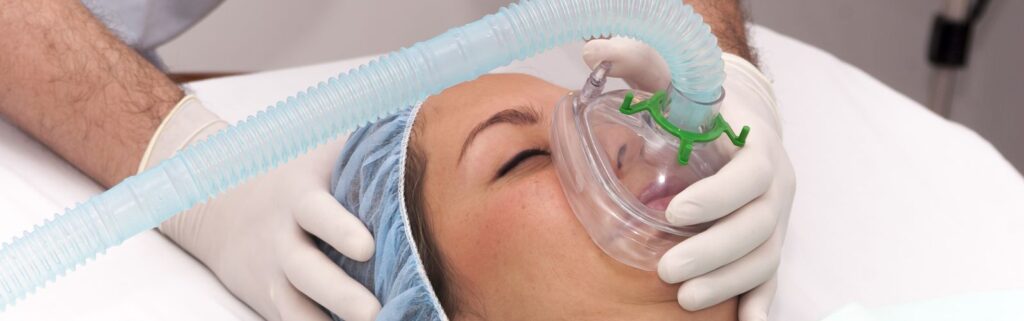
Anaesthetic negligence brain injury claims

Podcast
Video
Neonatal brain injury from hypoglycaemia can my child claim compensation?

Podcast
Video
What is the personal injury discount rate (PIDR)?

Podcast
Video
What medical records do I need for a birth injury claim?

Podcast
Video
Can teenagers and young adults claim compensation for cerebral palsy from birth injury?
Leading birth injury solicitors for over 30 years


Stay informed with insights from Boyes Turner
Sign up to receive the latest legal updates, expert commentary, and practical guidance tailored to your interests.