Traumatic brain injury at birth
When mistakes during pregnancy, labour or delivery cause a traumatic brain injury at birth, you may be entitled to claim compensation.


If your baby’s head was injured by forceps, vacuum or obstructed delivery, or their birth caused swelling or bleeding within their brain, they may have suffered a traumatic birth injury.
During childbirth you rely on your maternity team to deliver your baby safely using correct expertise, skill and care. Mistakes in the midwifery and obstetric management of your pregnancy and labour, or in the planning, monitoring and handling of your baby’s birth can cause serious injury, including lifelong disability from traumatic brain injury.
On this page, you will find the answers to many of the questions that families have about traumatic brain injury at birth: what it is, how it happens and when you should seek help.
Our birth injury solicitors have helped countless families of injured children to understand how their injury occurred and to claim the compensation and support that they need for their child. We can help you answer these questions with advice from trusted, independent medical experts, and secure the compensation and practical support that your baby deserves. If you would like to find out more about making a traumatic birth injury claim, and how that can help your baby and family, or you have been contacted by MNSI or NHS Resolution, contact us to talk, free and confidentially, to one of our experienced birth injury solicitors.
Traumatic brain injury at birth FAQs
What causes traumatic brain injury at birth?
Traumatic brain injury at birth is commonly caused by excessive pressure or force during labour or delivery.
A newborn baby’s skull is made of bones that are soft and flexible, with gaps (cranial sutures) and soft spots (fontanelles) between the plates of bone. This flexible bone structure allows the baby’s head to change shape temporarily whilst under normal pressure during labour and birth. These changes are a normal part of the birth process and usually resolve soon after birth. In time, as the baby’s brain grows to full size, the gaps between the bones of the skull will also close.
Traumatic birth injuries are often the result of the maternity team’s negligent management of an obstructed or prolonged labour, or incorrect response to birth complications which may require swift and skilled use of forceps, ventouse suction, disimpaction and delivery of a stuck baby or other emergency manoeuvres. Minor injuries, such as fluid collections, may resolve without long-term harm, but traumatic injury to the baby’s brain can result in lifelong disability.
What are common types of traumatic brain injury at birth?
Common types of traumatic injury to the baby’s head and brain at birth include:
- Subgaleal haematoma – a collection of blood in the space between the middle layer of the scalp and the membrane covering the skull, caused by injury to the emissary veins. Subgaleal haematoma is often caused by Ventouse (vacuum) delivery and may occur together with other birth injuries, such as skull fracture or cerebral oedema (brain swelling). Subgaleal haematomas involving intracranial haemorrhage (brain bleeding) can lead to severe brain injury from increased intracranial pressure (ICP).
- Cephalohaematoma – a collection of blood (or bruise) that forms in the tissues under the newborn baby’s scalp. It is usually caused by pressure on the baby’s head from a difficult vaginal delivery or from birth assisted by forceps or Ventouse suction. Cephalohaematoma often resolves without treatment but can increase the risk of neonatal jaundice, anaemia and infections. It can also accompany other more dangerous traumatic injuries to the baby’s brain.
- Skull fracture – the softness and flexibility of a baby’s skull makes it resilient to pressure and resistant to fracture during an uncomplicated birth. Skull fractures (broken bones) including depressed (ping-pong) fractures are often caused by excessive pressure being applied to the baby’s head, such as during forceps delivery or disimpaction of an impacted fetal head (IFH). Skull fracture can cause or accompany other types of traumatic birth-related brain injury, such as cephalohaematoma or intracranial haemorrhage (brain bleed).
- Intracranial haemorrhage (brain bleed) – pressure or excessive force to the baby’s head during birth, such as from incorrectly handled forceps delivery, can cause shearing injury to intracranial blood vessels resulting in intracranial haemorrhages (bleeds). These damage the brain by increasing the pressure within the skull (intracranial pressure or ICP) and by reducing the flow of blood and oxygen to the tissues of the brain. Intracranial haemorrhage is a type of stroke.
Epidural haemorrhage, subdural haemorrhage and subarachnoid haemorrhage are types of bleeding within the skull but outside the brain. Intracerebral haemorrhage and intraventricular haemorrhages (IVH) involve bleeding within the brain.
Babies who suffer major traumatic injury to their head and brain as a result of birth injury often also suffer from HIE birth injury, seizures (fits), respiratory (breathing) difficulties needing ventilation, meconium aspiration, and neonatal infection or sepsis.
Who is at risk of traumatic brain injury at birth?
The risk of traumatic brain injury at birth is higher for pregnancies and births where:
- the baby’s position at birth is not cephalic occiput anterior (head down, facing mother’s back, chin tucked in);
- the baby is large for dates, weighs over 4kg, has a large head (macrosomia) or is post-term;
- the baby’s mother has high BMI or diabetes or there is a family history of big babies;
- there is cephalopelvic disproportion between the baby’s head’s size or position and the shape of the mother’s pelvis;
- the baby is premature or has a very low birthweight;
- labour happens much faster than usual;
- labour is prolonged or obstructed (IFH, shoulder dystocia);
- forceps or Ventouse (vacuum) suction is used to reposition or deliver the baby.
Traumatic birth injury which causes brain injury to the baby is often the result of the maternity team’s negligent planning, monitoring or management of the labour and birth. During pregnancy, the baby’s mother should be advised about her risk factors and her birth options, and her risk status and choices should be taken into account in the planning and management of her labour and delivery.
Where risk factors such as slow progress, obstruction from impacted fetal head (IFH), breech presentation or other complications occur during labour or delivery, maternity teams should be able to recognise and respond to them in accordance with local protocols and guidance. They should escalate the mother’s care to a senior obstetrician and act swiftly and correctly to deliver the baby safely.
Can medical negligence at birth cause traumatic brain injury to the baby?
Yes. Mistakes by midwives, obstetricians and maternity teams during antenatal care, labour and birth are a common cause of traumatic brain injury to babies.
Medical negligence claims for HIE brain injury and cerebral palsy caused by traumatic birth injury often involve one or more of the following mistakes:
- failure to assess the mother’s risks of obstructed labour (e.g. big baby, breech presentation, IFH);
- failure to advise the mother about her risks and birth options and agree a plan for safe delivery;
- failure to recognise and respond to signs of failure to progress or obstructed labour;
- excessive use of Syntocinon uterine stimulant during labour;
- failure to escalate complications, obstructed labour or delivery to a senior obstetrician;
- leaving an inexperienced, junior doctor to manage obstructed labour or obstetric emergency;
- incorrect use of emergency manoeuvres or poor delivery technique (breech, shoulder dystocia or IFH);
- excessive force or multiple attempts at forceps or ventouse delivery;
- failure to offer or perform a caesarean section, where indicated;
- failure to follow maternity care protocols and guidelines;
- fetal heart monitoring errors;
- maternity team training and teamwork failures.
Recent claims for traumatic brain injury at birth
Boyes Turner’s birth injury solicitors have recovered substantial compensation settlements for many families of children with cerebral palsy brain injury and neurodevelopmental disability from traumatic birth injury.
Recent cases include:
- £18 million settlement for a baby who suffered forceps scalp wounds at birth and developed HSV infection in the wounds which were left untreated, causing encephalitis brain injury and cerebral palsy;
- settlement providing a £5 million lump sum plus lifelong annual payments of £232,750pa for care, and SEN funding for Treloar’s for a boy who suffered a traumatic birth injury and cerebral palsy;
- liability judgment for a child who suffered severe, traumatic brain injury, skull fractures, bleeding and bruising to the brain as a result of excessive force used by doctors during attempts to rotate the impacted fetal head using forceps and ventouse suction.
If you would like to find out more about whether our experienced birth injury solicitors can help you secure compensation for your child through a traumatic birth injury claim, contact us to talk to a solicitor, free and confidentially.
Contact us
If you would like advice regarding a serious injury or illness affecting you or a loved one, please complete the form and one of our experts will be in touch as soon as possible.
Rather give us a call:
Our birth injury claims

Podcast
Video
CNZ -v- Royal United Hospitals Bath NHS Foundation Trust: $45million settlement for claimant
Podcast
Video
£18.7 million* settlement for teenager with cerebral palsy caused by negligently delayed delivery

Podcast
Video
£11.8 million settlement in birth injury claim for child with cerebral palsy
Podcast
Video
£18.1m settlement for child with severe cerebral palsy, visual and learning disability from maternity negligence

Podcast
Video
£4 million compensation settlement in birth injury claim for an 11-year-old boy with cerebral palsy

Podcast
Video
£12 million settlement for child whose severe dyskinetic cerebral palsy was caused by negligent water birth
Podcast
Video
£13m+ settlement after negligent treatment of neonatal necrotising enterocolitis and hypocarbia cause cerebral palsy
Podcast
Video
£18.4 million settlement after delayed treatment of HSV infection in forceps scalp grazes causes cerebral palsy
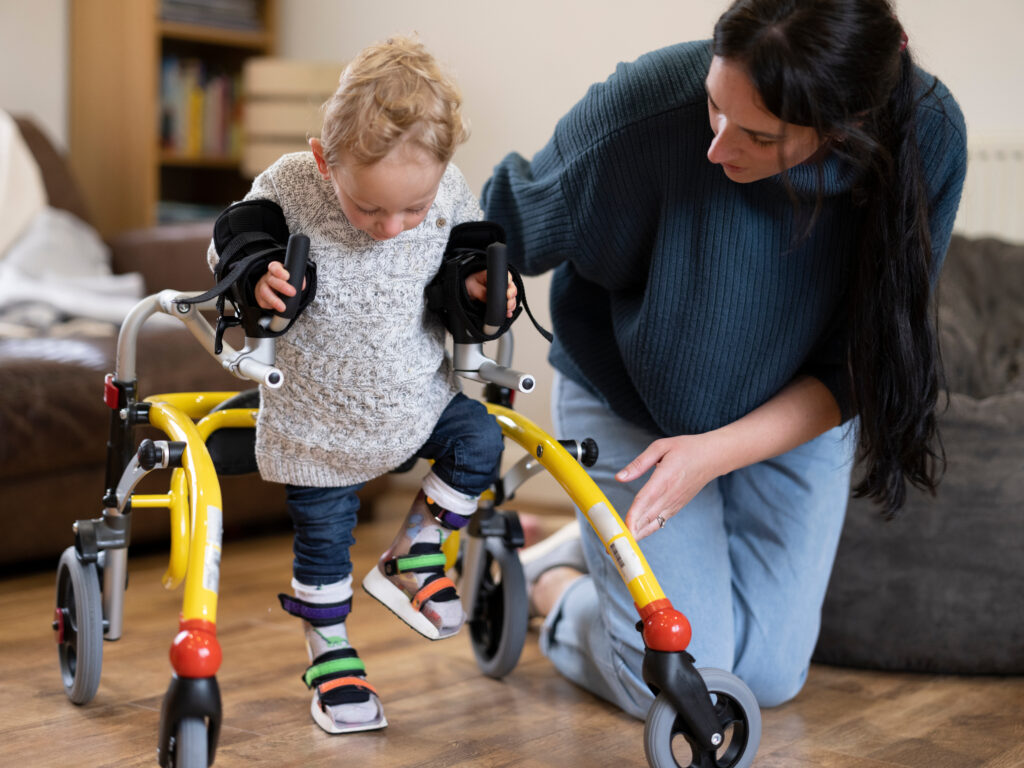
Podcast
Video
£7.4m settlement for child with severe cerebral palsy after hospital sent her mother home in labour
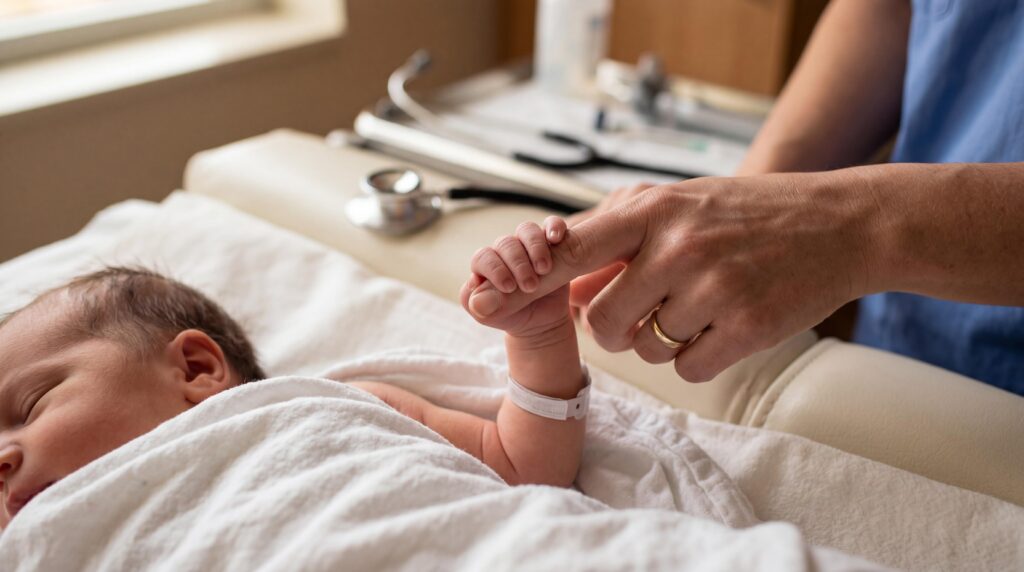
Podcast
Video
£14.6 million settlement for young man with cerebral palsy from uterine hyperstimulation at time of birth
Our medical negligence team












Related birth injury insights

Podcast
Video
What are interim payments?

Podcast
Video
Erb’s palsy disability support from compensation
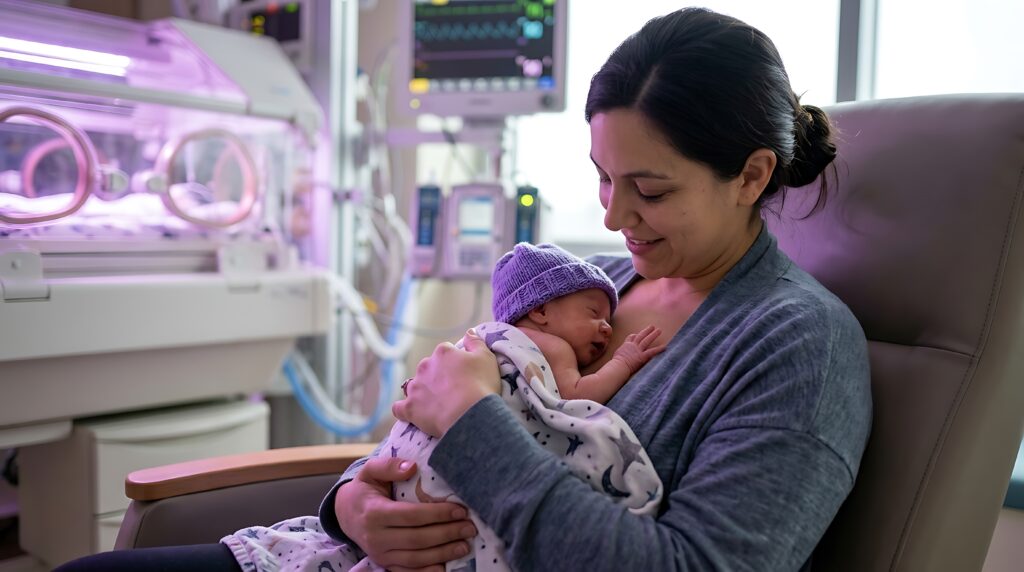
Podcast
Video
Five common reasons why babies are admitted to SCBU, NNU or NICU

Podcast
Video
Blindness and visual impairment in neurological injury claims
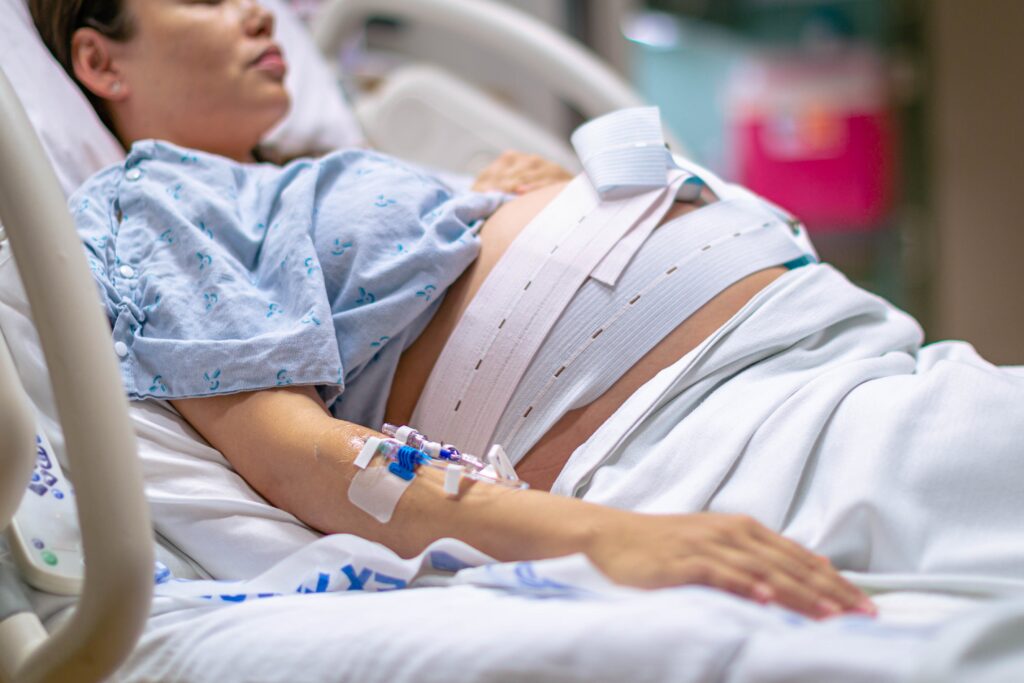
Podcast
Video
Can delayed C sections cause birth injury?
Podcast
Video
Court approval hearings after settlements in injury claims for children

Podcast
Video
Neonatal brain injury from hypoglycaemia can my child claim compensation?

Podcast
Video
Perineal tears and OASI injuries in childbirth can I claim compensation?

Podcast
Video
What happens after liability judgment in a medical negligence claim?

Podcast
Video
Can a birth injury claim provide a better family home for a child with cerebral palsy?
Related birth injury claims
Autism and ADHD
Birth injury
Cerebral palsy
Hypoxic brain injury claims for babies (HIE)
Meconium aspiration syndrome (MAS)
Neonatal brain injury claims
Neonatal hypoglycaemia brain injury claims
Twin pregnancy birth injury claims
Leading brain injury solicitors for over 30 years





Stay informed with insights from Boyes Turner
Sign up to receive the latest legal updates, expert commentary, and practical guidance tailored to your interests.