Hypoxic brain injury claims for babies (HIE)

Expert solicitors for hypoxic brain injury compensation claims.
Cerebral palsy and hypoxic brain injury caused by lack of oxygen to a baby’s brain around the time of birth are our clients’ most common claims from negligent maternity and neonatal care.
Hypoxic brain injury is devastating and can cause permanent, severe, physical and intellectual disability, ranging from learning and behavioural difficulties to complete dependence on others for all daily needs and full-time care.
For over 30 years, Boyes Turner’s hypoxic brain injury specialists have helped children and families affected by hypoxic brain injury obtain life-changing compensation to pay for care, adapted accommodation, therapies, specialist equipment, special educational support and guaranteed provision for the child’s lifelong needs.
- Nationally recognised birth injury specialists with decades of experience
- Access to leading medical experts and rehabilitation professionals
- Proven track record of securing life-changing compensation for families
- Dedicated support from initial enquiry through to settlement
- No upfront costs and claim through a no win no fee agreement
How to start your hypoxic brain injury claim?
If you think that your child may have suffered a brain injury as a result of negligent maternity or neonatal care around the time of their birth, or if you have been contacted by MNSI or NHS Resolution, we strongly recommend that you contact our birth injury solicitors for free, confidential advice straight away. HIE birth injury claims must be handled by claimant specialist solicitors to protect your child’s full entitlement to compensation.
We will ask you to tell us briefly about your child’s birth and their injury, and advise you about whether we can help you begin your claim and any time limits that apply. Your solicitor will discuss with you how your claim will be funded and advise how that works and what it will mean for you. We offer a range of funding options, but most of our clients’ claims are handled on a ‘no win no fee’ basis.
Once we have gathered the necessary evidence for your claim to proceed, we will notify the healthcare provider (usually represented by NHS Resolution) of your claim. We aim to make NHS Resolution accept full responsibility for your child’s injury as quickly as possible, so that we can obtain interim payments to help your family move to more suitable accommodation or adapt your home, and pay for the care, therapies and educational support that your child needs.
If the healthcare provider or their legal representatives at NHS Resolution deny liability, we will advise you about the best way to proceed with your claim. This may involve issuing court proceedings or inviting NHS Resolution to enter into settlement negotiations or mediation.
No win, no fee
No hidden or upfront costs. Clear, straightforward advice. Nothing to pay unless your claim is successful.
Over 30 years’ experience
We have helped thousands of clients claim compensation.
Fully regulated
Authorised and regulated by the Solicitors Regulation Authority.
Hypoxic brain injury claims for babies FAQs
What is HIE?
HIE (each letter is pronounced separately as H.I.E) is a commonly used abbreviation for hypoxic ischaemic encephalopathy. Hypoxia means lack of oxygen. Ischaemia means lack of blood supply to an area of the body. Encephalopathy means disease or damage affecting the brain.
Newborn babies who are diagnosed with HIE have suffered an injury to their brain from a disruption to their blood oxygen supply during pregnancy, labour and delivery or immediately after birth. This can lead to cerebral palsy and neurodevelopmental disability.
Other medical terms, such as asphyxia or anoxia, are also used to describe brain injuries at birth from lack of oxygen.
What are common early signs of hypoxic brain injury?
Newborn babies who have suffered an HIE birth injury may show any of the following signs in the first few hours or days of life:
- low APGAR scores;
- blue or pale skin colour;
- low heart rate;
- breathing (respiration) difficulties or grunting;
- fits (convulsions or seizures);
- problems with feeding;
- hypotonia (floppiness, reduced muscle tone);
- organ failure;
- abnormal response to light;
- abnormal level of consciousness;
- altered brain electrical activity.
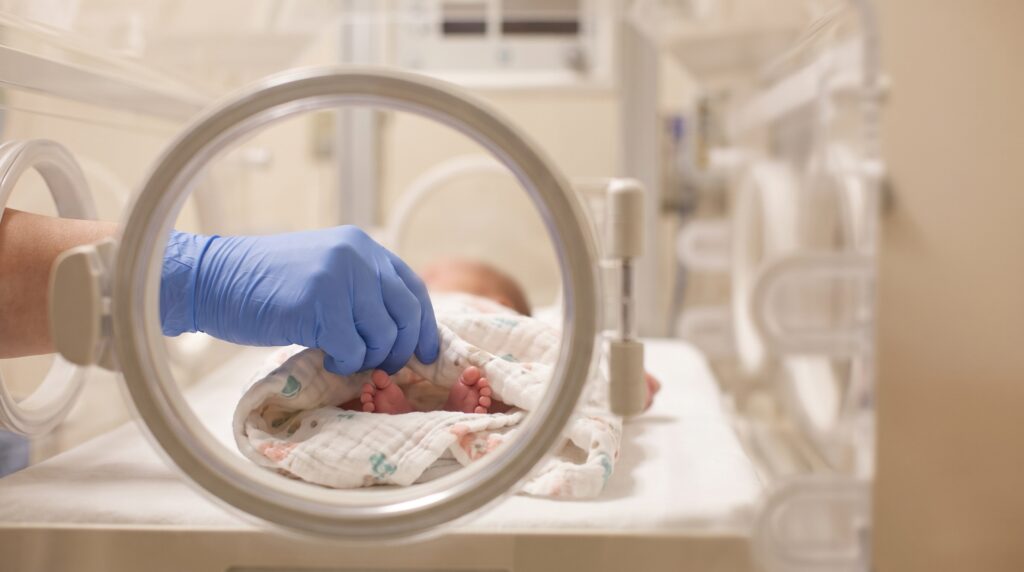
Babies who have HIE often need help with breathing and may need resuscitation and ventilation immediately after birth. They require specialist neonatal care and may be transferred to the neonatal unit (SCBU, NNU or NICU).
Babies with moderate or severe HIE birth injury will usually be treated with cooling (also known as therapeutic hypothermia).
What is cooling?
Cooling or therapeutic hypothermia is a standard treatment for babies who have suffered moderate or severe HIE birth injury (hypoxic ischaemic encephalopathy).
During cooling, the temperature of the baby’s brain is lowered from normal body temperature of 37°C to between 33,5°C and 34.5°C. The cooling treatment must start no later than six hours after birth and continue for a period of 72 hours.
Cooling reduces brain swelling, intracranial pressure, brain cell metabolism and the damaging compounds that are released by the brain cells after a hypoxic event, and helps brain cells to heal. If correctly administered, cooling has been found to slow down the rate of damage that is caused to the brain from hypoxia (lack of oxygen) and can significantly reduce the injured baby’s physical disability.
Whilst timely treatment with cooling can reduce the more obvious physical disability from hypoxic brain injury at birth, it does not always provide a total cure for HIE brain injury. Cooled babies are sometimes left with ongoing subtle, neurological impairments from their HIE injury, such as behavioural and learning difficulties, which only become evident in older childhood and teenage years. In these cases, the child and young adult may need significant care and support, both at school and as they transition into work and independent life.
What tests are used to diagnose hypoxic birth injury?
The following tests are often used during the diagnosis of hypoxic brain injury or HIE:
Umbilical cord blood gas tests
As soon as a baby is born the midwives test samples of blood which they take from the blood vessels in the umbilical cord. The umbilical cord has one vein and two arteries. The vein takes food and oxygen from the mother (via the placenta) to the baby. The two arteries take the waste (including carbon dioxide, lactic acid) from the baby back to the placenta/mother. When a baby has been starved of oxygen in labour, the blood sample from the umbilical artery contains an abnormally high level of acid. Newborn babies with signs of recent hypoxia at birth are sometimes described as ‘acidotic’.
Umbilical cord blood gas results are often helpful in proving perinatal hypoxia in HIE birth injury claims.
APGAR scores
Midwives use APGAR scores to check the newborn baby’s condition by rating their Appearance, Pulse, Grimace, Activity and Respiration, at one minute, five minutes and ten minutes of age. Each sign is given a score between zero and two, and the combined total score (out of ten) gives a general impression of the newborn baby’s health.
The APGAR score is less reliable than the umbilical cord blood test because it depends on the midwife’s observation of the baby. However, if a baby has low APGAR scores at five and ten minutes of life, this may indicate that they suffered from hypoxia around the time of birth.
MRI brain scan
Where there is concern that a baby has suffered an injury to their brain, an MRI scan can identify which areas of the brain have been damaged. MRI brain scans are used to diagnose other conditions affecting the brain as well as HIE. The cause of the injury and its timing and severity can often be identified by the pattern of injury on the MRI scan of the baby’s brain.
What medical and midwife mistakes lead to hypoxic brain injury at birth claims?
Negligent mistakes by midwives and obstetricians (childbirth doctors) during pregnancy and birth which can lead to HIE brain injury claims include:
- incorrect risk assessment of a pregnant woman;
- fetal monitoring errors;
- failing to call a doctor to review the mother following abnormal signs in labour;
- failing to recognise signs of abruption, uterine rupture, or hyperstimulation in labour;
- incorrect use of syntocinon/oxytocin in labour;
- poor delivery technique (shoulder dystocia, impacted fetal head, breech birth, twins);
- delayed delivery by forceps, ventouse suction or caesarean section.
Mistakes by midwives, neonatologists, paediatricians, and anaesthetists which can cause HIE after the birth of the baby and lead to hypoxic brain injury claims include:
- intubation, resuscitation, or ventilation errors;
- failing to clear meconium from the baby’s airway;
- failing to keep the baby’s airway clear during neonatal skin-to-skin contact;
- cooling errors.
What type of injuries lead to hypoxic brain injury at birth compensation claims?
HIE brain injuries are complex and can lead to a range of neurological impairments and disabilities. The full extent of each child’s disability and its impact on their future life may only become fully apparent as they grow and develop over time. In each case, we work with the family and a team of trusted experts to ensure that we understand the full extent of our client’s injury and disability. This allows us confidently to secure compensation settlements which will meet the child’s needs arising from their disability for the rest of their life.
Our clients with HIE birth injury often have one or more of the following types of disability:
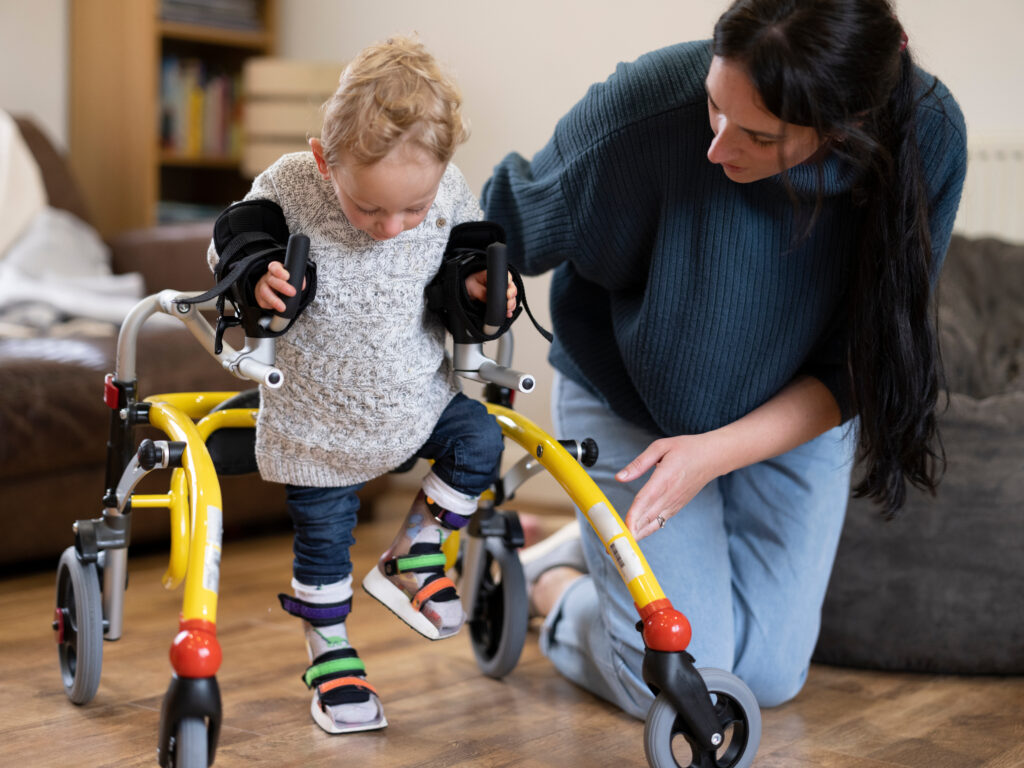
- cerebral palsy or other severe neurological disability caused by brain injury;
- difficulties with mobility and muscle movement or control;
- problems with sitting and posture;
- feeding and swallowing difficulties;
- impaired speech, language, and communication;
- blindness, deafness or sensory impairment;
- epilepsy;
- learning disability and special educational needs (SEN);
- behavioural problems;
- autism/ASD or ADHD.
What compensation can I claim for my child’s HIE brain injury at birth?
Compensation claims for HIE birth injury are among the highest settlements that we achieve for our clients. This is because the compensation reflects not only the injury, but the lifelong cost of meeting the additional needs that arise from our client’s disability.
Following HIE birth injury, our clients’ settlements often include compensation for:
- pain, suffering and disability;
- costs of care (professional or provided by family);
- case management;
- therapies, such as:
- physiotherapy;
- occupational therapy (OT);
- speech and language therapy (SALT);
- hydrotherapy;
- specialist aids, equipment and assistive technology;
- adapted vehicles, wheelchairs and additional transport costs;
- increased costs of accommodation or home adaptations;
- support with special educational needs (SEN);
- loss of earnings and pension;
- medical costs;
- Court of Protection deputyship costs;
- other expenses arising directly from the child’s disability.
Why have MNSI contacted me after my baby’s HIE brain injury at birth?
All NHS maternity services must report to the Maternity and Newborn Safety Investigations (MNSI) programme when a newborn baby is diagnosed with moderate or severe HIE or needs cooling.
The healthcare team must tell the baby’s family that they have reported their baby’s HIE birth injury to MNSI, and ask for their consent before sharing the family’s contact details with MNSI.
MNSI must ask for the family’s consent before accessing the mother and baby’s medical records so that they can investigate the maternity and neonatal care that the mother and baby received. Families do not have to give their consent, but if they do, and an investigation takes place, MNSI will share their findings with the baby’s parents, the hospital, and with the NHS’ claims defence team at NHS Resolution.
Why have NHS Resolution contacted me after my baby’s HIE birth injury?
NHS Resolution are the NHS’ legal claims defence team. Their purpose is to reduce the number of medical negligence claims that are made against the NHS, and to minimise the compensation that is paid to injured patients. After birth injury, they do this in a number of ways, often starting with getting ahead of the claim in order to prepare their defence, and influencing the parents of injured children before they have obtained their own legal advice from an independent claimant specialist birth injury solicitor.
NHS Resolution receive notification from NHS maternity services and MNSI of every HIE birth injury which could result in a negligent birth injury, neonatal brain injury or maternal death claim. NHS Resolution then contact the family via their Early Notification (EN) scheme giving the impression that they can determine and advise them about their child’s eligibility for compensation, During their discussions with the (unrepresented) family they gather information which is actively used to prepare their defence to any later claim.
Data relating to the Early Notification scheme shows that, in the vast majority of cases so far, NHS Resolution has ultimately denied full liability and the only families who have received compensation under the scheme are those who were represented by their own, independent solicitor. Evidence also suggests that in the very rare cases where NHS Resolution have made interim payments to families, these payments fall far short of the compensation that the child would receive if they were represented by our specialist solicitors in a birth injury negligence claim.
Our HIE birth injury specialists have extensive experience of handling cerebral palsy, birth injury and neonatal brain injury claims for injured children against NHS Resolution. Most of the high value compensation cases that we win for our clients began with NHS Resolution denying that negligent NHS maternity care was responsible for the child’s injury, and would not have succeeded if our clients had accepted NHS Resolution’s assessment of their claim.
If you have been contacted by NHS Resolution, we strongly recommend that you contact our HIE birth injury specialists for independent legal advice and support. Your call will be handled, free of charge and confidentially, by an experienced birth injury solicitor.
Making a HIE brain injury claim
We understand how daunting it can feel to take the first step. Our specialist hypoxic brain injury solicitors are here to guide you through every stage.

Getting in touch
Call us or complete our online enquiry form to receive free, confidential advice from a specialist hypoxic brain injury solicitor. We will listen carefully to your concerns, explain your legal options in clear, straightforward language, and advise whether we can help investigate whether your baby’s hypoxic brain injury could have been prevented.

The brain injury claim
Our specialist solicitors will obtain and review your baby’s and mother’s medical records, instruct leading independent medical experts, and investigate whether your baby received appropriate care before, during and immediately after birth. Where negligence is identified, we will build a strong case on your behalf and, where appropriate, seek an interim payment to help fund your child’s immediate care and rehabilitation needs.
Securing compensation
We will support you and your family with compassionate, expert guidance throughout the claims process. Our aim is to secure the maximum compensation as quickly as possible to help provide for your child’s lifelong care, rehabilitation, specialist therapies, adapted accommodation, equipment and any other support they may need as a result of their hypoxic brain injury.
Contact us
If you would like advice regarding a serious injury or illness affecting you or a loved one, please complete the form and one of our experts will be in touch as soon as possible.
Rather give us a call:
Our hypoxic brain injury claims

Podcast
Video
CNZ -v- Royal United Hospitals Bath NHS Foundation Trust: $45million settlement for claimant
Podcast
Video
£18.7 million* settlement for teenager with cerebral palsy caused by negligently delayed delivery

Podcast
Video
£11.8 million settlement in birth injury claim for child with cerebral palsy
Podcast
Video
£18.1m settlement for child with severe cerebral palsy, visual and learning disability from maternity negligence
Podcast
Video
£4 million compensation settlement in birth injury claim for an 11-year-old boy with cerebral palsy

Podcast
Video
£12 million settlement for child whose severe dyskinetic cerebral palsy was caused by negligent water birth
Podcast
Video
£13m+ settlement after negligent treatment of neonatal necrotising enterocolitis and hypocarbia cause cerebral palsy
Podcast
Video
£18.4 million settlement after delayed treatment of HSV infection in forceps scalp grazes causes cerebral palsy
Podcast
Video
£7.4m settlement for child with severe cerebral palsy after hospital sent her mother home in labour
Podcast
Video
£14.6 million settlement for young man with cerebral palsy from uterine hyperstimulation at time of birth
Podcast
Video
£3.6 million settlement after delayed diagnosis of neonatal meningitis causes cerebral palsy
Podcast
Video
£5 million lump sum, lifelong annual payments of £232,750pa for care and Treloar’s SEN funding for boy with cerebral palsy
Podcast
Video
£16 million settlement for teenager with cerebral palsy from hypoxic brain injury during delayed delivery

Podcast
Video
£19 million settlement for girl with dyskinetic cerebral palsy caused by negligent midwifery and obstetric care during labour
Our medical negligence team







What our clients say
We cannot thank Susan and her team at Boyes Turner enough

What our clients say
We would all highly recommend them
Our clients receive the highest standards of advice and representation and are always treated with compassion, outstanding care and understanding of the physical, emotional, psychological and financial impact that life-changing injury can have upon their lives.
- We are nationally acclaimed for our claimant medical negligence expertise and the outstanding results we achieve for our clients.
- We are ranked as leading clinical negligence experts in the Chambers Directory and Legal 500 guides to the legal profession and are accredited for our specialist expertise by the Law Society, AvMA, and the Association of Personal Injury Lawyers (APIL).
- Our integrated multidisciplinary team offers our clients a full range of specialist help with compensation, rehabilitation, SEN, deputyship, personal injury trusts and community care.
- We secure maximum compensation in claims for adults and children who have suffered catastrophic injury and severe disability, and provide practical support for their families.
Related HIE brain injury insights
Podcast
Video
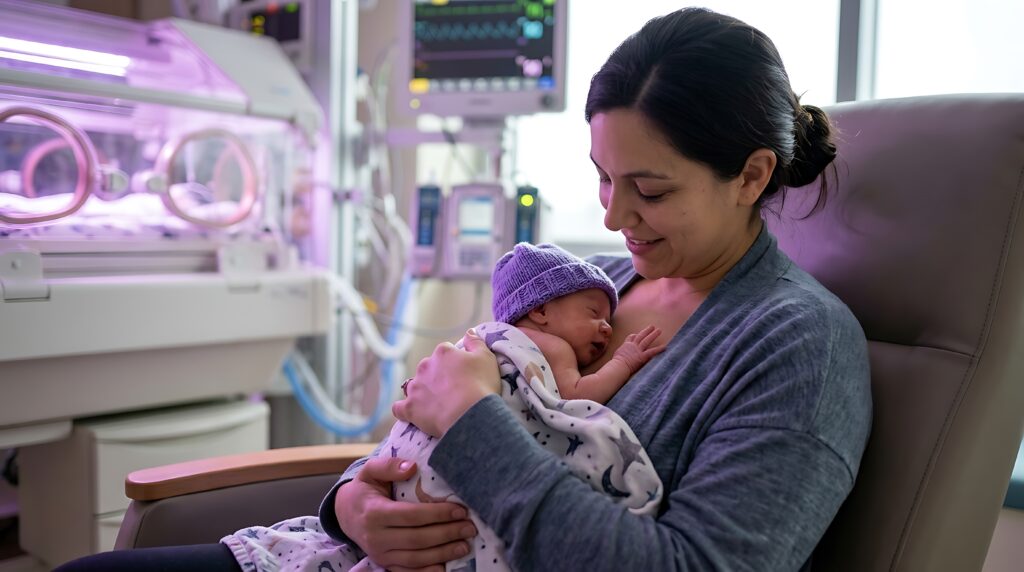
Five common reasons why babies are admitted to SCBU, NNU or NICU

Podcast
Video
What happens after liability judgment in a medical negligence claim?
Podcast
Video
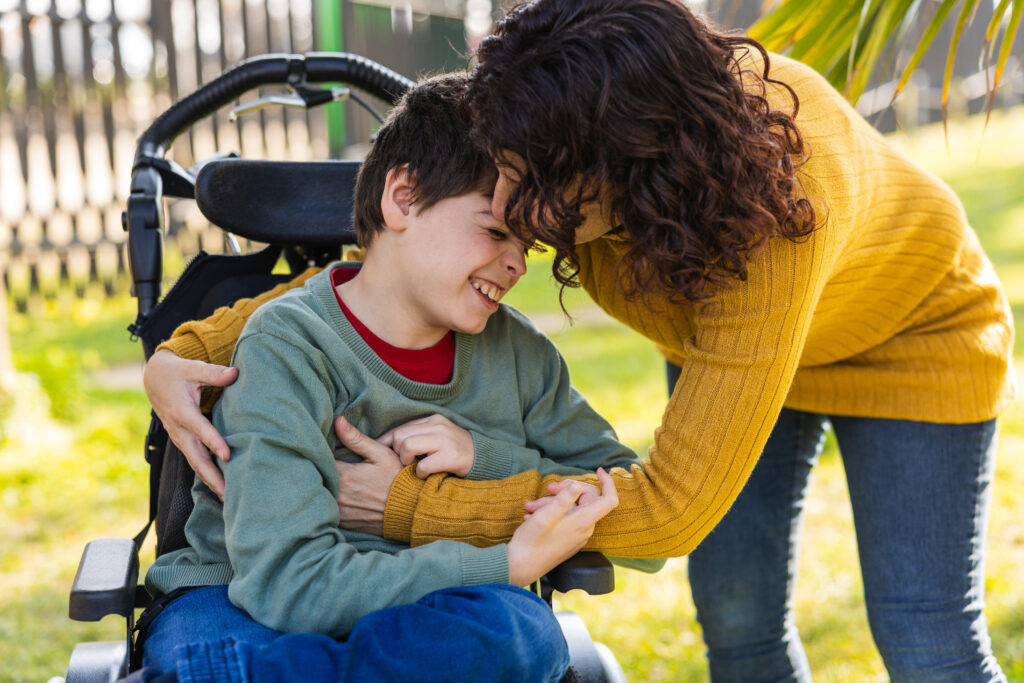
Can a birth injury claim provide a better family home for a child with cerebral palsy?
Podcast
Video
Breech birth injury claims – what are the RCOG guidelines?
Podcast
Video
Traumatic injury from impacted fetal head (IFH) during caesarean birth in the second stage of labour

Podcast
Video
What are the risks of vaginal birth after caesarean section (VBAC)?
Podcast
Video
What is hypoxic ischaemic encephalopathy (HIE) and what does it mean for my child?
Podcast
Video
Cooling for newborn babies with HIE brain injury

Podcast
Video
Compensation for a disabled child

Podcast
Video
What are periodical payment orders (PPO) in medical negligence claims?
Related HIE brain injury claims
Cooling for babies with HIE birth injury
Neonatal brain injury claims
Neonatal hypoglycaemia brain injury claims
Twin pregnancy birth injury claims
Meconium aspiration syndrome (MAS)
Cerebral palsy
Autism and ADHD
Birth injury
Leading medical negligence solicitors for over 30 years


Get help today
- Free & no obligation initial advice
- Speak directly to a solicitor
- No upfront costs & no win no fee