Make a medical negligence claim


It takes experience and skill to successfully prove that medical negligence has caused a patient’s injuries, and to secure the highest levels of compensation.
We are experts in claims of maximum severity leading to permanent disability. We understand the medical issues, the cause and devastating effects of our clients’ injuries, and how to secure compensation in a way which meets our clients’ lifelong needs.
We give clear, realistic advice whilst working hard to achieve the best outcome for each individual. We believe our clients deserve nothing less.
How do I know if I have a claim?
If you have suffered a serious injury which you believe was caused by medical mistakes, our experienced medical negligence lawyers have the expertise to advise you whether you are likely to succeed in making a claim for compensation.
The law says that a doctor, midwife, nurse or other healthcare practitioner is negligent if they act in a way that falls below any acceptable standard of care. The patient is entitled to compensation for any injury that was caused by negligent medical care. They are also entitled to compensation for the financial consequences of that injury.
The law says that compensation for medical negligence should put the injured person back in the position that they would have been in if the negligence hadn’t happened, in so far as money can. Each claimant’s compensation is calculated in accordance with mandatory rules based on their individual circumstances. The differences in our clients’ injuries, pre-injury lifestyles and post-injury needs means that no two claims are the same.
As specialists in maximum severity claims for clients with brain injury, cerebral palsy and neurological disability, we recognise that our clients have additional needs arising from their vulnerability. Our solicitors and support staff aim to provide a professional and caring service throughout each client’s claim and post-settlement relationship with our Court of Protection deputyship team. Throughout the claim, we work closely with the parents of our disabled child clients, litigation friends, appointed case managers and our in-house deputies to ensure that the vulnerable client is properly supported. Anonymity orders and ongoing deputyship provide further protection after the conclusion of the claim.

No win, no fee
No hidden or upfront costs. Clear, straightforward advice. Nothing to pay unless your claim is successful.
Over 30 years’ experience
We have helped thousands of clients claim compensation.
Fully regulated
Authorised and regulated by the Solicitors Regulation Authority.
Making a medical negligence claim FAQs
What evidence is needed to prove a medical negligence claim for compensation?
If the NHS (or private healthcare provider) denies liability (fault), we must prove that their negligent care caused our client’s injury. In some very complex cases, it may be enough to prove that the negligent care made a material (significant) contribution to the injury.
We work with medical experts who report on any negligent care and the injury that it caused to our client.
The medical experts must examine the evidence and reach their conclusions in a way that meets professional standards set by the court. They will often consider the following evidence before producing their reports:
- the patient’s medical records, especially those written at the time of the treatment;
- statements from our client and any other witnesses, including the defendant’s medical staff;
- investigation reports from Healthcare Safety Investigation Branch (HSIB), the NHS trust or GP practise;
- evidence from the coroner’s inquest or pathologist;
- relevant guidelines by NICE, professional organisations such as RCOG, or the defendant NHS trust;
- research studies published in reputable, medical professional journals, such as the BMJ;
- their own clinical experience as a doctor or professional in the relevant area of medicine.
What are the time limits for making a medical negligence claim?
The time limit for making a medical negligence claim is known as the limitation deadline. It is a strict deadline set by law. If the deadline is missed, the claimant may lose their right to make a claim.
Most adults have three years from the date of the negligence to start their claim.
Different rules apply for children or those with impaired mental capacity. Children may start their claim any time before they reach the age of 21. No time limit applies when the person has impaired mental capacity, e.g. from a serious brain injury.
In exceptional circumstances, the court may allow a case to proceed, even if the limitation period has expired.
We recommend that if you are considering bringing a claim now or in the future for your own, your deceased family member or your child’s injuries, you contact us as soon as you can after the injury has taken place. By doing so:
- we can advise you about deadlines, to avoid problems later;
- we can help you collect and preserve essential evidence;
- we can ensure that you have the best chance of recovering your full entitlement to compensation.
How long do medical negligence claims take?
The duration of a medical negligence claim depends on the individual circumstances of the client’s case. Claims take less time to conclude where:
liability (fault) is admitted by the defendant (NHS hospital or doctor);
- the claimant’s injuries have stabilised and their long-term outcome can be predicted;
- the injured person’s needs, the costs of meeting those needs, and other financial losses are straightforward and easy to assess.
Claims take longer to resolve when:
- the defendant disputes that they were negligent or that their negligent care caused our client’s injury;
- where a young child’s disability and needs are likely to change with their growth and development;
- where the complex nature of the injury requires the input of multiple experts in different disciplines.
An initial full or partial denial of liability by NHS Resolution or other medical defence organisation does not necessarily mean that the injured person’s claim will fail. In more than half of our successful cases, we overcome initial denials of liability by the defendant, resulting in settlements for our clients.
We work hard to secure early admissions of liability. Once liability is admitted we secure substantial interim payments for our clients, to ease their financial hardship and provide essential care, respite, specialist equipment, therapies and home adaptations long before the claim has settled. With liability judgments secured and interim funds in place, the individual and their family are able to focus on rebuilding their lives, whilst we work towards settlement of the claim.
Will I need to go to court in a medical negligence claim?
Over 95% of the cases that we take on settle successfully without the need for a trial. Whilst we cannot guarantee that any particular claim will settle out of court, our experienced medical negligence lawyers take great care in investigating and carefully preparing each claim that we take on.
In rare circumstances, we may advise our client that for the case to proceed it must go to a court hearing. Our experienced and caring solicitors and barristers understand that this can be daunting for our clients and ensure that our clients are kept informed and feel supported.
What compensation can I get for injuries caused by medical negligence?
In a medical negligence claim, the amount of compensation depends on:
- the injury or disability that was caused by negligent care, and its severity;
- the cost of meeting the individual’s needs arising from that disability in the past, present and future, e.g. for care, home adaptations, therapies and equipment;
- the financial losses that were caused by the injury, such as loss of earnings;
- how long it is expected that the person will have the need or suffer the loss.
Our clients often benefit from different types of compensation, including:
- Interim payments – advance part payments of compensation, obtained as soon as possible after liability is established, to ease financial hardship and meet urgent needs, such as therapies, home adaptations and care.
- Lump sum payments – most final settlements include a lump sum payment, either as the full compensation payment or to cover capital costs when combined with a PPO.
- PPO – periodical payment orders (PPOs) provide severely disabled claimants who have lifelong needs for care with the guarantee of lifelong, index-linked, tax free annual payments. PPOs can also be paid to cover other ongoing costs, such as case management or special educational placements.
Our serious injury specialists skillfully negotiate and carefully structure each client’s settlement to meet their lifelong needs whilst providing peace of mind and financial security.
How do I fund a medical negligence claim?
Our clinical negligence team take great care to advise each client fully on the best way to fund their claim. Common funding methods for clinical negligence cases include:
Legal Aid – for birth and neonatal brain injury claims
We have access to Legal Aid funding for eligible clients whose severe neurological disability was caused by negligence within the first few weeks of life.
- No win no fee – conditional fee agreement (CFA)
In cases where Legal Aid is not available, or we do not recommend it, we handle our client’s claim on a no-win-no-fee conditional fee agreement (CFA) basis. This means that our client pays no legal fees until we have achieved a successful conclusion of their claim.
- Legal Expense Insurance
Where our client had legal expense insurance at the time that they were injured by medical negligence, their legal expense insurer may help with funding their claim. If you are thinking about making a claim, you should let us know immediately if you have legal expense insurance.
Contact us
If you would like advice regarding a serious injury or illness affecting you or a loved one, please complete the form and one of our experts will be in touch as soon as possible.
Rather give us a call:
Our medical negligence claims
Podcast
Video
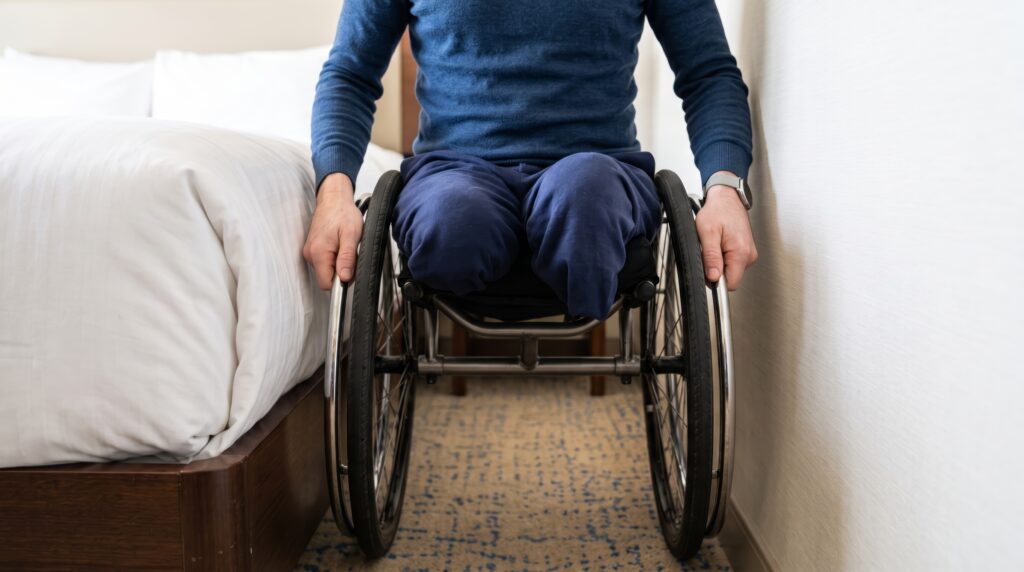
£500,000 settlement for amputee after GP negligence delays treatment for popliteal aneurysms and critical limb ischaemia

Podcast
Video
£17.8m* settlement for child with cerebral palsy birth injury and neurodevelopmental disability after mother was refused a caesarean section

Podcast
Video
£1.75 million settlement for cauda equina syndrome (CES) after negligent safety netting and treatment delays

Podcast
Video
CNZ -v- Royal United Hospitals Bath NHS Foundation Trust: $45million settlement for claimant

Podcast
Video
Liability judgment for young man with neurological disability from delayed treatment of infant sepsis and meningitis
Podcast
Video
£18.7 million* settlement for teenager with cerebral palsy caused by negligently delayed delivery

Podcast
Video
£11.8 million settlement in birth injury claim for child with cerebral palsy

Podcast
Video
£18.1m settlement for child with severe cerebral palsy, visual and learning disability from maternity negligence

Podcast
Video
£1.4 million settlement for family of 30-year-old man who died after negligent liver tumour treatment

Podcast
Video
£4 million compensation settlement in birth injury claim for an 11-year-old boy with cerebral palsy

Podcast
Video
£12 million settlement for child whose severe dyskinetic cerebral palsy was caused by negligent water birth

Podcast
Video
£1.6 million settlement for multiple amputee after negligent hospital treatment of sepsis

Podcast
Video
£200,000 settlement for bereaved family after negligent sepsis treatment leads to young woman’s death

Podcast
Video
£2.5 million settlement for family after mother dies from untreated pneumonia and sepsis
Our medical negligence team











What our clients say
Won medical negligence

What our clients say
Worked assiduously and painstakingly
What our clients say
You have given fantastic support and guidance
What our clients say
Very helpful and diligent
What our clients say
Very kind and considerate
What our clients say
Very Professional
What our clients say
We cannot praise and thank the team enough
What our clients say
We cannot thank Susan and her team at Boyes Turner enough
What our clients say
We had full confidence
What our clients say
We would all highly recommend them
Our clients receive the highest standards of advice and representation and are always treated with compassion, outstanding care and understanding of the physical, emotional, psychological and financial impact that life-changing injury can have upon their lives.
- We are nationally acclaimed for our claimant medical negligence expertise and the outstanding results we achieve for our clients.
- We are ranked as leading clinical negligence experts in the Chambers Directory and Legal 500 guides to the legal profession and are accredited for our specialist expertise by the Law Society, AvMA, and the Association of Personal Injury Lawyers (APIL).
- Our integrated multidisciplinary team offers our clients a full range of specialist help with compensation, rehabilitation, SEN, deputyship, personal injury trusts and community care.
- We secure maximum compensation in claims for adults and children who have suffered catastrophic injury and severe disability, and provide practical support for their families.
Medical negligence insights

Podcast
Video
Gynaecological cancer in Wales: Concerns over delayed diagnosis and treatment

Podcast
Video
Uterine rupture during VBAC

Podcast
Video
What is cerebral palsy?

Podcast
Video
International compensation claims for birth injury and neonatal brain injury

Podcast
Video
Neonatal meningitis claims

Podcast
Video
Meningitis B: Why vaccination matters

Podcast
Video
Maternity safety: Why are maternal deaths at a 20-year high?
Podcast
Video
How do medical experts determine if cerebral palsy was caused by medical negligence?

Podcast
Video
Closing the gender health gap: Understanding the women’s healthcare strategy for England

Podcast
Video
Managing compensation in cerebral palsy claims
Leading medical negligence solicitors for over 30 years


Get help today
- Free & no obligation initial advice
- Speak directly to a solicitor
- No upfront costs & no win no fee