Spinal cord injury (SCI) compensation claims
Our medical negligence solicitors secure life-changing compensation settlements and early provision for care, therapies, adapted accommodation and specialist equipment, for patients with spinal cord injury (SCI).


Securing compensation to help people with spinal cord injuries rebuild their lives with confidence.

Spinal cord injury (SCI) causes lifelong disability which can affect the individual’s ability to breathe, walk or work, to live independently, look after their own needs, or to communicate with others and control their environment.
Where medical or surgical mistakes or delays cause permanent disability or significantly worsen an existing injury, the patient may be entitled to claim substantial spinal cord injury compensation.
For spinal injury claims caused by other types of negligence, such as road traffic accidents or accidents at work, please contact our serious personal injury claims specialists.
- Nationally recognised medical negligence specialists with decades of experience
- Access to leading medical experts and rehabilitation professionals
- Proven track record of securing life-changing compensation for families
- Dedicated support from initial enquiry through to settlement
- No upfront costs and claim through a no win no fee agreement
Starting your spinal cord injury (SCI) claim
For more than 30 years, Boyes Turner’s medical negligence solicitors have guided injured patients through the claims process to secure the compensation and specialist support that they need to manage their disability and rebuild their lives.
You can contact us for free, confidential advice from a medical negligence solicitor. We will ask you to tell us briefly about your spinal injury and your medical care, and advise you about your time limits and whether we can help you investigate your claim. Once our investigations confirm you have grounds for a claim, we will notify the defendant healthcare provider (usually represented by NHS Resolution) on your behalf and invite them to respond, giving them an opportunity to admit liability (responsibility for your injuries) before court proceedings are issued.
If liability is admitted, we will obtain a judgment from the court and apply for a substantial interim payment to meet your needs arising from your injury and disability. If NHS Resolution deny liability, we will advise you about the best way to proceed with your claim. This may involve issuing court proceedings or inviting NHS Resolution to enter into settlement negotiations or mediation.

No win, no fee
No hidden or upfront costs. Clear, straightforward advice. Nothing to pay unless your claim is successful.
Over 30 years’ experience
We have helped thousands of clients claim compensation.
Fully regulated
Authorised and regulated by the Solicitors Regulation Authority.
Spinal cord injury FAQs
What is spinal cord injury (SCI)?
The spinal cord is a long, fragile, bundle of nerves that run from the brain stem to the base of the spine, allowing communication between the brain and the muscles, organs and functions of the body. When the spinal cord is injured, this affects the flow of information from the brain to the other areas of the body. Severe SCI, in which the spinal cord is broken, severed (cut) or damaged, causes a permanent loss of communication between the brain and the parts of the body beneath the level of the break or injury.
Spinal cord injury is always serious. It leads to permanent sensory impairment, loss of function and disability. The higher the level of injury on the spine, the worse the injured person’s disability and overall outcome. From the first signs of injury to the neck, back or spine, or the first symptoms of pain, numbness or altered bladder control, the patient’s future ability to function depends on prompt diagnosis and swift action to protect the spinal cord.
Spinal cord injury medical negligence claims are complex and must be handled by specialist solicitors with experience in recovering compensation for permanent, life-changing, severe disability to ensure that the injured person receives their full entitlement to compensation.
What medical mistakes lead to a spinal injury compensation claim?
Medical negligence claims for spinal cord injury can arise from mistakes at every stage of a patient’s treatment. A surgeon’s mistake may cause a spinal injury. A GP may negligently fail to recognise an SCI or CES injury, and delays in referral to hospital or neurosurgical treatment may lead to permanent disability. Mistakes by ambulance, emergency, radiology or nursing staff can all make an existing injury significantly worse. In some cases, it is the failure to obtain informed consent for a procedure by advising the patient of a risk which later gives rise to a claim.
Mistakes which often lead to spinal cord injury medical negligence claims include:
- lack of informed consent about the risks and benefits of surgical treatment;
- failing to recognise and act on red flag signs of cauda equina syndrome (CES);
- delayed diagnosis and treatment of spinal cord impingement from:
- spinal tumours;
- abscesses;
- haematoma (bleeding/clots);
- ischaemia;
- prolapsed (slipped) disc;
- delayed diagnosis and treatment of infection;
- delayed referral for MRI scans or specialist (neurosurgical) review;
- delays in carrying out urgent treatment, such as surgical decompression;
- surgical errors in technique, positioning and monitoring during surgery;
- misinterpretation of X-rays or scans;
- negligent manipulation during chiropractic, physiotherapy or osteopathy treatment;
- negligent handling, mobilisation, positioning and moving of a patient with SCI;
- incorrect administration of anaesthesia, such as epidural;
- negligent injection of medication/dye into the spinal cord.
What injuries can lead to a medical negligence spinal cord injury (SCI) claim?
The level of permanent spinal injury disability that someone suffers as a result of medical negligence depends on:
- how high up the spine the injury occurred;
- whether the spinal cord was compressed (squeezed) or completely severed;
- how quickly the spinal cord compression injury was diagnosed and treated;
- how quickly surgery took place to decompress or stabilise the spine;
- the patient’s treatment (positioning, immobilisation and transportation to hospital).
Spinal cord injury claims for compensation often involve a combination of the following types of disability:
- paralysis (loss of control and sensation):
- tetraplegia or quadriplegia – paralysis in all four limbs and torso;
- paraplegia – paralysis of the lower half of the body;
- cauda equina syndrome (CES);
- breathing difficulties;
- impaired motor control (movement of muscles) and mobility (ability to walk, run);
- loss of sensation, altered sensation, numbness;
- weakness in arms and legs;
- peroneal nerve injury (foot drop);
- chronic pain and muscle spasms;
- problems with bowel, bladder and urinary function;
- sexual and reproductive difficulties;
- spinal fractures;
- PTSD and psychological injury.
What compensation can be claimed in a spinal injury medical negligence claim?
Each client’s compensation depends on their injury and disability, the impact it has had on their ability to work and live independently, and their individual circumstances. We work with closely with our clients and our experts to ensure that each client’s compensation will meet their needs arising from their disability, now and in the future, and compensate them for their financial losses. In most cases, we obtain substantial interim payments as soon as the healthcare provider’s liability is established, so that we can start meeting our client’s needs for care, equipment, therapies and adapted accommodation whilst the claim is ongoing.
Depending on the client’s SCI injury and the cost of meeting their needs from their SCI disability, their final settlement may include compensation for:
- pain, suffering and disability;
- costs of rehabilitation;
- care and case management;
- therapies, such as:
- physiotherapy;
- occupational therapy (ot);
- speech and language therapy;
- hydrotherapy;
- psychological counselling.
- costs of surgical or medical treatment;
- loss of earnings and pension;
- increased costs adapted accommodation;
- specialist vehicles, wheelchairs, mobility aids and equipment;
- assistive technology (IT);
- special educational support (SEN) (if a child).
Making a spinal cord injury claim
We understand how daunting it can feel to take the first step. Our specialist medical negligence solicitors are here to guide you through every stage.

Getting in touch
Call us or complete our online enquiry form for free, confidential advice from a specialist spinal cord injury negligence solicitor. We will listen to your concerns, explain your options, and advise whether we can investigate if negligent medical care caused your spinal cord injury.

Supporting your claim
Our solicitors will review your medical records, instruct independent experts, and investigate whether your spinal cord injury could have been prevented through appropriate diagnosis, treatment or care. Where negligence is identified, we can build a strong claim and, where appropriate, seek an interim payment to help meet immediate care and rehabilitation needs.

Securing compensation
We provide compassionate support throughout the claims process, working to secure the maximum compensation as quickly as possible to help fund rehabilitation, specialist care, adapted accommodation, mobility equipment, loss of earnings and other essential support.
Contact us
If you would like advice regarding a serious injury or illness affecting you or a loved one, please complete the form and one of our experts will be in touch as soon as possible.
Rather give us a call:
Our spinal cord injury claims

Podcast
Video
£1.75 million settlement for cauda equina syndrome (CES) after negligent safety netting and treatment delays

Podcast
Video
£1,330,000 settlement for patient with cauda equina syndrome (CES)

Podcast
Video
£800,000 compensation settlement after GP fails to diagnose cauda equina syndrome

Podcast
Video
£1.5 million lump sum plus lifelong annual payments of £225,000pa after fall in hospital causes tetraplegia

Podcast
Video
£400,000 compensation recovered after delay in diagnosis of cauda equina syndrome

Podcast
Video
£300,000 settlement in cauda equina CES claim for 78-year-old woman with pre-existing spinal stenosis

Podcast
Video
Hospital admits liability in CES claim after delayed MRI scan, diagnosis and treatment cause patient’s disability

Podcast
Video
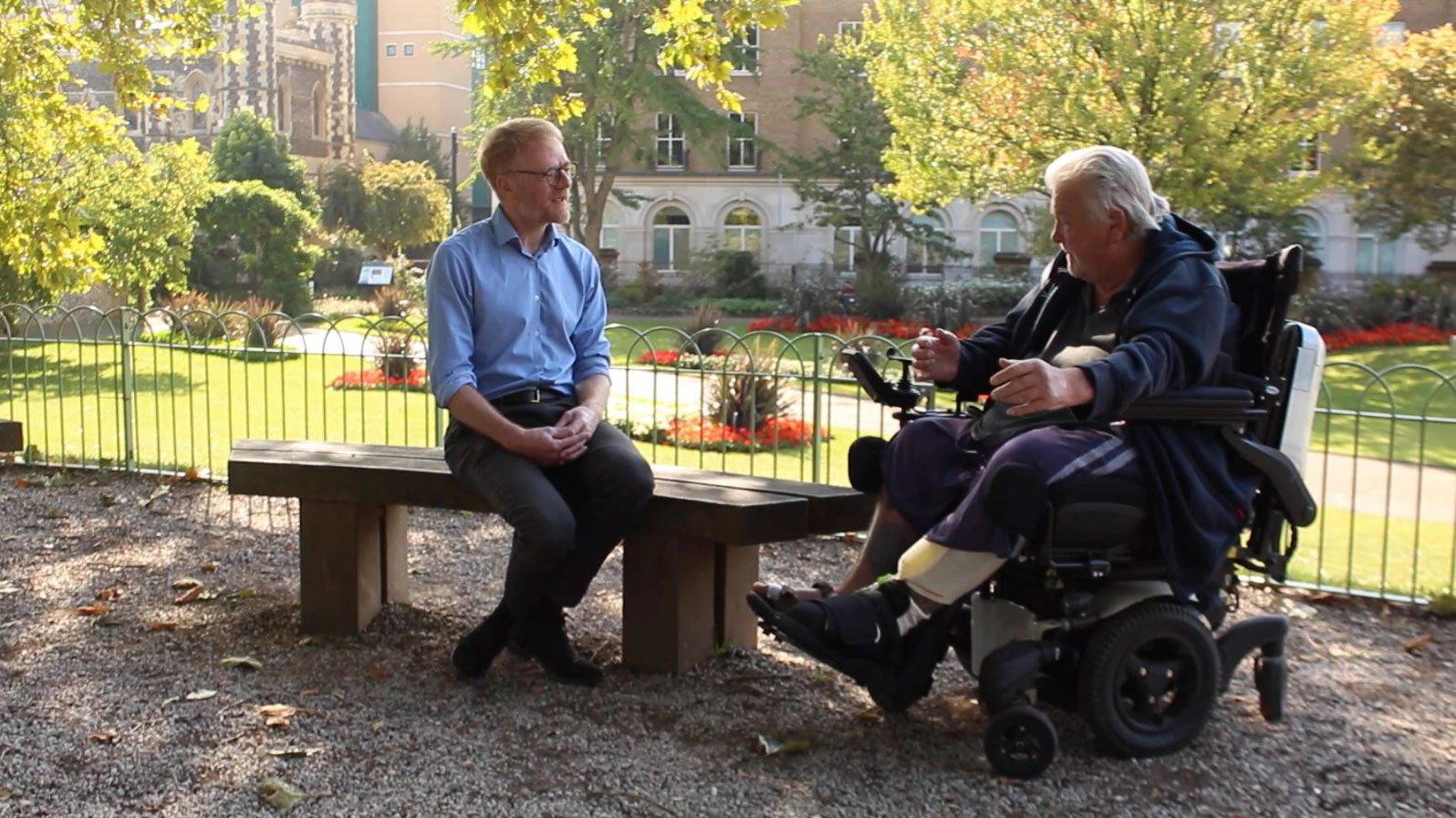
Client story: Dan talks candidly about his experience with cauda equina syndrome and making a CES claim

Podcast
Video
Liability admission after hospital fail to perform emergency MRI for cauda equina red flag symptoms

Podcast
Video
£800,000 settlement after negligent spinal surgery causes cauda equina syndrome (CES)

Podcast
Video
Liability admission after ‘safety netting’ failure delays diagnosis after ‘red flag’ symptoms of cauda equina (CES)
Podcast
Video
£205,000 settlement after MRI scan and surgery delays cause disability from cauda equina syndrome (CES)
Podcast
Video
£100,000 settlement for 61-year-old man after hospital delays treatment for spinal cyst

Podcast
Video
Cauda equina syndrome: Judgment after out-of-hours doctor admits failing to examine patient
Our medical negligence team












What our clients say
Worked assiduously and painstakingly

What our clients say
You have given fantastic support and guidance
What our clients say
Very helpful and diligent
What our clients say
Very Professional
What our clients say
We cannot praise and thank the team enough
What our clients say
they kept us fully informed
What our clients say
This was a seamless and successful process
What our clients say
Professional, helpful and responsive
What our clients say
She listens
What our clients say
Sound financial security for the future

Our clients receive the highest standards of advice and representation and are always treated with compassion, outstanding care and understanding of the physical, emotional, psychological and financial impact that life-changing injury can have upon their lives.
- We are nationally acclaimed for our claimant medical negligence expertise and the outstanding results we achieve for our clients.
- We are ranked as leading clinical negligence experts in the Chambers Directory and Legal 500 guides to the legal profession and are accredited for our specialist expertise by the Law Society, AvMA, and the Association of Personal Injury Lawyers (APIL).
- Our integrated multidisciplinary team offers our clients a full range of specialist help with compensation, rehabilitation, SEN, deputyship, personal injury trusts and community care.
- We secure maximum compensation in claims for adults and children who have suffered catastrophic injury and severe disability, and provide practical support for their families.
Related spinal cord injury insights

Podcast
Video
Professional negligence and compensation after solicitors’ mistakes in medical negligence claims

Podcast
Video
Making a medical negligence claim: Insights from a solicitor

Podcast
Video
SIA’s ‘What Matters 2025’ survey finds barriers for people with SCI in health care, work and everyday life

Podcast
Video
HSSIB report highlights harm caused to patients and carers from poor coordination of NHS care

Podcast
Video
Tuberculosis in England increasing at highest rate in decades, says Government report

Podcast
Video
Who can claim compensation for psychological injury caused by medical negligence?

Podcast
Video
Patients Association calls for better access to diagnostic tests to reduce patient harm

Podcast
Video
Valproate Update – Patient Safety Commissioner’s review calls for government action and redress

Podcast
Video
Research by Scope highlights challenges for disabled young people in transition to independence

Podcast
Video
SIA’s ‘What Matters’ 2023 report: the reality of living with spinal cord injury (SCI) in the UK
Related spinal cord injury claims
Cauda equina syndrome
Pressure sores
GP negligence claims
Accident & emergency
Leading medical negligence solicitors for over 30 years





Get help today
- Free & no obligation initial advice
- Speak directly to a solicitor
- No upfront costs & no win no fee