Pressure sore negligence claims


Expert legal support to help you heal, physically and financially.

Pressure sores, also known as bed sores and pressure ulcers, can develop when a patient in hospital is immobile after surgery or as a result of a debilitating healthcare condition. They can cause pain and scarring, restrict mobility and independence, and can lead to the patient’s death if left untreated. With proper nursing care, pressure sores can usually be prevented.
Pressure sores which develop whilst a patient is immobile in hospital are often caused by negligent medical or nursing care. If you have suffered a severe pressure sore injury as a result of failings in hospital care, you may be able to claim compensation.
- Nationally recognised medical negligence specialists with decades of experience
- Access to leading medical experts and rehabilitation professionals
- Proven track record of securing life-changing compensation for families
- Dedicated support from initial enquiry through to settlement
- No upfront costs and claim through a no win no fee agreement
Starting your pressure sore claim
For more than 30 years, Boyes Turner’s medical negligence solicitors have guided injured patients through the claims process to secure the compensation and specialist support that they need to manage their disability and rebuild their lives.
You can contact us by telephone or by email for free, confidential advice from a medical negligence solicitor. We will ask you to tell us briefly about your injury and your hospital care, and advise you about your time limits and whether we can help you investigate your claim. Once our investigations confirm you have grounds for a claim, we will notify the defendant healthcare provider (usually represented by NHS Resolution) on your behalf and invite them to respond, giving them an opportunity to admit liability (responsibility for your injuries) before court proceedings are issued.
If liability is admitted, we will obtain a judgment from the court and apply for a substantial interim payment to meet your needs arising from your injury and disability. If NHS Resolution deny liability, we will advise you about the best way to proceed with your claim. This may involve issuing court proceedings or inviting NHS Resolution to enter into settlement negotiations or mediation.

No win, no fee
No hidden or upfront costs. Clear, straightforward advice. Nothing to pay unless your claim is successful.
Over 30 years’ experience
We have helped thousands of clients claim compensation.
Fully regulated
Authorised and regulated by the Solicitors Regulation Authority.
Pressure sore compensation claims FAQs
What is a pressure sore?
Pressure sores, sometimes called pressure ulcers or bed sores, develop when pressure on the skin in an area of the body reduces the blood and oxygen flow to the skin and tissues, causing the layers of skin and tissues to break down.
Who is at risk of pressure sores?
People of any age can be affected by pressure ulcers, but those with poor mobility who have to spend long periods of time in bed or seated in a chair are at greater risk of developing pressure sores.
Patients who are immobile whilst in hospital can develop pressure ulcers on pressure points, such as their sacrum (base of spine), or their heels which are under continuous pressure from the weight of their legs and feet when they are left in one position for a prolonged period of time.
The risk of developing a pressure ulcer is increased by:
- lack of mobility or where the patient is unable to change their position;
- dehydration and poor nutrition, which affects the body’s ability to maintain healthy skin;
- older age, when the skin is fragile and new skin cells take longer to form;
- lack of sensory perception, such as after spinal cord injury, surgery or coma, when the patient cannot feel pain or the need to change position;
- after severe weight loss;
- urinary or faecal incontinence, as moist skin breaks down more easily;
- medical conditions affecting the circulation and blood flow to the skin.
Patients who are immobile or unable to turn themselves in bed, such as after surgery, must be nursed carefully to avoid tissue damage from pressure sores.
What mistakes lead to pressure sore compensation claims?
Most pressure sore compensation claims arise from failings in basic nursing care of patients who are at risk of developing pressure ulcers and bed sores.
Common mistakes which lead to pressure sore medical negligence compensation claims include:
- failing to assess properly, identify and chart the patient’s risk of pressure sores;
- failing to observe and note changes in the patient’s skin colour;
- failing to recognise early signs of pressure sores, such as redness on heels, elbows, sacrum;
- failing to record and classify the patient’s pressure sore in their medical records;
- failing to relieve pressure on sensitive areas regularly;
- failing to turn the patient regularly or nurse them on a pressure relieving mattress;
- failing to follow NICE guidelines on the prevention and treatment of pressure sores;
- delays in surgical, anti-infection and other essential treatment.
Occasionally, despite a high level of nursing care, some patients will still develop pressure sores due to irreversible tissue hypoxia (lack of oxygen). However, in our experience, most of our clients developed pressure sores in situations where they could have been prevented with an acceptable standard of care.
How are pressure ulcers prevented and treated?
In most cases, where the patient receives correct nursing care, pressure ulcers or bed sores can be prevented. The most important way to prevent pressure sores is to avoid prolonged periods of pressure on any one area of the skin by encouraging the patient to change their position regularly throughout the day. People who cannot reposition themselves should be moved at regular intervals, and at least every two hours for those lying down and every hour for those sitting upright. Pressure relieving mattresses should be provided, and skin should be kept healthy, clean, and dry. Regular inspection of high-risk areas is important to detect and treat early signs that a pressure ulcer is developing. The first sign that a pressure sore might be forming is usually a change in the colour of the skin.
Some pressure sores can be treated successfully by relieving the pressure on the affected parts of the body using equipment like a pressure-relieving overlay system mattress, and by cleaning the affected area regularly and applying an appropriate dressing. The wound should be kept clean and moist and the area around it clean and dry. As a pressure sore heals, it will slowly get smaller. Less fluid will drain from it and new healthy skin starts growing at the bottom of the sore. It is essential is that the sores do not become infected. For more severe pressure sores, surgical debridement may be necessary to remove necrotic (dead) or infected tissue from the wound. In very severe cases, skin grafts, cosmetic surgery or maggot therapy may be necessary.
The healing process can take a long time and often requires ongoing treatment by district nurses or tissue viability nurses, who specialise in treating persistent ulcers.
What injuries lead to pressure sore compensation claims?
Serious pressure sores can be very painful and difficult to heal, as the wound has to heal from the inside out. Depending on the affected area, severe pressure sores leave the patient with unsightly scarring from the wound and its surgical treatment, and can cause permanent difficulty with walking or sitting, as the skin becomes tight and is vulnerable to breaking down.
Any delay or failure to recognise and treat pressure sores can lead to significant worsening of the ulcer as the necrotic tissue extends across a larger surface area and into the bone. This can lead to disability from amputations and life-threatening infection, such as cellulitis or sepsis.
Making a pressure sore claim
We understand how daunting it can feel to take the first step. Our specialist medical negligence solicitors are here to guide you through every stage.

Getting in touch
Call us or complete our online enquiry form for free, confidential advice from a specialist pressure sore negligence solicitor. We will listen to your concerns, explain your options, and advise whether we can investigate if poor care led to avoidable pressure sores.

Supporting your claim
Our solicitors will review your medical records, instruct independent experts, and investigate whether appropriate pressure sore prevention and treatment were provided. Where negligence is identified, we can build a strong claim and, where appropriate, seek an interim payment to help meet immediate care and rehabilitation needs.

Securing compensation
We provide compassionate support throughout the claims process, working to secure the maximum compensation as quickly as possible to help fund treatment, rehabilitation, care, adapted accommodation where needed, and other essential support.
Contact us
If you would like advice regarding a serious injury or illness affecting you or a loved one, please complete the form and one of our experts will be in touch as soon as possible.
Rather give us a call:

Client story
£185,000 compensation for pressure sores
We recovered a compensation settlement for a young woman after she developed pressure sores as a result of substandard nursing care following surgery.
Our pressure sore claims
Podcast
Video
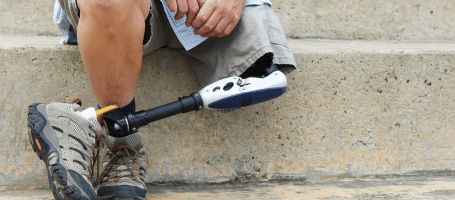
£75,000 settlement after negligent diabetic foot care leads to amputation

Podcast
Video
£90,000 settlement after keyhole gallbladder surgery causes bile duct injury

Podcast
Video
Compensation settlement and apology after negligent hospital treatment of pressure ulcer

Podcast
Video
Compensation settlement after negligent hospital care causes pressure sores and death of a 65-year-old man

Podcast
Video
£185,000 compensation for pressure sores to heels
Podcast
Video
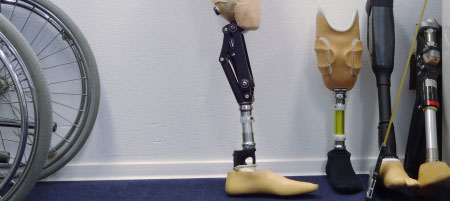
Settlement for family of 94-year-old man after hospital negligence led to pressure sore, bone infection and amputation

Podcast
Video
£81,000 compensation after negligent care causes pressure sore after heart bypass surgery

Podcast
Video
£24,000 for severe pressure sore and abscesses – hospital negligence

Podcast
Video
£65,000 compensation recovered after hospital fail to prevent pressure sores
Podcast
Video
£70,000 settlement after hospital nursing failures left a 91-year-old man with a grade 4 pressure sore
Our medical negligence team












What our clients say
Won medical negligence

What our clients say
Worked assiduously and painstakingly
What our clients say
You have given fantastic support and guidance
What our clients say
Very helpful and diligent
What our clients say
Very kind and considerate
What our clients say
Very Professional
What our clients say
We cannot praise and thank the team enough
What our clients say
We cannot thank Susan and her team at Boyes Turner enough
What our clients say
We had full confidence
What our clients say
We would all highly recommend them

Our clients receive the highest standards of advice and representation and are always treated with compassion, outstanding care and understanding of the physical, emotional, psychological and financial impact that life-changing injury can have upon their lives.
- We are nationally acclaimed for our claimant medical negligence expertise and the outstanding results we achieve for our clients.
- We are ranked as leading clinical negligence experts in the Chambers Directory and Legal 500 guides to the legal profession and are accredited for our specialist expertise by the Law Society, AvMA, and the Association of Personal Injury Lawyers (APIL).
- Our integrated multidisciplinary team offers our clients a full range of specialist help with compensation, rehabilitation, SEN, deputyship, personal injury trusts and community care.
- We secure maximum compensation in claims for adults and children who have suffered catastrophic injury and severe disability, and provide practical support for their families.
Related hospital negligence insights

Podcast
Video
Neonatal meningitis claims

Podcast
Video
Understanding sepsis: Symptoms, warning signs and why early diagnosis matters

Podcast
Video
Fatal injury compensation when medical mistakes cause a parent or partner’s death

Podcast
Video
Medical negligence claims from errors in post-operative care

Podcast
Video
Client story: learning to live with life-changing sight loss in one eye

Podcast
Video
NHS Resolution’s review of cancer diagnosis delays in 105 GP negligence claims

Podcast
Video
Royal College of Radiologists’ Workforce Census warns UK has insufficient radiologists to provide safe patient care

Podcast
Video
WHO publishes new global guidelines for the diagnosis, treatment and care of meningitis

Podcast
Video
HSSIB investigation highlights patient safety risks from anticoagulant medication errors

Podcast
Video
Patients Association calls for better access to diagnostic tests to reduce patient harm
Related pressure sore pages
Amputation
GP negligence claims
Hospital negligence
Sepsis negligence
Leading medical negligence solicitors for over 30 years




Get help today
- Free & no obligation initial advice
- Speak directly to a solicitor
- No upfront costs & no win no fee